Türkiye Backs Pakistan FMD Vaccine Production
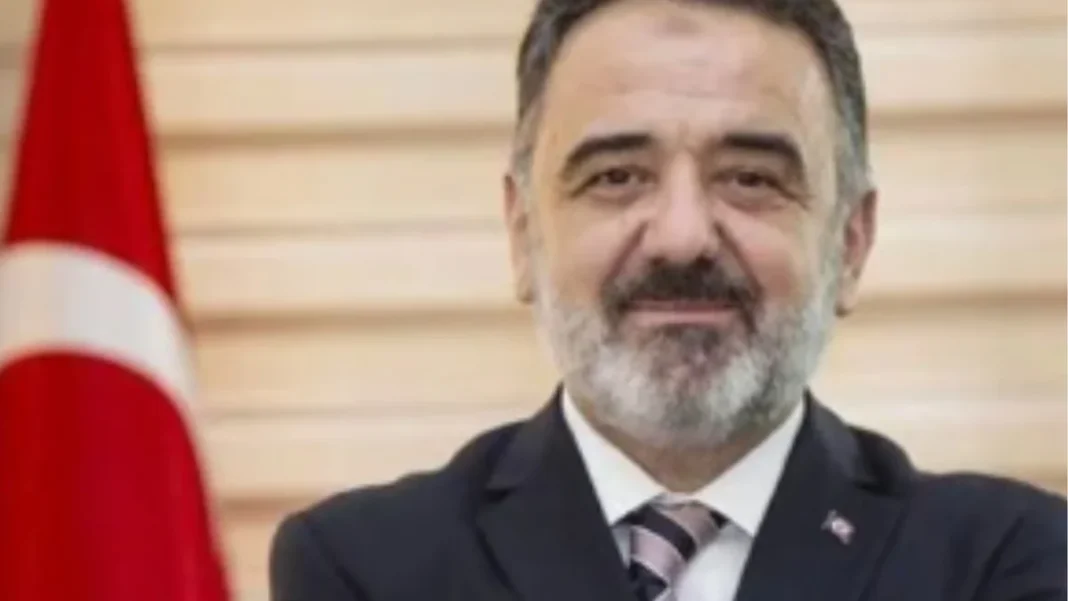
Türkiye will help build Pakistan FMD vaccine capacity at home, after Ambassador Dr Irfan Neziroglu told Federal Minister for National Food Security and Research Rana Tanveer Hussain that a Turkish technical team will visit to explore cooperation. The offer follows a decision by Prime Minister Shehbaz Sharif to seek Turkish support for domestic vaccine production.
Livestock development and domestic vaccine production emerged as major priorities at the meeting, according to a statement issued by the ministry on Wednesday. The two sides agreed that better animal health standards and home-grown vaccine output would widen Pakistan’s livestock and meat export potential.
What was agreed
The cooperation starts with people, not factories. Pakistan plans to send an initial group of about 30 participants to Türkiye under a proposed training programme for 100 trainees. The Ministry of Foreign Affairs has identified potential Turkish institutions, and coordination with the Higher Education Commission is under way to finalise universities, priority disciplines and arrangements.
A Pakistani delegation has already visited Türkiye to study its livestock sector. That delegation is preparing a report on practical areas where Turkish expertise can be adopted. The Turkish ambassador also offered to facilitate links with Turkish universities, particularly those specialising in agriculture.
Both sides discussed findings from recent exchanges between livestock experts. The talks were not limited to vaccines. The meeting also reviewed Türkiye’s earlier support through its aid agency TIKA for an olive oil facility in Muzaffarabad, which has reportedly benefited about 5,000 farmers. Pakistan expressed interest in similar projects in olive-producing areas of Balochistan, Khyber-Pakhtunkhwa, Chakwal and Attock, with emphasis on processing, value addition and improved market opportunities.
Why the Pakistan FMD vaccine plan matters
Foot-and-mouth disease is a highly contagious viral disease of cloven-hoofed animals such as cattle, buffalo, sheep and goats. It cuts milk and meat output, and it blocks exports, because importing countries demand proof that animals and meat come from disease-free herds, zones or compartments.
That barrier is the heart of the problem for Pakistan. The country’s Trade Development Authority says exports have been constrained by the prevalence of foot-and-mouth disease, weak animal traceability, fragmented supply chains and the inability of some processors to meet international food-safety and quality requirements.
The stakes are large. Pakistan holds about 245 million livestock, valued at around Rs5.5 trillion. Livestock contributes 14.97 per cent of national GDP and 63.6 per cent of agricultural value added, while around eight million rural households depend on the sector. Annual output runs to about 74.69 million tons of milk and 6.31 million tons of meat.
Meat exports stood at about $530 million in the 2025-26 fiscal year, covering 114,046 tons, with the bulk going to Gulf countries including the UAE, Saudi Arabia, Kuwait and Qatar. The government believes that figure can rise sharply if disease controls improve, since the raw production base is already in place.
The Türkiye plan fits a wider push that began in October. At a high-level meeting on October 5, the prime minister approved duty-free imports of high-yield livestock for special export farms, ordered a modern tagging system, directed officials to submit an action plan with specific targets for eliminating foot-and-mouth disease, and ordered international certification of slaughterhouses. The same meeting backed disease-free zones and export-grade farms. The Turkish cooperation now gives that plan a technical partner with its own vaccine production base.
The link to Türkiye as a market matters too. Both sides tied the vaccine and disease-control work to Pakistan’s ambition to establish disease-free zones and widen access to international meat markets, particularly Türkiye. A credible domestic vaccine supply is a precondition for those zones, since regular vaccination is how a zone proves and keeps its disease-free status.
What happens next
The next steps are concrete. The Turkish technical delegation will visit to explore collaboration, the first 30 trainees will be selected for Türkiye, and the Pakistani delegation’s report will set out which Turkish practices to adopt first. The olive-oil discussion will run in parallel, with Balochistan, Khyber-Pakhtunkhwa, Chakwal and Attock named as possible sites for similar facilities.
The Tribune report and a matching ARY News account of the same meeting agree on the core facts. Feature Pakistan has also tracked livestock technology at home, including Sindh’s embryo transfer cattle project, which shows the same push towards higher-productivity animals.
Frequently asked questions
What is foot-and-mouth disease?
Foot-and-mouth disease is a highly contagious viral disease that affects cloven-hoofed animals such as cattle, buffalo, sheep and goats. It reduces milk and meat production and, because importing countries require disease-free status, it limits a country’s meat exports.
Why does Pakistan need its own FMD vaccine?
Domestic production would cut dependence on imported vaccine, support regular vaccination drives and help Pakistan establish the disease-free zones that export markets demand. Without those zones, meat shipments face restrictions even when production is strong.
How many trainees will go to Türkiye?
An initial group of about 30 participants will travel first, under a proposed training programme for 100 trainees. The Foreign Affairs Ministry has identified Turkish institutions, and the Higher Education Commission is finalising universities and disciplines.
How big is Pakistan’s livestock sector?
Pakistan holds about 245 million livestock worth around Rs5.5 trillion. The sector gives 14.97 per cent of GDP and 63.6 per cent of agricultural value added, produces 6.31 million tons of meat a year, and supports around eight million rural households.