Pakistan Debt Formula Shifts to Long-Term Loans
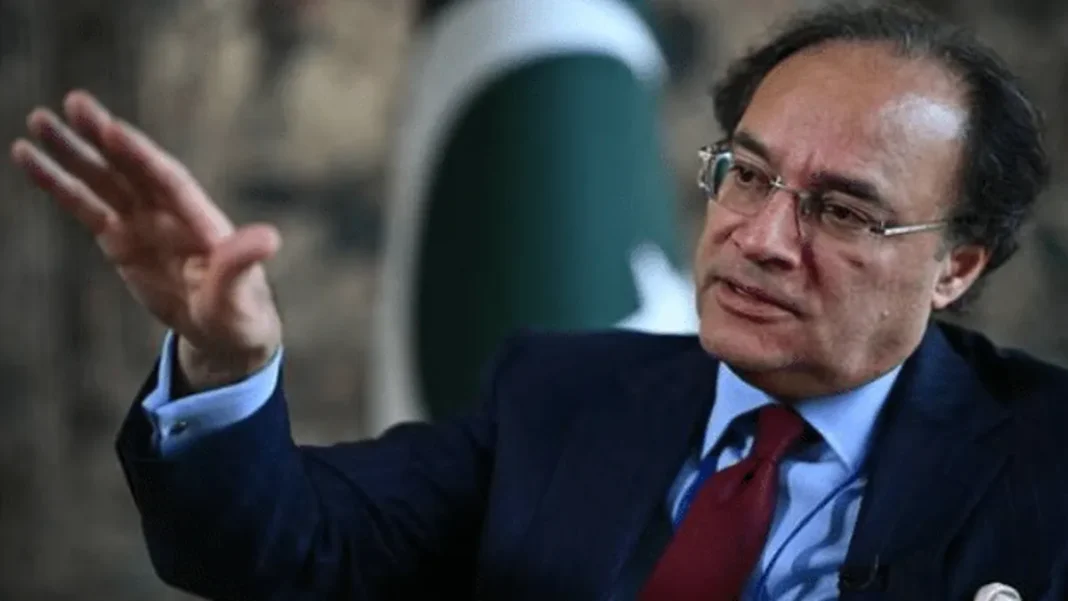
Pakistan is shifting away from short-term borrowing towards loans with maturities of five to ten years under a new Pakistan debt formula, Finance Minister Muhammad Aurangzeb told the Senate Standing Committee on Finance on Wednesday, in a move aimed at cutting refinancing risks and easing pressure on government finances.
Aurangzeb said Pakistan had previously faced the challenge of refinancing domestic debt every three months, leaving government finances exposed to changes in interest rates. Extending repayment periods would help the government manage its debt obligations more effectively, he told the committee.
The change matters because short-term debt forces a government to return to the market again and again. Each return is a fresh test of confidence, and each one can turn expensive if rates rise or buyers stay away. Longer loans spread that risk over years, and they give the budget a steadier footing.
Pakistan debt formula: the numbers behind the shift
Finance Secretary Imdadullah Bosal told the committee that Pakistan’s total public debt had reached Rs86.7 trillion in FY2026, compared with Rs24.9 trillion in FY2018. The stock has grown sharply, but the cost of carrying it has fallen.
Interest payments as a share of government revenue have dropped from 61 per cent in FY2023-24 to 35 per cent. The government’s interest expenditure also declined from Rs8.9 trillion in FY2024-25 to Rs6.9 trillion in FY2025-26, saving nearly Rs2 trillion in annual payments.
Bosal said the reduction was not solely due to lower interest rates. A fall driven only by cheaper rates can reverse fast, while one driven by a stronger budget position is harder to undo.
Domestic debt stood at Rs58.8 trillion in August 2026, down Rs684 billion from June, while external debt remained broadly stable at 98.2 billion dollars. The average maturity of domestic debt has increased from 2.7 years in June 2024 to 3.8 years in June 2026. The government aims to extend it further to 4.2 years by FY2028.
Aurangzeb said Pakistan’s fiscal deficit had declined from around 12.5 per cent to 2.5 per cent, while the current account deficit stood at 0.1 per cent of GDP in the last fiscal year. He added that foreign exchange reserves had reached 21.5 billion dollars and were sufficient to cover around three months of imports.
External payments still loom large
Pakistan’s external debt servicing requirements for FY2027 stand at 21.5 billion dollars, including 17.5 billion dollars in principal repayments and 4 billion dollars in interest. Bilateral rollovers and commercial refinancing have reduced the estimated net payment requirement to around 11 billion dollars.
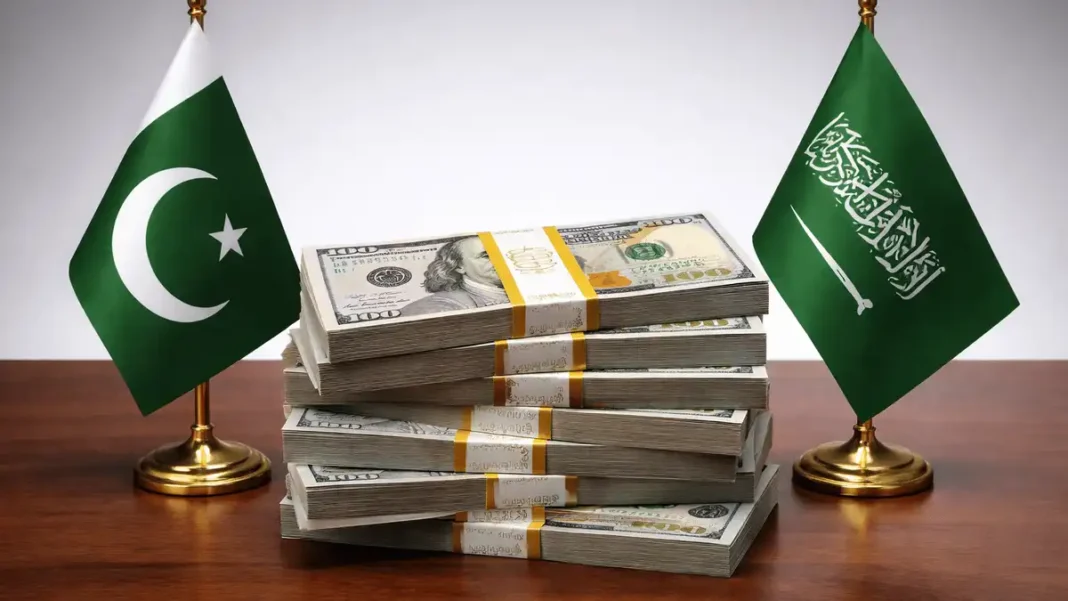
That rollover cushion is central to the government’s plan. As Feature Pakistan reported in Saudi Rolls Over Another $3 Billion for Pakistan, Saudi Arabia has extended a further 3 billion dollar deposit, on top of 5 billion dollars held till 2028. Pakistan has also explored new ways to raise funds abroad, including a tokenised Eurobond plan.
The finance minister said the government was seeking to reduce dependence on external borrowing and avoid returning to international lenders for emergency financial support. The shift to longer domestic loans is part of that effort: if more debt is raised at home, over longer terms, the government is less exposed to sudden swings in global markets.
The wider financing picture includes support from multilateral lenders, as Feature Pakistan reported in the World Bank’s Pakistan growth outlook and an ADB loan for pensions. The Senate briefing gives the fullest official account yet of how the debt’s cost and shape have changed.
What happens next
Three markers will show whether the new formula works. First, whether average maturity keeps rising towards the 4.2-year target by FY2028, rather than stalling near 3.8 years. Second, whether interest payments stay near 35 per cent of revenue when rates move, which will test Bosal’s claim that budget discipline, not only cheaper money, did the work. Third, whether the 11 billion dollar net external payment for FY2027 is met without fresh emergency borrowing, which will test Aurangzeb’s pledge to cut dependence on outside lenders.
Longer loans lock in today’s rates, so if rates fall sharply, the government could pay more than it needed to. The bet behind the new formula is that stability is worth that price.
Frequently asked questions
What is Pakistan’s new debt formula?
The government will shift from short-term borrowing towards loans with maturities of five to ten years, to reduce refinancing risks and ease pressure on government finances.
How much is Pakistan’s total public debt?
Finance Secretary Imdadullah Bosal told the Senate committee that total public debt reached Rs86.7 trillion in FY2026, compared with Rs24.9 trillion in FY2018.
How much has the interest burden fallen?
Interest payments dropped from 61 per cent of government revenue in FY2023-24 to 35 per cent, and interest spending fell from Rs8.9 trillion to Rs6.9 trillion in a year.
What does Pakistan owe externally in FY2027?
External debt servicing for FY2027 stands at 21.5 billion dollars, but rollovers and refinancing cut the estimated net payment to around 11 billion dollars.
What is the target for average debt maturity?
Average maturity of domestic debt rose from 2.7 years in June 2024 to 3.8 years in June 2026, and the government aims to reach 4.2 years by FY2028.