Balochistan Winter Showers Deepen Gas Crisis
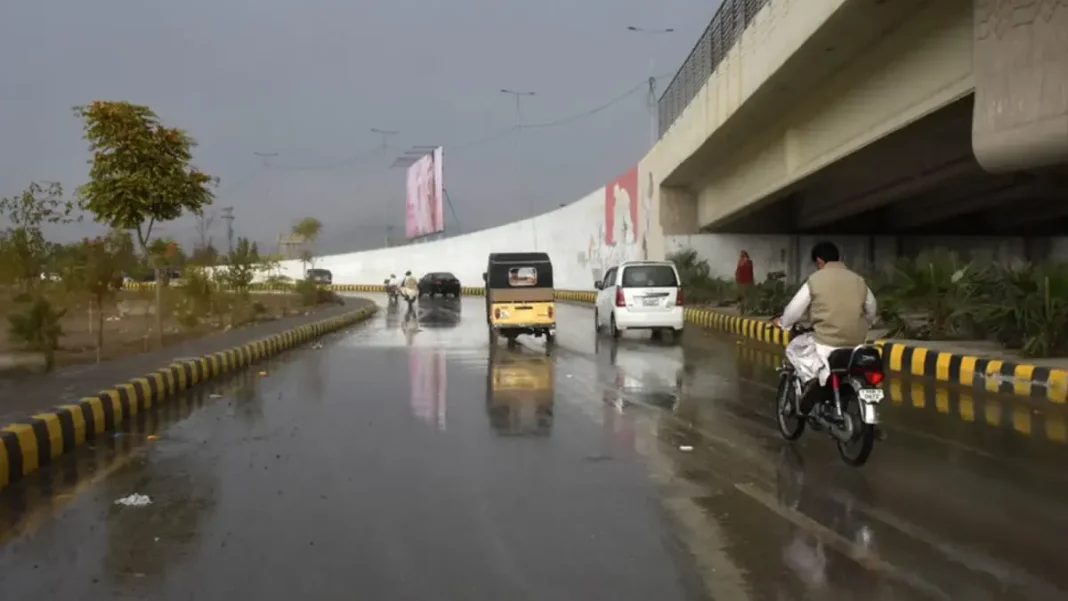
Balochistan winter showers arrived on Wednesday, bringing the season’s first rainfall to Quetta and several other parts of the province and pushing temperatures down sharply. The cold front sent residents to local markets for warm clothing, and it landed on households already struggling with low gas pressure, frequent load-shedding and costly alternative fuel.
Showers fell across Quetta, Kolpur, Harnai, Chagai and Dalbandin. In the provincial capital and the northern districts, the sudden drop in temperature added to hardships that had built up well before the rain.
What Balochistan winter showers mean for gas supply
Piped natural gas is largely unavailable to many households in the affected areas, so families turn to liquefied petroleum gas (LPG) as an alternative. That switch is expensive. Consumers struggle to secure LPG at government-regulated rates, with local shopkeepers reportedly charging arbitrary prices between Rs550 and Rs600 per kg.
For a household that needs gas for heating and cooking through a cold spell, that price gap is not a small detail. It decides how much fuel a family can afford, and for how long. Low gas pressure at home and power cuts at the same time leave few good options when the temperature falls.
A winter problem the government says it is planning for
The timing of the showers puts the province’s winter fuel problem in focus early. Prime Minister Shehbaz Sharif told a federal cabinet meeting on Wednesday that the government is making all-out efforts to ensure energy supplies, including liquefied natural gas, LPG and oil, during the coming winter season. He said meetings are held every two to three days to review energy needs and prepare contingency and coordination plans.
The prime minister also said the decades-old monopoly in the LPG sector has ended, with a competitive and transparent mechanism introduced for its allocation. If that change reaches retail shops in Balochistan, it could ease the gap between regulated LPG rates and the prices households actually pay. For now, the prices reported in Quetta’s markets show that gap is still wide.
The cabinet meeting also formally ratified the defence cooperation agreement between Pakistan and Kuwait, a decision Feature Pakistan has already reported in full. The winter energy discussion at the same meeting is the part that matters most to households in Quetta this week.
What households in the south face
Feature Pakistan has already published the winter gas schedules that apply in the south. The SSGC winter gas schedule for Sindh and Balochistan sets out the timings households in those provinces can expect, while the SNGPL winter gas timings for Islamabad, Punjab and Khyber-Pakhtunkhwa cover the north. Readers in Balochistan should check the SSGC schedule for their area, since timings and supply conditions differ by region and by network.
The broader cost of energy hardship is also visible in other parts of the country. Air pollution now costs Pakistan about 6.5 per cent of GDP, according to the Overseas Investors Chamber of Commerce and Industry, and winter fuel shortages push more households towards fuels that add to that burden.
What happens next
No forecast for further rain was given in the report of Wednesday’s showers, and no new gas supply announcement for Balochistan accompanied it. The practical question for households is whether LPG prices in local markets fall towards regulated rates, and whether piped gas pressure improves as winter sets in.
Until then, the first showers of winter have done two things at once: they have marked the change of season, and they have exposed how thin the fuel cushion is for families in Quetta and the northern districts. The Dawn report and the prime minister’s winter energy assurance, reported by The Nation, agree on the core facts: cold has arrived early, and winter fuel supply is now the test.
Frequently asked questions
Where did Balochistan winter showers fall?
The first rainfall of the winter season fell in Quetta, Kolpur, Harnai, Chagai and Dalbandin on Wednesday, with temperatures dropping sharply in the provincial capital and northern districts.
Why is the gas crisis worse in cold weather?
Households need more gas for heating and cooking when temperatures fall, but piped gas is largely unavailable in many areas and power cuts are frequent. Families turn to LPG instead, which costs far more.
How much does LPG cost in local markets?
Local shopkeepers reportedly charge between Rs550 and Rs600 per kg, well above government-regulated rates that consumers struggle to secure.
What is the government doing about winter energy supply?
Prime Minister Shehbaz Sharif said the government is reviewing energy needs every two to three days, preparing contingency plans for LNG, LPG and oil supply, and has ended the old LPG monopoly with a competitive allocation mechanism.