Islamabad’s First Robotic Telesurgery Removes Gallbladder
A surgeon in Islamabad has performed the capital’s first robotic gallbladder removal through telesurgery, operating a surgical robot from a conference hall while the patient lay in an operating theatre across the city. The robotic telesurgery marks a new step for healthcare in Pakistan, where distance has long limited access to specialist care.
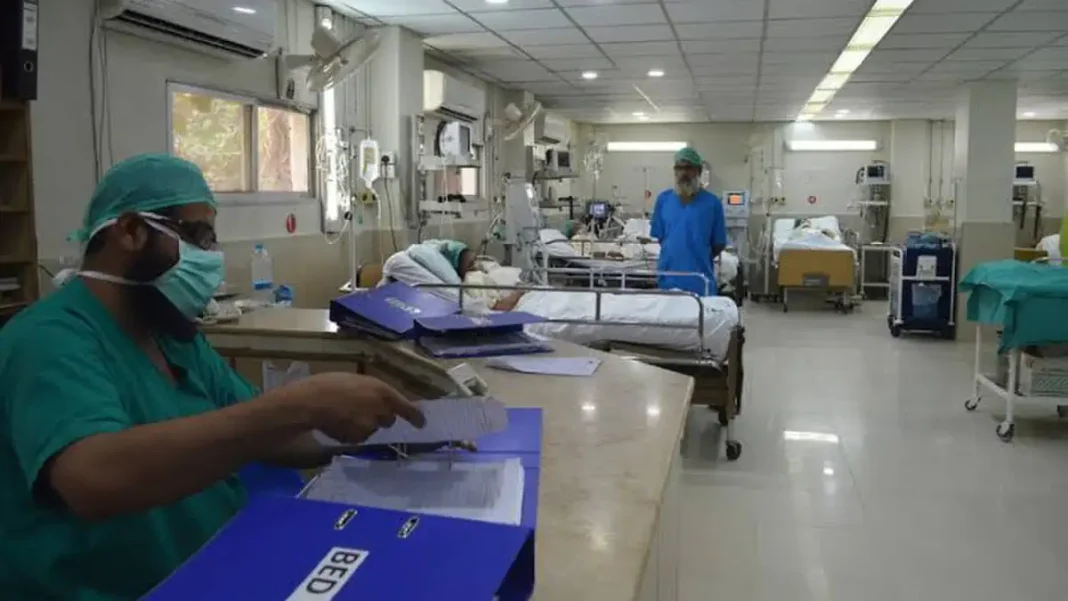
Prof. Dr. Syed Tanseer Asghar, Registrar of Shaheed Zulfiqar Ali Bhutto Medical University (SZABMU), controlled the robotic surgical instruments from the International Conference on Future of Healthcare (FHCC 2026) at the Gandhara Heritage and Culture Centre. The patient was at Kulsum International Hospital in Islamabad, where a surgical team stood by during the procedure.
The operation, known as a robotic cholecystectomy, involves removing the gallbladder with robotic-assisted instruments guided by a surgeon. Dr. Sana Sharafat Ali, a consultant robotic and vascular surgeon, served as the patient-side surgeon at Kulsum International Hospital. Reports of the demonstration emerged on 31 October 2026, when The News reported the procedure, and ProPakistani reported the milestone on 5 November.
How robotic telesurgery works
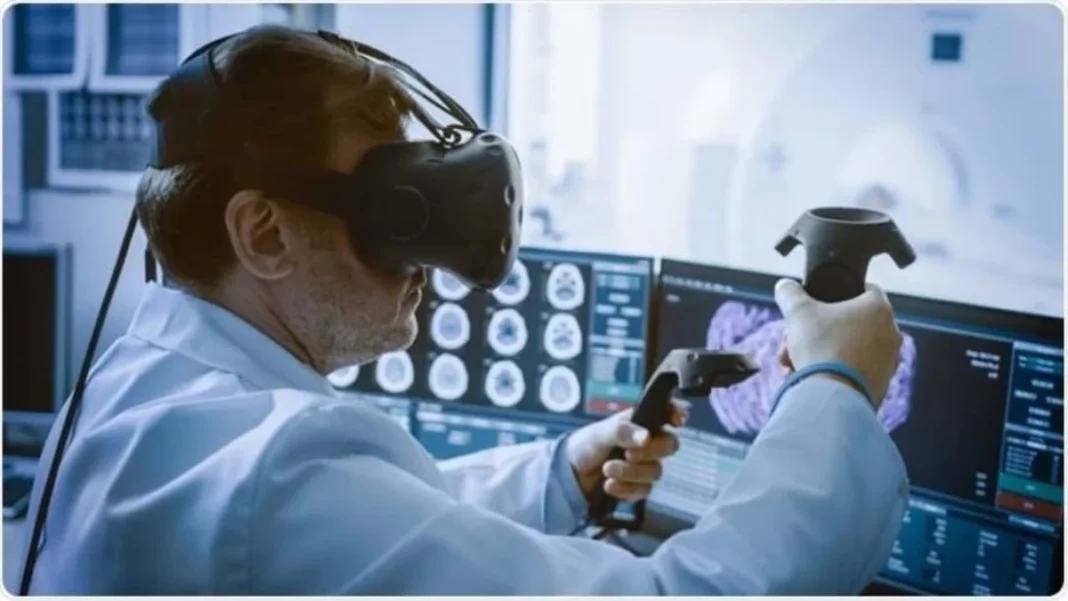
In telesurgery, the surgeon sits at a console away from the patient and guides robotic arms through a live digital link. The robot holds the instruments, and the surgeon controls each movement from the console. A team at the patient’s side watches the procedure, handles the instruments, and can take over at once if the link fails.
A step built on earlier firsts
The Islamabad demonstration did not come out of nowhere. Pakistan has been testing robotic and remote surgery for over a year, and each step has made the next one possible.
In December 2025, surgeons in Kuwait operated on a woman at Lyari General Hospital in Karachi from about 1,600 kilometres away. Sindh health officials described it as the country’s first cross-border telerobotic surgery. That operation showed that a surgeon could work across borders, not just across a city.
In May 2025, Capital Hospital CDA performed what it called Pakistan’s first robotic bariatric operation. In November 2025, the Pakistan Institute of Medical Sciences carried out its first robotic surgery using a Chinese-made Toumai system, with local surgeons and specialists from Britain on the team.
SZABMU has also moved to build the field. In September 2026, the university approved a dedicated centre for artificial intelligence, robotic surgery, and digital healthcare, which will focus on training, research, and links with partners abroad.
What it could mean for patients
The promise of telesurgery is access. A specialist in Islamabad could one day operate on a patient in a small city where no such surgeon works. That matters in Pakistan, where specialist care is packed into a few large cities and patients often travel long distances for treatment.
Health services in Pakistan are also changing in other ways. Karachi University has opened a mental health centre for all, and Feature Pakistan has reported on an AI system that aims to prove which model made an answer and on Google’s search policy for students.
What happens next
SZABMU Vice Chancellor Prof. Dr. Tanwir Khaliq has secured approval for the university’s first Robotic Surgery and Artificial Intelligence Health Centre. The centre will support surgical education, research, and innovation, and it will apply AI-driven methods to healthcare. Universities face fresh scrutiny for research of this kind, after the Higher Education Commission formed a task force for national university rankings.
More demonstrations are likely, and more hospitals may join the work. The test will be whether the method moves from conference demonstrations to routine care, and whether patients outside the big cities gain from it.
Frequently asked questions
What is robotic telesurgery?
It is surgery in which a surgeon controls a robot from a console at a distance, using a live digital link. A surgical team stays with the patient and can take over if needed.
What operation was performed in Islamabad?
A robotic cholecystectomy, the removal of the gallbladder with robotic-assisted instruments. Prof. Dr. Syed Tanseer Asghar operated the console from a healthcare conference, while the patient was at Kulsum International Hospital.
Who was the patient-side surgeon?
Dr. Sana Sharafat Ali, a consultant robotic and vascular surgeon, served as the patient-side surgeon at Kulsum International Hospital during the procedure.
Has Pakistan done remote surgery before?
Yes. In December 2025, surgeons in Kuwait operated on a patient at Lyari General Hospital in Karachi from about 1,600 kilometres away, in what officials called the country’s first cross-border telerobotic surgery. PIMS performed Islamabad’s first robotic surgery in November 2025.
What is SZABMU planning next?
The university has secured approval for its first Robotic Surgery and Artificial Intelligence Health Centre, which will support training, research, and innovation in robotic surgery and AI-driven healthcare.