Sindh has declared Tharparkar a drought-hit district after the Tharparkar drought destroyed most of its crops, with the provincial government ordering emergency supplies of water and fodder for affected communities.
Sindh Chief Minister Syed Murad Ali Shah took the decision at a meeting at the Chief Minister’s House in Karachi on Saturday, after officials briefed him on drought-like conditions across all seven talukas of the district.
Tharparkar drought destroys up to 90 per cent of crops
Officials told the meeting that 85 to 90 per cent of cultivated crops had either been destroyed or rendered unproductive, with only 10 to 15 per cent surviving. The Agriculture Extension Department put the overall crop loss at around 90 per cent, according to reports from local revenue officials.
The briefing said uneven rainfall was behind the damage. Although the seven talukas received between 181 and 273 millimetres of rain during the 2026 monsoon, September rainfall was far below what crops needed, ranging from just one to 36 millimetres. Crops and natural grasses dried up before they could reach maturity.
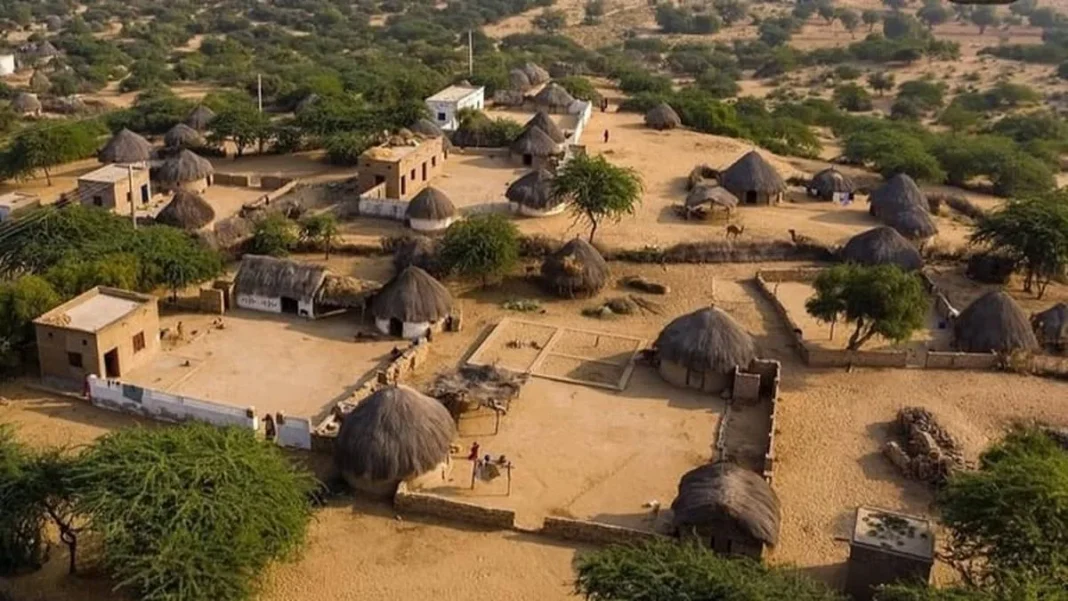
Livestock, which provides a living for many families in Thar, now faces a growing threat from water and fodder shortages. The chief minister directed departments to protect animals through emergency fodder arrangements and coordinated relief work.
Emergency water and fodder ordered for Thar
Murad Ali Shah directed the chief secretary, Asif Hyder Shah, to repair and restore all non-functional reverse osmosis (RO) plants at once and to make sure existing water supply systems work fully. He also ordered departments to ensure uninterrupted supplies of drinking water, fodder and essential goods.
The chief minister asked officials to study whether a dedicated water supply pipeline could be laid from Naukot to Mithi, so the town gets a lasting source of drinking water. He told the administration to watch the situation closely and to make sure no affected community goes without relief.
Murad assured residents that the provincial government would stand by them through the crisis, the report said.
A familiar hardship returns to Thar
The declaration confirms what families in Thar have felt for weeks. Farming in the district depends almost entirely on rain, so a poor September can wipe out a whole season even when the monsoon total looks fair on paper. When the rain stops early, standing crops dry out and the natural grasses that feed livestock disappear with them.
Feature Pakistan reported on World Food Day that drought was already pushing Tharparkar families to migrate with their livestock in search of water and fodder. That movement showed the strain before the government acted, and the formal declaration now opens the way for organised relief instead of leaving families to cope alone.
The district has faced this cycle before. Tharparkar’s desert terrain stores little water, so each dry spell hits homes twice: first through the crop, then through the animals that families depend on for milk, meat and income. Thar’s citizens have also raised their voice over rights and relief during drought, asking for protection that reaches villages rather than stopping at district offices.
What the declaration changes
A calamity-hit declaration matters because it lets the government release relief funds and direct departments to act together. Water tankers, fodder distribution and repairs to RO plants all flow from that decision, and officials must now report on progress to the chief minister’s office.
The test will be delivery in the villages. Rain in Pakistan follows a pattern that leaves Thar exposed, and the country has just lived through its hottest monsoon in 66 years, which adds pressure on water sources across Sindh. For Thar’s families, the question is how fast water and fodder reach them, not what the declaration says on paper.
The district also sits at the centre of Sindh’s energy plans, with Thar coal pricing recently overhauled for non-IPP buyers. But coal revenue has not fixed the water problem for farming families, and the drought declaration is a reminder that the district’s oldest need remains drinking water.
Frequently asked questions
Why has Tharparkar been declared drought-hit?
Because 85 to 90 per cent of cultivated crops were destroyed or rendered unproductive after poor September rainfall, with the Agriculture Extension Department estimating losses at around 90 per cent.
How much rain did Tharparkar receive?
The seven talukas received 181 to 273 millimetres of rain during the 2026 monsoon, but only one to 36 millimetres in September, which was too little for crops to mature.
What relief has the Sindh government ordered?
Emergency supplies of drinking water, fodder and essential goods, repairs to all non-functional RO plants, and a feasibility study for a water pipeline from Naukot to Mithi.
Why does the drought hit livestock as well as crops?
Livestock is a main source of income in Thar, and the same failed rain that killed crops also dried up the natural grasses animals feed on, while water shortages add to the strain.