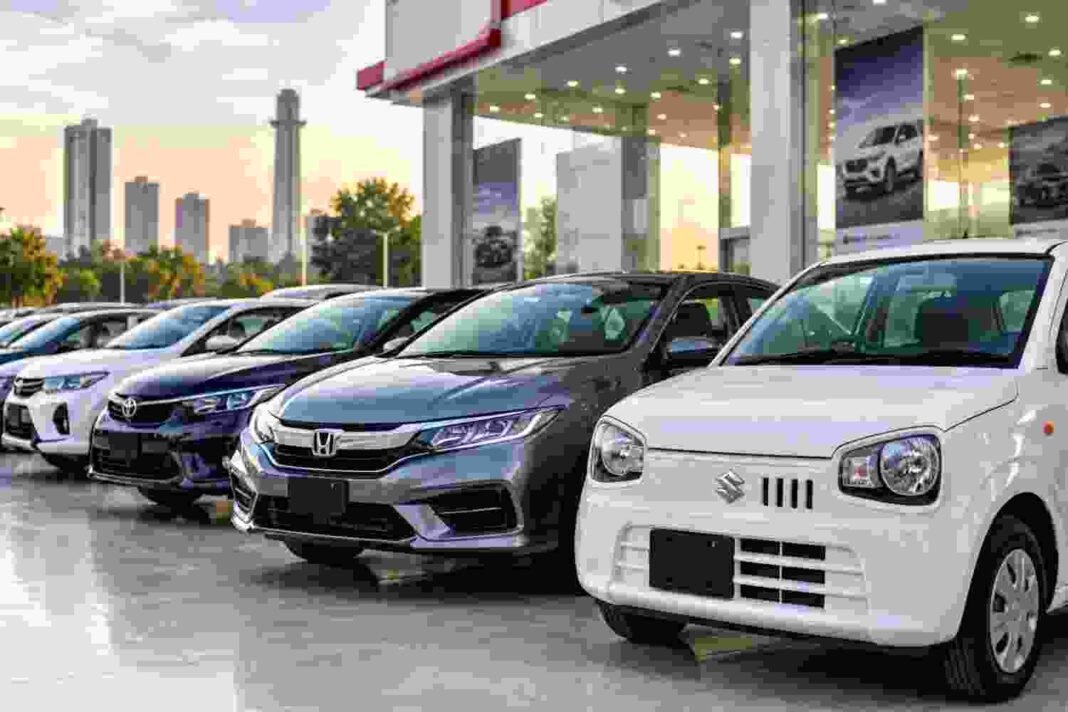
KARACHI: Pakistan car sales grew strongly in August as the country’s automobile market continued to show signs of recovery. A total of 15,558 cars were sold across Pakistan during the month.
The latest industry figures showed an 11 percent increase in car sales compared with the same month last year. Moreover, the improvement indicates stronger demand for vehicles despite continued economic pressure on consumers.
The automobile sector also performed well during the first two months of the current fiscal year. Combined sales during July and August reached 35,376 units, showing an impressive 41 percent increase.
As a result, the latest figures have created optimism among automobile manufacturers and dealers. Higher vehicle demand could also support related industries, including auto parts, financing, insurance, and dealership businesses.
Meanwhile, Pakistan Car Sales received strong support from Suzuki vehicles during August. The company recorded sales of 7,633 units, representing an increase of around 7 percent during the period.
The Suzuki Alto remained one of the market’s strongest performers. The company sold 5,339 units of the popular small car, marking a 27 percent year-on-year increase.
Furthermore, the Alto continues to attract Pakistani buyers because of its compact size and popularity in the local market. Its strong performance helped support Suzuki’s overall sales numbers.
Honda also reported significant growth during the period. The company’s sales increased sharply year on year, reaching 2,633 units.
In addition, Honda recorded 4,029 units in sales during August, according to the available industry figures. The performance reflected an increase of around 19 percent during the reported period.
As a result, Pakistan Car Sales data showed positive momentum across several major manufacturers. Stronger consumer demand helped major automobile companies improve overall market performance.
However, Hyundai Nishat Motors moved in the opposite direction. The company remained the only major automaker mentioned in the figures that reported a decline in annual sales.
Hyundai’s sales fell 39 percent year on year to 742 units. As a result, the company faced weaker demand while most other major players posted improving numbers.
At the same time, growth did not remain limited to passenger cars. Pakistan’s motorcycle and rickshaw market also reported a significant increase during August.
Motorcycle and rickshaw sales rose by 20 percent and reached 178,119 units. Consequently, the figures showed continued strong demand for affordable personal and commercial transport options.
Meanwhile, commercial vehicles also contributed to the improving automobile market. Sales of trucks, buses and other commercial vehicles increased by 31 percent compared with the same period last year.
The segment recorded total sales of 875 units. Although the number remains smaller than passenger vehicle sales, the annual increase suggests stronger activity in transport and commercial sectors.
Moreover, Pakistan Car Sales growth comes at an important time for the local automobile industry. Car manufacturers have faced several challenges in recent years, including high prices, expensive financing and pressure on household budgets.
The latest increase may indicate that some buyers have returned to the market. However, future sales will depend on vehicle prices, financing costs, fuel expenses and broader economic conditions.
Tractor sales also showed mixed performance during the reported period. Annual tractor sales increased by 6 percent, indicating better demand compared with the same month of the previous year.
However, monthly tractor sales declined by 15 percent. Therefore, the agricultural vehicle segment still showed some short-term weakness despite its year-on-year improvement.
The overall figures suggest that Pakistan’s automobile industry has started the fiscal year with stronger momentum. Passenger vehicles, motorcycles, rickshaws and commercial vehicles all contributed to the positive performance.
Additionally, rising vehicle sales can support jobs across manufacturing plants, dealerships and supporting industries. Higher demand can also boost activity among parts suppliers, mechanics, and other businesses linked to the automobile sector.
Still, consumers continue to monitor prices carefully before buying new vehicles. High household expenses can influence purchasing decisions, particularly in the entry-level and mid-range vehicle segments.
Finally, Pakistan Car Sales figures for August highlight a broader recovery trend in the country’s automobile market. With 15,558 cars sold during the month and 35,376 units sold in July and August combined, the sector has started the fiscal year on a positive note.
The coming months will show whether manufacturers can maintain this momentum. Stable prices, affordable financing, and improving consumer confidence could help the automobile industry continue its growth.