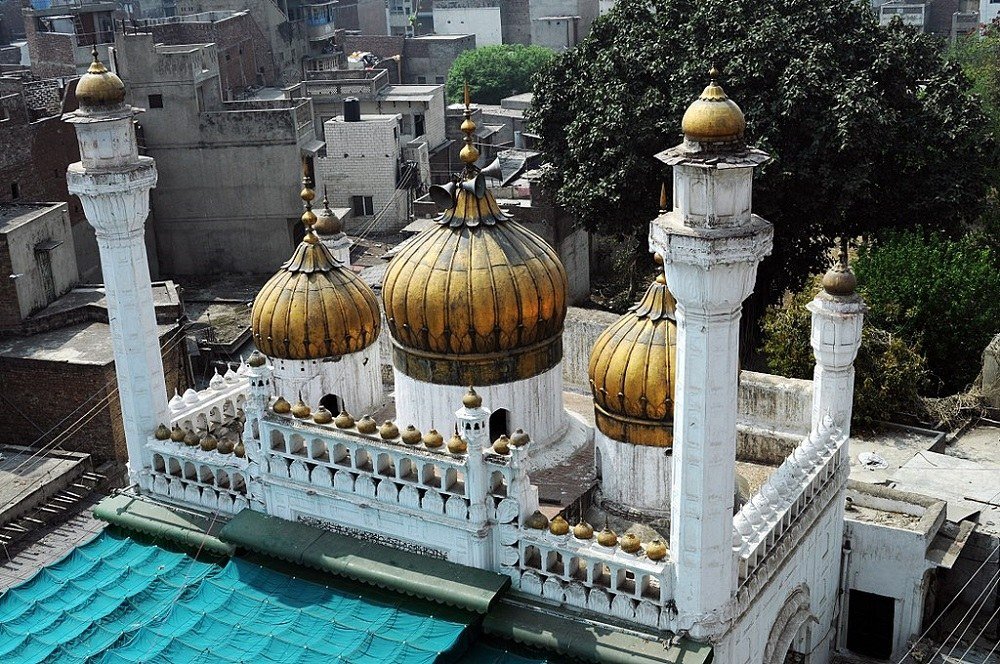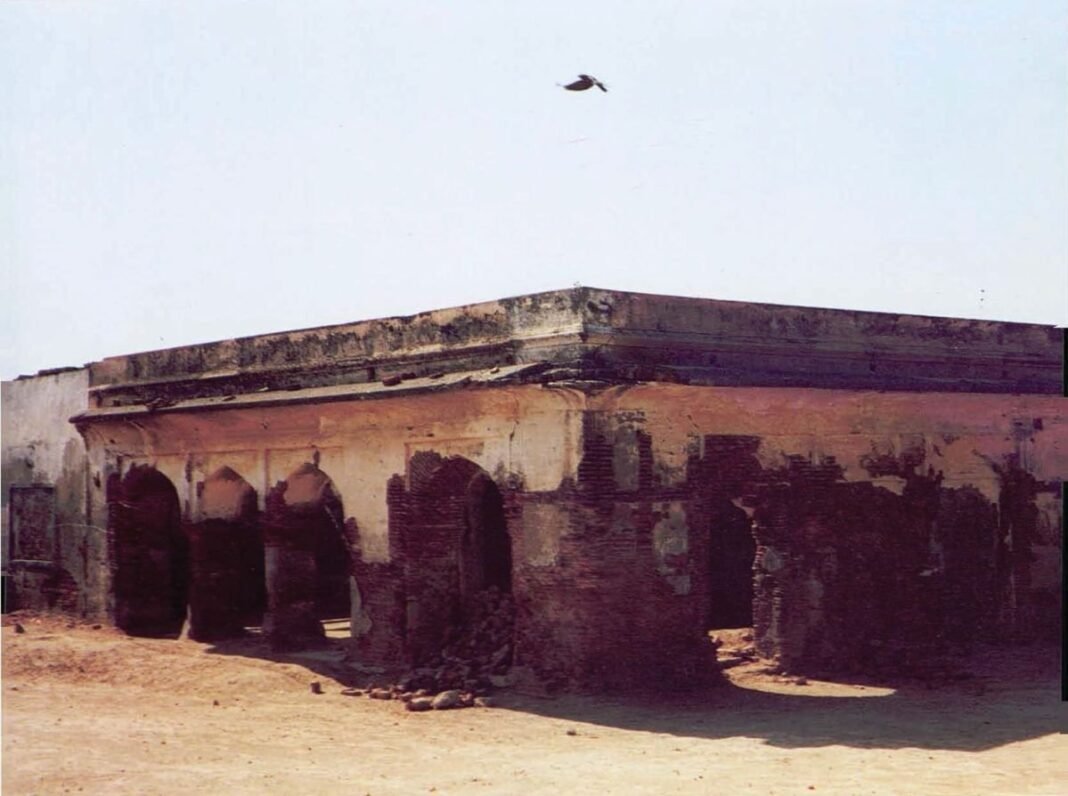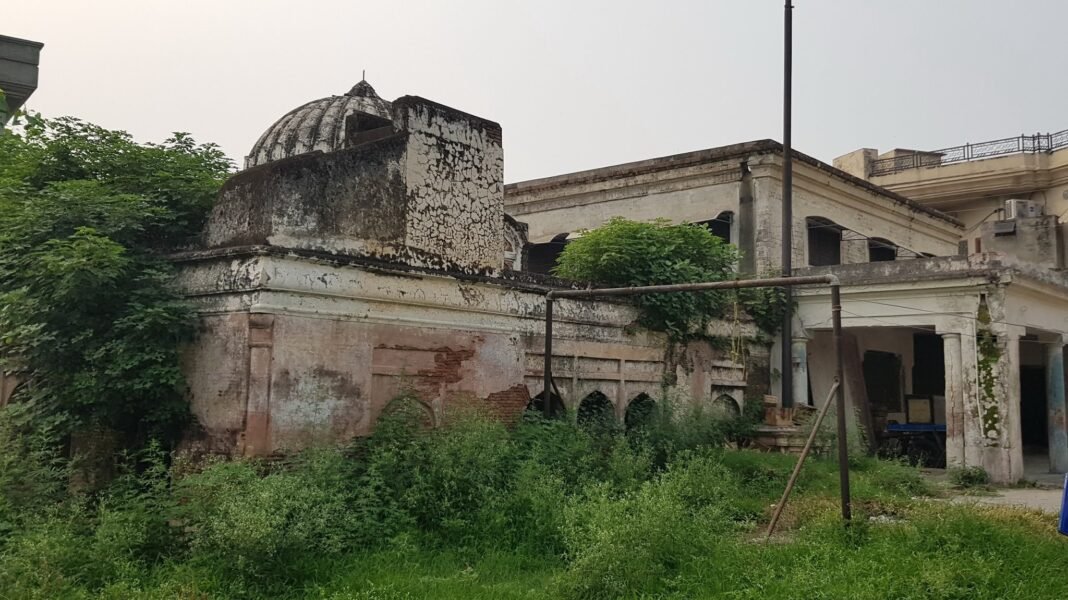
Two hundred metres from the famous berry tree of Gurdwara Bair Sahib, Sialkot stands its quieter twin — Gurdwara Baoli Sahib. This is the shrine built over the house of Maula Karar, the man whose two slips of paper (“Life is bitter” and “Death is truth”) helped Guru Nanak save Sialkot from destruction. It is here, tradition says, that the Guru composed one of his most searching hymns about false friendship. Today the shrine is half-hidden by the houses that have grown up around it and serves as a school for the blind — a humble, poignant place that rewards the traveler who seeks out the stories other tourists miss.
Quick Facts
- Location: Sialkot city, Punjab, Pakistan — about 200 metres from Gurdwara Bair Sahib (Baba Bair)
- Famous For: The site of Maula Karar’s house; where Guru Nanak composed the shabad on false friendship; the tank built by Bhai Natha Singh
- Nearest City: Sialkot city center, minutes away; Lahore around 130 km south
- Accessibility: Easy road access; combine with Gurdwara Bair Sahib in a single short walk
- Known Landmarks: The shrine building (now a school for the blind), the historic tank, the surrounding old-city lanes
- Best For: Sikh heritage pilgrims, history lovers, and travelers who have already seen Bair Sahib and want the full story
Why Visit Gurdwara Baoli Sahib, Sialkot
Every great story has a second chapter, and this is Sialkot’s. You know the first chapter from Gurdwara Bair Sahib: Guru Nanak under the berry tree, the furious saint Hamza Ghaus, and Maula Karar — the follower of the Karar sect who took Bhai Mardana’s two paisas and wrote the two fateful slips, “Life is bitter” and “Death is truth”, that persuaded the saint to spare the city. Maula Karar stayed with the Guru for a time afterward. And then came the episode this shrine commemorates.
According to the Guru’s biographies, Guru Nanak once went to fetch Maula Karar. Afraid to meet the Guru — and pressed by his wife — Karar hid himself in the dark inner part of his house, and his wife told the Guru he was not at home. The Guru left. A little later, it was learned that Maula Karar had died of a snake bite in that very darkness. It was here, on the ground where Karar’s house stood, that Guru Nanak composed the shabad: “False is friendship with the false and greedy. False is its foundation. O Mullah, no one knows where death shall strike.” A shrine was raised over the site, and a baoli — a stepped well and tank — was built beside it by Bhai Natha Singh.
That is the first reason to come: the story is extraordinary, and almost nobody knows it. While tour groups photograph the berry tree, this shrine — the moral epilogue of the same tale — sits quietly two hundred metres away, half-hidden by houses. Visiting both gives you the complete Sialkot narrative of Guru Nanak in a single morning walk, and the contrast between the two sites is itself moving: one tree still standing in the open, one shrine nearly swallowed by the city.
The second reason is what the place has become. The beautifully built gurdwara is presently used as a school for the blind, maintained with the same devotion Bhai Natha Singh once lavished on it. There is something profoundly fitting about a shrine commemorating a lesson in seeing truth clearly now serving children who cannot see — and visitors consistently describe the atmosphere as gentle and welcoming. Come with respect, ask before entering, and you will be received kindly.
History of Gurdwara Baoli Sahib, Sialkot
The history of this shrine is inseparable from the Sialkot episode of Guru Nanak’s travels in the early 1500s. When the Guru reached Sialkot (tradition dates the visit to 1517), the city lived under the threat of the Sufi saint Hamza Ghaus, who had vowed to destroy it within forty days of meditation after a devotee broke a promise to him. Guru Nanak camped under a bair tree near the saint’s meditation spot and argued the city should not suffer for one man’s fault. To settle the question of truth and falsehood, he sent Bhai Mardana to the bazaar with two paisas to buy “truth” and “falsehood”. A Karar named Maula took the coins and wrote two slips — “Life is bitter”, “Death is truth” — which the Guru placed before Hamza Ghaus. Reading them, the saint pardoned Sialkot.
Maula Karar remained with Guru Nanak for some time during his travels. The biographies then record the fateful incident: when the Guru came to fetch him, Karar — afraid to face the Guru, at his wife’s insistence — hid in the dark portion of his house while his wife claimed he was not home. The Guru departed, and soon after, Karar was found dead of a snake bite in the darkness where he had hidden. On this ground the Guru uttered the shabad on false friendship: “False is friendship with the false and greedy. False is its foundation. O Mullah, no one knows where death shall strike.”
The shrine that rose over the site of Karar’s house was built and long maintained by Bhai Natha Singh — the same Shaheed Natha Singh who built the neighbouring Bair Sahib — with great love and affection. He constructed the gurdwara beautifully and built its tank (baoli) adjacent to it. A fair used to be held here on Basant Panchami, the spring festival, drawing devotees to the shrine. Like its twin, the gurdwara suffered in the turmoil that followed Partition and the Babri Masjid dispute era, and the land around it was gradually occupied by houses, hiding the shrine from view. The tank built by Natha Singh is still present, though heritage surveys note it is gradually diminishing. Today the building serves as a school for the blind, and visitors are asked to be respectful of its current use.
Top Things to Do in Gurdwara Baoli Sahib, Sialkot
Walk from Bair Sahib — the 200-Metre Pilgrimage
Do not drive between the two shrines; walk. The two hundred metres from the berry tree to Maula Karar’s house-site is the most meaningful short walk in Sialkot’s Sikh heritage. You are tracing, on foot, the two halves of one story: the saving of the city, and the fate of the man whose honesty helped save it. Ask locals for directions — the shrine is hemmed in by houses and easy to miss, which makes finding it feel like a small triumph.
See the Shrine and Its Tank
The gurdwara building, raised by Bhai Natha Singh, is still standing and — unusually — still serving the community as a school for the blind. View it from outside first, then ask politely whether you may step inside; the staff are accustomed to respectful visitors. Beside the building lies the historic tank Natha Singh constructed. It survives, though diminished by encroachment, and seeing it is a reminder of how much of Punjab’s heritage hangs on by a thread — and why visiting matters.
Reflect on the Shabad
Guides and granthis at Sialkot’s gurdwaras can recount the full story of Maula Karar and the shabad Guru Nanak composed here. “False is friendship with the false and greedy” is one of the Guru’s most quoted moral teachings, and hearing it explained on the very ground where it was uttered gives it a weight no book can match. Take a quiet moment in the courtyard.
Explore the Old-City Lanes Around Both Shrines
The neighbourhoods around Bair Sahib and Baoli Sahib are old Sialkot at its most authentic — narrow lanes, small workshops, homes built cheek-by-jowl with history. A wander here, combined with the shrines, gives you a feel for the city Guru Nanak walked through five centuries ago. Morning is the best time, before the lanes fill.
Famous Places In and Around Gurdwara Baoli Sahib, Sialkot
- Gurdwara Bair Sahib, Sialkot — 200 metres away; the berry-tree shrine where the Sialkot story begins.
- Iqbal Manzil — birthplace of Allama Muhammad Iqbal, in the old city.
- Sialkot Fort — the historic fort at the city’s heart.
- Holy Trinity Cathedral — Sialkot’s striking colonial-era cathedral.
- Sialkot’s sports-goods and surgical-instrument bazaars — the city’s famous shopping streets.
How to Reach Gurdwara Baoli Sahib, Sialkot
You reach it exactly as you reach Bair Sahib — the two are a two-minute walk apart.
- From Lahore: Around 130 km via the M-11 motorway; 1.5 to 2 hours. Enter Sialkot’s old city and make for the Babey Beri / Baba Bair area.
- From Islamabad: Around 225 km via the M-2 and M-11 motorways; roughly 3 to 3.5 hours.
- From Karachi: Around 1,150 km by road — fly to Sialkot International Airport or Lahore instead.
- Nearest airport: Sialkot International Airport, a short drive from the old city.
- Transport options: Private car, intercity bus (Daewoo and others run Lahore–Sialkot frequently), and ride-hailing cars or rickshaws within the city. The final approach to both shrines is on foot through narrow residential lanes — ask for “Baba Bair” first, then walk 200 metres to Baoli Sahib.
Route Details
From Lahore, take the M-11 motorway northeast to Sialkot and head into the old city toward Babey Beri. Park on the main street near Gurdwara Bair Sahib — the shrine is tucked into a cluttered alleyway in the residential area, so leave the car and continue on foot. Visit the berry tree first, then ask any local for Gurdwara Baoli Sahib; it is about two hundred metres away, hidden among houses that have grown up around it. Because the building now houses a school for the blind, visit during school-friendly hours and ask permission before entering.
Where to Stay in Gurdwara Baoli Sahib, Sialkot
Stay in Sialkot city — the shrine itself has no accommodation, and the old-city lanes around it are residential. Mid-range business hotels around the city center and Cantonment area are the most comfortable option: clean, reasonably priced, and used to hosting the city’s trading visitors. Budget guesthouses cluster near the bus stands and railway station. Since both Sialkot gurdwaras can be covered in a single morning, many travelers base themselves in Lahore — with its full range of hotels from luxury to backpacker — and day-trip to Sialkot via the M-11 motorway.
Where to Eat: Local Foods of Gurdwara Baoli Sahib, Sialkot
Eat as you would for Bair Sahib — the two shrines share the same neighbourhood and the same food. Classic Punjabi fare rules here: nihari, paye and haleem for breakfast, tandoori rotis and naan fresh from the oven, thick lassi and doodh patti from the milk shops, and samosas, pakoras and jalebi from the bazaar stalls through the day. Dhabas near the old city serve filling, very budget-friendly meals. If langar is being served at either gurdwara during your visit, join it — the shared community meal is one of the most memorable parts of a Sikh heritage trip.
Weather in Gurdwara Baoli Sahib, Sialkot
Same city, same sky as Bair Sahib — Sialkot’s Punjab-plains climate means cold foggy winters, a lovely spring, a fierce summer with monsoon rains, and a mild autumn. Plan your shrine walk for the cool months.
| Season | Temperature Range | Conditions |
|---|---|---|
| Winter (Nov–Feb) | Around 4–20°C | Cold, foggy mornings; pleasant afternoons — best walking weather |
| Spring (Mar–Apr) | Around 15–30°C | Mild and clear; ideal for the old-city lanes |
| Summer (May–Jul) | Around 30–45°C | Very hot; monsoon downpours and humidity from July |
| Autumn (Sep–Oct) | Around 15–30°C | Mild and pleasant; good for unhurried exploring |
Language and Culture of Gurdwara Baoli Sahib, Sialkot
Punjabi is the language of these lanes, with Urdu working everywhere for visitors. The culture is warm, direct Punjabi hospitality with a strong crafts and trading tradition. Because the shrine building currently serves as a school for the blind, extra courtesy applies: visit quietly, ask before entering or photographing, and keep your voice down if classes are in session. Standard gurdwara etiquette holds — cover your head, remove shoes, dress modestly. The neighbourhood is conservative and residential; modest dress and polite greetings will make you welcome.
Shopping in Gurdwara Baoli Sahib, Sialkot
Combine the shrine walk with Sialkot’s famous shopping. The old-city bazaars around the gurdwaras sell sports goods — Sialkot manufactures footballs for the world — at remarkable prices, along with cricket equipment, leather goods, and surgical instruments from the city’s renowned workshops. Look for leather wallets and bags, embroidered khussas, and Punjabi handicrafts as souvenirs. There are no modern malls in the immediate old-city area; the bazaars are the experience. Bargaining is expected and friendly.
Local Events and Festivals
Historically, a fair was held at Gurdwara Baoli Sahib on Basant Panchami — the spring festival that falls in late January or early February — when devotees would gather at the shrine. While the fair belongs to the shrine’s past rather than its present, Basant season remains a lovely time to visit Sialkot: the weather is at its best, the skies are clear, and the old city feels festive. Sikh pilgrim groups also tend to visit Sialkot’s gurdwaras in the cooler months around Guru Nanak’s Gurpurab in November, when the shrines are at their liveliest.
Travel Tips for Gurdwara Baoli Sahib, Sialkot
Packing Essentials
A headscarf for the shrine, easy slip-off shoes, modest clothing, and — depending on season — either a warm jacket for foggy winter mornings or sunscreen, a hat and water for summer. A phone camera is enough; the lanes are photogenic.
Safety Tips
The area is a dense residential neighbourhood — visit in daylight, keep valuables discreet in the narrow lanes, and be extra considerate because the building is an operating school. Sialkot is generally safe for visitors.
Money & Connectivity
ATMs are easy to find in the city center and Cantt; carry cash for the old-city bazaars. All major mobile networks (Jazz, Telenor, Zong, Ufone) cover Sialkot well with 4G data.
Best Time to Visit Gurdwara Baoli Sahib, Sialkot
Winter (November to February)
The best season — cool, pleasant days for walking between the two shrines, atmospheric foggy mornings, and the liveliest atmosphere at Sialkot’s gurdwaras.
Spring (March to April)
Mild and clear; the historic Basant fair season. Excellent for combining both shrines with a walking tour of old Sialkot.
Summer (May to August)
Hot and best avoided; if you must come, visit early in the morning and rest through the midday heat.
Autumn (September to October)
A pleasant shoulder season with clear air and thin crowds — ideal for a quiet, reflective visit.
Final Thoughts
Gurdwara Baoli Sahib, Sialkot, is the second half of one of the great stories of Guru Nanak’s travels — and it is hiding in plain sight, two hundred metres from its famous twin, serving quietly as a school for the blind. Seek it out. Stand where Maula Karar’s house stood, hear the story of the two slips of paper and the shabad they inspired, and you will leave Sialkot understanding the Guru’s visit here more deeply than any single shrine could teach you.
Pair it with Gurdwara Bair Sahib, Sialkot in one morning, add the old bazaars and Iqbal Manzil, and you have a perfect Sialkot day. For more Sikh heritage journeys, explore our Explore Pakistan collection, including our Ali Baig Gurdwara travel guide.
FAQs
Where is Gurdwara Baoli Sahib, Sialkot?
In Sialkot’s old city, about 200 metres from Gurdwara Bair Sahib — ask for “Baba Bair” first, then walk to Baoli Sahib.
What is the story behind it?
It stands on the site of Maula Karar’s house — the man whose two slips (“Life is bitter”, “Death is truth”) helped Guru Nanak save Sialkot, and who later died of a snake bite hiding from the Guru. Guru Nanak composed his shabad on false friendship here.
Can I go inside?
The building now houses a school for the blind. View it respectfully from outside first and ask permission before entering.
What is the best time to visit?
November to February for the best weather; March–April is also excellent.
How do I reach it from Lahore?
About 130 km on the M-11 motorway (1.5–2 hours), then into Sialkot’s old city on foot for the last stretch.
Is it safe?
Yes — Sialkot is generally safe for visitors. Visit the old-city lanes in daylight and keep valuables secure.
Where can I stay?
Mid-range hotels in Sialkot’s city center and Cantt, budget guesthouses near the transport hubs, or day-trip from Lahore.
What food should I try nearby?
Classic Punjabi: nihari, paye, haleem, tandoori breads, lassi, and bazaar snacks — all very budget-friendly. Ask about langar at the gurdwaras too.