This Gurdwara Bhai Lalo Ji, Tatliali travel guide introduces one of the most remarkable Sikh shrines in Pakistani Punjab: a three-storey domed gurdwara raised in 1939 with money sent home by Sikh congregations in Africa, standing in the centre of a village on the road west of Kamoke. Inside you will find the story of the extraordinary 1939 building project, the legend of Bhai Lalo — Guru Nanak’s beloved disciple and the living symbol of honest labour — how to reach Tatliali from Lahore, Islamabad and Karachi, the best time to visit, where to stay and eat, and practical tips for visiting a shrine that today houses a government primary school.
Quick Facts
- Location: Centre of Tatliali village, on the road going westward from Kamoke, district Gujranwala, Punjab, Pakistan
- Altitude: Around 230 metres above sea level (Punjab plain)
- Famous For: A three-storey domed gurdwara built in 1939 AD through the efforts of Bhai Lal Singh Ji, funded by Sikh sangats settled in Africa; named after Bhai Lalo, the famous disciple of Guru Nanak
- Nearest City: Kamoke (nearest town, east on the GT Road); Gujranwala city, about 25–30 km west
- Accessibility: On a metalled village road west of Kamoke, reachable by car, van or local transport; the gurdwara currently houses a government primary school, so visit on a school day with permission
- Known Landmarks: The three-storey domed gurdwara building itself, the village centre square, the Kamoke–Tatliali road
- Best For: Sikh pilgrims and heritage travellers, students of Partition-era history, anyone tracing the story of the Sikh diaspora in Africa, off-the-beaten-path explorers of rural Punjab
Why Visit Gurdwara Bhai Lalo Ji, Tatliali
Some shrines are famous because a Guru stood on their ground. Gurdwara Bhai Lalo Ji in Tatliali is famous for something rarer: it tells the story of the Sikh diaspora itself. In 1939, while the shadow of the Second World War was falling across Europe, the Sikhs of a small Punjabi village raised a three-storey domed gurdwara in the centre of their home — and they did it with money sent by Sikh congregations settled thousands of miles away in Africa. Before Partition, before the mass migrations, the global Sikh community was already funding monuments back home. Tatliali is one of the finest surviving witnesses to that forgotten chapter of history.
Then there is the name on the building. Bhai Lalo is one of the most beloved figures in Sikh memory — the simple carpenter of Saidpur (today’s Eminabad) who won Guru Nanak’s heart by earning his bread through honest labour. The Guru’s famous lesson, “Kirat Karo” — earn by honest work — was taught through Bhai Lalo’s life. Villages across Punjab still carry his name with affection, and Tatliali’s gurdwara is one of the shrines that keeps his memory alive in the very land where he walked.
For the heritage traveller, Tatliali offers something the great famous gurdwaras cannot: intimacy and honesty. There are no ticket counters, no crowds, no souvenir shops. The building stands strong — a heritage survey found it structurally sound — though the absence of maintenance is beginning to show. A government primary school now works inside it, which means the shrine is alive in the most unexpected way: children learning their lessons in a hall raised by the generosity of Africa’s Sikhs. A visit here is a quiet, moving encounter with Punjab as it really is — layered, resilient, and full of stories the guidebooks missed.
Tatliali pairs beautifully with the great Eminabad shrines nearby — Gurdwara Khuhi Bhai Lalo and Gurdwara Rori Sahib, both tied to the same beloved saint — and with the food-famous cities of the Gujranwala belt. If you want a Punjab pilgrimage that goes beyond the obvious, put Tatliali on your route.
History of Gurdwara Bhai Lalo Ji, Tatliali
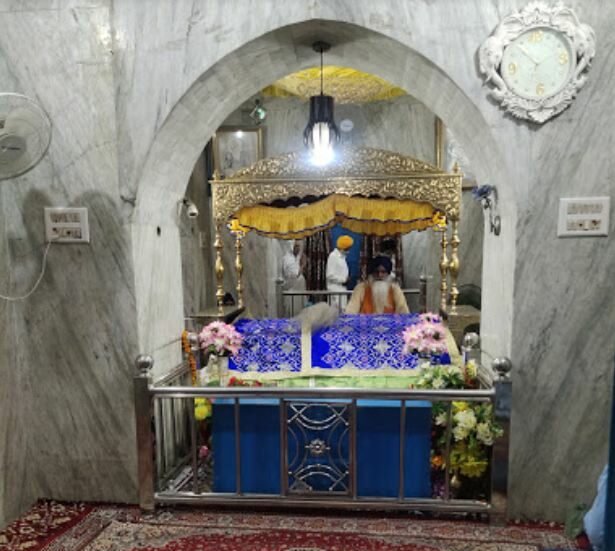
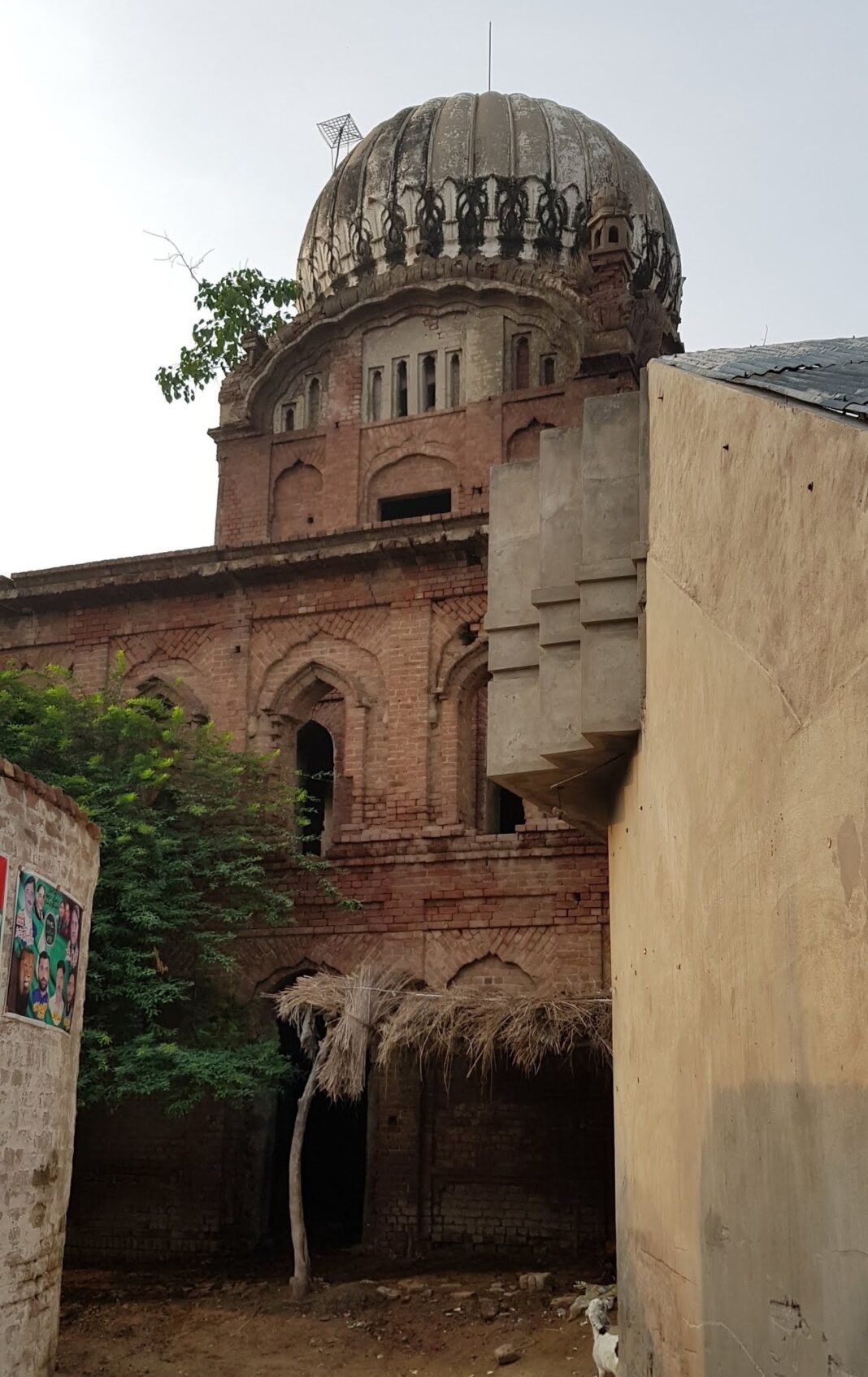
Gurdwara Bhai Lalo Ji stands in the centre of Tatliali village in Gujranwala district, on the road that runs westward from Kamoke. According to the historical record compiled by Iqbal Qaiser in Historical Sikh Shrines in Pakistan, the gurdwara was built in 1939 AD through the efforts of Bhai Lal Singh Ji and with the funds of Sikh sangats settled in Africa. The building is three storeys high and crowned with domes. At present a government primary school is housed in it; the building is strong, but in the absence of maintenance its condition is deteriorating.
The 1939 date is what makes Tatliali special. By the late 1930s, a significant Sikh diaspora had taken root in East Africa — in Kenya, Uganda and Tanganyika — where Punjabi migrants worked on the railways, in trade and in farming. These communities, though far from home, kept their ties to their native villages alive through exactly this kind of project: funding the construction and renovation of gurdwaras, schools and wells back in Punjab. Tatliali’s gurdwara is a monument to that transcontinental generosity — a building raised on African earnings in a Punjabi village, just eight years before Partition would change both communities forever.
The shrine is named after Bhai Lalo, one of the most revered of Guru Nanak’s early disciples. Bhai Lalo was born in 1452 in the village of Saidpur — the town now known as Eminabad, not far from Tatliali itself — into a carpenter family. His is the famous story of honest labour: Guru Nanak is said to have honoured Bhai Lalo’s simple bread, earned by the sweat of his brow, above the rich feasts of the wealthy. From Bhai Lalo’s life comes one of the central pillars of Sikh ethics, “Kirat Karo” — earn your living through honest work. In September 2026, the Shiromani Gurdwara Parbandhak Committee marked Bhai Lalo’s birth anniversary at the Golden Temple complex in Amritsar, a reminder that his legacy is very much alive in Sikh devotion today.
The Eminabad connection runs deep around Tatliali. Two of the great shrines of Bhai Lalo’s story stand in nearby Eminabad: Gurdwara Khuhi Bhai Lalo, which marks the house and the well (khuhi) belonging to Bhai Lalo where Guru Nanak first met him, and Gurdwara Rori Sahib, which marks the pebbled ground where Guru Nanak sat and prayed when the armies of Babur entered Punjab in 1521. The region around Tatliali is, in effect, the home ground of the Bhai Lalo story — and the Tatliali gurdwara, raised by the village’s own diaspora in 1939, belongs to that same sacred geography.
After Partition in 1947, the Sikh population of villages like Tatliali migrated east, and the gurdwara passed into the care of the Evacuee Trust Property Board along with thousands of other Sikh and Hindu properties. Rather than standing empty, the building found a second life as a government primary school — a fate it shares with many of Punjab’s old gurdwaras. The classrooms keep the building in daily use, which has helped preserve its strong structure, though heritage observers note that the domes and decorative work are suffering from the lack of dedicated maintenance. For the visitor, this means the shrine is best seen on a school day, with the permission of the school staff — a small courtesy that opens the door to one of rural Punjab’s most interesting buildings.
Top Things to Do in Gurdwara Bhai Lalo Ji, Tatliali
Stand Before the 1939 Domed Gurdwara
The building itself is the main attraction. Three storeys high and crowned with domes, it rises from the centre of Tatliali in the confident Sikh architectural style of the late 1930s — the last great phase of gurdwara building in undivided Punjab. Walk around it slowly and look up: the domes and the proportions of the facade tell you this was a community showing what it could achieve. The heritage survey that documented the shrine found the structure strong, a testament to the quality of its construction. Remember that every brick here was paid for by sangats in Africa — stand in the courtyard and picture the letters, the remittances, the pride that travelled from Nairobi or Kampala to this village square.
Meet the School, Respectfully
A government primary school works inside the gurdwara today, and the children and teachers are part of the building’s living story. Visit during school hours, introduce yourself politely to the staff, and ask permission before looking around or taking photographs. In our experience, a courteous request is warmly received — teachers are often proud to show visitors the old halls their classrooms occupy. This is not a museum; it is a working school, and your respect for that fact is the price of a memorable visit.
Walk Tatliali Village
Tatliali is a classic Punjabi village of the Gujranwala belt — wheat and rice fields, buffaloes, brick lanes, and the easy rhythm of rural life. A walk through the village around the gurdwara gives you the context the building belongs to: the agricultural prosperity that sent its sons abroad, the community spirit that brought their earnings home. Early morning or late afternoon is the best time, when the light is golden and the village is at its most active.
Trace Bhai Lalo’s Story to Eminabad
No visit to this region is complete without the short journey to Eminabad, the town where Bhai Lalo was born in 1452. There you can see Gurdwara Khuhi Bhai Lalo, marking the house and the well where Guru Nanak first met his beloved disciple, and the imposing Gurdwara Rori Sahib, built over the pebbled ground where the Guru sat in prayer during Babur’s invasion of 1521. Together with Tatliali, these shrines form a small pilgrimage circuit dedicated to one of Sikhism’s gentlest saints.
Photograph the Architecture
The domes of the Tatliali gurdwara photograph beautifully against the big Punjab sky, especially in the clear light of winter. The building’s height makes it a landmark visible from the surrounding lanes — frame it with the village rooftops for a shot that captures old Punjab in a single image. Always ask before photographing people, particularly schoolchildren.
Famous Places In and Around Gurdwara Bhai Lalo Ji, Tatliali
Eminabad — the historic town of Bhai Lalo’s birth, home to Gurdwara Khuhi Bhai Lalo and the grand Gurdwara Rori Sahib with its three-storey central building, large sarovar and exquisite ribbed lotus dome. Kamoke — the nearest GT Road town, a busy market centre and rice-trading hub. Gujranwala — about 25–30 km west, the famous “city of wrestlers” and one of Punjab’s great food cities, with its bustling bazaars and parks. Gurdwara Bhai Bannu, Mangat — the historic shrine of the first copy of the Adi Granth, reachable via the Mandi Bahauddin road network; see our Gurdwara Bhai Bannu, Mangat travel guide. Wazirabad — the historic cutlery town on the Chenab, a short drive north of Gujranwala.
How to Reach Gurdwara Bhai Lalo Ji, Tatliali
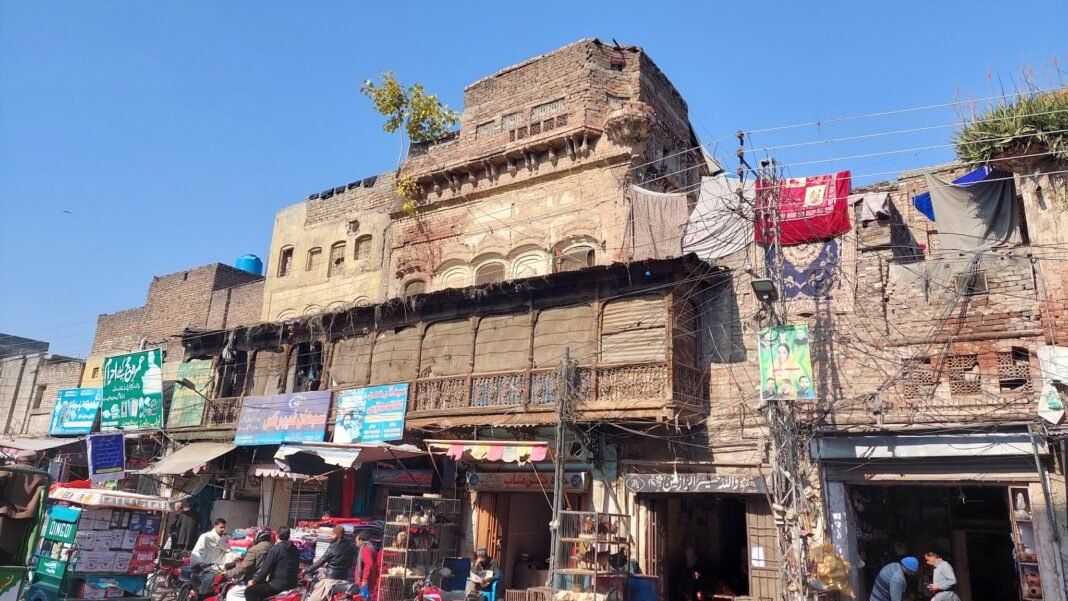
Tatliali lies just off the GT Road corridor, west of Kamoke, so the approach is simple: get to Kamoke first, then turn west onto the village road. The gurdwara stands in the centre of the village and is well known locally — any shopkeeper in Tatliali can point you to it.
From Lahore: About 90–100 kilometres via the GT Road (N-5) to Kamoke, then west to Tatliali — roughly 1.5 to 2 hours by car. This makes Tatliali an easy half-day trip from Lahore, ideally combined with Eminabad and Gujranwala.
From Islamabad: About 210–220 kilometres via the M-2 motorway to the Gujranwala/Kamoke belt and then local roads, roughly 3.5 to 4 hours. Many travellers combine Tatliali with a Gujranwala food stop and the Eminabad shrines in a single long day.
From Karachi: Over 1,200 kilometres — a full two-day drive. Flying to Lahore and driving onward is the sensible option.
Nearest airport: Allama Iqbal International Airport, Lahore (about 100 km). Rail: Kamoke and Gujranwala are both on the main Lahore–Rawalpindi railway line; from either station, hire a car or rickshaw for the short hop to Tatliali. Road conditions: The GT Road is a wide dual carriageway; the Kamoke–Tatliali village road is metalled but narrower. Winter fog in December and January can slow morning driving badly across this whole belt — plan midday travel in those months.
Route Details
From Lahore, take the GT Road (N-5) north past Shahdara and Muridke to Kamoke (about 80 km). At Kamoke, ask for the Tatliali road heading west — the village is a short drive away, and the domed gurdwara is visible in the village centre. From Gujranwala city, take the road east toward Kamoke and turn off for Tatliali before reaching the town. From Islamabad, the M-2 motorway brings you to the Gujranwala interchange; follow signs for Gujranwala, then Kamoke, then Tatliali. Keep the school’s working hours in mind: aim to arrive between 9 am and 2 pm on a weekday for the best chance of a warm welcome inside.
Where to Stay in Gurdwara Bhai Lalo Ji, Tatliali
Tatliali is a village, and there are no hotels in the village itself — plan to stay in Kamoke, Gujranwala or Lahore. Kamoke has simple budget guesthouses and roadside hotels used by GT Road travellers; they are basic but adequate for a night. Gujranwala, 25–30 km away, offers a wider range: mid-range hotels and guesthouses cluster around the city centre and the GT Road, with comfortable air-conditioned rooms, restaurants and reliable parking. For the most comfortable base, stay in Lahore — the full range from budget guesthouses to five-star hotels — and visit Tatliali as a day trip; the drive is short enough to make this the easiest option. If you are combining the village with a wider Punjab gurdwara circuit, Gujranwala makes a practical overnight stop between Lahore and the northern shrines.
Where to Eat: Local Foods of Gurdwara Bhai Lalo Ji, Tatliali
You are in the Gujranwala belt, one of the great food regions of Punjab — and Gujranwala city, half an hour away, is famous across Pakistan as a city of hearty eaters. The signature of the region is desi ghee cooking: rich, generous, unapologetic. In the villages around Tatliali, expect makki di roti with sarson da saag in winter, fresh white butter, lassi served in tall glasses, and dal with tarka. In Kamoke’s bazaar you will find the usual Punjabi street food — samosas, pakoras, fresh tandoori naan, and seasonal fruit.
For a serious meal, drive into Gujranwala: the city is celebrated for its barbecue, its chanay (chickpea curry) breakfasts, and its sweet shops. A full traditional meal in a local restaurant is budget-friendly by any standard — hearty Punjabi food rarely strains the wallet. Carry drinking water, and in the village itself there are small shops for tea and snacks but no restaurants to speak of, so time your meals around Kamoke or Gujranwala.
Weather in Gurdwara Bhai Lalo Ji, Tatliali
Tatliali sits on the Punjab plain at around 230 metres, so its weather follows the classic central-Punjab pattern: pleasant winters, a brief glorious spring, a long punishing summer, and a humid monsoon. November to March is the comfortable window — exactly when the light is best for photography and the village lanes are most walkable.
| Season | Temperature Range | Conditions |
|---|---|---|
| Winter (Dec–Feb) | 5°C to 20°C | Cool, often foggy mornings (especially December–January); crisp sunny afternoons ideal for sightseeing |
| Spring (Mar–Apr) | 15°C to 32°C | Pleasant and green; wheat harvest season; comfortable for village walks |
| Summer (May–Jul) | 30°C to 45°C | Intensely hot, particularly June; avoid midday outdoor visits |
| Autumn (Aug–Nov) | 20°C to 38°C | Monsoon humidity easing from September; October–November pleasant with clear skies |
Language and Culture of Gurdwara Bhai Lalo Ji, Tatliali
Punjabi is the mother tongue here — the Majhi dialect of central Punjab — with Urdu widely understood and used in the school. You will hear the warm, direct Punjabi of the Gujranwala belt, famous for its hospitality and its humour. A few words of Punjabi greeting go a long way in the village.
This is a gurdwara, so the etiquette of Sikh shrines applies: cover your head (a scarf or handkerchief; the school staff can usually lend one), remove your shoes before entering the prayer areas, dress modestly, and do not bring tobacco, alcohol or meat onto the premises. Sit on the floor if a congregation is in session. Because the building is a working school, add one more courtesy: keep your voice down in the corridors during lessons, ask before photographing, and let the teachers guide you. The village is conservative and welcoming in equal measure — modest dress and a friendly manner will make you a guest, not a stranger.
Shopping in Gurdwara Bhai Lalo Ji, Tatliali
Tatliali itself has only village shops for daily needs, so do your shopping in Kamoke or Gujranwala. Kamoke’s bazaar is a typical GT Road market town affair — cloth, crockery, farm tools, and fresh produce. Gujranwala’s markets are far richer: the city’s bazaars are famous for stainless steel and cutlery (the region is a manufacturing hub), ceramics, and excellent sweet shops where you can buy fresh barfi, pateesa and desi-ghee laddoos for the road. For souvenirs with a Sikh heritage flavour, Lahore’s bazaars — an easy drive away — offer books on Sikh history and Punjabi crafts. There are no shopping malls in or near Tatliali, and you should not expect any; this is a trip for the shrine and the countryside, not for retail.
Travel Tips for Gurdwara Bhai Lalo Ji, Tatliali
Packing Essentials
A headscarf or large handkerchief for the gurdwara (essential), comfortable walking shoes for village lanes, sun protection and a water bottle for the warmer months, and a warm layer for winter mornings when fog and chill combine. Carry small change for tea and snacks in the village, and keep your camera ready — the domes against a winter sky are worth it.
Safety Tips
The Gujranwala–Kamoke belt is settled, populated and generally safe for daytime travel. The main risks are on the road: winter fog on the GT Road (December–January) is genuinely dangerous — never drive fast in it, use fog lights, and consider delaying travel until it lifts. In the village, standard common sense applies; the community is hospitable to respectful visitors. If you are a foreign visitor, the usual Punjab guidance holds: keep your documents handy and let your hotel know your plans.
Money & Connectivity
There are no ATMs in Tatliali village itself — withdraw cash in Kamoke or Gujranwala before heading in. Mobile signals from all major networks (Jazz, Telenor, Zong, Ufone) are generally good across this well-populated belt, and 4G data works in and around the village. Small shops accept cash only.
Best Time to Visit Gurdwara Bhai Lalo Ji, Tatliali
Winter (November to March) — the ideal season
This is when Tatliali is at its best: cool days, clear light, green wheat in the fields, and comfortable walking weather. The gurdwara’s domes look their finest against a crisp winter sky. December and January bring foggy mornings, so plan your arrival for late morning. The school is in session, which is exactly what you want for access.
Spring (March to April) — pleasant and green
Short but lovely: mild temperatures, the wheat harvest in progress, and the countryside at its most alive. A fine second choice for the trip, especially combined with Eminabad.
Summer (May to July) — avoid if you can
Central Punjab’s summer is brutal, with temperatures pushing past 40°C. The school is on summer break, which also makes interior access harder. If you must come, go at dawn and leave by late morning.
Autumn (August to October) — the shoulder season
Monsoon humidity lingers through August, but October brings relief: clear skies, moderate heat, and the fields turning golden. A good time for photography once the rains have passed.
Final Thoughts
Gurdwara Bhai Lalo Ji, Tatliali, will never be the most famous shrine in Punjab — and that is precisely its charm. It is a monument to a story the history books largely skipped: the Sikh villagers who carried their homeland in their hearts to Africa and sent their earnings back to raise domes over their village. In an age of mass tourism, Tatliali offers something increasingly rare — a genuine encounter with a place, its past, and its people, with no performance attached.
Come in winter, come with respect for the school that keeps the building alive, and combine the visit with Eminabad’s great shrines of Bhai Lalo’s story. You will leave with photographs of domes against a wide sky — and with a deeper understanding of how far a village’s love can travel, and what it can build when it comes home. For more inspiration across the province, browse our Explore Pakistan collection.
FAQs
Where is Gurdwara Bhai Lalo Ji, Tatliali located?
In the centre of Tatliali village, on the road going westward from Kamoke in district Gujranwala, Punjab, Pakistan.
When was the gurdwara built?
In 1939 AD, through the efforts of Bhai Lal Singh Ji and with funds from Sikh sangats settled in Africa.
Who was Bhai Lalo?
A beloved early disciple of Guru Nanak, born in 1452 in Saidpur (now Eminabad), famous for his honest labour — the living example of the Sikh principle “Kirat Karo” (earn by honest work).
What is the best time to visit?
November to March, when the weather is cool and the school housed in the building is in session.
How do I reach Tatliali from Lahore?
Drive the GT Road (N-5) north to Kamoke (about 80 km), then turn west onto the Tatliali village road — roughly 1.5 to 2 hours in total.
Can I go inside the gurdwara?
A government primary school works in the building, so visit on a school day, introduce yourself politely to the staff, and ask permission before looking around or photographing.
Is it suitable for families?
Yes — it is a safe, easy village visit, ideal as a half-day family outing from Lahore combined with Eminabad.
What should I eat nearby?
The Gujranwala belt is famous for desi-ghee Punjabi food — in Gujranwala city try the barbecue, chanay breakfasts and sweet shops; in the villages, fresh lassi, makki di roti and sarson da saag in winter.