This Gurdwara Bhai Mani Singh, Rawalpindi travel guide introduces one of the old city’s most storied Sikh shrines: a double-storey darbar in the Sarrafa Bazaar, built in memory of Bhai Mani Singh — the scholar, warrior and martyr whose name is remembered in the daily Sikh prayer. Inside you will find the moving story of Bhai Mani Singh’s life and martyrdom in 1738, what the shrine looks like today as a working government school, how to reach it from Islamabad, Lahore and Karachi, the best time to visit, where to stay and eat in Rawalpindi, and how to combine it with the city’s other historic gurdwaras.
Quick Facts
- Location: Sarrafa Bazaar, Rawalpindi, Punjab, Pakistan — at the junction of Jamia Masjid Road and Hamilton Road
- Altitude: Around 500 metres above sea level
- Famous For: A double-storey darbar built in memory of Bhai Mani Singh (1644–1738), the great Sikh scholar and martyr; its langar khana and residential rooms beside the Prakashasthan
- Nearest City: Rawalpindi itself; Islamabad is about 20–25 km away
- Accessibility: In the old city’s Sarrafa Bazaar, best reached on foot through the bazaar lanes; a government school functions in the building, so interior access is limited — plan to view it from outside
- Known Landmarks: The double-storey darbar building, the adjoining langar hall and residential quarters, the bustling Sarrafa (jewellers’) Bazaar around it
- Best For: Sikh pilgrims and heritage travellers, students of Sikh history, photographers of old-city architecture, anyone exploring Rawalpindi’s pluralistic past
Why Visit Gurdwara Bhai Mani Singh, Rawalpindi
Every practising Sikh in the world speaks the name of Bhai Mani Singh every single day. In the Ardas — the daily prayer of supplication — the faithful remember the martyrs “cut joint by joint” (bandi bandi katte), and first among them in many tellings is Bhai Mani Singh: the scholar who scribed the scriptures, the warrior who stood beside the Gurus, and the leader who steered the Sikh community through its darkest years. In the heart of Rawalpindi’s old city, in the glittering lanes of the Sarrafa Bazaar, a double-storey darbar keeps his memory in the very cityscape of Pakistani Punjab.
This is not a polished pilgrimage complex. The building — described by heritage surveys as beautiful and strong — has lived many lives: darbar, langar hall, residence, and, since 1947, a government school. Dozens of families live in and around it now, and casual visitors are seldom admitted inside. What you come for is something subtler and, in its way, more powerful: the sight of Sikh heritage woven into the living fabric of a Muslim-majority old city, where the jewellers of Sarrafa Bazaar ply their trade in the shadow of a martyr’s memorial.
Rawalpindi rewards the patient explorer. The gurdwara sits within walking distance of the Raja Bazaar’s great Gurdwara Singh Sabha, of old mosques and temples that survived Partition together, and of some of the best street food in the Potohar region. For the heritage traveller based in Islamabad — just half an hour away — this is the easiest meaningful Sikh-heritage excursion in the region: a morning in the old bazaars, an afternoon at the shrine’s doorstep, and an evening among the food streets. Come in the cool months, come with respect for the school and the families who live here, and come ready to look closely — Rawalpindi’s history is written in its walls for those who slow down.
History of Gurdwara Bhai Mani Singh, Rawalpindi
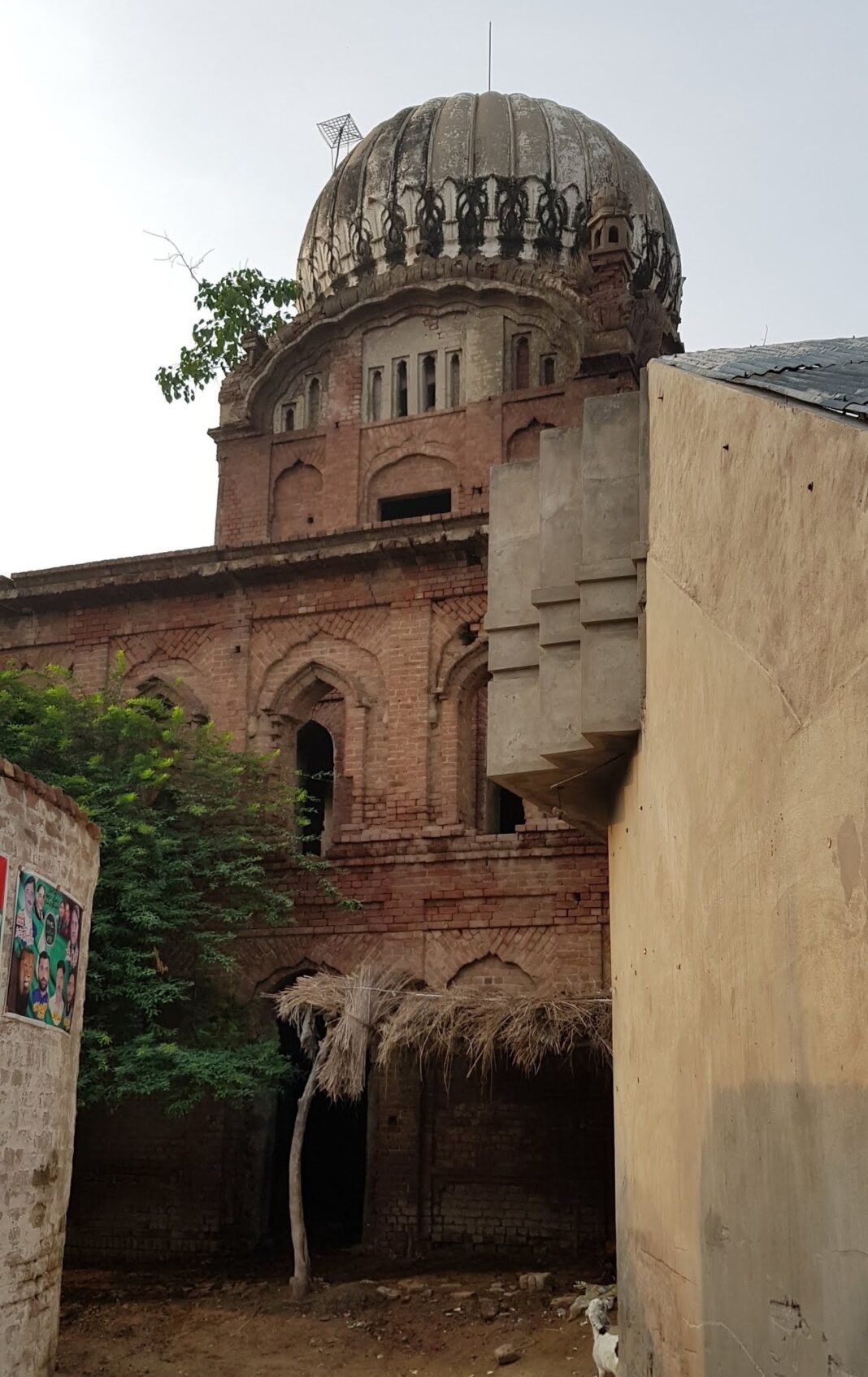
The sacred darbar stands in the Sarrafa Bazaar of Rawalpindi, at the junction of Jamia Masjid Road and Hamilton Road. It was constructed in memory of Bhai Mani Singh as a double-storey building — beautiful and strong, in the words of the heritage surveys — with the langar khana (community kitchen) and residential rooms set beside the Prakashasthan, the sanctum where the scripture was enthroned. Like many of Rawalpindi’s gurdwaras, it passed into new hands after 1947, and a government school has functioned in the building ever since the Sikh community’s departure. A 2025 academic survey of Rawalpindi’s gurdwaras lists Gurdwara Bhai Mani Singh among the city’s shrines now serving as a government school.
The man the shrine honours is one of the towering figures of Sikh history. Bhai Mani Singh was born in 1644 in Multan and grew up as a childhood companion of Guru Gobind Singh, the tenth Sikh Guru. A scholar and a warrior in equal measure, he served several Gurus and devoted his life to the Sikh community — copying and preserving the scriptures, leading the congregation, and holding the panth together when Mughal persecution made open Sikh life nearly impossible. In the 1720s, when the Mughals ruled Punjab and a price stood on the head of every Sikh, Bhai Mani Singh steered the community’s destiny through one of the most critical passages in its history.
His end was as extraordinary as his life. In 1738, during the governorship of Zakaria Khan in Lahore, Bhai Mani Singh was captured and executed for refusing to renounce his faith. The manner of his martyrdom — dismemberment joint by joint — became one of the most searing images in Sikh memory, and it is recalled to this day in the daily Ardas, when Sikhs remember those who were “cut limb from limb” for the faith. Few martyrdoms in any tradition are commemorated so literally, so daily, and so universally.
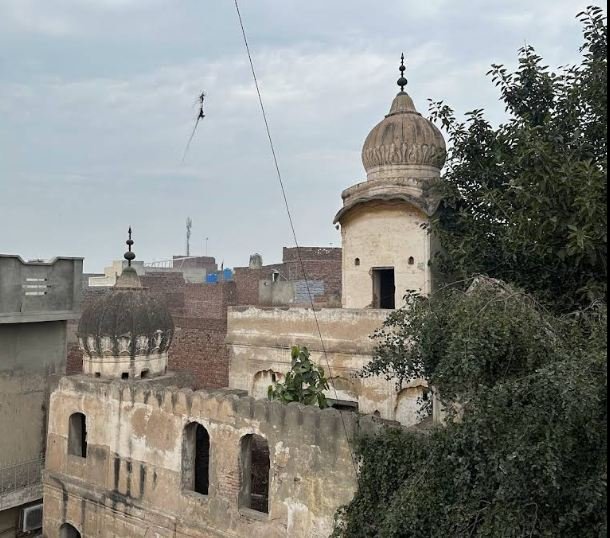
The Rawalpindi gurdwara was most likely raised in his memory in the early twentieth century, when the city’s prosperous Sikh community was building and embellishing its shrines — the same era that produced the great Gurdwara Singh Sabha of Raja Bazaar (built in 1930 by the Guru Singh Sabha, according to a stone plaque documented by historians). After Partition, the shrine shared the fate of its sister gurdwaras: the congregation gone, the building repurposed. Today the double-storey darbar stands amid the jewellery shops of Sarrafa Bazaar, its langar hall and residential rooms occupied, its structure weathering the years. Heritage observers describe it as being in a state of disrepair — a quiet monument in a busy bazaar, waiting for the recognition its namesake deserves.
Top Things to Do in Gurdwara Bhai Mani Singh, Rawalpindi
See the Darbar from Sarrafa Bazaar
The most important thing to do here is simply to stand before the building and take it in. The double-storey darbar rises from the jewellers’ lanes of Sarrafa Bazaar — look for the proportions and massing of a Sikh shrine amid the shopfronts. Because a government school functions inside and families live in the residential quarters, you should not expect to walk in unannounced; the respectful approach is to view the exterior, and, if the moment is right, to ask politely whether a brief look inside is possible. A school-day morning is your best chance of finding someone to ask.
Walk the Old City’s Shrine Trail
Gurdwara Bhai Mani Singh is one stop on a remarkable old-city trail. A short walk away in Raja Bazaar stands the great Gurdwara Singh Sabha — built in 1930, its stone plaque recording that it was raised in memory of Sardar Mol Singh and Channa Devi on land acquired for Rs 2,000 — now also serving as a boys’ school, with the Palki Sahib still placed in its main hall and Gurmukhi inscriptions on its stones. Nearby stand an old temple and mosque, a trio that journalists have called a living portrait of the city’s pluralistic past. Walk all three and you walk through Rawalpindi’s whole twentieth century.
Explore Sarrafa and Raja Bazaars
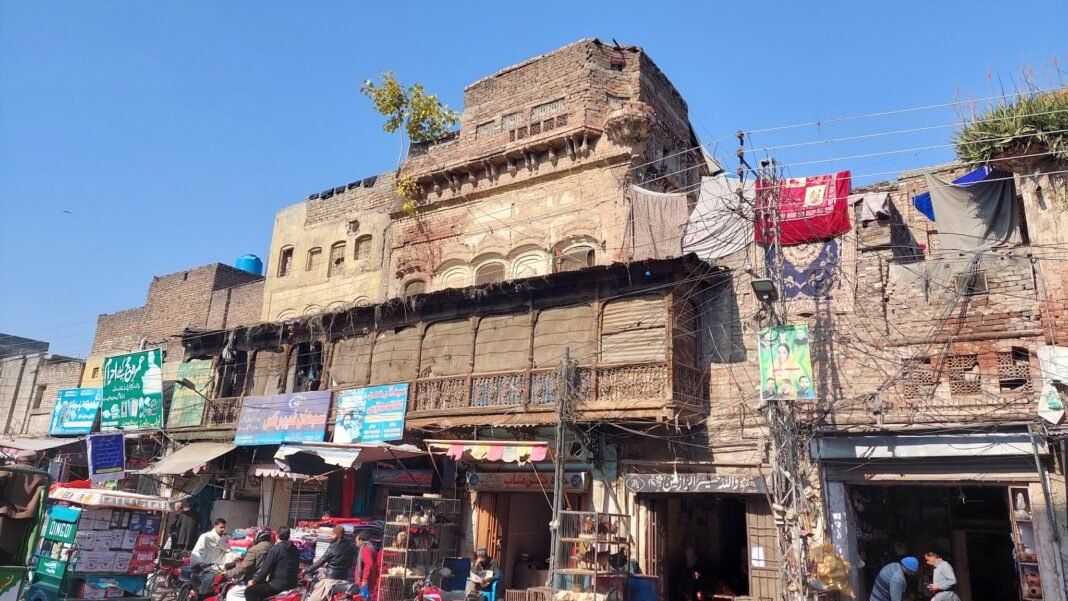
The bazaars around the gurdwara are attractions in their own right. Sarrafa Bazaar is the jewellery quarter — goldsmiths at work, glittering shopfronts, the commerce of weddings. Raja Bazaar is the old city’s great market: spices, cloth, crockery, street food, and the beautiful chaos of a Punjabi bazaar at full tilt. Go in the morning when the light slants through the lanes and the crowds are still thin.
Remember the Martyr
For Sikh visitors, this is a place of quiet remembrance. Bhai Mani Singh’s martyrdom in 1738 — and its daily commemoration in the Ardas — gives this unassuming building a weight far beyond its size. A moment of reflection here connects you to one of the deepest currents in Sikh devotion. Non-Sikh visitors will find the story equally moving: it is a universal story of conscience under persecution.
Photograph Old-City Architecture
The lanes around Jamia Masjid Road and Hamilton Road are rich in early-twentieth-century commercial architecture — carved wooden balconies, old signboards, the layered facades of the bazaar. The gurdwara’s double-storey mass makes a fine subject against the bazaar sky. Photograph the building respectfully from the street, and always ask before photographing people or attempting to enter.
Famous Places In and Around Gurdwara Bhai Mani Singh, Rawalpindi
Gurdwara Singh Sabha, Raja Bazaar — the great 1930 gurdwara of the old city, walking distance away, with its Gurmukhi stone inscriptions. Raja Bazaar — Rawalpindi’s historic market, one of the busiest bazaars in Punjab. Ayub National Park — the city’s big green lung with its lake and play areas; see our Ayub National Park, Rawalpindi travel guide. Liaquat Bagh — the historic public garden at the city’s heart. Gurdwara Bhai Bannu, Mangat — for a deeper Sikh-heritage journey, the shrine of the first copy of the Adi Granth; see our Gurdwara Bhai Bannu, Mangat travel guide.
How to Reach Gurdwara Bhai Mani Singh, Rawalpindi
The gurdwara is in the old city, deep in the bazaar quarter — which means the last stretch is best done on foot. Drive or ride to the edge of the old city (Saddar, Raja Bazaar or the Jamia Masjid Road area), park, and walk into Sarrafa Bazaar. Ask any shopkeeper for the gurdwara at the Sarrafa Bazaar — it is a known landmark of the quarter.
From Islamabad: Only about 20–25 kilometres via the Islamabad Expressway or Murree Road — 30 to 45 minutes by car, or a short ride on the metro bus to Saddar followed by a rickshaw into the old city. This is the easiest Sikh-heritage day trip from the capital.
From Lahore: About 290 kilometres via the M-2 motorway, roughly 4 to 4.5 hours by car. Take the Rawalpindi exit and follow signs for Saddar and Raja Bazaar.
From Karachi: About 1,400 kilometres — fly to Islamabad. From Islamabad International Airport it is roughly 35–40 km to Rawalpindi’s old city, about an hour by car.
Nearest airport: Islamabad International Airport (about 35–40 km). Rail: Rawalpindi railway station is one of Pakistan’s major stations, with connections across the country; the old city is a short rickshaw ride away. Road conditions: Motorway and city roads are excellent; the bazaar lanes themselves are narrow, congested and best navigated on foot. Avoid driving into the old city during Friday midday and evening rush hours.
Route Details
From Islamabad, take the Islamabad Expressway toward Rawalpindi and follow signs for Saddar. Park near Haider Road or in Saddar’s commercial area, then take a rickshaw or walk toward Raja Bazaar and Jamia Masjid Road. Sarrafa Bazaar branches off this quarter — ask for the jewellers’ market, and then for the gurdwara building at the junction with Hamilton Road. From Lahore via the M-2, exit at the Rawalpindi/Chakri interchange and follow the signs for Rawalpindi city, then Saddar. If you are combining the shrine with Raja Bazaar’s Gurdwara Singh Sabha, start at Raja Bazaar in the morning and walk across to Sarrafa Bazaar — the whole trail is comfortably walkable.
Where to Stay in Gurdwara Bhai Mani Singh, Rawalpindi
Rawalpindi offers the full range of accommodation, and the old city is well served. Budget travellers will find simple, clean guesthouses and small hotels in the Saddar and Raja Bazaar areas, within walking or rickshaw distance of the shrine — basic rooms, often with attached baths, at very reasonable rates. Mid-range hotels cluster along Murree Road and in Saddar, offering comfortable air-conditioned rooms, in-house restaurants and parking. At the top end, the well-known chain hotels on The Mall and in the cantonment area offer full-service luxury. Because Islamabad is only half an hour away, many visitors simply base themselves in the capital — with its wider choice of hotels — and visit Rawalpindi’s old city as a day trip. For a heritage-focused stay, a night in Saddar puts you closest to the bazaars and the morning light in the old lanes.
Where to Eat: Local Foods of Gurdwara Bhai Mani Singh, Rawalpindi
Rawalpindi is one of the great food cities of the Potohar plateau, and the old city around the gurdwara is where the locals eat. The signature flavours here are Potohari and Punjabi: rich, meaty, and generous. Around Raja Bazaar and Kartarpura you will find the famous food streets — seek out the traditional breakfast of halwa puri and chanay, the lunchtime crowds at the daal and kebab shops, and the evening barbecue smoke rising over the lanes. Rawalpindi’s chargha (whole fried chicken), mutton karahi and fresh tandoori naan are local legends.
For Sikh and Hindu vegetarian visitors, the old city’s dal, sabzi and lassi shops are plentiful and excellent — the Potohar’s famous lassi, served in tall steel glasses with a thick layer of malai, is unmissable. Sweet shops around the bazaars sell fresh jalebi, barfi and gulab jamun. A full meal at a local dhaba-style restaurant is very budget-friendly; even the better-known food-street restaurants remain reasonable by big-city standards. Note that the gurdwara’s own langar is not currently functioning as a public kitchen, so plan your meals in the bazaars.
Weather in Gurdwara Bhai Mani Singh, Rawalpindi
Rawalpindi sits at around 500 metres on the edge of the Potohar plateau, giving it slightly sharper seasons than the deep Punjab plain: cold, sometimes frosty winter nights, a pleasant spring and autumn, a fierce early summer, and a dramatic monsoon. October to April is the comfortable window — and the bazaar lanes are at their most walkable then.
| Season | Temperature Range | Conditions |
|---|---|---|
| Winter (Dec–Feb) | 3°C to 17°C | Cool to cold, frosty mornings possible; clear sunny days ideal for old-city walking |
| Spring (Mar–Apr) | 14°C to 30°C | Pleasant and blooming; the best season for unhurried bazaar exploration |
| Summer (May–Jul) | 28°C to 40°C | Very hot in May–June (highs past 38°C); monsoon rains arrive in July |
| Autumn (Aug–Nov) | 18°C to 35°C | Heavy monsoon downpours in July–August ease by September; October–November clear and pleasant |
Language and Culture of Gurdwara Bhai Mani Singh, Rawalpindi
Rawalpindi is a Potohari-Punjabi city: Potohari is the local tongue of the old city and surrounding villages, Punjabi is widely spoken, and Urdu is the lingua franca you will use in the bazaars. English is understood in hotels and better restaurants. The old city is conservative and deeply hospitable — a polite greeting and modest dress open every door.
As a Sikh shrine, the gurdwara calls for the usual courtesies: cover your head, remove your shoes before entering any prayer space, dress modestly, and keep tobacco, alcohol and meat off the premises. Here, add the courtesies of a lived-in building: it is a working school and people’s homes, not a tourist site. Keep your voice low, ask before photographing, accept a refusal gracefully, and remember that the families living in the residential quarters are not exhibits. A small, respectful visit does more for the cause of heritage than a demanding one.
Shopping in Gurdwara Bhai Mani Singh, Rawalpindi
You are standing in one of Punjab’s great shopping districts, so this section writes itself. Sarrafa Bazaar is the jewellery quarter — gold and silver, wedding sets, and craftsmen at work; buy from established shops and always take a proper receipt. Raja Bazaar, sprawling around it, sells everything: cloth and ready-made garments, spices, crockery, electronics, and the famous Kashmiri shawls and dry fruits of the old city’s traders. For books on Sikh history and Punjabi literature, the old bookshops of the city are worth an hour. Rawalpindi also has modern shopping malls on Murree Road and in the cantonment for those who want air-conditioned retail — but the soul of shopping here is the bazaar, and the bazaar is at your feet.
Travel Tips for Gurdwara Bhai Mani Singh, Rawalpindi
Packing Essentials
A headscarf or handkerchief for the gurdwara, comfortable walking shoes with good grip for the uneven bazaar lanes, a water bottle, sun protection for the warmer months, and a warm jacket for winter mornings. Keep valuables close in crowded bazaars, and carry small change for rickshaws and street food.
Safety Tips
Rawalpindi’s old city is busy and generally safe for daytime visitors, but the bazaars demand street-smarts: watch your pockets in crowds, agree rickshaw fares before riding, and avoid the most congested lanes during evening rush. The area around the shrine is a normal working neighbourhood — respectful behaviour earns respectful treatment. As with any old-city visit in Pakistan, keep your ID handy and let someone know your plans.
Money & Connectivity
ATMs are plentiful in Saddar and along Murree Road — withdraw before diving into the old bazaars, where cash is king. All major mobile networks (Jazz, Telenor, Zong, Ufone) have strong 4G coverage in Rawalpindi. Jewellery and larger bazaar purchases: insist on receipts, and for gold, buy only from reputable shops.
Best Time to Visit Gurdwara Bhai Mani Singh, Rawalpindi
Autumn to Spring (October to April) — the ideal season
This is Rawalpindi at its best: clear skies, comfortable temperatures, and bazaar lanes made for walking. October–November and February–April are the sweet spots — the monsoon has passed or not yet come, and the light is beautiful on the old facades.
Winter (December to February) — crisp and clear
Cold mornings, sometimes frosty, giving way to brilliant sunny afternoons. The old city is at its most atmospheric, with winter foods — hot lassi, fried snacks, steaming chai — at every corner. Bring a warm layer.
Summer (May to June) — avoid
Rawalpindi’s early summer is punishing, with highs passing 38°C. The bazaar lanes become furnaces by midday. If you must visit, go at dawn.
Monsoon (July to August) — dramatic but difficult
Heavy downpours transform the city — dramatic, but the old bazaar lanes flood and get slippery, and the humidity is oppressive. Heritage walking is best postponed to September.
Final Thoughts
Gurdwara Bhai Mani Singh will not give you the polished experience of a great pilgrimage centre. What it gives you is rarer: a direct encounter with the layered reality of Punjab’s religious heritage — a martyr’s memorial become a school, a shrine become a neighbourhood, memory persisting in brick while life flows around it. For anyone who wants to understand what Partition did to the sacred geography of Punjab, and what survived it, an hour in Sarrafa Bazaar teaches more than a shelf of books.
Come in the cool season, walk the old-city shrine trail from Raja Bazaar to Sarrafa, eat in the food streets, and carry the story of Bhai Mani Singh — scholar, warrior, martyr — home with you. It is a story worth the journey. For more journeys across the province, explore our Explore Pakistan collection.
FAQs
Where is Gurdwara Bhai Mani Singh located?
In the Sarrafa Bazaar of Rawalpindi, at the junction of Jamia Masjid Road and Hamilton Road, Punjab, Pakistan.
Who was Bhai Mani Singh?
A great Sikh scholar and warrior (1644–1738), childhood companion of Guru Gobind Singh, martyred in Lahore in 1738 under Zakaria Khan. His martyrdom — dismemberment joint by joint — is remembered daily in the Sikh Ardas prayer.
Can I go inside the gurdwara?
A government school functions in the building and families live in its quarters, so interior access is limited. View it respectfully from outside and ask politely on a school day if a brief look inside is possible.
What is the best time to visit?
October to April. Avoid May–June (extreme heat, highs past 38°C) and the July–August monsoon downpours.
How do I reach it from Islamabad?
Only 20–25 km via the Islamabad Expressway or Murree Road (30–45 minutes), then walk or rickshaw into the old city’s Sarrafa Bazaar.
Is it suitable for families?
Yes, as a daytime old-city outing — combine it with Raja Bazaar, the food streets and Ayub National Park for a full family day.
Where can I stay nearby?
Budget guesthouses in Saddar and Raja Bazaar, mid-range hotels along Murree Road, and full-service chain hotels in the cantonment — or base yourself in Islamabad, half an hour away.
What should I eat in the area?
The old city’s food streets: halwa puri and chanay for breakfast, kebabs and karahi for lunch and dinner, Potohari lassi with malai, and fresh jalebi from the bazaar sweet shops.