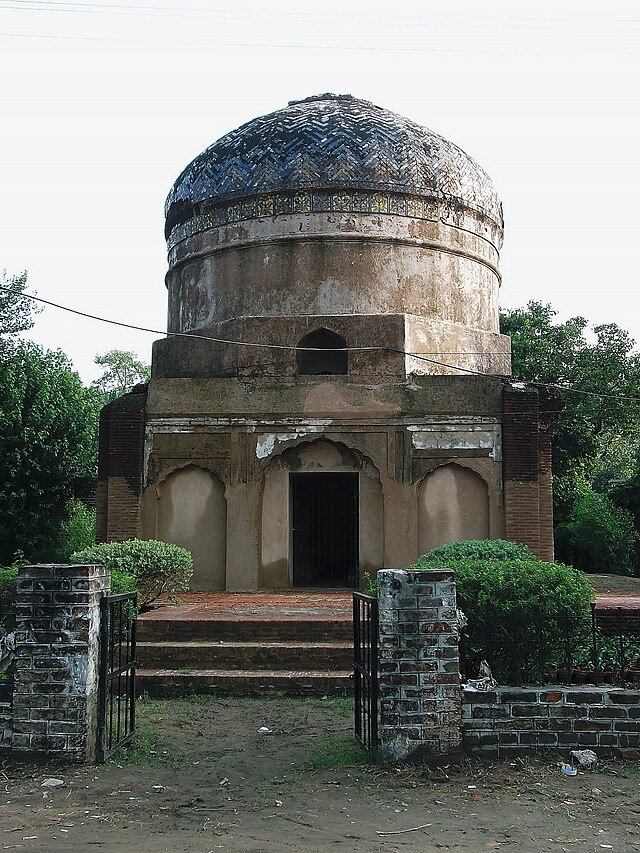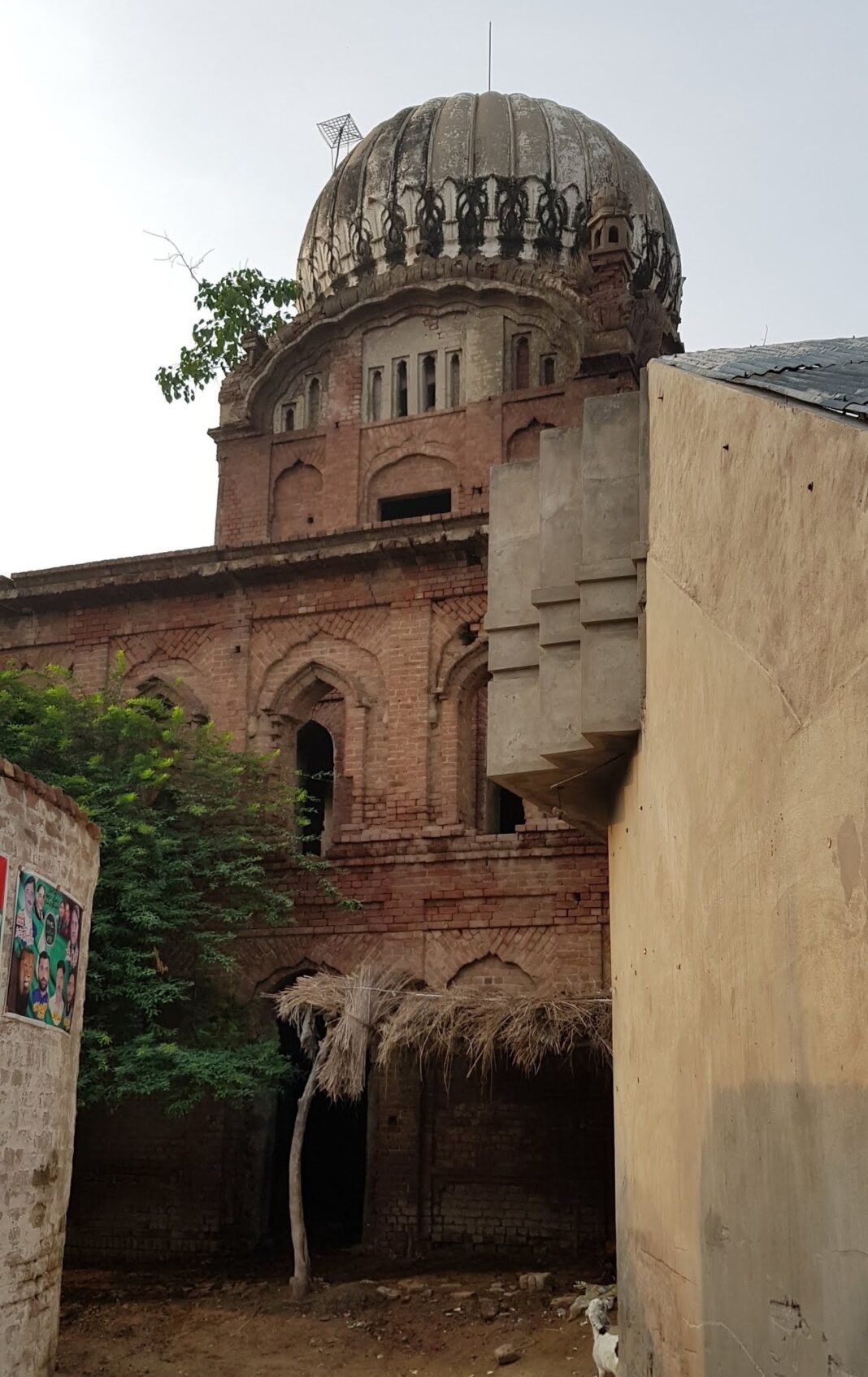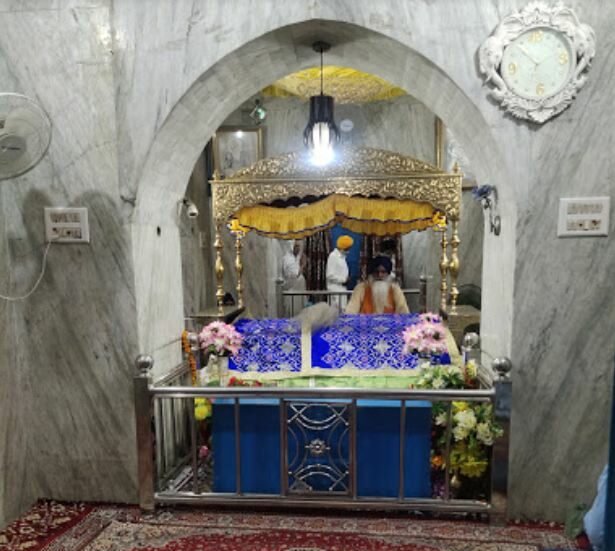
This Gurdwara Bhai Khan Chand, Jhang travel guide takes you into the old bazaars of Jhang-Magghiana to one of the best-known Sikh shrines of the region: a gurdwara that began as a small shrine and was rebuilt by the Government of Pakistan in 1953–54 into the large, striking building that still stands today. Inside you will find its history, what to see at the site, how to reach Jhang from Lahore, Islamabad, Karachi and Faisalabad, the best time to visit, where to stay and eat, and practical tips for a respectful heritage trip.
Quick Facts
- Location: Chambeli Bazaar, Jhang-Magghiana, Jhang city, Punjab, Pakistan
- Altitude: Around 150 metres above sea level (Sandal Bar plain)
- Famous For: One of the most recognised gurdwaras of the Jhang region; a very large building constructed by the Government of Pakistan in 1953–54, standing today as it was built; held by the Evacuee Trust Property Board
- Nearest City: Jhang itself; Faisalabad is about 80–90 kilometres east
- Accessibility: Inside Jhang city in a busy bazaar; easy by car, rickshaw or on foot from the city centre; some refugee families live in the building, so visit respectfully
- Known Landmarks: The big 1953–54 gurdwara building, Chambeli Bazaar, nearby Dharamsala Bhai Hema Ji, the tomb of Heer and Ranjha
- Best For: Sikh heritage travellers, lovers of old Punjab’s bazaar culture, and anyone exploring Jhang’s Sufi-and-Sikh layered history
Why Visit Gurdwara Bhai Khan Chand, Jhang
Jhang is a city most Pakistanis know for two things: the immortal love legend of Heer Ranjha, and the shrine of the great Sufi saint Sultan Bahoo. What fewer people know is that before 1947, Jhang-Magghiana was also a living Sikh city, with shrines, dharamsalas and fairs of its own — and the best-known of them stood in Chambeli Bazaar. Gurdwara Bhai Khan Chand is your doorway into that forgotten Jhang, and it is a doorway with an unusual story: this is a Sikh shrine that the Government of Pakistan itself rebuilt, in 1953–54, into the large building you see today.
That fact alone makes it worth the trip. Across Pakistan, most pre-partition gurdwaras survive as they were left in 1947 — some restored, many crumbling. Here, the state stepped in within a few years of Partition and raised a new, grand gurdwara over the old small shrine, and the building stands now in essentially the same condition as the day it was finished. It is a rare architectural time capsule: Pakistan’s own mid-century chapter of Sikh sacred architecture, neither colonial nor ancient, but a deliberate act of preservation by the new state.
The setting completes the experience. Chambeli Bazaar is a working Jhang bazaar — spice smells, cloth merchants, tea stalls — the kind of place where heritage is not fenced off but lived in. A short walk away stands the Dharamsala Bhai Hema Ji, the splendid three-storeyed pilgrims’ rest house built for the Guru Nanak birthday fair, and the wider city offers Heer’s tomb and the Chenab riverbank. Jhang rewards the traveller who likes their history unvarnished and their bazaars real.
Come in the cool months, walk the bazaar in the morning, see the great building from the street with respect for the families who live in it, and spend your afternoon with Heer and Ranjha. Few cities in Punjab pack Sufi, Sikh and folk legend into so small a compass.
History of Gurdwara Bhai Khan Chand, Jhang
The shrine began, like so many village and town gurdwaras of Punjab, as a small place of worship in the heart of Jhang-Magghiana’s Chambeli Bazaar — a well-known gurdwara of the area, serving the Sikh community of one of the Sandal Bar’s oldest cities. Jhang’s Sikhs were part of a plural urban fabric: Sikh, Muslim and Hindu traders worked the same bazaars, and the city’s spiritual life moved between the Sufi shrines, the gurdwaras and the folk shrines of the Heer Ranjha country.
Partition in 1947 emptied the shrine of its congregation, as Jhang’s Sikh families migrated east. But unlike most shrines, which were simply locked and left, Gurdwara Bhai Khan Chand received extraordinary attention: in 1953–54, the Government of Pakistan built a new, much larger gurdwara building on the site. Accounts of Sikh shrines in Pakistan record that the new building was very big, and that it stands today in the same condition as when it was built — a remarkable survival across seven decades.
Legal possession of the property vests in the Evacuee Trust Property Board (ETPB), the body that administers evacuee shrines across Pakistan. Over the years, some refugee families settled inside the building, as happened with many evacuee properties in the early decades after Partition. The shrine is therefore best appreciated today as a heritage building viewed from the bazaar and the street, with full respect for its current residents.
Jhang gives the shrine its deep context. This is the city of Heer — the tomb of Heer and Ranjha lies here, the anchor of Punjab’s greatest folk romance — and the home district of Sultan Bahoo, the 17th-century Sufi saint whose shrine at Garh Maharaja draws thousands. It is also the land of Ahmad Khan Kharal, the hero of the 1857 uprising in this region. The gurdwara of Bhai Khan Chand belongs to that same soil: one more faith’s monument in a district where Sufi shrines, Sikh shrines and folk legend have shared the landscape for centuries.
A companion site completes the picture: the Dharamsala Bhai Hema Ji in Bhabrana Mohalla, the large three-storeyed pilgrims’ rest house built by Bhai Hema Ji for the fair on Guru Nanak’s birthday, which the Government of Pakistan also had repaired in 1953–54. Together, the two buildings tell the story of Sikh Jhang — its worship and its hospitality — in a single afternoon’s walk.
Top Things to Do in Gurdwara Bhai Khan Chand, Jhang
See the Great 1953–54 Building
The essential experience is simply to stand in Chambeli Bazaar and take in the scale of the building: a very large gurdwara, raised by the Government of Pakistan in 1953–54, standing today as it was built. Look for the massing and proportions of mid-century public architecture applied to a Sikh shrine — this is not a Ranjit Singh-era darbar and not a colonial building, but Pakistan’s own early attempt at preserving Sikh heritage in brick and mortar. Because families live inside, admire it from the street and the bazaar; do not enter uninvited.
Walk Chambeli Bazaar
The shrine sits in one of Jhang-Magghiana’s famous bazaars, and the bazaar is half the visit. Walk it in the morning when the shutters are rolling up: cloth merchants, spice grinders, sweet shops, tea stalls. This is the commercial Jhang that the shrine’s original congregation knew — the bazaar has changed less than almost anything else in the city. Bargain politely, accept the tea you will inevitably be offered, and ask the older shopkeepers what they remember of the old Magghiana.
Visit the Dharamsala Bhai Hema Ji Nearby
A short distance away in Bhabrana Mohalla stands the splendid three-storeyed dharamsala built by Bhai Hema Ji for pilgrims of the Guru Nanak birthday fair — repaired by the Government of Pakistan in the same 1953–54 programme. The two sites belong together: the gurdwara for worship, the dharamsala for the pilgrims’ shelter and food. Seeing both gives you the complete picture of how Sikh religious life worked in this city.
Pay Respects at Heer’s Tomb
No visit to Jhang is complete without the tomb of Heer and Ranjha, Punjab’s most beloved folk shrine. It lies in the city and draws visitors of all backgrounds — a reminder that in Jhang, the sacred has always overflowed the boundaries of formal religion. Go in the late afternoon, when the light softens and the crowds thin.
Evening on the Chenab
The Chenab flows by Jhang, and its banks make a fine end to a heritage day. Watch the river slide past the Sandal Bar plain at sunset, and you will understand why this land produced both Sufi poetry and folk epic: the landscape itself invites it.
Famous Places In and Around Gurdwara Bhai Khan Chand, Jhang
Dharamsala Bhai Hema Ji — the three-storeyed pilgrims’ rest house in Bhabrana Mohalla, Jhang-Magghiana. Tomb of Heer and Ranjha — Jhang’s beloved folk shrine. Shrine of Sultan Bahoo — at Garh Maharaja, the great Sufi saint’s dargah, a short drive from the city. Chenab riverbank — for sunset over the Sandal Bar. Old Magghiana bazaars — the historic market streets around Chambeli Bazaar.
How to Reach Gurdwara Bhai Khan Chand, Jhang
Jhang sits in central Punjab on the routes between Lahore, Faisalabad and Multan, and the shrine is inside the city in Chambeli Bazaar, Jhang-Magghiana — any rickshaw driver in Jhang knows the bazaar. The city is a straightforward road journey from any of Punjab’s big cities.
From Lahore: Around 220–230 kilometres via the M-3 motorway toward Gojra/Faisalabad and then the Jhang road, roughly 4 to 4.5 hours by car. From Islamabad: Around 270–280 kilometres via the M-2 and connecting roads, roughly 4.5 to 5 hours. From Karachi: Around 1,050 kilometres via the motorway network — a long drive; most travellers fly to Faisalabad or Lahore and continue by road. From Faisalabad: Only about 80–90 kilometres, roughly 1.5 to 2 hours — Jhang is an easy day trip from Faisalabad.
Nearest airport: Faisalabad International Airport, about 90 km east; Lahore’s Allama Iqbal International Airport is the bigger gateway at around 230 km. Rail: Jhang Sadar railway station has rail connections; from the station take a rickshaw to Chambeli Bazaar in Magghiana. Road conditions: The motorways and the Faisalabad–Jhang road are in good condition; bazaar streets are narrow and best explored on foot. Winter fog (December–January) can slow early-morning driving.
Route Details
Step 1: Reach Jhang city by road from Lahore, Faisalabad or Multan (or by rail to Jhang Sadar). Step 2: Head for Jhang-Magghiana — the twin-town core of the city — and ask for Chambeli Bazaar. Step 3: Park at the bazaar edge and walk in; the big gurdwara building is unmistakable. Step 4: View the building respectfully from the street, then walk the bazaar. Step 5: Continue on foot or by rickshaw to Bhabrana Mohalla for the Dharamsala Bhai Hema Ji, and finish the day at Heer’s tomb.
Where to Stay in Gurdwara Bhai Khan Chand, Jhang
Jhang city has a solid range of budget and mid-range hotels serving traders, wedding parties and government travellers — clean, functional rooms, usually with air conditioning and attached baths, at very reasonable rates. The better options sit on the main city roads and near the bus stands; ask your driver for the current favourites, as the scene changes.
Travellers who want more polish often base themselves in Faisalabad, 80–90 km east, which has proper three- and four-star hotels — and do Jhang as a day trip. That works well: leave Faisalabad after breakfast, spend the day on the shrines, bazaars and Heer’s tomb, and be back for dinner. For a longer central-Punjab circuit (Jhang, the Sultan Bahoo shrine, Multan’s Sufi shrines), Multan’s hotels make a comfortable southern base.
Book ahead during wedding season (December–February) and on Eid holidays, when Jhang’s hotels fill with family visitors. On ordinary days, rooms are easy to find on arrival.
Where to Eat: Local Foods of Gurdwara Bhai Khan Chand, Jhang
Jhang eats the robust food of the Sandal Bar: wheat, desi ghee and dairy, cooked without fuss. In and around Chambeli Bazaar you will find dhabas serving tandoori rotis, dal, sabzi and — in winter — sarson da saag with makki di roti, the dish this whole region does best. The bazaar’s kebab and tikka shops do brisk business in the evenings, and the sweet shops sell fresh barfi, gulab jamun and jalebi.
Do as the locals do: breakfast on halwa puri or nihari with naan, lunch on karahi or daal fry with tandoori roti, and cool down with a tall glass of sweet or salted lassi — Jhang’s dairy country makes some of Punjab’s thickest. Roadside sugarcane juice in winter and fresh citrus in season are the classic Sandal Bar refreshments. Meals at local restaurants are budget-friendly; a generous dhaba dinner costs little. Keep to freshly cooked food and bottled or boiled water.
Weather in Gurdwara Bhai Khan Chand, Jhang
Jhang sits on the Sandal Bar plain between the Chenab and the Jhelum, and its weather is pure central Punjab: a foggy winter, a brief spring, a long furnace of a summer and a monsoon break. The shrine visit is a walking visit — bazaar lanes and street views — so the cool months from November to February are by far the most comfortable.
| Season | Temperature Range | Conditions |
|---|---|---|
| Winter (Dec–Feb) | 5–22°C | Cool and pleasant; dense morning fog in Dec–Jan |
| Spring (Mar–Apr) | 20–34°C | Warm and pleasant; wheat harvest in April |
| Summer (May–Jul) | 33–46°C | Very hot; bazaar walking only in early morning or evening |
| Autumn (Aug–Nov) | 26–38°C | Monsoon humidity Aug–Sep; clear and lovely from October |
Language and Culture of Gurdwara Bhai Khan Chand, Jhang
Jhang speaks Punjabi — the earthy, poetic Punjabi of the Sandal Bar, the language of Heer and of Sultan Bahoo’s verse — with Urdu understood everywhere. Jhangvi hospitality is real: strangers are helped, tea is offered, and directions come with conversation. The city’s culture braids Sufi, Sikh and folk traditions without self-consciousness; respect all three and you will be welcomed in all three spaces.
At the gurdwara, remember that families live in the building: this is their home as well as a heritage monument. View from the street, keep your voice down, dress modestly, and cover your head if you approach the shrine entrance. Do not photograph residents without permission. In the bazaar, the usual courtesies apply — ask before photographing shopkeepers, bargain with good humour, and keep to the right in narrow lanes.
Shopping in Gurdwara Bhai Khan Chand, Jhang
Chambeli Bazaar and the old Magghiana markets are the shopping experience here: cloth merchants, khussa shoes, everyday brass and steel, spice grinders selling fresh masalas, and sweet shops for edible souvenirs. Jhang’s bazaars are working markets, not tourist traps — prices are honest and bargaining is gentle.
There are no large shopping malls in the old bazaar quarter; Jhang city has modern commercial plazas on its main roads for branded goods. For serious mall shopping, Faisalabad (80–90 km) is the regional centre. The best things to carry home from Jhang are edible: desi ghee, fresh jaggery (gur) in winter, and the district’s citrus fruit in season — plus a pair of hand-stitched khussas from the bazaar.
Travel Tips for Gurdwara Bhai Khan Chand, Jhang
Packing Essentials
A head covering for the shrine, comfortable walking shoes for bazaar lanes (they are uneven and can be slippery after rain), sun protection, and drinking water. Winter mornings are cold and foggy — pack a warm jacket and shawl. Carry any personal medication; pharmacies are plentiful in Jhang city but not in the bazaar lanes themselves. A small bag for market purchases is useful.
Safety Tips
Jhang is a settled, busy Punjabi city and daytime bazaar visits are routine. Keep to daylight hours for the heritage walk, secure valuables in crowded lanes, and use reputable transport. Because families reside in the gurdwara building, never enter uninvited and never peer into doorways — treat it as you would any private home. The old building’s masonry is aged; do not lean on or climb any part of it.
Money & Connectivity
Cash in Pakistani rupees is essential — the bazaar runs entirely on cash, and even Jhang’s hotels often prefer it. ATMs are available on the city’s main roads; withdraw before diving into the old bazaars. Mobile signals (Jazz, Zong, Telenor, Ufone) cover Jhang city well, and data is reliable for maps and ride-hailing. Download an offline map of Jhang-Magghiana before your bazaar walk.
Best Time to Visit Gurdwara Bhai Khan Chand, Jhang
Winter (November–February): The Ideal Season
Cool days made for bazaar walking, clear light on the old buildings, and the city’s wedding-season buzz. December and January bring morning fog — start your bazaar walk mid-morning rather than at dawn.
Spring (March–April): Warm and Golden
Pleasant weather and the wheat harvest turning the Sandal Bar gold. A lovely time for combining the shrine with the Chenab riverbank and the Sultan Bahoo shrine.
Summer (May–July): Mornings and Evenings Only
Jhang’s summer is fierce, crossing 40°C for weeks. Restrict bazaar walking to early morning and after sunset, and spend the midday in your hotel or at indoor stops. Carry water constantly.
Autumn (August–October): The Monsoon Break
August–September humidity gives way to clear, pleasant October — one of the year’s nicest months in the Sandal Bar, with almost no visitors at the heritage sites.
Final Thoughts
Gurdwara Bhai Khan Chand stands apart from every other shrine in this guide for one reason: it is the chapter Pakistan wrote itself. A small pre-partition shrine, rebuilt by the new state in 1953–54 into a grand building, still standing as it was built — in the middle of a living bazaar, in a city better known for Heer Ranjha and Sultan Bahoo. It is heritage without a velvet rope: real, inhabited, and utterly Jhang.
Walk Chambeli Bazaar in the cool of the morning, see the great building with respect for the families inside, pair it with the Dharamsala Bhai Hema Ji and Heer’s tomb, and end the day on the Chenab. For more heritage journeys across Punjab, browse the Explore Pakistan collection, continue in Jhang with our Dharamsala Bhai Hema Ji, Jhang travel guide, and follow the Sikh heritage trail to our Ali Baig Gurdwara travel guide.
FAQs
Where is Gurdwara Bhai Khan Chand located?
In Chambeli Bazaar, Jhang-Magghiana, inside Jhang city, Punjab — reachable on foot or by rickshaw from the city centre.
What makes this gurdwara historically unusual?
It began as a small shrine, but in 1953–54 the Government of Pakistan built a new, very large gurdwara building on the site — and the building stands today as it was built. Legal possession is with the Evacuee Trust Property Board.
Can I go inside the gurdwara?
Some refugee families live in the building, so it is best viewed respectfully from the street and bazaar. Do not enter uninvited.
What is the best time to visit Jhang?
November to February for cool bazaar-walking weather; March–April and October are also pleasant.
How do I reach Jhang from Lahore?
About 220–230 km via the M-3 motorway (4–4.5 hours by car); from Faisalabad it is only 80–90 km (1.5–2 hours).
Is Jhang safe for tourists?
Yes — it is a settled, busy Punjabi city. Daytime heritage visits are routine; keep to daylight hours and secure valuables in crowded bazaars as usual.
What else should I see in Jhang?
The Dharamsala Bhai Hema Ji in Bhabrana Mohalla, the tomb of Heer and Ranjha, the shrine of Sultan Bahoo at Garh Maharaja, and the Chenab riverbank at sunset.
Where can I stay in Jhang?
Jhang city’s budget and mid-range hotels are practical and cheap; for more comfort, base yourself in Faisalabad (80–90 km) and do Jhang as a day trip.