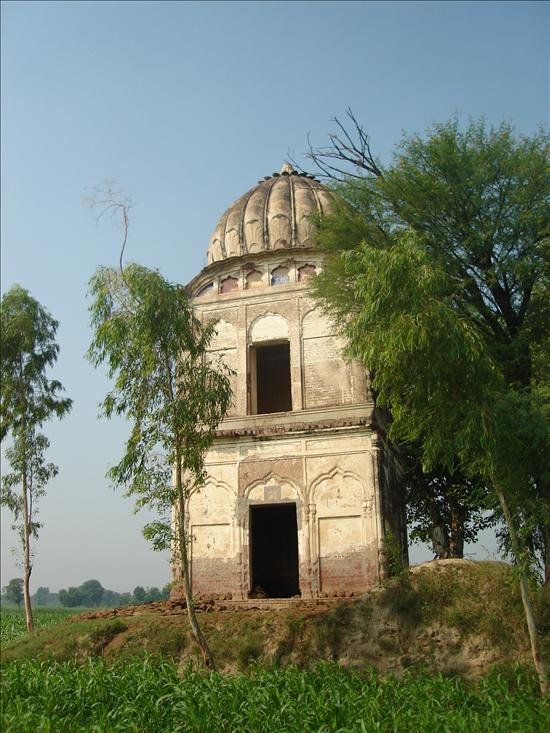
This Gurdwara Pehli Patshahi, Bala Kot travel guide covers a remarkable shrine in the hills of Hazara: the place in Balakot where Guru Nanak came to preach, where his companion Bhai Bala stayed behind to carry the message, and where three sacred springs still flow — one inside the shrine itself. Inside you will find the real history of the site, how to reach it from Islamabad, Lahore and Karachi, the best time to visit, nearby places like Kaghan and Shogran, and practical tips for a respectful heritage trip.
Quick Facts
- Location: Bala Kot (Balakot), tehsil Mansehra, Hazara region, Khyber Pakhtunkhwa
- Famous For: The shrine where Bhai Bala — Guru Nanak’s companion — stayed back to preach Sikhism after the Guru’s visit; “Pehli Patshahi” means the First Guru
- History: When Sat Guru Nanak Dev Ji came to Bala Kot for the spiritual uplift of the people, Bhai Bala Ji remained here for some time to preach
- The Three Springs: Bala Pir da Chashma inside the shrine precinct; Babe Mardane da Chashma and Babe Nanak da Chashma about half a kilometre away in the settlement
- Local Name: The platform is called “Bala Pir da Thara” by the people of the area
- Living Tradition: Thousands still come to pay homage; before 1947 a granthi came from Mansehra every Sunday to lead prayers; today local Muslims hold an annual festival here
- Nearest City: Mansehra, about 35–40 km; the gateway to Kaghan valley
- Accessibility: On the N-15 Mansehra–Naran road; all-weather metalled road, with monsoon landslide risk in July–August
- Best For: Heritage travellers, Sikh pilgrims, spiritual seekers, Kaghan-bound travellers wanting a meaningful stop, and photographers of Hazara’s hills
Why Visit Gurdwara Pehli Patshahi, Bala Kot
Balakot is famous for two things: the Kunhar river valley that leads to Kaghan and Naran. The devastating 2005 earthquake that levelled the old town. But beneath both runs an older story — and that is why this shrine deserves your visit. Long before the highways and the headlines, Guru Nanak walked into these hills, and his companion Bhai Bala stayed behind to preach. The springs that rose around their stay still flow. To drink from Bala Pir da Chashma is to touch a tradition that has run, unbroken, for five centuries.
The second reason is the shrine’s rare, living character. Also, most of the small gurdwaras of Pakistan survive as ruins in quiet fields. Bala Kot’s is different: thousands of people still come to pay homage. The site is revered across faiths — local Muslims call the platform “Bala Pir da Thara” and hold an annual festival here. This is shared sacred heritage in its most hopeful form, and visiting it respectfully is a genuine privilege.
Spiritual History, Mountain Scenery
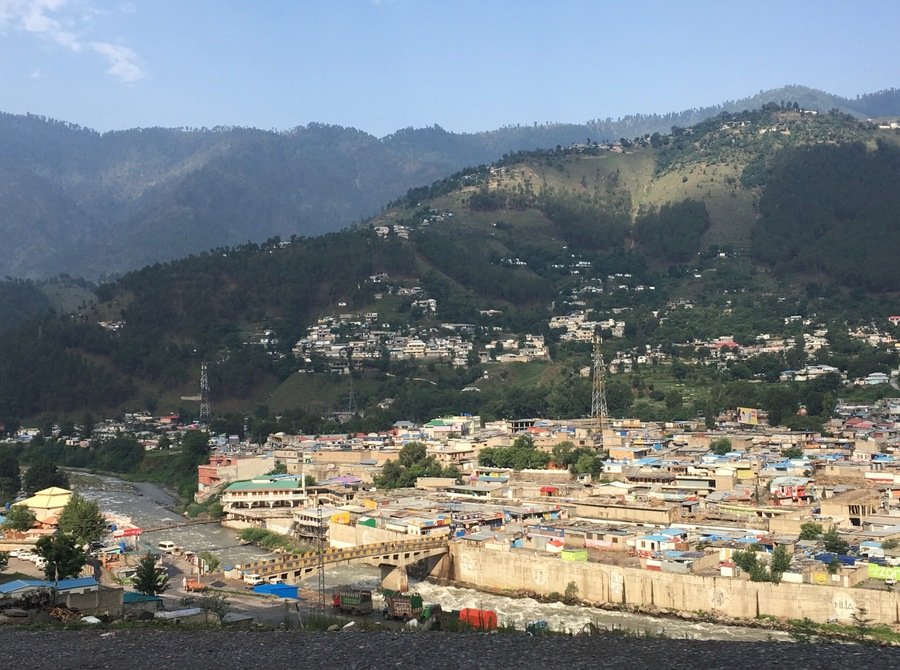
Third, the setting is spectacular. Also, Balakot sits where the hills begin to rise toward Kaghan, with the Kunhar river roaring past and pine-covered slopes all around. Unlike the plains shrines, this one combines spiritual history with mountain scenery. You can pay your respects in the morning and be picnicking by the Kunhar or driving up toward Shogran by afternoon. For travellers heading to Naran, it adds a layer of meaning to a route most people rush through.
Finally, if you care about the human story of Hazara — its Hindko culture, its resilience after the earthquake, its place on the old routes between Punjab and the mountains — Bala Kot’s shrine is one of the most honest windows into it. This Gurdwara Pehli Patshahi, Bala Kot travel guide will help you plan that visit properly.
History of Gurdwara Pehli Patshahi, Bala Kot
The history of this shrine is recorded in the standard heritage survey of Sikh sites in Pakistan by researcher Iqbal Qaiser, and retold in Sikh encyclopaedic sources. Also, Bala Kot is a historical town in tehsil Mansehra of the old Hazara district (today’s Mansehra district, Khyber Pakhtunkhwa). When Sat Guru Nanak Dev Ji came here for the emancipation of the people, Bhai Bala Ji — the Guru’s lifelong companion, alongside Bhai Mardana — stayed back for some time to preach Sikhism in these hills.
The memory of that stay is preserved in water. Also, there are three springs at the site today. In fact, one lies inside the precinct of the shrine and is known as Bala Pir da Chashma, the spring of Bala Pir. The other two are inside the settlement, about half a kilometre from the shrine: one is popularly called Babe Mardane da Chashma (after Bhai Mardana) and the other Babe Nanak da Chashma (after Guru Nanak himself).
The people of the area call the shrine’s platform “Bala Pir da Thara” — the platform of Bala Pir — a name that shows how deeply the memory is woven into local, cross-community devotion.
A Congregation That Endures
Before independence, the shrine had an active congregation. Also, a granthi (Bhai Sahib) used to come from Mansehra every Sunday to lead the prayers, and large numbers of Sikh followers would gather. Meanwhile, After 1947, the Sikh congregation departed. The reverence did not: even today, the record notes, thousands of people come to pay their homage at the site. In a striking continuation of the tradition, local Muslims now hold a festival here once every year. The shrine has become a genuinely shared sacred space.
The wider history of Balakot adds gravity to the visit. Also, this is an old town on the historic route into the Kaghan valley, and in October 2005 it was devastated by the Kashmir earthquake, one of the deadliest natural disasters in Pakistan’s history. In fact, the town was rebuilt — a new Balakot rose near the old — and the region’s resilience is visible everywhere. Visiting the shrine today means encountering all these layers at once: the Guru’s 16th-century visit, the pre-partition sangat, the earthquake and rebirth. A living multi-faith devotion that continues into the present.
Top Things to Do in Gurdwara Pehli Patshahi, Bala Kot
Visit the shrine and Bala Pir da Chashma
The heart of the visit is the shrine precinct and the spring inside it — Bala Pir da Chashma. Also, approach with the respect you would bring to any active place of worship: cover your head, remove your shoes, keep your voice low. In fact, the spring water is considered sacred by devotees; visitors traditionally sip a little and sprinkle some on their heads. Take time to simply sit on the platform — “Bala Pir da Thara” — and absorb a site that has drawn pilgrims for centuries.
Walk to the other two springs
About half a kilometre into the settlement lie the other two springs — Babe Mardane da Chashma and Babe Nanak da Chashma. Also, the short walk takes you through the town itself, past shops and homes, and gives you a feel for daily life in Balakot. Ask a local to point the way. The springs are well known and people are generally happy to guide visitors. This is the most authentically “local” part of the trip.
Experience the Kunhar river
Balakot sits on the Kunhar, the river that defines the Kaghan valley — fast, cold. Also, a brilliant turquoise-green where it runs over stone. In fact, walk down to the riverbank, watch the water, and feel the temperature drop as the mountain air moves. Do not attempt to swim: the Kunhar is dangerously fast and cold, and it claims lives every year. Admire it from the bank.
Drive on toward Kaghan, Shogran and Siri Paye
Balakot is the gateway to the Kaghan valley, and the shrine visit pairs naturally with the mountains. Also, Shogran’s pine forests are about an hour’s drive up. The Siri Paye meadows above Shogran offer one of the finest views in Hazara. And the road continues to Kaghan town and Naran. If you have two days, do the shrine on day one and the meadows on day two.
Famous Places In and Around Gurdwara Pehli Patshahi, Bala Kot
Kaghan valley (30–70 km): the classic Himalayan valley of the Kunhar, with Naran at its head. Shogran (about 35 km): pine-forested hill station above the valley. Siri Paye meadows (above Shogran): high alpine pastures with panoramic views — reachable by jeep. Mansehra (about 35–40 km): the district town, home to the ancient Ashokan rock edicts — 3rd-century-BCE inscriptions of Emperor Ashoka, among the oldest written records in South Asia. Sajikot waterfall (about 40–50 km toward Havelian): a popular picnic cascade. Paras and the Kunhar viewpoints: river stops along the N-15, perfect for photography.
How to Reach Gurdwara Pehli Patshahi, Bala Kot
Balakot lies on the N-15 (Mansehra–Naran road), about 35–40 km northeast of Mansehra. From Islamabad, take the Hazara Motorway (M-15) or the N-35 to Mansehra, then continue on the N-15 to Balakot. Also, the road follows the Kunhar and is scenic throughout. The road is metalled and open year-round, but check conditions in the July–August monsoon. Balakot — one of Pakistan’s wettest towns — can see landslides, and in winter. Upper stretches toward Naran may close.
- From Islamabad: roughly 130–150 km, about 3–3.5 hours via the Hazara Motorway and N-15.
- From Lahore: roughly 370–400 km via the M-2/M-1 and Hazara Motorway, about 7–8 hours.
- Coming from Karachi, it’s roughly 1,300–1,350 km, about 20–22 hours — fly to Islamabad and drive, or break the journey in Multan/Lahore.
Nearest airport: Islamabad International Airport. Nearest railway station: Havelian, the railhead for Hazara. Public transport: regular vans and coasters run Islamabad–Mansehra–Balakot. Also, From Balakot town the shrine is a short local ride or walk. In fact, tour operators in Islamabad and Mansehra run Kaghan-valley trips that can include the shrine.
Route Details
Step 1: From Islamabad, join the Hazara Motorway (M-15) toward Mansehra — about 110–120 km of fast motorway. Next, at Mansehra, exit onto the N-15 (Mansehra–Naran road) and follow the Kunhar valley northeast. Step 3: After about 35–40 km you reach Balakot town — the shrine is in the town. Ask for “Bala Pir da Thara” or the gurdwara, and locals will direct you. Step 4: Visit the shrine and its spring, then walk the half kilometre into the settlement for the other two springs. In monsoon (July–August), check road status before setting out; in winter, carry warm clothing — nights are cold.
Where to Stay in Gurdwara Pehli Patshahi, Bala Kot
Balakot has rebuilt substantially since 2005 and offers a reasonable range of places to stay. Budget: simple hotels and guesthouses in Balakot town cater to Kaghan-bound travellers — clean, basic, and inexpensive. Mid-range: better hotels in Balakot and Mansehra offer hot water, heating (essential in winter), and river or hill views. Comfort: for a more comfortable base, stay in Mansehra or Abbottabad, or push on to Shogran’s hotels, which sit among the pines with spectacular views. Camping: the Kaghan valley above Balakot has established campsites (notably around Shogran, Siri Paye and Naran), but camp only at recognised sites with proper gear — nights are cold even in summer.
Book ahead in the May–August peak season, when the whole valley fills up.
Where to Eat: Local Foods of Gurdwara Pehli Patshahi, Bala Kot
Hazara’s Hindko cuisine is hearty mountain food. Chapli kebab — the spiced, tomato-studded minced-meat patty — is the region’s pride and is done superbly in Mansehra and Balakot. Dal and sabzi with makai (maize) roti is the traditional hill staple, warming and filling after a cold morning. Also, higher up the valley, trout from the Kunhar’s fish farms is the celebrated dish — grilled or fried, served with lemon. In fact, roadside dhabas along the N-15 serve chicken karahi, daal fry, and endless doodh patti (milky tea), the fuel of every mountain journey. Meals are budget-friendly throughout the valley.
In Balakot town you will also find bakeries and small restaurants. For fancier dining, Mansehra and Abbottabad have the widest choice.
Weather in Gurdwara Pehli Patshahi, Bala Kot
Balakot sits at the foot of the Himalayas at around 1,000 metres. Also, its climate is a mountain-valley one: cold winters, pleasant springs and autumns, and one of the heaviest monsoons in Pakistan — July alone averages about 384 mm of rain. Pack for the season and always check the forecast before driving the N-15.
| Season | Temperature Range | Conditions |
|---|---|---|
| Winter (Dec–Feb) | -2–15°C | Cold, with frosty nights; occasional rain. Heavy winter clothing essential. |
| Spring (Mar–May) | 10–25°C | Mild and green; April–May is lovely, with the hills in fresh leaf. |
| Summer/Monsoon (Jun–Aug) | 20–33°C | Warm days; very heavy monsoon rain in July–August — landslide risk on the N-15. |
| Autumn (Sep–Nov) | 8–22°C | Clear, crisp and golden; September–November is arguably the finest window. |
Language and Culture of Gurdwara Pehli Patshahi, Bala Kot
Balakot speaks Hindko, the language of the Hazara region, with Urdu widely understood and Pashto and Gojri spoken in surrounding communities. Also, Hazara’s culture is known for its hospitality, its poetry, and its resilience. In fact, the 2005 earthquake is within living memory here, and visitors who show respect for that history are welcomed warmly. The shrine itself embodies the region’s plural traditions: a Sikh sacred site where Bhai Bala preached, revered today by local Muslims as the shrine of “Bala Pir,” with an annual festival.
Dress modestly, cover your head at the shrine, remove shoes, and ask before photographing worshippers. If you visit during the local festival, join in respectfully. It is a genuine community celebration, not a tourist show.
Shopping in Gurdwara Pehli Patshahi, Bala Kot
Balakot’s bazaar covers the practical: dry fruits, honey, woollens and shawls. Kaghan valley handicrafts. Dry fruits — walnuts, almonds, apricots — are the classic mountain purchase and are sold everywhere along the N-15. Honey from the valley’s beekeepers is prized. Woollen shawls, caps and socks are practical souvenirs that you will actually use on cold nights. Higher up in Naran and Shogran, shops sell gemstones and carved wooden items. Buy from reputable sellers. There are no shopping malls in Balakot — for that, Mansehra or Abbottabad are the nearest options — but the bazaar shopping here is half the fun.
Travel Tips for Gurdwara Pehli Patshahi, Bala Kot
Packing Essentials
Layers for mountain weather in every season. Also, a proper warm jacket and cap for October–March. In fact, rain gear for the monsoon. Sturdy walking shoes for the shrine visit and the spring walk. A head covering for the shrine; sun protection for the valley’s strong sun; drinking water; and a power bank. If heading higher (Shogran/Siri Paye), add gloves and a fleece.
Safety Tips
The N-15 is a mountain road: drive in daylight, never overtake blindly, and check monsoon landslide advisories in July–August. Do not enter the Kunhar river. Also, it is deceptively fast and cold. At the shrine, the springs’ surroundings can be slippery; watch your step. Balakot is a settled, welcoming town, but keep to normal travel precautions with valuables and inform someone of your plans if hiking.
Money & Connectivity
ATMs exist in Balakot town and Mansehra, but carry enough cash for the valley — smaller shops and jeep drivers are cash-only. Jazz, Zong and Telenor cover Balakot and the N-15 corridor; signals fade as you climb toward Siri Paye. Fuel up in Mansehra or Balakot before heading higher.
Best Time to Visit Gurdwara Pehli Patshahi, Bala Kot
Spring (April–May)
The hills turn green, the Kunhar runs full with snowmelt, and temperatures are ideal for both the shrine visit and valley sightseeing. Also, an excellent time to come.
Summer (June–August)
The valley’s peak tourist season — lively but crowded, and July–August brings Balakot’s famously heavy monsoon. If you come now, travel early in the day and keep an eye on weather advisories.
Autumn (September–November)
Many travellers’ favourite: clear skies, golden hillsides, comfortable temperatures, and thinner crowds. Also, the September–November window is hard to beat for this shrine and the valley together.
Winter (December–February)
Cold and quiet, with frosty mornings and the possibility of rain. Also, the shrine visit itself is perfectly doable. The road beyond Balakot toward Naran may be closed by snow — check before planning a combined trip.
Final Thoughts
Gurdwara Pehli Patshahi, Bala Kot is one of those rare places where history did not freeze — it kept living. The springs still flow, the homage still comes. A town that survived one of Pakistan’s worst disasters still honours the saint its elders called Bala Pir. It is a shrine, a story. A lesson in resilience all at once, set in one of the most beautiful valleys of the country.
Pair it with the Kaghan valley’s natural wonders — Shogran’s pines, Siri Paye’s meadows, the Kunhar’s roar — and with Mansehra’s ancient Ashokan edicts for a journey through three thousand years of Hazara’s history. Also, come with respect, leave with wonder. For more journeys across the country, explore the Explore Pakistan collection, including nearby heritage like Gurdwara Chhevin Patshahi, Mansehra and mountain escapes like Malam Jabba.
FAQs
Where is Gurdwara Pehli Patshahi, Bala Kot located?
In Balakot town, tehsil Mansehra, Khyber Pakhtunkhwa — on the N-15 Mansehra–Naran road, about 35–40 km from Mansehra, in the Kunhar valley.
What is the best time to visit Gurdwara Pehli Patshahi, Bala Kot?
April–May and September–November offer the best weather. Also, avoid the heavy July–August monsoon (landslide risk) and be prepared for cold in winter.
How do I reach Gurdwara Pehli Patshahi, Bala Kot?
Drive from Islamabad via the Hazara Motorway to Mansehra, then the N-15 to Balakot (3–3.5 hours total). Ask in town for “Bala Pir da Thara.”
What are the three springs?
Bala Pir da Chashma inside the shrine precinct. Also, Babe Mardane da Chashma and Babe Nanak da Chashma about half a kilometre away in the settlement — named for Bhai Bala, Bhai Mardana and Guru Nanak.
Is the shrine still active?
Yes, in a living cross-community way: thousands still come to pay homage, and local Muslims hold an annual festival here.
Is it suitable for families?
Absolutely — it combines easily with a Kaghan valley family trip. Also, the shrine visit is short and gentle; keep children back from the river.
Where can I stay near Bala Kot?
Budget and mid-range hotels in Balakot town, better options in Mansehra and Abbottabad, and scenic hotels in Shogran for a mountain stay.
What does “Pehli Patshahi” mean?
It means the “First Guru” — Guru Nanak Dev Ji, the founder of Sikhism. Also, shrines with this name mark places he visited.