The Hindu Temple-I east of the Indus View Hotel near Attock is a small, quiet shrine far from Pakistan’s tourist trail. This guide covers where to find it, what makes it special, and how to combine it with a visit to Attock’s historic sites.
Quick Facts
- Location: Near Attock city, Punjab, Pakistan — just east of the Indus View Hotel on the historic Grand Trunk Road route
- Altitude: The low, open country of the northern Potohar plateau, on the eastern bank of the Indus
- Famous For: A small, finely detailed Hindu shrine — a rare surviving temple of the Attock district, documented by the Department of Archaeology & Museums
- Nearest City: Attock (about 80 km from Islamabad)
- Accessibility: Road access via the GT Road (N-5) and M-1 motorway network; an easy day trip from Islamabad or Rawalpindi
- Known Landmarks: Attock Fort (1581–83), the Attock railway bridge over the Indus, Bahram-ki-Baradari
- Best For: Heritage lovers, history buffs, photographers, and offbeat travelers exploring Punjab’s Hindu past
Why Visit Hindu Temple-I (East of Indus View Hotel)
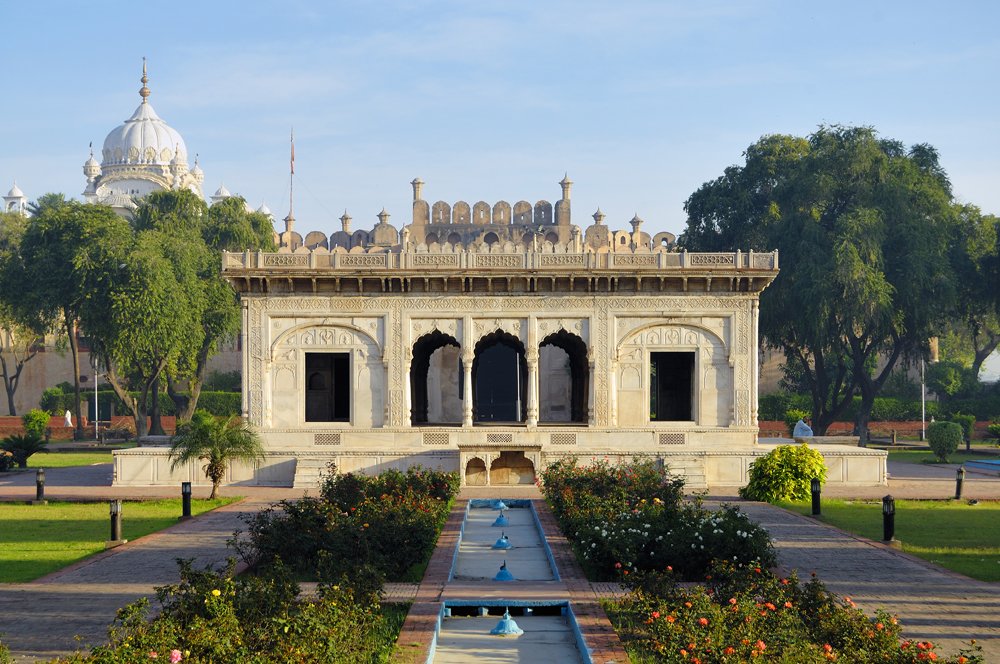
Some places in Pakistan are famous. Others are quiet — and that is exactly what makes them special. The little Hindu temple standing east of the Indus View Hotel near Attock belongs to the second kind. It does not have a ticket counter, a souvenir shop, or a crowd. What it has is something rarer: honesty. A small square building with a shikara-type roof, its walls still carrying traces of painted grapes and leaves, floral stucco work, and blind niches carved with the care of craftsmen who lived centuries ago. If you love discovering places that history books only mention in footnotes, this temple will reward you richly.
This is also a journey into a chapter of Punjab that few travelers ever see. Before Partition, the Attock district was dotted with Hindu temples and shrines. Also, most have vanished or lie in ruins, and very few were ever properly documented. Hindu Temple-I survived — documented by the Department of Archaeology and Museums in its 2002 survey of Attock’s monuments — and it stands today as one of the rare physical reminders of the district’s Hindu heritage. Visiting is not just sightseeing. It is an act of remembering, and of valuing the shared, layered past of this land.
On the Banks of the Indus
The setting makes the trip even better. Also, the temple sits in classic Attock country — open, sunlit, thorny scrubland on the eastern bank of the mighty Indus, a stone’s throw from the Grand Trunk Road that has carried armies, traders, pilgrims, and emperors for two thousand years. Combine your visit with Attock Fort’s imposing walls, the iron railway bridge over the Indus. The graceful Mughal baradari nearby. You have a perfect one-day heritage run that costs almost nothing and teaches you more about Punjab than a dozen museum galleries.
Who is this trip perfect for? Also, anyone based in Islamabad, Rawalpindi, or Taxila who wants a meaningful half-day or full-day escape. In fact, history teachers looking for a field-trip idea. Photographers hunting for weathered textures and old plaster. And travelers building a deeper map of Pakistan’s Hindu heritage — after the great Katas Raj temples and Tilla Jogian, the small shrines of Attock complete the picture. Go on a clear winter morning, when the light is golden and the air is crisp. You will understand why slow travel beats rushing every time.
History of Hindu Temple-I (East of Indus View Hotel)
To understand this small temple, you first have to understand Attock itself — one of the great crossing points of the Indian subcontinent. Also, for millennia, whoever wanted to move between Central Asia and the plains of Punjab had to cross the Indus here. In fact, alexander the Great, Tamerlane, and Nadir Shah are all believed to have crossed the river at or near this spot. The town that grew around the crossing has seen Greeks, Scythians, Buddhists, Hindu Shahis, Ghaznavids, Gakhars, Mughals, Marathas, Durranis, Sikhs. The British pass through, fight over, and rule it.
This temple, documented as “Hindu Temple-I (East of Indus View Hotel),” was recorded by the Department of Archaeology and Museums in its unpublished 2002 survey of archaeological sites and monuments in District Attock (Khan, Muhammad Ashraf et al.). Also, the survey dated the building to the historic period, with a relative chronology of 1526–1857 CE — the span covering the Mughal and Sikh eras in this region. In fact, it was found standing just east of the Indus View Hotel, almost a true copy of a similar temple inside the Kashmir Khan House across the road to the south, completely surrounded by thorny bushes.
Carved Detail in Every Corner
What the surveyors found was a building rich in surviving detail. Also, the temple is surmounted by a shikara-type roof with merlons below the roofline. On its four upper corners stand the worn vestiges of animal figures, probably lions, too weathered to recognize exactly. Inside, the ceiling is decorated with floral designs in stucco. The chamber is octagonal in shape, with blank arches set in rectangles in the east, west, and south walls, framed by small pilasters. The building is divided into a lower and an upper portion, with the upper part further divided by tall pilasters around a central blank niche.
Its northern wall above the entrance still retained beautiful painting at the time of the survey — floral designs, red grapes and green leaves, with a line of yellow-golden color.
Nearby stands its twin, recorded as Hindu Temple-II: a small square building, 2.8 by 2.8 metres and 4.12 metres high, hexagonal inside, with a round drum and an oval-shaped dome built without squinches, five blind niches, floral stucco squares at every corner, and full lime plaster. Together, the two shrines are a rare surviving pair — modest village temples of the kind that once served the Hindu communities of Attock district before 1947. Unlike the great pilgrimage complexes, these were neighborhood shrines, built by local devotion and local masons.
The survey lists the temple as privately owned and, at the time of documentation, not legally protected — which makes respectful, appreciative visits by heritage-minded travelers all the more meaningful.
Top Things to Do in Hindu Temple-I (East of Indus View Hotel)
Study the Temple’s Architecture Up Close
Take your time circling the building slowly. Notice the shikara-type roof and the row of merlons beneath it. A roof form more commonly associated with much larger temples. Look for the worn animal figures at the four corners of the top and imagine how sharp they must have looked when newly carved. Step inside (the interior chamber is octagonal) and look up at the stucco floral ceiling, then trace the blank arches with their small pilasters on the east, west, and south walls.
The painted grapes and leaves above the northern entrance are faded, but in the right light you can still make them out — a direct, fragile connection to the painter’s hand.
Find the Twin Shrine, Hindu Temple-II
The survey recorded a second temple very close by. Also, the hexagonal-domed twin with its five blind niches and floral stucco squares. Finding both shrines turns a quick stop into a small treasure hunt and gives you a fuller sense of how these village temples were built in pairs or clusters. Ask locals politely. Older residents often know the old shrines by sight even if they don’t know their names.
Photograph Heritage Textures
Weathered lime plaster, carved pilasters, thorn bushes against old brick, the oval dome against a wide Punjab sky. Also, this is a photographer’s playground. Early morning and late afternoon give the warm side-light that brings stucco relief to life. Keep your shots respectful and unobtrusive, especially if the building sits on or near private land.
Walk the Grand Trunk Road History Trail
The temple’s neighborhood is dense with history. Also, the GT Road (N-5) running past Attock is one of the oldest continuously used roads in the world, rebuilt by Sher Shah Suri in the 16th century over ancient Mauryan foundations. Standing near the temple, you are on the same corridor that carried Mughal armies to Kabul and Sikh horsemen to Peshawar. Few places let you feel that continuity so directly.
Visit Attock Fort’s Outer Walls and the Indus Viewpoint
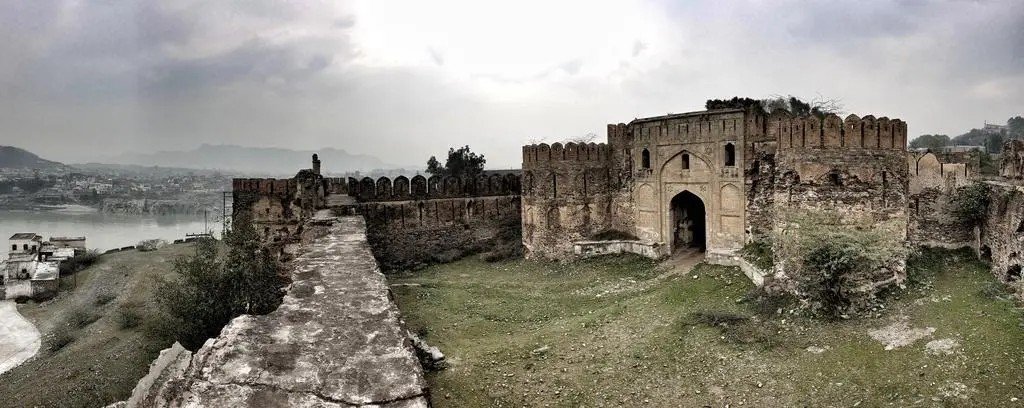
You cannot enter Attock Fort — it is a military installation — but you can admire its massive walls from the road and stand at the Indus viewpoint to watch the river squeeze through its rocky gorge. The 1883 iron railway bridge, with its five spans and its lower deck for road traffic, is a Victorian engineering landmark worth the short detour.
Stop at Bahram-ki-Baradari
A few kilometres away on the GT Road stands the Mughal-era Bahram-ki-Baradari, a graceful pavilion associated with the Mughal nobility of Shah Jahan’s time. Also, it pairs beautifully with the temple visit: two small, elegant buildings from the same broad era, one Hindu and one Mughal, both quietly waiting for travelers who bother to stop.
Famous Places In and Around Hindu Temple-I (East of Indus View Hotel)
- Attock Fort — Akbar’s 1581–83 riverside fortress; exterior views only, but immensely impressive.
- Attock Railway Bridge — the 1883 iron girder bridge over the Indus, a landmark of British engineering.
- Bahram-ki-Baradari — Mughal-era pavilion on the GT Road, a short drive away.
- Taxila — the great Gandharan archaeological zone, roughly an hour’s drive to the east.
- Katas Raj Temples — the great Salt Range Hindu pilgrimage complex, a longer day trip to the south.
- Tilla Jogian — the mountaintop shrine complex sacred to both Hindus and Sikhs, also in Punjab’s heritage belt.
How to Reach Hindu Temple-I (East of Indus View Hotel)
Reaching the temple is straightforward — it sits in the Attock area on the eastern bank of the Indus, close to the Grand Trunk Road, and makes an easy day trip from the Islamabad–Rawalpindi region. Because it is a small, un-signposted heritage site rather than a managed attraction, the final approach is best done slowly, asking locals for the “old mandir” near the Indus View Hotel.
From Islamabad: roughly 80–100 km, about 1.5 to 2.5 hours depending on traffic. Also, take the M-1 motorway toward Peshawar and exit toward Attock, or drive the N-5 Grand Trunk Road straight through Taxila and Wah Cantt. The GT Road route is slower but passes Taxila’s museums and stupas if you want to combine both. From Lahore: roughly 450 km via the M-2 to Islamabad and then the M-1/N-5 to Attock — allow 5.5 to 6.5 hours. Most travelers break the journey in Islamabad. From Karachi: fly to Islamabad (about 2 hours) and drive from there.
The road journey from Karachi is over 1,300 km and not practical for a temple visit alone.
Nearest airport: Islamabad International Airport, about 1.5–2 hours by road. Road conditions: excellent on the motorways and the GT Road year-round. The last stretch near the temple is on local roads, which are paved but narrow — fine for any car in dry weather. Meanwhile, a little bumpy after monsoon rains. Transport options: a private car or a rented car with driver is ideal and gives you the freedom to stop at the fort viewpoint and the baradari. In fact, public vans and coasters run between Rawalpindi’s Pirwadhai stand and Attock city frequently. From Attock, a local rickshaw or taxi can take you to the temple area.
Tour vans from Islamabad can be hired for a full-day Attock–Taxila heritage circuit.
Route Details
Step 1: From Islamabad, join the M-1 motorway (Peshawar bound) or the N-5 GT Road via Taxila. Step 2: Exit toward Attock city and cross toward the Attock Khurd / Indus river side. After that, follow the GT Road along the eastern bank of the Indus toward the Indus View Hotel area. Next, the temple stands just east of the hotel, surrounded by thorny scrub — park safely off the road and approach on foot. Then, ask nearby residents for directions if unsure. The shrine is small and easy to miss, so keep your eyes open for the shikara roof above the bushes.
Where to Stay in Hindu Temple-I (East of Indus View Hotel)
The temple itself is a day-trip destination, so most visitors base themselves in Islamabad, Rawalpindi. Taxila and return the same evening. That said, Attock city does have accommodation if you want to linger over the district’s heritage. Mid-range hotels cluster in Attock city and along the GT Road — simple, clean, air-conditioned rooms aimed at business travelers and wedding parties, usually with attached restaurants. Budget guesthouses and small inns near the bus stands are plentiful and perfectly adequate for a night. Luxury options are not really an Attock thing.
For a comfortable upscale stay, base yourself in Islamabad (1.5–2 hours away) where the full range of hotels is available. Camping is not established around the temple and, given that the site sits near private land, an overnight camp there is not advisable — enjoy the stars from your hotel roof instead. Wherever you stay, book ahead on wedding-season weekends, when local hotels fill up.
Where to Eat: Local Foods of Hindu Temple-I (East of Indus View Hotel)
The Attock–Potohar belt eats hearty Punjabi road food. Also, the dhabas along the GT Road are half the fun of the trip. In fact, expect daal fry and mixed sabzi with tandoori roti, chicken karahi bubbling in roadside woks, seekh kebabs, and lassi in tall glasses — the classic dhaba quartet. Chana chaat and samosas fuel the mid-morning stops. In addition, in winter, look for sarson ka saag with makai ki roti and a slab of white butter at the better dhabas. Attock city has small restaurants and bakeries for a sit-down meal. The motorway service areas on the M-1 offer clean, predictable food courts.
A filling dhaba meal is genuinely budget-friendly — plan on a modest per-person spend, with karahi dishes costing more when ordered by weight. Carry water, and in summer carry extra; the scrubland heat is deceptively strong.
Weather in Hindu Temple-I (East of Indus View Hotel)
Attock sits on the northern Potohar plateau. Also, its weather follows the Punjab plains pattern with a slight plateau edge: hot summers, a real winter with chilly mornings, and most rain arriving with the monsoon and the western winter disturbances. Because the temple visit is entirely outdoors and involves walking through scrub, the weather genuinely shapes the experience — winter’s golden light is the prize, summer’s midday glare the penalty.
| Season | Temperature Range | Conditions |
|---|---|---|
| Winter (Dec–Feb) | 5–20°C | Crisp, sunny days; cold mornings and occasional fog on the river. Best season for heritage walks and photography. |
| Spring (Mar–Apr) | 15–30°C | Pleasant and green after winter rains; thorn scrub in flower. Excellent visiting weather. |
| Summer (May–Jul) | 28–42°C | Hot and dry with harsh midday sun; visit at dawn or late afternoon and carry water. |
| Autumn (Aug–Nov) | 18–35°C | Monsoon humidity easing into clear, warm days; October–November is lovely. |
Language and Culture of Hindu Temple-I (East of Indus View Hotel)
The Attock district is Punjabi-speaking country, with the Potohari dialect common in villages and Urdu understood everywhere. Also, a few words of Punjabi greeting go down wonderfully with locals. The culture is classic Potohar: hospitable, straightforward, and deeply respectful of guests. You will likely be offered tea the moment you show genuine interest in the old shrine. Dress modestly, as you would anywhere in rural Punjab, and keep voices low and behavior calm around the temple — for local Hindus and for heritage lovers, this is a place of reverence, not a picnic spot.
If the shrine sits near someone’s land or home, always ask before entering, and never climb on the walls or remove even a loose fragment: every piece of plaster and carving is irreplaceable. Photography is generally fine, but ask first if people are in the frame.
Shopping in Hindu Temple-I (East of Indus View Hotel)
This is not a shopping destination. Also, you should not expect souvenir stalls at a quiet shrine — which is part of its charm. Attock city’s bazaars, however, are worth a wander: look for Potohari handicrafts, embroidered shawls and khussas in the main market. In fact, the district’s well-known peanuts and dry fruits sold by weight. In addition, the GT Road dhabas and sweet shops sell fresh jalebi, barfi, and atta biscuits that make excellent road snacks. For serious souvenir hunting, Taxila’s craft shops (an hour away) sell Gandharan-art replicas and stone carvings.
There are no shopping malls at the temple site itself — come for heritage. It do your shopping in Attock city or on the way back through Taxila.
Travel Tips for Hindu Temple-I (East of Indus View Hotel)
Packing Essentials
Sturdy walking shoes (thorn scrub and uneven ground), a hat and sunscreen, at least a litre of water per person. A fully charged phone — both for photos and for maps, since signage is minimal. A small pair of binoculars is a bonus: the Indus gorge attracts birds of prey. In winter, layer up for cold mornings that turn warm by noon.
Safety Tips
The Attock area on the GT Road is a well-traveled, settled region; the usual road-travel precautions apply. Also, drive carefully on the narrow local lanes near the temple, watch for livestock, and avoid the riverbank edges — the Indus runs fast and deep through its gorge here. In fact, visit in daylight hours; the site has no lighting or facilities. Keep valuables out of sight in parked cars.
Money & Connectivity
Carry cash — small notes for dhabas, rickshaws, and any parking. ATMs are available in Attock city and at motorway service areas, but not at the temple site itself. Mobile signals from all major networks generally work in the Attock area, though coverage can dip in the river gorge. Download offline maps before you leave the motorway.
Best Time to Visit Hindu Temple-I (East of Indus View Hotel)
Winter (December–February) — The Sweet Spot
This is the best time to visit. Days are crisp and brilliantly clear, the low sun makes the stucco carvings glow, and walking the scrubland is a pleasure rather than an ordeal. Also, mornings can be foggy near the river — plan to arrive by late morning for the clearest light.
Spring (March–April) — Lovely and Green
The second-best window. Also, winter rains leave the thorn scrub briefly green and flowering, temperatures are comfortable, and the whole landscape photographs beautifully. In fact, Combine with Taxila’s spring gardens for a perfect heritage weekend.
Summer (May–July) — Go Early or Skip
Possible, but demanding. If you must come in summer, arrive at dawn, finish by 10 a.m., and retreat to Attock city’s shade. The heat haze also flattens photography. Not recommended for elderly travelers.
Autumn (August–November) — The Quiet Return
After the monsoon, October and November offer clear skies and mild temperatures with very few visitors. An underrated, peaceful time for a slow heritage day.
Final Thoughts
Hindu Temple-I, east of the Indus View Hotel, will never be a headline attraction. And that is precisely its gift. In a single small building it holds the whole story of Attock’s layered past: Hindu devotion, Mughal-era craftsmanship, Sikh-period village life. The quiet endurance of a shrine that outlasted the community that built it. To stand before its painted grapes and floral stucco, with the Indus rolling past a few hundred metres away, is to touch a Pakistan that is older, deeper, and more plural than the headlines suggest.
Go with curiosity and respect, combine it with the fort, the bridge. The baradari, and come home with more than photographs — come home with a story about the small, surviving things that make a place whole. If you care about Pakistan’s heritage, places like this need your footsteps: every thoughtful visitor is a quiet vote for their preservation. For more ideas in the same spirit, browse our Explore Pakistan collection, or plan a bigger northern run with Malam Jabba and the Hunza Valley. The shrine complex at Tilla Jogian makes a fine companion visit for anyone tracing Punjab’s Hindu and Sikh heritage.
FAQs
Where is Hindu Temple-I (East of Indus View Hotel) located?
Near Attock city in Punjab, on the eastern bank of the Indus, just east of the Indus View Hotel on the Grand Trunk Road route — roughly 80–100 km from Islamabad.
What is the best time to visit the temple?
Winter (December–February) is ideal: clear skies, crisp air, and perfect light for the stucco carvings. Spring (March–April) and late autumn (October–November) are also excellent.
How do I reach Hindu Temple-I from Islamabad?
Drive the M-1 motorway or the N-5 GT Road to Attock (1.5–2.5 hours), then follow local roads toward the Indus View Hotel area and ask locals for the old temple. A private car is the most convenient option.
Is the temple safe to visit?
Yes — the Attock GT Road corridor is a settled, well-traveled area. Also, visit in daylight, wear sturdy shoes for the scrubland, and stay back from the river gorge edges.
A Short Stop for Families
Is it suitable for families?
Yes, as a short heritage stop on a wider Attock day trip. There are no facilities at the site itself, so bring water and snacks, and keep children from climbing on the old structure.
Where can I stay nearby?
Most visitors day-trip from Islamabad or Rawalpindi. Attock city has mid-range hotels and budget guesthouses if you want to stay overnight.
What food is available nearby?
Classic GT Road dhaba food — daal, sabzi, chicken karahi, kebabs, roti, and lassi — plus restaurants in Attock city and food courts at M-1 service areas.
What makes this temple historically special?
It is one of the rare surviving Hindu temples of Attock district documented by the Department of Archaeology and Museums, with a shikara roof, octagonal interior, floral stucco work. Also, it faded wall paintings. In fact, a modest village shrine from the Mughal-to-Sikh era that outlasted most of its kind.