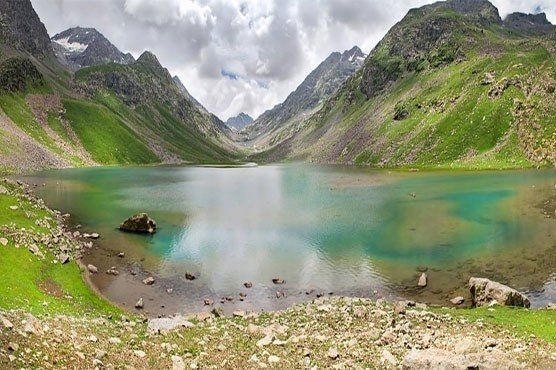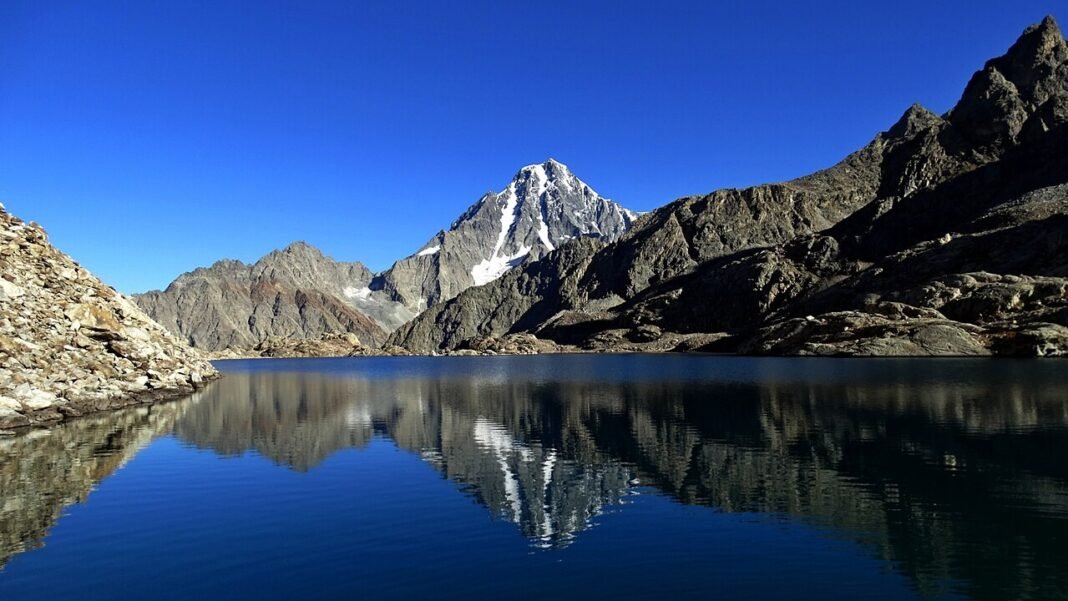
At around 14,000 feet, where the air thins and the treeline is a distant memory, the Ushu Valley of Swat Kohistan hides a lake that very few Pakistanis have ever seen. Jabba Lake — also called Jaba Lake or Jabba Zomalu Lake — is an alpine glacial lake of startling blue, cupped by high peaks and fed by glacier water. There are no hotels here, no restaurants, no crowds. There is only the lake, the sky, and the long walk it takes to earn them.
If you are choosing your next great adventure in the north, this jabba lake travel guide will tell you why this remote jewel deserves it — and exactly how to reach it.
Quick Facts
- Location: Ushu Valley, Swat Kohistan region, northern Pakistan (near the Palogah Valley)
- Altitude: around 14,000 feet (roughly 4,270 metres) above sea level
- Famous For: A pristine alpine glacial lake at extreme altitude; also known as Jaba Lake and Jabba Zomalu Lake
- Nearest City: Kalam (gateway town); Mingora is the nearest large city
- Accessibility: Drive to Kalam, jeep toward Ushu/Mahodand, then trek; strictly a summer expedition
- Known Landmarks: Palogah Valley, Ushu Forest, the high peaks of Swat Kohistan
- Best For: Serious trekkers, high-altitude campers, landscape photographers, and expedition-style adventurers
Why Visit Jabba Lake
Let us start with what Jabba Lake is not. Also, it is not Mahodand, with its jeeps and lakeside hotels. It is not a place you visit between lunch and dinner. At around 14,000 feet — higher than most of the famous lakes in the country — Jabba sits in that rare category of destinations that remain genuinely wild. The lake is fed by glacier water, ringed by stark high peaks. It visited by only a handful of trekkers each season. If your idea of travel is ticking boxes, skip it. If your idea of travel is standing somewhere almost no one stands, read on.
The setting is pure high Himalaya — or rather, high Hindu Kush. Swat Kohistan, the “mountain Swat” beyond Kalam, is a world of deodar forest giving way to alpine pasture giving way to rock and ice. The Ushu Valley climbs and climbs, and then, suddenly, there is the lake: glacial blue-green water under a wall of peaks. Trekkers who have made the journey describe the same feeling. A smallness, a quiet, a sense of having walked off the edge of the ordinary map.
The Journey Is Half the Experience
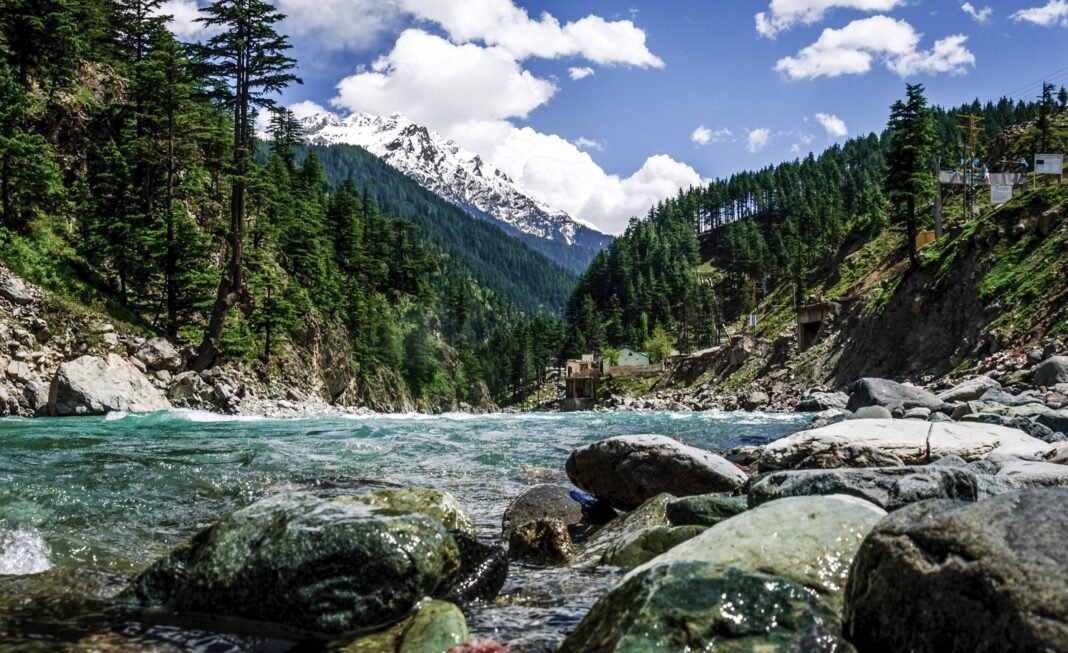
There is also the matter of the journey itself, which is half the experience. The route runs through the magnificent Ushu Forest — one of the great deodar forests of the north — past the Palogah Valley with its cluster of high lakes, and up into country where marmots whistle from the rocks and lammergeiers ride the thermals. Every step upward strips away another layer of the busy world below.
Finally, consider the bragging rights — honestly earned. Also, in a country where “hidden lake” has become a marketing slogan slapped on every roadside pond, Jabba Lake is the real thing: remote, difficult, uncommercialised, and unforgettable. Go in the short summer window, go prepared, and go with respect. The mountain will do the rest.
History of Jabba Lake
Like most high glacial lakes, Jabba has no ancient monuments or dated ruins. Its history is written in geology and in the seasonal rhythms of the mountain people. The lake was carved by glaciers during the last ice age. It has been fed by snowmelt and glacier water ever since. For centuries, the high pastures around it served as summer grazing grounds for the communities of the Ushu Valley, part of the Kohistani-speaking mountain culture of Swat Kohistan.
The region’s recorded history belongs to the valleys below. Also, Swat was a centre of the Buddhist Gandhara civilisation two millennia ago. In fact, the great stupas at Butkara and Amluk-Dara, near modern Mingora, are its surviving monuments (see our Amluk-Dara Stupa guide). The upper valleys, though, stayed beyond the reach of empires: too high, too cold, too remote. They entered the modern state with the princely state of Swat. This acceded to Pakistan in 1947 and merged into the province in 1969.
Jabba Lake became known to travellers only in the age of trekking and the internet — named in tour literature as Jabba Zomalu Lake of the Palogah Valley and slowly entering the itineraries of Swat’s more adventurous outfitters. It remains one of the least-visited named lakes in the country. Its history as a destination is still in its first pages. Also, the trekkers who go now are writing it.
Top Things to Do in Jabba Lake
A word of honesty first: Jabba Lake is a serious high-altitude objective at around 4,270 metres. Also, everything below assumes excellent fitness, proper acclimatisation, a local guide, and full mountain gear. In fact, this is not a family picnic spot.
Trek to the Lake
The trek is the experience. Also, from the Ushu/Mahodand side, the route climbs through deodar forest and alpine pasture into the high country of the Palogah Valley and on to the lake. In fact, it is a long, strenuous, multi-hour — often multi-day — undertaking at serious altitude, with no facilities en route. Go with a guide who knows the Swat Kohistan trails, start early, and build acclimatisation days into your plan. The thin air at 14,000 feet punishes the unprepared.
High-Altitude Photography
The light at 4,270 metres is something else — sharper, bluer, almost unreal. The lake’s glacial water against the stark peaks makes for extraordinary landscape photography, especially at dawn when the surface is still. Bring spare batteries (cold kills them), a polariser, and a tripod if you can carry one.
Camp by the Water
Camping is the only way to stay. Also, a night beside Jabba — with the peaks turning gold at sunset and the sky exploding with stars — is the definitive experience. In fact, camp well back from the water on durable ground, keep all waste packed out, and never wash in the lake. Leave-no-trace is not a suggestion up here; it is the price of admission.
Wildlife Spotting
The high valleys of Swat Kohistan hold Himalayan ibex on the crags, whistling marmots on the meadows, and magnificent birds of prey — lammergeiers and golden eagles — overhead. Also, dawn and dusk are the best hours. Watch quietly, keep your distance, and let your guide read the slopes.
Explore the Palogah Valley Lakes
Jabba is often spoken of together with the Palogah Valley’s cluster of high lakes. The area holds several glacial lakes, and experienced trekkers link them into longer routes. If you have the days and the legs, the Palogah high country is among the finest trekking terrain in Swat.
Famous Places In and Around Jabba Lake
- Palogah Valley — the high valley of lakes of which Jabba is the crown.
- Mahodand Lake — Swat’s famous lake, the usual staging area for Ushu Valley expeditions.
- Saifullah Lake — Mahodand’s smaller, quieter neighbour.
- Ushu Forest — the great deodar forest on the route up, one of the north’s finest.
- Kalam — gateway town for the whole upper valley; stock up here.
- Daral Lake — another high alpine lake, reachable from the Gabin Jabba side; see our Daral Lake travel guide.
How to Reach Jabba Lake
Reaching Jabba Lake takes commitment. From Islamabad, drive to Kalam via the Swat Motorway, Mingora and Bahrain — roughly 300 km, 7–8 hours. Kalam is your last proper town: stock up on food, fuel, warm clothing and cash here, arrange your guide, and confirm your route plan with locals who know the current trail conditions.
From Kalam, 4×4 jeeps run up the Ushu Valley road — the same road that serves Mahodand Lake, about 35 km and 1.5–2 hours from Kalam. Trekkers bound for Jabba typically stage from the Mahodand/Paloga area or from points along the Ushu road, then continue on foot into the high country. Also, the exact trailhead and route depend on seasonal conditions and your guide’s judgment. There is no single signposted “Jabba Lake trail,” which is why a local guide is non-negotiable.
From Lahore, travel to Islamabad first (road or short flight) and join the northern route. From Karachi, fly to Islamabad and allow at least a week for the whole expedition. Also, this is not a weekend trip. The nearest airport with regular service is Islamabad International; Saidu Sharif Airport near Mingora has limited scheduled flights.
Transport options: private car or coaster to Kalam, then hired 4×4 jeeps for the Ushu Valley, then your own two feet. Tour operators in Kalam and Islamabad run customised Swat Kohistan expeditions — for Jabba, a customised trip with an experienced local outfitter is far wiser than going independently.
Road conditions: the Islamabad–Kalam road is good in summer. The Ushu Valley jeep road is rough but passable for 4x4s in season. Also, beyond the roadhead there are only mountain trails, snowbound roughly from October to June. The lake is effectively reachable only in the July–September window.
Route Details
- Islamabad → Mingora → Bahrain → Kalam: Swat Motorway and valley road (7–8 hours); arrange guide and supplies in Kalam.
- Kalam → Ushu Valley → Mahodand/Paloga area: 4×4 jeep (1.5–2 hours to Mahodand); final staging point.
- Trailhead → high country: trek with a local guide through forest and pasture into the Palogah high valley (route varies with conditions).
- High camp → Jabba Lake: final push to the lake at around 14,000 feet; camp overnight.
- Return: retrace to the jeep road and drive back to Kalam — allow a full day.
Where to Stay in Jabba Lake
At the lake: a tent, full stop. Also, there are no hotels, huts or shelters at 14,000 feet, and there should not be. In fact, bring a proper 4-season (or sturdy 3-season) tent, a sleeping bag rated well below freezing, and an insulating sleeping mat. The ground is cold rock and thin turf. Camp on durable surfaces away from the water’s edge and the fragile lakeside vegetation.
On the way up and down, Kalam offers the full range of hotels and guesthouses, from budget rooms to comfortable mid-range properties along the bazaar road and riverside. Also, Near Mahodand, basic seasonal camps and huts operate in summer for travellers staging into the high valleys — simple. A roof and a hot meal before the hard part. Book Kalam accommodation ahead in July and August.
Where to Eat: Local Foods of Jabba Lake
On the trail and at the lake, your kitchen is your backpack: high-energy, lightweight food — dry fruits, nuts, chocolate, energy bars, dried apricots and walnuts from the Kalam bazaar, plus proper meals’ worth of supplies if you are camping multiple nights. Carry more water than you think you need, and a purification method. There is nothing to buy beyond Kalam, so pack like it.
In the valley towns, refuel the Swati way. Trout from the cold mountain streams — fried crisp and served with lemon — is the region’s signature dish, best in Kalam, Bahrain and Utror. Chapli kebab and lamb karahi anchor every menu. Also, the dhabas along the Kalam road serve hearty daal, rice and fresh tandoori roti at genuinely budget-friendly prices. Eat big before the trek; you will earn every calorie.
Weather in Jabba Lake
At around 4,270 metres, Jabba Lake lives in a different climate from the valleys below. Also, even in high summer, nights drop near or below freezing. In fact, daytime sun is intense and the weather can turn from clear to storm in an hour. Snow covers the lake and its approaches for roughly eight months of the year. The usable window is brutally short — which is exactly what keeps the lake pristine.
| Season | Temperature Range (at the lake) | Conditions |
|---|---|---|
| Winter (Nov–Mar) | -20°C to -5°C | Lake frozen solid; approaches snowbound; inaccessible |
| Spring (Apr–Jun) | -10°C to 8°C | Snow melting; route opens late June at best; high streams |
| Summer (Jul–Sep) | -2°C to 15°C | Only real trekking window; cold nights, strong sun |
| Autumn (Oct) | -12°C to 5°C | Early snow closes the route; only for the very experienced |
Language and Culture of Jabba Lake
The Ushu Valley and Swat Kohistan are home to Kohistani-speaking mountain communities, with Pashto widely spoken in the lower valleys and bazaar towns. For example, these are proud, self-reliant highland people — herders, farmers and, increasingly, the guides and porters who make expeditions like yours possible. Treat them as partners, not servants: agree on rates clearly beforehand, share your food, and listen to their judgment on weather and routes. It is better than any forecast.
Cultural notes for the high country: dress modestly even on the trail, ask before photographing people, and respect grazing areas and summer shelters. Also, they are someone’s livelihood, not scenery. The lower valley towns (Kalam, Bahrain) are more accustomed to tourists; the high pastures are not. Carry that awareness uphill with you.
Shopping in Jabba Lake
There is nothing to buy at 14,000 feet — do it all in Kalam. The bazaar stocks woollen shawls, caps and embroidered goods, plus the practical stuff trekkers actually need: dry fruits, nuts, biscuits, chocolate, and basic gear. Bahrain on the way up is the valley’s handicraft centre, famous for handwoven woollen shawls and woodwork — worth a stop on the drive. Buy your souvenirs on the way down, when your pack is lighter and your appreciation is deeper.
Travel Tips for Jabba Lake
Packing Essentials
Broken-in mountaineering or heavy trekking boots, layered clothing (thermal base, fleece mid, waterproof/windproof shell), down jacket, warm hat, gloves and buff, glacier-grade sunglasses and high-SPF sunscreen, headlamp with spare batteries, trekking poles, water purification, high-energy food, a comprehensive first-aid kit including altitude-sickness medication, and full camping gear rated for sub-zero nights. At 14,000 feet, there is no popping back to the shops.
Safety Tips
Altitude is the main danger: at around 4,270 metres, acute mountain sickness is a real risk. Acclimatise with rest days at Kalam and intermediate altitudes, ascend slowly, hydrate constantly, and descend immediately if symptoms worsen. Also, never trek alone — a local guide is essential for route-finding and emergency judgment. Carry a satellite communicator; there is no mobile signal in the high valley. Check weather obsessively and be willing to turn back.
Money & Connectivity
Carry all cash in rupees from Kalam — there are no ATMs, banks or card facilities beyond it. Also, mobile networks fade out in the Ushu Valley and vanish entirely in the high country. In fact, download offline maps and inform your hotel of your itinerary and expected return. A satellite device is strongly recommended for multi-day high routes.
Best Time to Visit Jabba Lake
Summer (July–September) — the only window
This is it: the trails are open, the lake is unfrozen. Also, the high pastures are at their greenest. July and August offer the most reliable weather. September brings fewer trekkers, golden light and colder nights. If you are going to Jabba, go now — the rest of the year the mountain says no.
Late June — the shoulder gamble
In a light snow year the route can open in late June, but this is never guaranteed. Check with Kalam outfitters before committing; snow bridges over streams and lingering snowfields can make the trail dangerous.
October — closing fast
Beautiful, empty, and risky. Meanwhile, the first heavy snow can arrive any week and strand you. In fact, only for highly experienced trekkers with full winter gear and a flexible exit plan.
November–June — closed
Frozen lake, snowbound trails, no access. Also, use these months to train, plan, and dream.
Final Thoughts
Jabba Lake is not for everyone, and that is its gift to the few. In a world of easy viewpoints and drive-up lakes, it remains a place that asks something of you — fitness, preparation, patience — and pays it back a hundredfold in silence, scale and sky. The trekkers who stand on its shore at 14,000 feet join a very small club: people who have seen one of Pakistan’s last truly wild lakes with their own eyes.
If your heart beats faster at the idea of the hard way up, put Jabba on your list for next summer — then train, pack, find a good guide in Kalam, and walk into the high country. For more northern adventures, browse our Explore Pakistan collection, or compare notes with our Malam Jabba travel guide before you choose your Swat adventure.
FAQs
Where is Jabba Lake located?
Jabba Lake (also Jaba Lake / Jabba Zomalu Lake) is an alpine glacial lake in the Ushu Valley of the Swat Kohistan region, northern Pakistan, near the Palogah Valley.
What is the best time to visit Jabba Lake?
July to September is the only reliable window. Also, the lake sits at around 14,000 feet and is snowbound and inaccessible the rest of the year.
How do I reach Jabba Lake?
Drive to Kalam (7–8 hours from Islamabad), take a 4×4 jeep up the Ushu Valley toward Mahodand, then trek with a local guide into the high country to the lake.
Is Jabba Lake safe for families?
No. Also, this is a serious high-altitude trek at around 4,270 metres with no facilities. In fact, it suits fit, experienced trekkers only, not children or casual tourists.
How high is Jabba Lake?
Around 14,000 feet (roughly 4,270 metres) above sea level, fed by glacier water.
Can I camp at Jabba Lake?
Yes — camping is the only overnight option. Also, bring a tent and sleeping bag rated for sub-zero nights, camp away from the water, and carry out all waste.
What should I eat on the Jabba Lake trek?
Carry all your own food: dry fruits, nuts, energy bars and packed meals from Kalam. Also, in the valley towns, try trout, chapli kebab and lamb karahi.
Do I need a guide for Jabba Lake?
Absolutely. Also, there is no single signposted trail, the altitude is serious, and conditions change fast. Hire an experienced local guide in Kalam or through a Swat outfitter.