Not every great destination in Pakistan requires a week of leave and a 4×4. Also, some of the best ones ask only for a free day, a full picnic basket, and a car pointed north. Jabban, in Malakand District, is exactly that kind of place: a breezy riverside spot on the Swat River, about 45 km from Mardan, where the water runs clear and cold, the hills close in green, and one of the oldest hydropower stations in the region has been humming away since 1938.
It is the perfect easy escape — and the Khyber Pakhtunkhwa government thinks so too, having set aside funds to develop Jabban as a proper tourist site. This jabban, malakand travel guide tells you why this little riverside deserves your next day trip. To go, and how to get there.
Quick Facts
- Location: On the Swat River in Malakand District, Khyber Pakhtunkhwa, near Dargai
- Altitude: lowland valley (a few hundred metres) — no altitude concerns at all
- Famous For: Riverside picnic spot; the historic Malakand-I hydropower station running since July 1938
- Nearest City: Mardan (about 45 km); Peshawar is roughly 110 km away
- Accessibility: Easy day trip by car from Mardan, Peshawar or Islamabad via motorway and the Malakand road
- Known Landmarks: Malakand-I power station, the Swat River at Jabban, Malakand Pass nearby
- Best For: Families, picnickers, day-trippers, photographers, and anyone wanting nature without the climb
Why Visit Jabban, Malakand
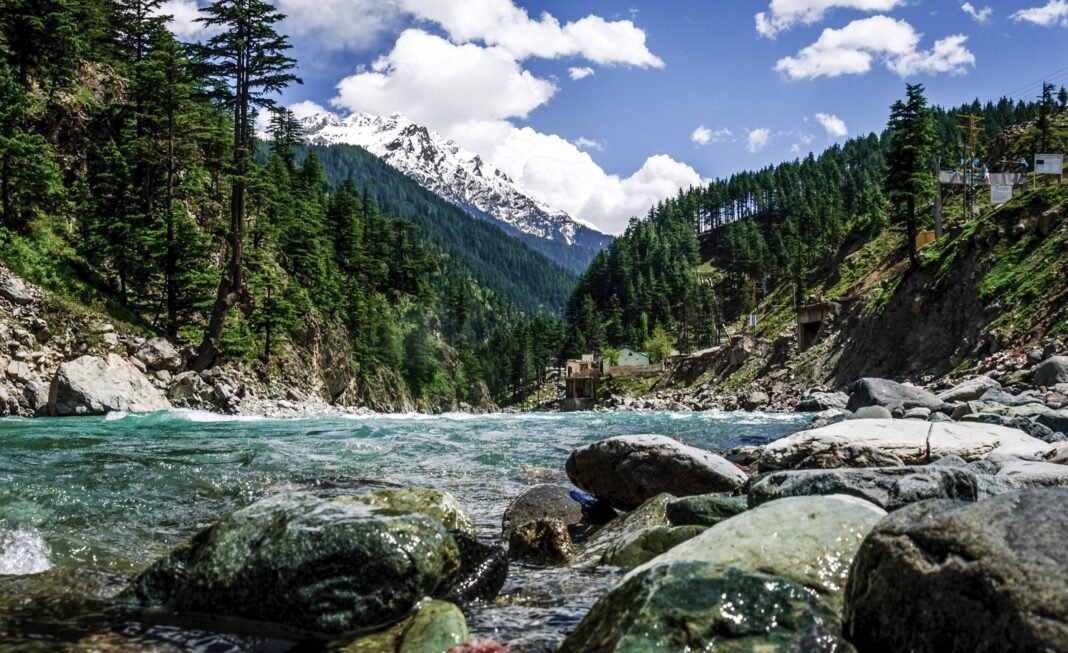
Here is the honest pitch: Jabban is not trying to be the next Hunza, and that is its charm. What it offers is something rarer in Pakistani travel writing — a genuinely easy, genuinely beautiful day out. The Swat River arrives at Jabban fresh from the mountains, wide and green-blue, sliding past banks where families spread their picnic cloths in the shade. Children paddle at the edges, the elders settle in with tea. The hills do the rest. If you live in Mardan or Peshawar, this is your backyard paradise. If you are visiting from further afield, it is the perfect low-effort stop on the road to Swat.
Then there is the history humming quietly in the background. The Malakand-I hydropower station at Jabban — a small run-of-the-river plant of 22 MW from four units — has been generating electricity since July 1938. Think about that: while the world has turned upside down several times over, this little powerhouse on the Swat River has just kept running for well over eight decades. You can see the old station from outside, a piece of living engineering heritage from the late British era, sitting about 7 km upstream of the Dargai plant. It gives an ordinary picnic spot an extraordinary story.
The Gateway to Swat
The setting helps too. Also, Malakand is the gateway district between the plains and the mountains. In fact, the historic Malakand Pass, the old “gateway to Swat,” is right here. The landscape has that in-between magic: hills rising on both sides, the river doing the talking, and air that smells of water and wild grass. It is close enough for a spontaneous plan and pretty enough to feel like a real getaway.
And the future is bright. The Khyber Pakhtunkhwa government has set aside funds to develop Jabban as a tourist site in its 2025–26 plans — better facilities, better access, more reasons to come. Visit now and you get it at its most natural. Visit in a year or two and you may find it polished and even more welcoming. Either way, the river will still be there, doing what it has always done.
History of Jabban, Malakand
Jabban’s story is really two stories braided together: the ancient story of the Malakand region. The modern story of power — electrical power, that is.
Malakand has been a crossroads for millennia. The pass above modern Dargai was the historic gateway between the Peshawar Valley and Swat, used by traders, armies and travellers for centuries. In the 1890s it became famous across the British Empire during the Siege of Malakand (1897). A young Winston Churchill served here as a war correspondent and later wrote about it. The region’s deeper past belongs to the Buddhist Gandhara civilisation — the great Gunyar Stupa and other remains in the district speak to two thousand years of history under these hills.
The modern chapter began with water and engineering. Hungry for power for its cantonments and irrigation works, the British administration harnessed the Swat River at Jabban with the Malakand-I hydropower station, commissioned in July 1938. A run-of-the-river plant — meaning it uses the river’s natural flow rather than a great dam — it produces 22 MW from four generating units and sits about 7 km upstream of the Dargai powerhouse. For a plant of its era to still be operating is remarkable. It stands as one of the oldest working hydropower stations in the region, a quiet monument to 1930s engineering that visitors can view from outside.
In recent years Jabban has begun its third chapter: tourism. Also, long a beloved local picnic spot for the people of Mardan and Malakand, it caught the provincial government’s eye, and funds were allocated in the 2025–26 development plans to build it up as a formal tourist site. In fact, the riverside that once served only shepherds, engineers and picnicking families is becoming a destination in its own right.
Top Things to Do in Jabban, Malakand
Picnic by the Swat River
This is the main event, so do it properly. Arrive by late morning, claim a shady flat spot on the riverbank, and settle in for the day. The classic Jabban picnic means a packed lunch (or a barbecue if your spot allows and you clean up thoroughly), endless chai. The sound of the river as your background music. Bring a football, a cricket bat, or just a good book — the riverside accommodates all ambitions, including none at all.
Walk the Riverside
The banks of the Swat at Jabban invite a slow wander. Also, walk upstream or downstream along the water, watch the river braid around stones and gravel bars, and look for the birdlife that follows the river corridor — kingfishers, herons and wagtails are common. Early morning and late afternoon are the prettiest hours, when the light slants across the water.
See the 1938 Power Station from Outside
The Malakand-I hydropower station is a working power plant, not a museum — you cannot wander inside — but viewing it from outside is worth your time. Consider what you are looking at: machinery and masonry from 1938, still generating power for the grid. It is industrial heritage hiding in plain sight, and it makes a fine backdrop for photographs with a story.
Visit the Local Waterfall
Local vloggers and visitors speak of a small waterfall near the Jaban area that adds a second water feature to the trip — a popular add-on for picnickers, especially after rains when it runs fullest. Ask locals for current conditions and directions. Like everything at Jabban, it is best enjoyed with sensible shoes and sensible caution on wet rock.
Photography
Jabban is generous to photographers: the river’s green-blue water against the Malakand hills, the old power station’s vintage industrial lines, and golden-hour light on the valley. Also, it is an easy place to practice landscape and riverside photography without hauling gear up a mountain.
Stop Over on the Way to Swat
Jabban sits naturally on the Mardan–Malakand–Swat corridor, which makes it the ideal leg-stretcher on a longer northern journey. Break the drive here for an hour or two of riverside calm before continuing up through the Malakand Pass toward Mingora and Swat. Also, your back will thank you.
Famous Places In and Around Jabban, Malakand
- Malakand Pass — the historic gateway to Swat, minutes away, with sweeping views back over the plains.
- Dargai — the nearby market town; stock up on picnic supplies and explore the bazaar.
- Sangano Waterfall — a hidden waterfall in Dargai tehsil, reached by a hiking trail of about 7 km round trip; a rewarding half-day adventure for fit walkers.
- Swat Museum, Saidu Sharif — one of Pakistan’s finest archaeological museums, built by the Wali of Swat in 1959 and rebuilt with Italian assistance; its Gandhara sculpture collection is world-class.
- Fizagat Park, Swat — the riverside park near Mingora, another easy family stop; see our Fizagat Park travel guide.
- Takht-i-Bahi — the great Buddhist monastery ruins near Mardan, a UNESCO World Heritage Site and an easy add-on to the trip.
How to Reach Jabban, Malakand
Getting to Jabban is refreshingly simple — this is a drive, not an expedition. Also, from Mardan, Jabban lies about 45 km to the north via Dargai and the Malakand road: roughly an hour’s drive through increasingly pretty hill country. From Peshawar, take the motorway to Mardan (about 65 km) and continue north — around two hours door to riverside. From Islamabad, the motorway run to Mardan is about 130 km (roughly 2.5 hours), then the same hour north to Jabban, making it a very comfortable day trip or an easy first stop on a Swat itinerary.
Coming from Lahore, drive the motorway to Islamabad and onward (or break the journey overnight in Islamabad). Also, from Karachi, fly to Islamabad or Peshawar and continue by road. In fact, the nearest airport with regular flights is Peshawar’s Bacha Khan International Airport, about two hours from Jabban by road.
Transport options: your own car is ideal — it gives you the freedom to picnic properly and stop where you like. Rental cars with drivers are easily arranged from Mardan, Peshawar or Islamabad, and public vans and coasters run the Mardan–Dargai–Malakand corridor if you are travelling light. The Swat Expressway has further eased access to the whole Malakand region in recent years.
Road conditions are good: motorway to Mardan, then a well-travelled metalled road north through Dargai toward the Malakand Pass. The riverside tracks at Jabban itself are unpaved but short — any normal car manages them in dry weather. In the monsoon months, check local conditions, as the Swat River can rise fast and riverside tracks can get muddy.
Route Details
- Islamabad → Mardan: motorway (M-1), about 130 km, roughly 2.5 hours.
- Mardan → Dargai: north on the Malakand road, about 30 km.
- Dargai → Jabban: continue toward the Swat River; Jabban lies on the river about 45 km total from Mardan.
- At Jabban: park near the riverside, walk to the bank, and pick your picnic spot.
- Onward option: continue over the Malakand Pass to Mingora and Swat (about an hour further).
Where to Stay in Jabban, Malakand
Jabban is a day-trip destination — most visitors picnic and return the same evening. Also, this is exactly the right way to do it. There are no hotels at the riverside itself, and you do not need one. If you want to make a weekend of it, base yourself in Mardan, which has a solid range of mid-range hotels and guesthouses serving business and family travellers, or in Dargai/Malakand, where simpler guesthouses cater to travellers on the Swat road.
For a longer northern tour, Mingora/Saidu Sharif (about an hour beyond the pass) offers the full spectrum from budget guesthouses to comfortable hotels — and puts the Swat Museum, the bazaars and the valley’s restaurants on your doorstep. Whatever you choose, book ahead on public holidays and in the Eid seasons, when the whole corridor fills up.
Where to Eat: Local Foods of Jabban, Malakand
The golden rule of Jabban: bring your own picnic. Also, pack it in Mardan or Dargai — fresh naan, kebabs, fruit. A thermos of chai — because there are no restaurants at the riverside. That said, the road to Jabban runs through some of the best eating country in Khyber Pakhtunkhwa.
Chapli kebab is the undisputed king here — the great flat minced-meat kebab of the Peshawar Valley, crisp-edged and fragrant with spices, best eaten hot from a Mardan or Dargai kebab shop with naan and raita. Lamb karahi, cooked fast in an iron wok with tomatoes, ginger and green chillies, is the celebratory dish of the region. Kabuli pulao — fragrant rice with carrots, raisins and tender meat — appears on every good menu. Also, for the sweet finish, look for fresh jalebi and local bakeries in Dargai bazaar. In fact, a full dhaba meal in this region is hearty and genuinely budget-friendly — mountain hospitality at plains prices.
Weather in Jabban, Malakand
Jabban sits in the low hills, not the high mountains, so its climate is far gentler than the northern valleys. But it still has seasons worth planning around. Also, summers are hot, with the river offering the only real relief. Winters are mild and pleasant, often the prettiest time on the riverside. The monsoon (July–August) brings rain and a swollen, dramatic — and dangerous — river. Local guidance suggests October to April as the best window for relaxed riverside visits.
| Season | Temperature Range | Conditions |
|---|---|---|
| Winter (Nov–Feb) | 5°C to 18°C | Mild, sunny days; crisp riverside air; excellent picnic weather |
| Spring (Mar–May) | 18°C to 32°C | Warm and green; hills at their prettiest; river full from snowmelt |
| Summer (Jun–Sep) | 30°C to 40°C | Hot; seek shade and the river breeze; monsoon swells the river — stay back from the water |
| Autumn (Oct) | 15°C to 28°C | Clear, comfortable, golden light; ideal visiting season begins |
Language and Culture of Jabban, Malakand
This is Pashtun country. Also, the people of Malakand are predominantly Yusufzai Pashtuns. Pashto is the language of the bazaar, the riverside and the home (Urdu is widely understood). The famous Pashtun code of hospitality, melmastia, is real here: guests are honoured, tea is pressed upon you, and help is offered before it is asked for. Return the courtesy with warmth and respect.
Visitor etiquette is straightforward: dress modestly (this matters especially for women — loose, covering clothing earns comfort and respect), ask before photographing people, and keep the riverside clean — the Swat River is the valley’s lifeline, not a dustbin. If you barbecue, do it well away from dry grass, extinguish everything completely, and carry out every scrap. Friday afternoons and public holidays bring local families out in force. Join the festive atmosphere, but give family groups their space.
Shopping in Jabban, Malakand
There are no souvenir shops at the riverside — shop in the towns. Dargai bazaar, minutes away, is the practical stop: picnic supplies, fresh fruit, drinks, and everyday goods at local prices. Mardan offers proper markets for anything else you need, from clothing to electronics. Also, for keepsakes of the region, look in Mardan and Peshawar for Peshawari chappals, embroidered shawls. In fact, the valley’s famous dry fruits — walnuts, almonds and dried apricots from Swat and the northern valleys, sold by weight in every bazaar. No shopping malls out here — and none needed.
Travel Tips for Jabban, Malakand
Packing Essentials
Sun protection (hat, sunscreen, sunglasses) — the riverside sun is strong even in winter. Swimwear or spare clothes if anyone plans to paddle. Meanwhile, a picnic mat or foldable chairs; rubbish bags (non-negotiable); drinking water; a basic first-aid kit; and a power bank. In summer, add insect repellent for the riverside evenings.
Safety Tips
The Swat River is beautiful and deceptively powerful — never swim in the main current, keep children within arm’s reach at the water’s edge, and stay well back during and after monsoon rains when the river rises fast. Park only on firm, level ground away from the waterline. The area is generally safe for families and day-trippers; as everywhere, keep valuables out of sight in parked cars.
Money & Connectivity
Bring cash in rupees — there are no ATMs at the riverside, though Mardan and Dargai have banks and ATMs. Mobile signals from all major networks (Jazz, Telenor, Zong, Ufone) generally work in the Jabban area, though data speeds vary. Fuel up in Mardan or Dargai; there is no petrol pump at the picnic spot.
Best Time to Visit Jabban, Malakand
Autumn to Spring (October–April) — the sweet spot
This is Jabban at its best: mild temperatures, clear skies, a calm river, and perfect picnic weather. Also, winter days are often brilliantly sunny — pack a light jacket for the riverside breeze and enjoy having the place nearly to yourself on weekdays.
Spring (March–May) — green and lively
The hills turn vivid green, the river runs full with snowmelt, and wildflowers dot the banks. It gets warmer by May, so aim for mornings and late afternoons. Also, a lovely season for photography and family outings.
Summer (June–September) — hot but doable
Daytime heat is real (often pushing 40°C), but early mornings and evenings by the water are pleasant. The river breeze helps. Avoid the monsoon peak: the Swat River swells dangerously in July–August, and riverside picnicking becomes unsafe. If you come in summer, come early, leave by midday, and respect the river.
Monsoon caution (July–August)
Not a season but a warning: during heavy monsoon rains the river can rise with frightening speed. Check the weather, ask locals about river conditions, and never camp or park close to the waterline in these months.
Final Thoughts
Jabban, Malakand will not make you a mountaineer, and it does not need to. Also, what it does — beautifully — is give you a perfect day: a clear river, green hills, a picnic done right. A 1938 power station humming its quiet history in the background. For families in Mardan and Peshawar it is the easiest great day out in the region. For travellers heading north it is the ideal first taste of the Swat River before the mountains begin.
So pack the basket, fuel the car, and point it at Malakand. Also, the river is waiting, and the kettle — somewhere on that bank — is already on. For more easy escapes and northern adventures, browse our Explore Pakistan collection or plan the next leg with our Malam Jabba travel guide.
FAQs
Where is Jabban, Malakand located?
Jabban is on the Swat River in Malakand District, Khyber Pakhtunkhwa — about 45 km north of Mardan, near Dargai.
What is the best time to visit Jabban, Malakand?
October to April offers the best weather: mild, sunny days and a calm river, ideal for picnics. Avoid the monsoon months when the river swells.
How do I reach Jabban, Malakand?
Drive from Mardan (about 45 km, one hour) via Dargai on the Malakand road. Also, From Islamabad it is about 3.5 hours via the motorway; from Peshawar about two hours.
Is Jabban, Malakand safe for families?
Yes — it is one of the region’s most family-friendly outings. Keep children supervised near the water and avoid the riverside during monsoon season.
What is the old power station at Jabban?
The Malakand-I hydropower station, a 22 MW run-of-the-river plant with four units, has been generating electricity since July 1938 — viewable from outside.
Are there hotels at Jabban?
No — it is a day-trip picnic spot. Also, stay in Mardan (mid-range hotels) or continue to Mingora/Saidu Sharif for a longer trip.
What food should I try around Jabban?
Bring a picnic, but eat on the way: chapli kebab, lamb karahi and kabuli pulao in Mardan and Dargai are outstanding and budget-friendly.
Can I combine Jabban with a Swat trip?
Perfectly — Jabban sits on the Mardan–Malakand–Swat corridor. Stop for a riverside break, then continue over the Malakand Pass to Mingora in about an hour.