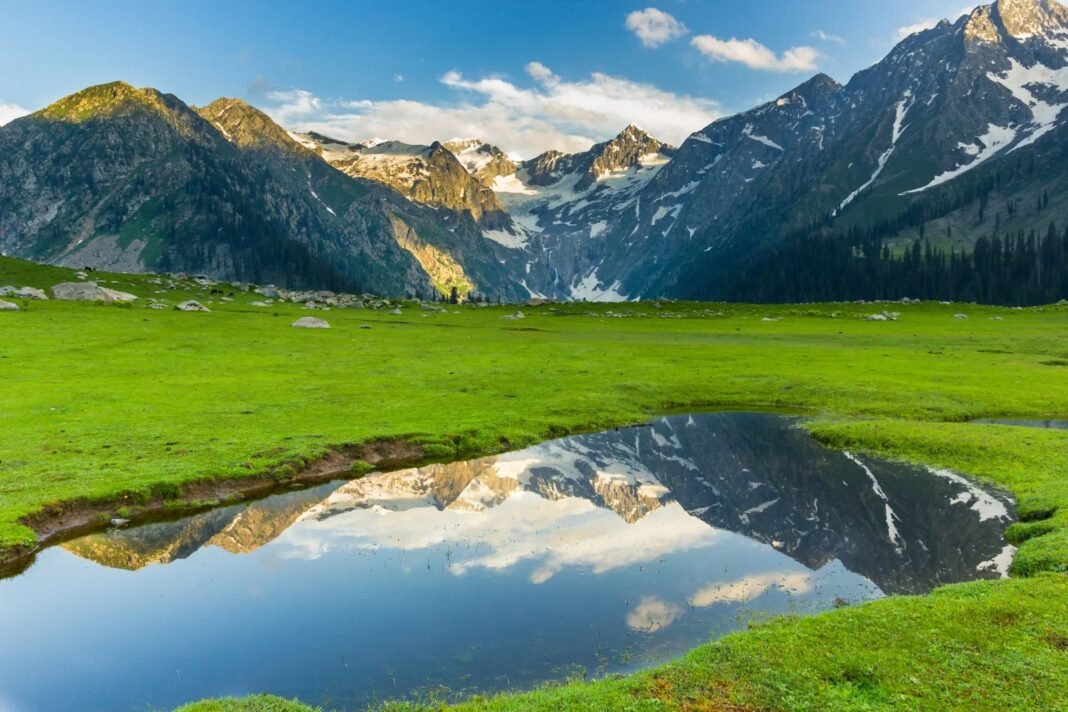
There is a meadow high in the mountains of Upper Dir where the grass grows so green it looks unreal, where snow peaks rise on every side like the walls of an amphitheatre, and where the only sounds are the wind, the bells of grazing animals, and your own breathing after the climb. Also, its name is Jahaz Banda, the “ship’s deck”. It is quite simply one of the most beautiful alpine meadows in Pakistan.
Jahaz Banda does not give itself away easily. Also, you cannot drive to it. You earn it with a trek through pine forests and mountain ridges. That effort is exactly what keeps it pristine. While the famous meadows of the north grow crowded each summer, Jahaz Banda still feels like a secret shared among those willing to walk. If your idea of the perfect trip involves earning your views, sleeping under impossible stars, and standing somewhere that makes your heart beat faster, this Jahaz Banda travel guide is for you.
Quick Facts
- Location: Upper reaches of Kumrat Valley, Upper Dir District, Khyber Pakhtunkhwa, Pakistan
- Altitude: Around 3,100 metres above sea level
- Famous For: A vast alpine meadow shaped like a ship’s deck, ringed by snow-capped peaks, and the gateway trek to Katora Lake
- Nearest City: Thal village (gateway town); the nearest major city is Dir, with Islamabad the nearest big-city start point
- Accessibility: Jeep track to Taki/Takki Top, then a 2 to 3 hour trek; no road reaches the meadow itself
- Known Landmarks: Jahaz Banda waterfall, Katora Lake (trek beyond), surrounding peaks including Katora Peak
- Best For: Trekkers, campers, nature photographers, adventure seekers and anyone craving true mountain solitude
Why Visit Jahaz Banda
Pakistan has no shortage of famous meadows, but Jahaz Banda has something the others are losing: the feeling of discovery. Because reaching it requires a real trek, the meadow filters out the casual crowds. What remains are fellow walkers, shepherds with their flocks. A landscape so vast and quiet that it recalibrates your sense of scale. The meadow spreads out like the deck of a great ship, which is exactly how it earned its name, with the snow-covered Katora Peak and the dark ridges of the surrounding ranges rising beyond.
The journey is the point here as much as the destination. The trek from Taki Top climbs through deodar and pine forest, crosses ridgelines with expanding views, and finally crests into the open bowl of the meadow itself. That first sight of Jahaz Banda, after hours of walking, is one of those travel moments people remember for years. It is the kind of place that makes you understand why trekkers keep coming back to the mountains: no photograph quite prepares you, and no description quite captures the scale.
Base Camp for Bigger Adventures
Jahaz Banda is also the perfect base camp for bigger adventures. Also, the fabled Katora Lake, a glacial bowl of turquoise water at around 4,000 metres, lies a demanding trek beyond the meadow. Kund Banda and the high pastures above offer days of exploration. You can make Jahaz Banda a two-night stop on a Kumrat Valley circuit. The centrepiece of a dedicated trekking trip. Either way, it rewards those who linger: sunrises that set the peaks on fire, wildflowers in July and August, and night skies so clear the Milky Way casts shadows.
Finally, there is the human side. The meadow has a small seasonal settlement of camps and huts. The local people, mostly Pashtun herders and tourism workers from the Dir valleys, are famously hospitable. Evenings around a campfire, with chai and stories and the cold mountain air, are as much a part of the Jahaz Banda experience as the scenery. If you are choosing between Pakistan’s great alpine destinations on our Explore Pakistan pages, choose the one you have to walk to. You will not regret it.
History of Jahaz Banda
Jahaz Banda has no ancient monuments and no recorded kings. Also, its history is the older, quieter history of the high pastures. In fact, For centuries, the meadows of the upper Kumrat region were the summer grazing grounds of herders from the Dir valleys, who drove their sheep, goats and cattle up to the alpine grass each summer in the great seasonal migration known as transhumance. The name itself, “ship’s deck”, comes from the meadow’s distinctive shape as seen from the surrounding ridges: a broad, flat expanse that looks like the deck of a vessel sailing through a sea of peaks.
From Princely Dir to Viral Meadows
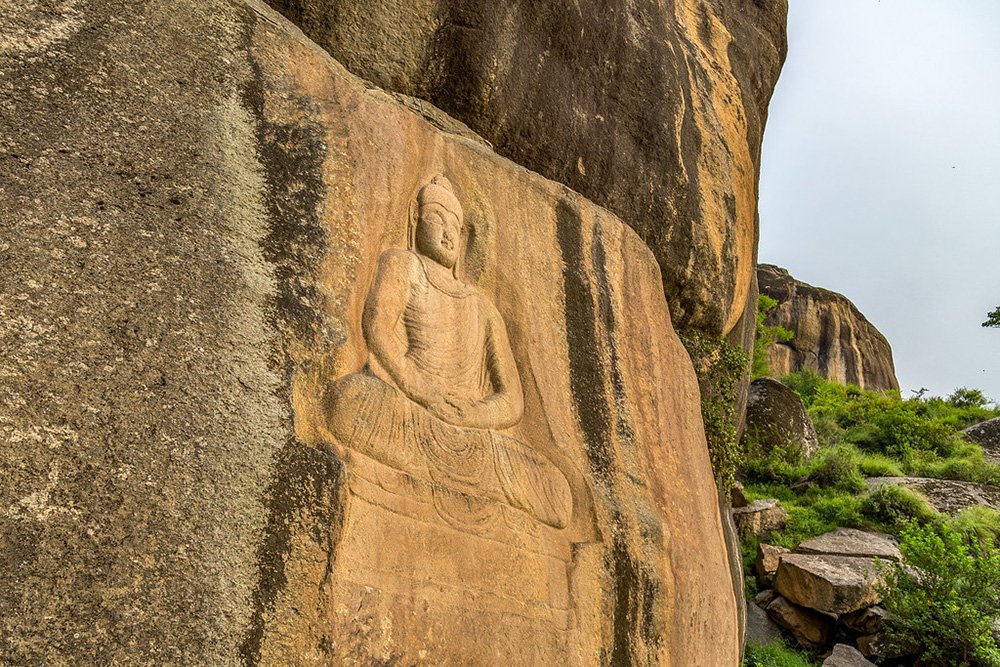
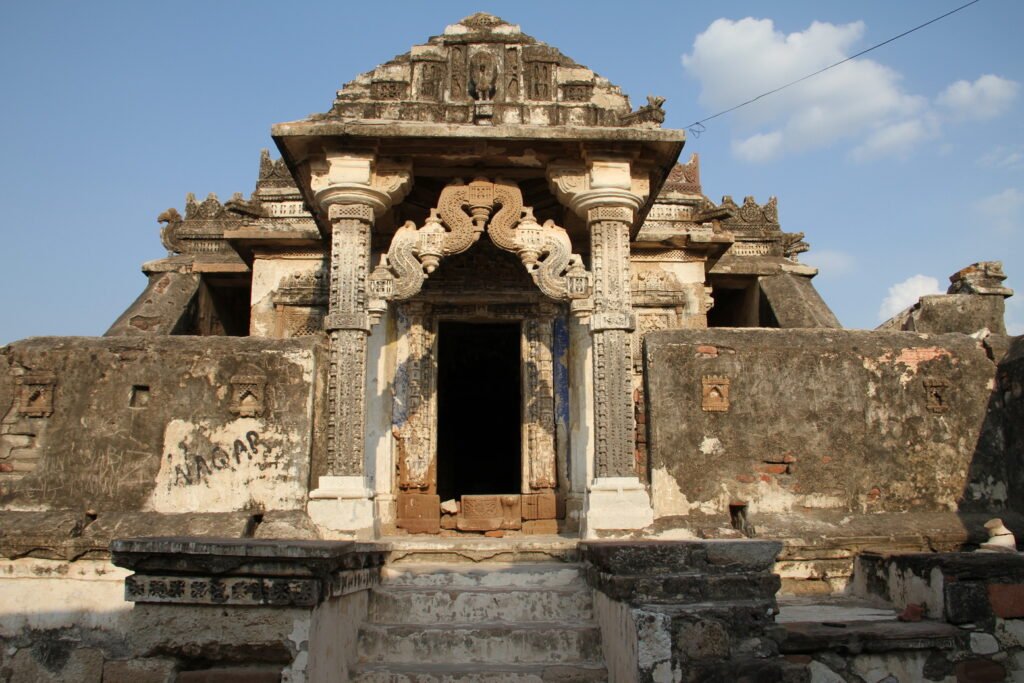
The wider region carries deeper historical currents. Also, Upper Dir and the Kumrat Valley lie in what was once the frontier zone of the ancient Gandhara civilisation. Buddhist influence left its traces across these valleys long before Islam arrived with the Ghaznavid era. Dir itself was a princely state until 1969, ruled by the Nawab of Dir. The area remained remote and little visited by outsiders for most of the 20th century. The people of these valleys are predominantly Yusufzai and allied Pashtun tribes, whose traditions of hospitality and honour shape the traveller’s experience to this day.
Jahaz Banda’s modern history as a trekking destination is remarkably recent. Kumrat Valley as a whole only emerged on Pakistan’s tourism map in the mid-2010s. Improved roads to Thal and a wave of social media exposure revealed its deodar forests and the Panjkora River to a national audience. Jahaz Banda followed as the valley’s great trekking prize: the meadow you reach on foot while the crowds stay by the river below. In less than a decade it has gone from a herders’ pasture known mainly to locals to one of the most talked-about alpine destinations in Khyber Pakhtunkhwa. The trek requirement has kept it mercifully uncrowded.
Visiting now means experiencing a destination at the sweet spot of its story: known enough to have camps and guides, wild enough to still feel like an expedition.
Top Things to Do in Jahaz Banda
Trek from Taki Top to the Meadow
The classic approach is the trek from Taki (Takki) Top, the jeep drop-off point, to the meadow itself, a walk of roughly 2 to 3 hours for a fit trekker. Also, the trail climbs steadily through forest and open ridge, with viewpoints that expand with every step. In fact, Take it slowly, drink water, and remember you are gaining serious altitude. Travellers who prefer not to walk the whole way can hire horses at Taki Top. The ride takes a similar time and the horsemen know every stone of the trail. Either way, the moment the meadow opens before you is pure magic.
Trek to Katora Lake
The great expedition from Jahaz Banda is the trek to Katora Lake, a glacial lake at around 4,000 metres whose bowl shape gives it its name (“katora” means bowl). Also, the walk takes 3 to 4 hours each way over demanding terrain, past streams, moraines and high pastures. In fact, the lake is usually frozen outside the summer months. Start early, carry food and water, and consider a local guide: the weather at that altitude changes fast. The reward is one of the most spectacular alpine lakes in Pakistan, ringed by peaks with the 4,800-metre Spindhor massif looming above.
Camp Under the Stars
Sleeping at Jahaz Banda is non-negotiable if you can manage it. Also, the meadow’s camps offer tents and basic huts. In fact, the night sky at 3,100 metres, far from any city lights, is genuinely extraordinary. The Milky Way arches overhead in a detail most people have never seen. The cold, thin air makes every star razor sharp. Bring warm layers even in summer: nights can drop toward freezing. A campfire, hot chai and good company complete one of Pakistan’s great overnight experiences.
Chase the Waterfalls and Streams
The meadow is threaded with streams fed by snowmelt. Also, the Jahaz Banda waterfall tumbles down the rocks at the meadow’s edge in a white ribbon of spray. These water features are at their most dramatic in June and July when the snowmelt peaks. Photographers should explore the stream crossings at different times of day. Morning light on the water, with mist rising off the grass, is unforgettable.
Horseback Riding Across the Meadow
Horses are part of life at Jahaz Banda, and riding across the open meadow with the peaks all around is a wonderful way to cover ground if your legs are tired from the trek in. Local horsemen offer rides by the hour or for the trip back down to Taki Top. Agree on the price beforehand and wear the warm clothing you brought: the wind across the open grass is colder than it looks.
Photograph Wildflowers and Wildlife
In July and August the meadow erupts in wildflowers, painting the green grass with splashes of colour that change week by week. Also, marmots whistle from the rocks, eagles ride the thermals overhead, and grazing herds of sheep and goats add life to the landscape. In fact, dawn and dusk are the golden hours in every sense: the low sun rakes across the meadow, the peaks turn pink and gold. The whole amphitheatre glows.
Famous Places In and Around Jahaz Banda
- Katora Lake: Glacial bowl lake at ~4,000m, 3-4 hours’ demanding trek from the meadow.
- Kund Banda: A neighbouring high meadow, quieter still, for extended exploration.
- Taki Top: The jeep-accessible trailhead and your gateway to the trek.
- Kumrat Valley: The forested valley below, with the Panjkora River, waterfalls and Kala Chashma.
- Thal Village: The last bazaar town before the mountains, for supplies and jeep hire.
- Badgoi Pass: The high seasonal pass linking Kumrat with Swat’s Utror valley.
How to Reach Jahaz Banda
Reaching Jahaz Banda is a genuine expedition, and planning it properly is part of the adventure. Also, the journey has three stages: the long road to Thal in Upper Dir, the jeep track from Thal toward Kumrat and Taki Top. In fact, the final trek on foot. Here is how to reach Jahaz Banda from Pakistan’s major cities.
From Islamabad: The distance to Thal is around 370 to 390 kilometres. Also, the drive takes 8 to 10 hours. Take the M1 Motorway toward Peshawar, join the Swat Motorway (M16), exit at Chakdara and follow the N45 through Timergara and Dir to Thal. In fact, From Thal, only 4×4 jeeps can continue: hire one at Thal bazaar for the rough track into Kumrat Valley and on to Taki Top, the trailhead for Jahaz Banda. Most travellers overnight in Thal or Kumrat and trek up the next morning.
From Lahore: Expect 700 to 730 kilometres and 12 to 14 hours on the road. The route runs Lahore → M2 → Islamabad → M1 → Swat Motorway → Chakdara → Dir → Thal, then jeep and trek as above. This is realistically a two-day journey with a night halt in Dir or Thal. This most travellers actually enjoy as part of the experience.
Karachi Route and Seasonal Roads
From Karachi: Fly to Islamabad (about two hours), then follow the Islamabad route above. The whole journey from Karachi to the meadow takes at least two days, so plan a proper itinerary rather than rushing. There is no airport anywhere near Kumrat; Islamabad International is the closest air link.
Road conditions by season: The road to Thal is paved but narrow and winding in its upper reaches. Meanwhile, the jeep track beyond Thal is unpaved, rough and strictly for 4×4 vehicles; after rain it becomes genuinely challenging. The track and the trek are effectively closed by snow from around November to April. An adventurous alternative route crosses the Badgoi Pass (over 11,000 feet) from Utror in Swat to Thal, open only from June to October and only for experienced drivers with 4x4s.
Transport options: Private cars can reach Thal but no further; from there you must hire a local jeep. Also, public transport (coasters and wagons) runs to Thal from Dir and other towns. Organised tour operators run Kumrat and Jahaz Banda packages from Islamabad and Lahore that bundle transport, jeeps, guides, tents and food, which is the easiest option for first-timers. For the final trek, you walk, or hire a horse at Taki Top.
Route Details
Islamabad → M1 → Swat Motorway (M16) → Chakdara → N45 via Timergara → Dir → Thal (overnight recommended) → 4×4 jeep to Taki/Takki Top → trek 2-3 hours to Jahaz Banda meadow → optional 3-4 hour trek to Katora Lake. Also, From Lahore, prepend M2 Lahore-Islamabad. From Karachi, fly to Islamabad first. Jeep hire is arranged at Thal bazaar. Agree the fare and destination (Taki Top) clearly before departing.
Where to Stay in Jahaz Banda
Accommodation at Jahaz Banda is delightfully simple: camps and basic huts on the meadow itself, run by local operators during the summer season. Expect a tent with bedding, shared washing arrangements, and meals cooked over fire or stove. It is not luxury, but the setting, 3,100 metres up with peaks on every horizon, is more luxurious than any five-star view. Weekends in July and August can fill up.. Still, book through a tour operator or arrange on arrival in peak season,
One step down the mountain, Kumrat Valley offers a wider range: riverside campsites, wooden huts and small hotels along the Panjkora, with options from basic tents (a few thousand rupees a night) to comfortable hotel rooms. Many travellers split their trip: a night or two in Kumrat, then up to Jahaz Banda for the high-meadow experience.
Thal village, the gateway town, has simple guesthouses and hotels for the night before the jeep track, useful if you arrive late. For those who want proper hotel comfort before and after the trek, Dir town on the main road has the best mid-range hotels in the area. Whatever you choose, remember that everything beyond Thal is seasonal: from late autumn to early spring, the upper valley essentially closes and only the towns remain open.
Where to Eat: Local Foods of Jahaz Banda
Food at 3,100 metres tastes better than it has any right to, partly because you have earned every bite. On the meadow itself, the camps serve simple, filling meals: daal, rice, chicken karahi, fresh roti and chai, cooked with ingredients carried up from the valleys. Prices are higher than in the towns. These is fair enough given that everything arrives on horseback or on someone’s back. Carry snacks, dry fruit and energy bars for the trek itself.
Down in Kumrat and Thal, you eat classic northern Pakistani food at riverside dhabas: chapli kebab, chicken karahi, trout from the Panjkora’s cold waters, and endless cups of doodh patti. Also, the trout of these valleys, fried crisp and served with lemon, is a genuine highlight. In fact, a dhaba meal in Thal costs only a few hundred rupees per person. On the meadow, expect to pay more, and consider it part of the adventure budget.
Practical advice: eat a solid breakfast in Thal or Kumrat before trekking up, carry at least two litres of water per person plus snacks, and confirm meal arrangements with your camp when you arrive at the meadow. If you have dietary needs, tell your tour operator in advance, as options on the mountain are limited.
Weather in Jahaz Banda
At 3,100 metres, Jahaz Banda has a true alpine climate: short, glorious summers and long, severe winters. Even in July, nights can flirt with freezing. The weather can swing from brilliant sunshine to cold rain within hours. The trekking season is essentially limited to the months when the snow has cleared and the track is open. Also, here is the seasonal picture:
| Season | Temperature Range | Conditions |
|---|---|---|
| Winter (Dec-Feb) | -10 to 2°C | Heavy snow, meadow inaccessible, track closed; only for the hardiest winter travellers in the lower valley |
| Spring (Mar-May) | 2 to 15°C | Snowmelt, streams in full flow; upper meadows still snowbound until late May; track opens progressively |
| Summer (Jun-Aug) | 8 to 22°C | Peak season: green meadows, wildflowers, accessible Katora Lake; chilly nights, occasional rain |
| Autumn (Sep-Nov) | 0 to 15°C | Clear skies, golden grass, thinning crowds; snow returns by November, season ends |
Language and Culture of Jahaz Banda
The valleys around Jahaz Banda are home to Pashtun communities. Also, Pashto is the language you will hear in Thal, Kumrat and on the meadow, with Urdu widely understood in tourist dealings. In fact, the culture is shaped by the Pashtun code of hospitality: travellers are guests to be honoured. You will find help offered freely, from directions on the trail to a cup of chai at a herder’s tent. A greeting of “Assalam-o-Alaikum” and a smile go a very long way.
Life here follows the seasons. The meadow settlement exists only in summer; in winter the herders and camp operators descend to the valleys. Respect the rhythm: keep noise down at night, do not disturb grazing animals, and ask before photographing people. Dress modestly and practically, layers for the mountain weather rather than anything flashy. If you are offered food or tea by locals, accept graciously; refusing hospitality can cause offence. And on the trail, the mountain etiquette is universal: greet fellow trekkers, yield to horses, and leave no trace.
Shopping in Jahaz Banda
There is no shopping at Jahaz Banda itself, and that is exactly the point. Do your buying in Thal bazaar before heading up: the market stocks trekking snacks, dry fruits, woollen socks and caps, basic rain gear and the famous walnuts and dried apricots of the Dir valleys. Kumrat’s small shops sell similar supplies plus local honey.
For souvenirs, look for hand-knitted woollen items, traditional embroidered caps and shawls in Thal and Dir, all made locally and sold at honest prices. There are no malls anywhere near these valleys, nor should there be. Also, buy what you need, support the local economy, and carry your memories in photographs.
Travel Tips for Jahaz Banda
Packing Essentials
This is a trekking destination, so pack like one: broken-in hiking boots with ankle support, warm layers including a proper jacket (nights are cold even in August), rain protection, a warm sleeping bag if camping independently, a headlamp, sunscreen and sunglasses (the alpine sun is fierce), at least two litres of water capacity, energy snacks. Meanwhile, a basic first-aid kit. A trekking pole saves knees on the descent. Pack everything in a comfortable daypack; porters and horses can carry larger bags by arrangement.
Safety Tips
The trek is moderately challenging and altitude is real: ascend slowly, stay hydrated, and turn back if you feel dizzy or nauseous. Weather changes fast above 3,000 metres, so start treks early and keep rain gear handy. Never trek alone on the Katora Lake trail; hire a local guide. Inform someone of your plans, and note that mobile signals fade beyond Taki Top. The region is peaceful and locals are helpful, but mountain safety is your own responsibility.
Money & Connectivity
There are no ATMs beyond Dir town, and no card payments anywhere near the meadow. Also, withdraw all the cash you will need in Dir or Timergara, in small notes. Budget for jeep hire, horse hire, camp fees and meals, plus a contingency. Mobile signals (Jazz, Telenor, Zong) work in Thal and patchily in Kumrat but disappear on the trek and at the meadow, so download offline maps and tell family you will be out of contact.
Best Time to Visit Jahaz Banda
Summer (June to September): The Prime Window
This is when Jahaz Banda is at its best and, frankly, the only time most travellers should attempt it. Also, the snow has cleared, the meadow is green, wildflowers peak in July and August, Katora Lake is accessible. In fact, the camps are open. June offers lush freshness, July and August bring the full summer bloom (and the most visitors). September brings golden grass, crystal-clear air and thinning crowds. Daytime temperatures are pleasant; nights are cold year-round.
Late Spring (May): The Shoulder Gamble
May can work for the lower Kumrat Valley. Jahaz Banda itself is often still snowbound or a churned landscape of meltwater. Only attempt if you confirm locally that the track and trail are open. It be prepared for a much wilder, colder experience.
Autumn (October): The Last Light
Early October can be magical, with golden meadows and empty trails. Meanwhile, the season is ending: camps close, temperatures drop fast, and the first snows can arrive without warning. In fact, Late October onward, the meadow belongs to the snow again.
Winter (November to April): Closed
Heavy snow closes the jeep track and buries the meadow. Also, Jahaz Banda in winter is a beautiful idea and a dangerous reality. In fact, leave it to the snow leopards and wait for summer.
Final Thoughts
Jahaz Banda is not the easiest destination in Pakistan. That is precisely why it matters. In an age when every viewpoint has a parking lot, there is something profoundly refreshing about a place you can only reach on foot, where the stars are undimmed, the air is thin and clean. Also, the mountains do not care about your schedule. The trek will test your legs, the nights will test your warm clothes. The meadow will reward you with one of the great landscapes of the north.
Go in summer, go prepared, and give it at least two nights: one to arrive and catch your breath, one to trek to Katora Lake or simply wander the meadow’s edges. Travel with a reputable operator if it is your first high-altitude trek, respect the fragile alpine environment, and leave the meadow as pristine as you found it. For more mountain inspiration, explore our Explore Pakistan guides, from Malam Jabba to the heritage valleys of Swat, and start planning the walk you will remember forever.
FAQs
Where is Jahaz Banda located?
Jahaz Banda is a high meadow in the upper Kumrat Valley, Upper Dir District, Khyber Pakhtunkhwa, at about 3,100 metres above sea level.
What is the best time to visit Jahaz Banda?
June to September. Also, the snow has cleared, the meadow is green, Katora Lake is accessible and the camps are open. In fact, July and August are peak season.
How do I reach Jahaz Banda from Islamabad?
Drive 8-10 hours (370-390 km) to Thal via the M1, Swat Motorway and Dir, hire a 4×4 jeep to Taki Top, then trek 2-3 hours to the meadow.
Is the Jahaz Banda trek difficult?
It is moderately challenging: a steady 2-3 hour climb at altitude. Also, reasonably fit beginners can do it with pacing and rest stops; horses are available at Taki Top.
Is Jahaz Banda safe for tourists?
Yes. Also, the region is peaceful and locals are famously hospitable. The main risks are mountain weather and altitude, so trek prepared and consider a guide.
Can families visit Jahaz Banda?
Active families with older children do visit. It suits teenagers and adults better than small kids: the trek, the altitude and the basic camps are demanding for little ones.
Where can I stay at Jahaz Banda?
Seasonal tent camps and basic huts on the meadow itself, plus wider options (camps, huts, small hotels) down in Kumrat Valley and guesthouses in Thal.
What should I eat there?
Camp meals of daal, rice, chicken karahi and chai on the meadow. Also, trout, chapli kebab and doodh patti in Kumrat and Thal. In fact, carry trek snacks and water.