Quick Facts
- Location: Neelum Valley, Azad Jammu & Kashmir — 19 km beyond Sharda, on the Neelum River
- Altitude: Around 2,097 metres (6,879 feet) above sea level
- Famous For: The gateway to Arang Kel, Shounter Valley and Chitta Katha Lake; wooden mountain village; mountaineering base camp for Sarwali Peak
- Nearest City: Muzaffarabad, around 155 km to the south
- Accessibility: Paved but narrow and winding road from Muzaffarabad via Keran and Sharda; jeep or car in fair weather, roughly 6–8 hours from Muzaffarabad
- Known Landmarks: The Shounter Nullah confluence, the chairlift (doli) to Arang Kel
- Best For: Trekkers, mountaineers, adventure seekers, photographers, and travellers heading deeper into upper Neelum Valley
Why Visit Kel
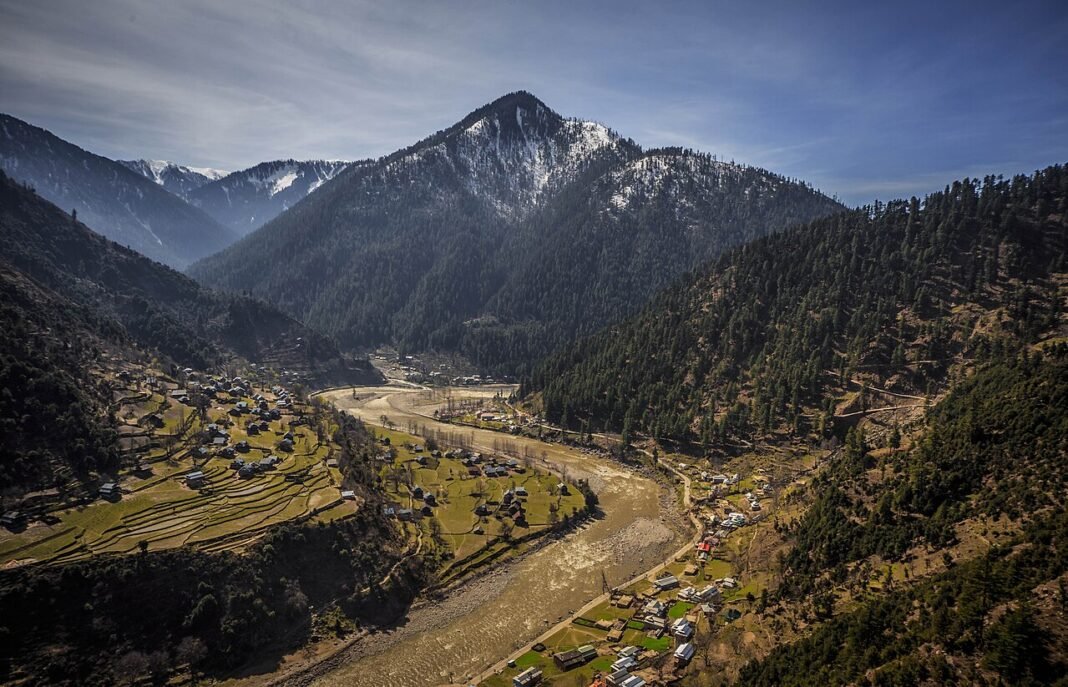
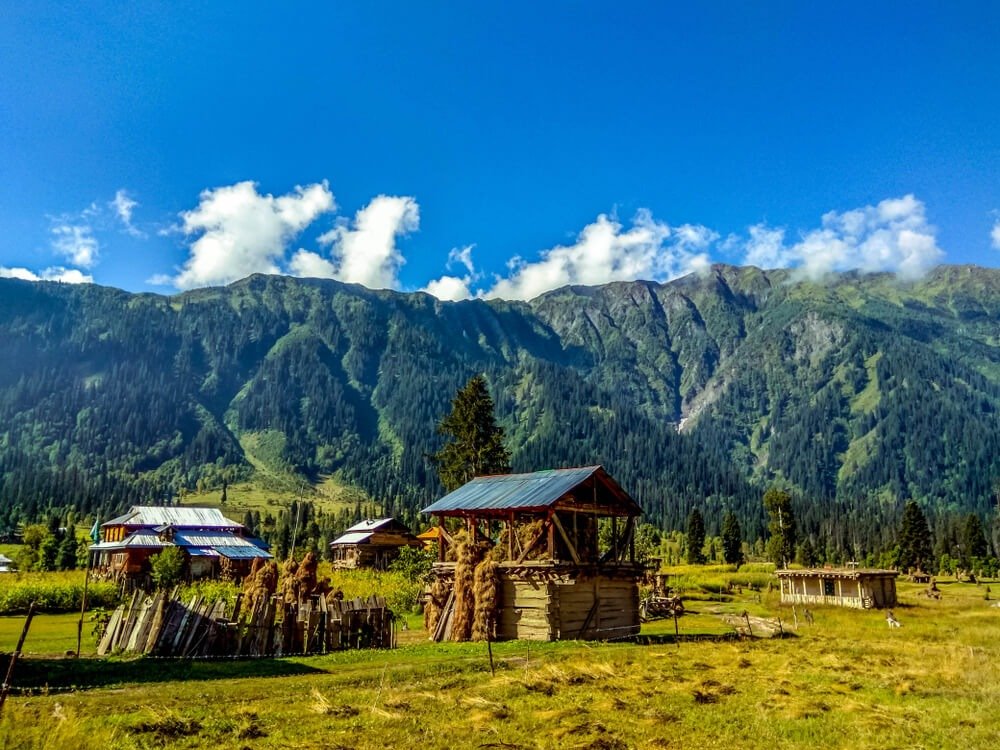
Kel does not try to impress you — and that is precisely why it stays with you. Also, this small wooden village sits at 2,097 metres in the upper Neelum Valley, where the Shounter Nullah rushes down to join the Neelum River, and life moves at the pace of the seasons. The houses are timber and tin, the fields are terraced into the hillsides, and behind everything rise pine-clad mountains that turn gold in autumn and white in winter. It is the kind of place where you arrive planning to stay one night and end up staying three.
But Kel is more than a pretty village. Also, it is the doorway to everything wild in this corner of Azad Kashmir. From here, the legendary Arang Kel meadow floats just 2 kilometres above on its hilltop, reached by a swaying chairlift and a forest hike. Also, From here, jeep tracks climb into the raw Shounter Valley toward Shounter Lake. From here, trekkers set off for the high, glacier-fed Chitta Katha Lake. And from here, mountaineers have launched expeditions toward Sarwali Peak, the 6,326-metre giant on the valley’s edge. If Neelum Valley is Azad Kashmir’s crown jewel, Kel is the clasp that holds it together.
Linger in the Upper Valley
This Kel travel guide is written for the traveller who wants the real upper valley — not just the postcard stops. Kel rewards those who linger: dawn mist on the river, woodsmoke curling from chimneys, shepherds moving their flocks along the tracks, and nights so clear the Milky Way looks close enough to touch. Also, the village has grown into a proper travellers’ hub with guesthouses, restaurants and jeep stands. It has kept its soul. Come for the gateway, stay for the village itself.
Kel is perfect for the trekker plotting their next summit, the family wanting one authentic mountain night before the famous meadows. The photographer chasing the soft light of the upper valley. It is the last comfortable stop before the road climbs into the true wilderness — and the first place that makes you understand why people fall in love with Neelum.
History of Kel
Kel’s history is the history of the upper Neelum Valley itself. A remote mountain corridor shaped by geography long before it appeared on any tourist map. Also, the valley, known historically along the Kishenganga (Neelum) River, lay within the princely state of Jammu and Kashmir, a rugged frontier region where small mountain communities lived by farming, herding and timber, largely cut off from the plains by high passes and narrow gorges.
After 1947, the valley became part of Azad Jammu & Kashmir, administered by Pakistan. Also, the Line of Control settled along the Neelum River in places. In fact, the river that Kel sits on is, in stretches, the very boundary. In addition, for decades Kel remained what it had always been: a quiet high village known mainly to shepherds, soldiers and the occasional mountaineer. For example, its modern fame began with the climbers. The Shounter Nullah valley above Kel leads to the Shounter Pass (4,420 metres), an old route toward Gilgit. The region’s great walls drew expedition teams.
Kel became the natural base camp, the place where porters were hired, supplies were gathered. The long walk toward Sarwali Peak (6,326 m) began.
The traveller’s Kel is much newer. Also, As Pakistan’s domestic tourism boomed in the 2010s, the road up the Neelum Valley improved, guesthouses multiplied. Kel transformed from an expedition staging post into one of Azad Kashmir’s beloved destinations — while somehow keeping its wooden houses, terraced fields and unhurried rhythm intact. The chairlift to Arang Kel turned the village into a hub, and today Kel is where nearly every upper-Neelum journey pauses, refuels, and looks up at the mountains with bigger plans.
Top Things to Do in Kel
Ride the Chairlift to Arang Kel
The single most famous experience from Kel is the journey up to Arang Kel, the “pearl” meadow perched at 8,379 feet on the hilltop 2 kilometres away. Also, a hand-operated chairlift — the local doli — carries you across the Neelum River gorge, hanging high above the water, followed by a scenic hike of about 1.5 to 2 hours through pine forest to the meadow. Arang Kel’s rolling green pastures, wooden huts and 360-degree mountain views are the stuff of desktop wallpapers. Start early, carry water, and give yourself a full day — or better, stay a night up there in a hut.
Read our full Arang Kel travel guide before you go.
Trek to Chitta Katha Lake
For serious trekkers, Kel is the launch point for Chitta Katha, a stunning high-altitude alpine lake fed by glaciers, sitting well above 13,000 feet. The trek is demanding — typically a multi-day expedition with camping — and requires a guide, proper gear and good fitness. But those who make it describe an almost otherworldly lake of impossible blue beneath stark peaks. Arrange the trek through a registered guide in Kel or Sharda, and go only between July and September when the high trails are clear of snow.
Explore Shounter Valley
From Kel, jeep tracks climb northeast into Shounter Valley, a raw and far less visited side valley of rushing streams, summer pastures and the beautiful Shounter Lake. Also, the drive itself is an adventure — narrow tracks, waterfalls spilling across the road, and meadows where nomadic herders graze their animals in summer. In fact, Shounter is for the traveller who has seen the famous sights and wants the valley’s wilder, quieter side. Hire a local jeep with a driver who knows the track; do not attempt it in a regular car.
Walk the Village and the Riverbanks
Slow down and let Kel show itself. Also, walk the lanes between the wooden houses, watch the terraced fields being worked, and follow the paths down to where the Shounter Nullah meets the Neelum in a rush of white water. In fact, the confluence viewpoint is a fine picnic spot, and the evening light on the river is superb for photography. The villagers are famously hospitable — a greeting and a smile often lead to an invitation for chai.
Fish for Trout in the Neelum
The cold, clear waters of the Neelum and its tributaries hold trout, and fishing is a beloved pastime in the upper valley. Also, local guesthouses can point you to the good spots and the permit requirements. Even if you do not fish, the riverside restaurants serve fresh trout — simply grilled or fried — and it is one of the great meals of a Neelum trip.
Famous Places In and Around Kel
- Arang Kel — the famous hilltop meadow 2 km away, via chairlift and hike; the valley’s signature sight.
- Shounter Valley & Shounter Lake — wild side valley northeast of Kel, reached by jeep.
- Chitta Katha Lake — high alpine lake, multi-day guided trek.
- Sharda (19 km) — historic town with the ancient Sharda Peeth ruins, an old centre of learning.
- Taobat — the last village of the valley, further up the Neelum, for the truly committed traveller.
- Sarwali Peak base — the 6,326-metre peak whose expeditions stage from Kel.
How to Reach Kel
Reaching Kel is a journey in itself — a long, winding, spectacular drive up one of Pakistan’s most beautiful valley roads. The Neelum Valley road is paved but narrow, with sheer drops in places. Also, Take it slow and enjoy the waterfalls, the river views and the pine forests unfolding around every bend.
Route Details
From Islamabad (around 285 km total, 9–11 hours): Drive to Muzaffarabad first — about 130 km via the Murree Expressway (N-75) through Kohala, roughly 3–4 hours. From Muzaffarabad, follow the Neelum Valley road north along the river: Muzaffarabad → Athmuqam → Keran (about 93 km, 3–4 hours) → Sharda (about 30 km further) → Kel (19 km beyond Sharda, 1–1.5 hours by jeep or car). Also, the full Muzaffarabad-to-Kel drive takes 6–8 hours depending on stops and road conditions. Most travellers break the journey with a night in Keran or Sharda.
From Lahore (around 660 km to Muzaffarabad, 11–13 hours): Take the M-2 motorway to Islamabad (about 5 hours), then follow the Islamabad route above. This is a two-day journey to Kel — plan an overnight stop in Islamabad or Muzaffarabad.
From Karachi: Fly to Islamabad (about 2 hours) and continue by road as above. Also, the road journey from Karachi to Kel is over 1,500 km and not practical for a holiday.
Nearest airport: Islamabad International Airport is the practical gateway. Also, From there hire a private car, join a tour van, or take public transport to Muzaffarabad and onward. Shared jeeps and coaster vans run from Muzaffarabad up the valley in season. The road beyond Sharda to Kel can be rough after rains. A 4×4 jeep is the most comfortable option for the last stretch. In winter (December–March), heavy snow can close the road beyond Keran or Sharda; check conditions before travelling.
Permits: Pakistani nationals need only their CNIC (carry it — there are military checkpoints along the valley). Also, foreign visitors need a No Objection Certificate (NOC) from the Azad Kashmir Tourism Department, arranged in Muzaffarabad, which typically takes 1–3 days.
Where to Stay in Kel
Kel has grown into a proper travellers’ base with options for most budgets — but book ahead in peak season (June–August). The village fills up.
Mid-range hotels and resorts: A cluster of private hotels and resorts lines the main bazaar road and the riverbank, offering comfortable rooms with attached baths, hot water (often solar-heated — ask about timings) and on-site restaurants. Also, these are the best balance of comfort and price for families.
Guesthouses: Dozens of family-run guesthouses offer simple, clean rooms at budget-friendly rates — the classic Kel experience. Also, many have lawns or terraces with mountain views and serve home-cooked meals. Standards vary, so look at the room before committing.
Camping: The meadows around Kel and the campsites toward Arang Kel are superb for camping. Also, bring your own tent and sleeping bag rated for cold nights, or rent gear in Muzaffarabad or Sharda. In fact, camp only in established spots, keep fires controlled, and carry all rubbish out.
Luxury: There are no true luxury hotels in Kel — the top-end private resorts are the ceiling here. Also, that misses the village’s magical evenings.. Still, travellers wanting luxury should base in Muzaffarabad or Sharda’s better properties and visit Kel on a long day trip,
Where to Eat: Local Foods of Kel
Mountain food is hearty, simple and made for cold evenings — and Kel’s kitchens deliver exactly that. The valley’s signature is trout: fresh from the Neelum’s cold waters, fried or grilled with minimal spice so the fish speaks for itself. Also, order it at any riverside restaurant and eat it watching the water it came from.
Kashmiri cuisine shapes the menu across the upper valley. Also, look for Rogan Josh (slow-cooked mutton in aromatic gravy), Goshtaba (hand-pounded meatballs in yoghurt gravy, the pride of Kashmiri wazwan cooking), and dum aloo, served with steaming rice or fresh tandoori naan. In fact, breakfast is the mountain classic: parathas with omelettes or daal, and endless cups of doodh patti — strong milky chai that tastes better at altitude. Hotel restaurants serve Pakistani-Chinese staples (chow mein, fried rice) for variety. The bazaar dhabas do filling daal-sabzi meals at very budget-friendly prices.
Carry snacks and dry fruit for treks — the bazaar stocks biscuits, nimko, dried apricots and walnuts. A full dhaba meal is inexpensive; trout and the better hotel restaurants cost more but remain reasonable by city standards.
Weather in Kel
At nearly 2,100 metres, Kel has a true mountain climate: summers are gloriously pleasant, winters are deep and snowy. Daytime summer temperatures hover in the comfortable 20s while nights stay cool enough for a jacket. Also, spring arrives late — the valley greens up through May — and autumn paints the forests gold in October. Winter brings heavy snowfall that can cut the road for weeks; the village sleeps under white from December to March.
| Season | Temperature Range | Conditions |
|---|---|---|
| Winter (Dec–Feb) | -5 to 8°C | Heavy snow, freezing nights; road often closed beyond Sharda; for snow lovers with 4×4 only |
| Spring (Mar–May) | 8–20°C | Snowmelt, waterfalls at full force, valley turning green; road reopens gradually |
| Summer (Jun–Sep) | 15–30°C | Pleasant days, cool nights; all treks and roads open; peak season |
| Autumn (Oct–Nov) | 5–18°C | Golden forests, clear skies, fewer crowds; cold nights, pack warm layers |
Language and Culture of Kel
The upper Neelum Valley is a meeting of tongues: Pahari is the everyday language of Kel’s villages, with Kashmiri influences and Urdu understood by everyone in the tourist trade. Also, the people are known across Pakistan for their warmth — travellers routinely report being invited in for tea, helped with directions. It treated as honoured guests rather than customers.
Life here follows mountain rhythms: terraced farming, herding, timber work and now tourism. Respect the conservative, close-knit culture — dress modestly (cover shoulders and knees, especially for women), ask before photographing people, and accept offered chai graciously. Also, refusing can offend. Friday is the congregational prayer day and some shops close at midday. Because Kel sits near the Line of Control, you will pass military checkpoints — carry your CNIC, cooperate politely. It do not photograph checkposts, bridges or military installations.
Shopping in Kel
Kel’s small bazaar is more about trek supplies than souvenirs, but there are genuine local buys. Stock up on dried apricots, walnuts and wild honey from the valley — all excellent quality and far cheaper than in the cities. You will find Pashmina-style shawls and woollen caps, hand-knitted socks and gloves (useful at altitude), and simple Kashmiri handicrafts in the bazaar shops. Trekking snacks, basic gear and warm clothing are available but at a premium — buy major equipment in Islamabad or Muzaffarabad. There are no shopping malls anywhere in the upper valley. The bazaar is it, and that is part of the charm.
Travel Tips for Kel
Packing Essentials
Layers are everything: even in July, Kel’s nights are cool and the Arang Kel hike crosses shaded forest. Pack a warm fleece or jacket year-round, a rain shell (mountain weather changes fast), sturdy hiking shoes with grip, sun protection (the high-altitude sun is fierce), a headlamp, a reusable water bottle, basic medicines and altitude-comfort supplies. If camping, bring a sleeping bag rated below freezing and a good mat.
Safety Tips
Kel is safe for tourists and the locals are famously protective of visitors, but mountain sense applies: never trek alone on high trails — hire a local guide for Chitta Katha and Shounter. Check weather before any hike. Carry your CNIC for checkpoints; and do not wander near the river gorge edges or military areas. The chairlift to Arang Kel is a local hand-operated doli. It is an adventure in itself, so hold on, keep limbs inside, and skip it if you are severely afraid of heights (the hiking trail is the alternative).
Money & Connectivity
Carry all the cash you will need. Also, there are no ATMs in Kel, and the nearest reliable ones are back in Athmuqam or Muzaffarabad. In fact, hotels and jeeps run on cash; cards are not accepted. For mobile service, buy a SCOM SIM in Muzaffarabad — other networks fade out beyond the lower valley. SCOM is the only reliable signal in Kel. Even so, expect slow data; download offline maps before you leave Muzaffarabad.
Best Time to Visit Kel
Summer (June to September) — The Prime Season
The classic Kel season: green meadows, open roads, the chairlift running, and all treks — Arang Kel, Shounter, Chitta Katha — accessible. Also, days are warm and pleasant, nights cool. This is also peak season, so book accommodation ahead and expect company on the popular trails.
Spring (April to May) — Waterfalls and Wildflowers
Snowmelt swells every stream and waterfall to dramatic force, and the valley floor bursts green. Some high trails may still hold snow. Also, the road can be patchy in April. It may is superb — fewer crowds, fresh air, and the whole valley waking up.
Autumn (October to November) — Gold and Quiet
The forests turn amber and gold, the skies go crystalline, and the summer crowds vanish. Also, October is arguably the most beautiful month in Kel. Nights are cold — pack accordingly — and high treks close by November, but for photography and peaceful village time, autumn is unmatched.
Winter (December to March) — Only for the Hardy
Kel under deep snow is stunning but largely cut off; the road beyond Sharda often closes and most guesthouses shut. Only experienced winter travellers with 4×4 transport, full gear and local contacts should attempt it.
Final Thoughts
Kel is not the kind of place you tick off a list. Also, it is the kind of place that rearranges your plans. Travellers arrive intending a quick stop on the way to Arang Kel and find themselves staying for the woodsmoke evenings, the river’s constant music. The slow realisation that the mountains here are not scenery but home to people who love them. As a base camp it is unbeatable; as a destination in its own right, it is quietly unforgettable.
Go in summer for the full adventure menu, or in October for gold-leaf forests and empty trails. Also, ride the doli, hike the meadows, eat trout by the river, and let the village set the pace. In fact, for more northern journeys, explore our Explore Pakistan collection, pair Kel with its famous neighbour in our Arang Kel travel guide, or see how the valley begins in our Kaghan Valley travel guide. The upper Neelum is calling — Kel is where you answer.
FAQs
Where is Kel located?
Kel is a village in the upper Neelum Valley of Azad Jammu & Kashmir, about 19 km beyond Sharda and 155 km from Muzaffarabad, at an altitude of around 2,097 metres (6,879 feet).
What is the best time to visit Kel?
June to September is the prime season with all roads and treks open. Also, May and October are excellent shoulder months with fewer crowds; winter brings heavy snow and road closures.
How do I reach Kel from Islamabad?
Drive Islamabad → Muzaffarabad (130 km, 3–4 hours), then follow the Neelum Valley road via Keran and Sharda to Kel — another 6–8 hours. The full journey takes 9–11 hours, so most travellers break it overnight.
Is Kel safe for tourists?
Yes. Also, Kel is safe and the locals are famously hospitable. In fact, carry your CNIC for military checkpoints, avoid photographing military installations, and hire local guides for high treks.
Is Kel suitable for families?
Yes — families love Kel’s guesthouses, the chairlift ride and the Arang Kel day hike. The long, winding road can be tiring for small children, so break the journey and travel in the May–October season.
Where can I stay in Kel?
Kel has mid-range hotels and resorts on the bazaar road and riverbank, many family-run guesthouses at budget-friendly rates, and excellent camping meadows. Also, book ahead in June–August; there are no luxury hotels.
What food is Kel famous for?
Fresh trout from the Neelum River is the signature dish, alongside Kashmiri specialities like Rogan Josh and Goshtaba, hearty parathas with doodh patti for breakfast, and valley dried apricots and walnuts.
What is the chairlift (doli) to Arang Kel like?
It is a hand-operated chairlift crossing the Neelum River gorge from near Kel, followed by a 1.5–2 hour forest hike up to the Arang Kel meadow at 8,379 feet. It is safe but adventurous — hold on tight and enjoy the ride.