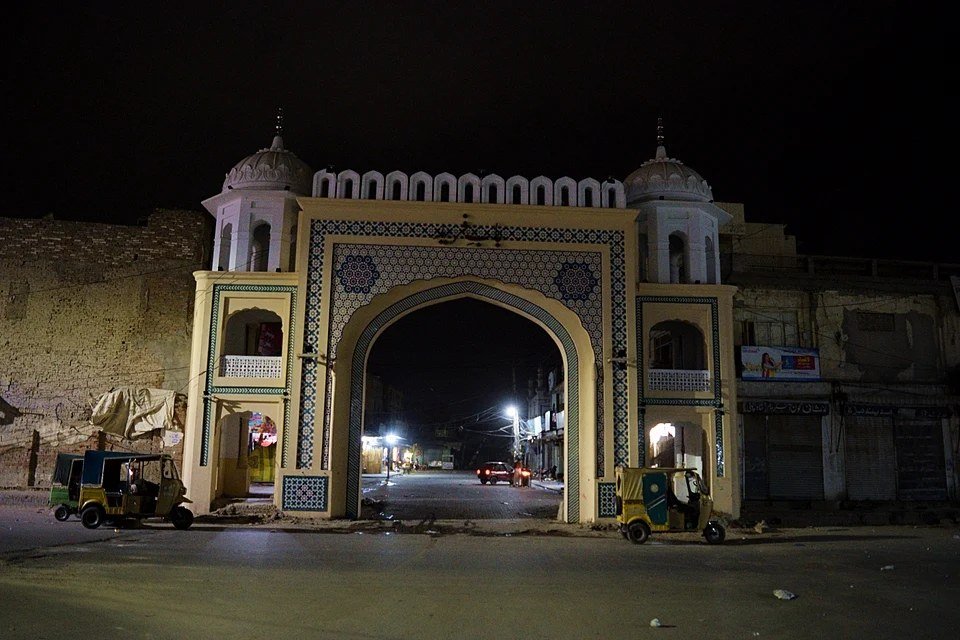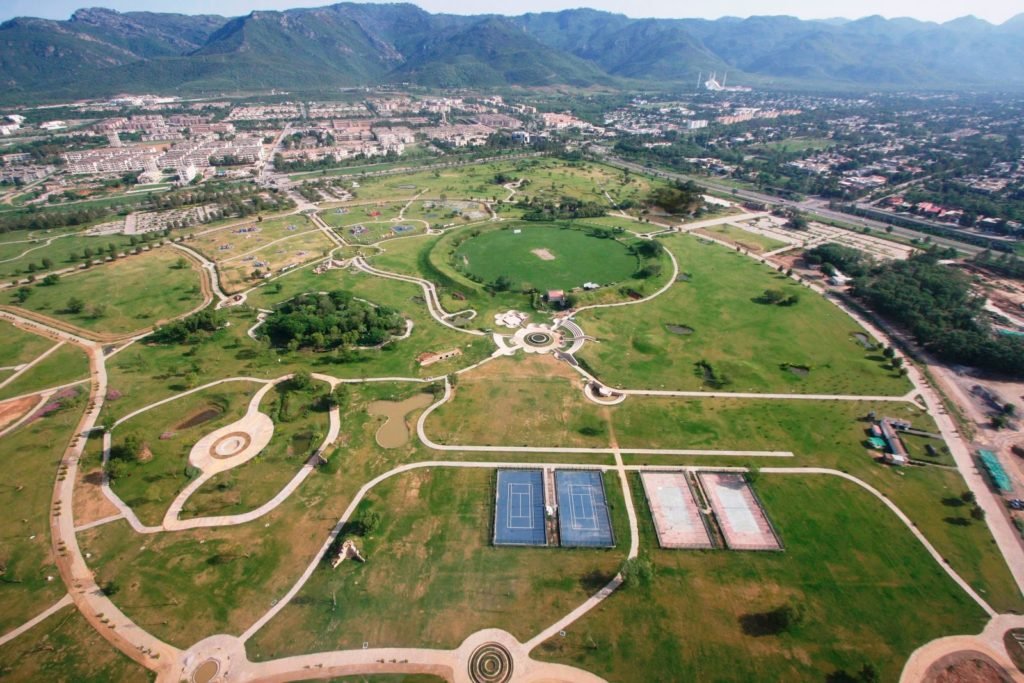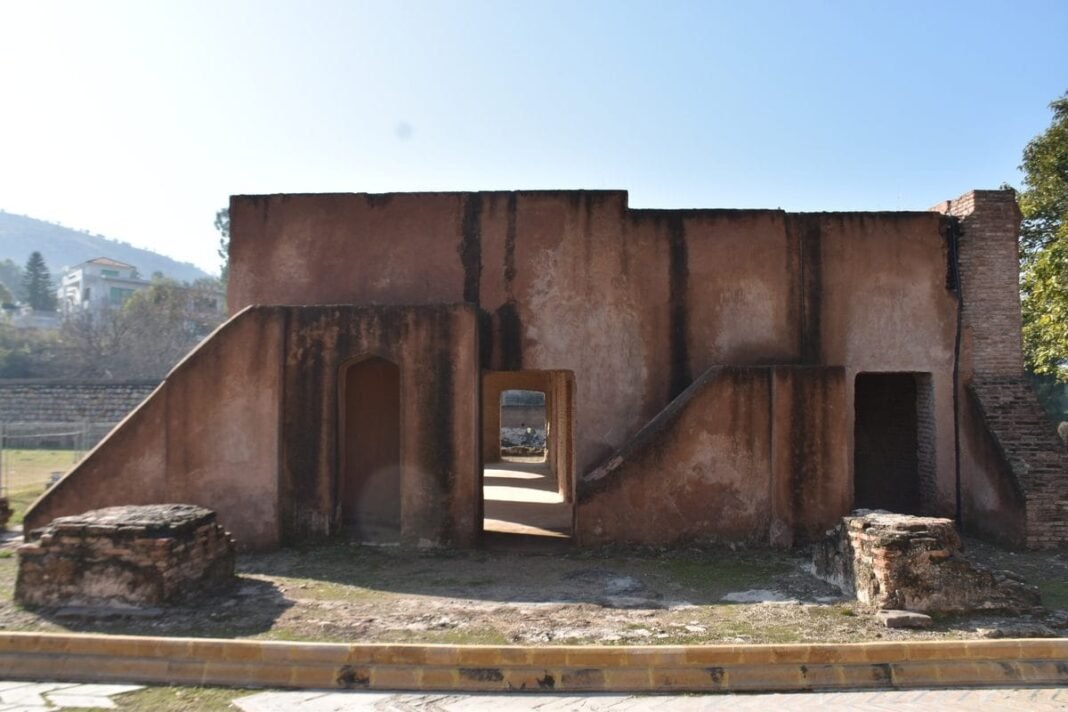
Quick Facts
- Location: Wah, on the historic Grand Trunk Road, about 15 km from Taxila in Punjab
- Altitude: around 500 metres above sea level (lowland Pothohar plain)
- Famous For: a three-terraced Mughal pleasure garden with pavilions, cascading water channels and a 60 by 60 metre central tank, founded in the time of Emperor Akbar
- Nearest City: Taxila (about 15 km); Islamabad is roughly an hour’s drive away
- Accessibility: easy day trip by car from Islamabad, Rawalpindi or Lahore via the GT Road; the garden sits just off the highway at Wah
- Known Landmarks: the baradari pavilions, the great central water tank, screen walls dividing the three terraces, and the historic Mughal bathhouse remains
- Best For: history lovers, Mughal architecture fans, photographers, school groups, and families looking for a quiet half-day outing near Taxila
Why Visit Farud Gah, Shahan e Mughlia
Most travellers rushing along the Grand Trunk Road between Islamabad and Lahore have no idea they are passing within minutes of one of the Mughal Empire’s most graceful pleasure gardens. Farud Gah, Shahan e Mughlia — the “resting place of the Mughal kings” — is a garden where three emperors left their mark: Akbar founded it, Jahangir enlarged it, and Shah Jahan rebuilt it with the architect who designed the Taj Mahal. That is not a claim many picnic spots can make.
This Farud Gah, Shahan e Mughlia travel guide exists because the place deserves better than to be a drive-past. Stand on the middle terrace at golden hour, with the great 60-by-60-metre tank mirroring the sky and the pavilions throwing long shadows across the lawns, and you are standing in a landscape designed for emperors to rest, think and be refreshed. The genius of the Mughals was never just in domes and minarets — it was in gardens, and Wah is one of the finest examples surviving in Pakistan.
Who is it perfect for? If you are a history buff already visiting the ancient ruins of Taxila, Farud Gah is the natural second stop — Buddhism and empire, B.C. and A.D., in a single afternoon. If you are a photographer, the symmetry of the terraces, water channels and baradaris gives you compositions that practically frame themselves. And if you are a family from Islamabad or Rawalpindi, this is the kind of easy, inexpensive half-day escape that feels like a discovery rather than a chore.
When to go is simple: the garden is at its kindest from October to March, when the Pothohar air is crisp, the light is soft, and walking the terraces is a pleasure rather than a test of endurance. Come early in the morning and you may have whole sections of the garden to yourself, with nothing but birdsong and the memory of 400 years of royal visitors.
History of Farud Gah, Shahan e Mughlia
The story of Farud Gah begins in 1581, when Emperor Akbar laid the foundation of Attock Fort to secure the north-west frontier of his empire. He left Raja Man Singh — his trusted Rajput general — to hold the frontier, and it was Man Singh who founded this garden at Wah, laying it out in the classic Mughal garden style across two terraces. Wah sat on the great imperial highway between Delhi and Kabul, so a royal garden here was both a pleasure retreat and a statement of Mughal presence on the road every caravan and army travelled.
The garden’s imperial connections deepened in 1607, when Emperor Jahangir came to the area in pursuit of his rebellious son Khusrau and stayed at Wah for three days. Jahangir, who loved gardens as much as any Mughal, took a personal interest in Farud Gah: he twice sent money from Lahore for its enlargement — four thousand rupees, then five thousand more. That money paid for a large bathhouse south of the baradari, a central canal and fountains, turning the garden into a far grander complex than Man Singh had left.
The third imperial chapter came in 1639. Shah Jahan, resting here on his way to Kabul, ordered the entire complex rebuilt by his central works department under Ahmed Maamar Lahori — the leading architect of the age, and the man whose name is associated with the Taj Mahal itself. The rebuilding took two years, and it is Shah Jahan’s vision that shapes what you see today: the garden divided into three stages by screen walls, with the main entrance on the west; an imposing pavilion with a cascade, cistern and water channels between the first and middle stages; and in the middle stage the great main water tank, sixty metres by sixty metres, with a pavilion at its far end.
Like many Mughal sites, the garden faded as the empire faded, but it never vanished. In recent years the archaeology department has carried out restoration work on the Wah gardens, conserving the pavilions, channels and walls so that visitors can once again read the landscape as the Mughals laid it out. Paired with the 2,500-year-old Buddhist city of Taxila just down the road, Farud Gah gives this small corner of Punjab a claim to be one of the densest history corridors in the country.
Top Things to Do in Farud Gah, Shahan e Mughlia
Walk the Three Terraces
Do this first, and do it slowly. The garden was designed as three stages divided by screen walls, and walking from the western entrance up through the terraces is how the Mughals themselves would have experienced it — a sequence of reveals, each level more private than the last. Notice how the water was engineered: channels, cascades and cisterns that moved water by gravity through the whole composition. Even in a dry season the bones of that engineering are beautiful to look at.
Stand by the Great Tank
The 60-by-60-metre tank in the middle stage is the heart of Farud Gah. In Mughal garden design, water meant paradise, and this vast sheet of water — with its pavilion at the far end — was built to reflect sky, architecture and fruit trees in one shimmering plane. It is the single most photogenic spot in the garden, especially in the late afternoon when the light goes soft and the water turns to glass.
Explore the Baradari and Bathhouse
The pavilions (baradaris) are where the emperors actually sat — open-sided structures built for catching breezes and views. Look for the bathhouse that Jahangir’s money paid for, south of the baradari. Mughal royal baths were feats of plumbing and heating in their day, and even in ruined or conserved form they tell you a lot about how seriously the Mughals took comfort.
Photograph the Screen Walls and Gateways
The screen walls that divide the terraces are among the garden’s most atmospheric features. Their arched openings frame views of the next level like a series of paintings, and photographers can spend an hour working the geometry of walls, water channels and pavilions. Early morning is best, when raking light picks out the texture of the old masonry.
Pair It With Taxila
Farud Gah sits about 15 km from Taxila’s archaeological sites and museum. The honest truth is that the two belong together in one day: Taxila in the morning for the 2,500-year-old Buddhist civilization, Farud Gah in the afternoon for the Mughal one. Very few places in Pakistan let you cross two millennia of history in fifteen kilometres.
Famous Places In and Around Farud Gah, Shahan e Mughlia
- Taxila Ruins and Museum — UNESCO World Heritage Buddhist sites (Dharmarajika Stupa, Sirkap, Jaulian) about 15 km away
- Gurdwara Panja Sahib, Hasan Abdal — one of Sikhism’s holiest shrines, a short drive west on the GT Road
- Wah Gardens complex — the garden ensemble of which Farud Gah is the centrepiece
- Attock Fort — Akbar’s 1581 frontier fortress on the Indus (read our Attock Fort travel guide; note the fort itself is a restricted military site)
- The Margalla Hills — visible on the eastern horizon; combine the trip with Islamabad’s viewpoints if you have a full day
How to Reach Farud Gah, Shahan e Mughlia
Farud Gah is one of the easiest heritage sites in Punjab to reach, because it sits almost directly on the Grand Trunk Road at Wah, between Taxila and Hassan Abdal. Any car, van or bus travelling the GT Road passes within minutes of the garden, which makes it a natural add-on to a Taxila day trip.
From Islamabad (about 50 km, 1 to 1.5 hours): take the GT Road (N-5) west through Taxila; Wah comes up about 15 km past Taxila. The garden is signposted from the highway near Wah Cantt. This is the simplest route — straightforward highway driving all the way.
From Lahore (about 360 km, 5.5 to 7 hours): the fastest option is the M-2 motorway to Islamabad and then the GT Road to Wah. Alternatively, the old GT Road runs the whole way via Gujranwala, Jhelum and Rawalpindi — slower but a historic drive in its own right. Most visitors from Lahore do Farud Gah as part of an Islamabad/Taxila trip rather than a standalone run.
From Karachi (about 1,450 km): fly to Islamabad (about 2 hours) and drive the last 50 km, or take the train/bus to Rawalpindi and hire a car. Nobody drives Karachi to Wah in one go unless they love the road — break the journey at Multan or Lahore.
Nearest airport: Islamabad International Airport, roughly an hour’s drive from Wah. Road conditions: the GT Road to Wah is a well-maintained divided highway, fine year-round; the approach road into the garden area is short and paved. Transport options: your own car is ideal; ride-hailing and rental cars work from Islamabad; public wagons and buses run the GT Road constantly — get off at Wah and take a short rickshaw ride to the garden.
Route Details
- Start in Islamabad and join the Grand Trunk Road (N-5) heading west toward Peshawar.
- Pass through Taxila (about 35 km) — worth a stop at the museum and ruins on the way.
- Continue about 15 km to Wah; look for the garden signboards near Wah Cantt on the GT Road.
- Turn off the highway and follow the local road a short distance to the garden entrance and parking area.
- Allow 2 to 3 hours on site, then continue to Hasan Abdal (Gurdwara Panja Sahib) or return to Islamabad the same way.
Where to Stay in Farud Gah, Shahan e Mughlia
Farud Gah is a half-day site, so most visitors do not stay overnight at Wah itself — they base themselves in Islamabad, Rawalpindi or Taxila. That said, here is how the options break down by tier.
Luxury: base yourself in Islamabad, about an hour away, where the city’s five-star hotels put you within easy reach of both Farud Gah and Taxila. Mid-range: Rawalpindi and the Taxila area have a solid spread of mid-range hotels and motels at comfortable prices — a sensible base for a two-day history trip covering Taxila and Wah. Guesthouses: Wah Cantt itself has guesthouses catering to visitors and business travellers; these are simple, clean and inexpensive, though they fill up on weekends. Camping: not a camping destination — there are no campsites at the garden, and an overnight stay is unnecessary given how close the cities are. Our honest advice: sleep in Islamabad or Rawalpindi, drive to Farud Gah after breakfast, and be back for dinner.
Where to Eat: Local Foods of Farud Gah, Shahan e Mughlia
Wah sits in the Pothohar region of Punjab, and the food is classic Punjabi dhaba fare at its best. The GT Road here is lined with dhabas and small restaurants serving the dishes travellers have eaten on this highway for generations: chicken karahi bubbling in iron woks, daal fry with fresh tandoori roti, and thick sweet lassi served in tall steel glasses.
Pothohar’s signature flavours are worth seeking out: saag with makhan (butter) in winter, makki di roti, and desi-ghee parathas for breakfast. Sugarcane juice stalls appear along the road in season, and the area’s roadside tea — doodh patti brewed strong and milky — is the proper fuel for a day of ruin-exploring. A full dhaba meal for two is budget-friendly, generally falling in the PKR 600–1,500 range depending on how much karahi you order. There are no restaurants inside the garden itself, so eat at Wah’s bazaar or the GT Road dhabas before or after your visit, and carry water — the terraces involve more walking than they look like.
Weather in Farud Gah, Shahan e Mughlia
Wah shares the Pothohar plateau climate of Islamabad and Rawalpindi: genuinely cold, foggy winter mornings, a glorious spring, a fierce hot summer, and a monsoon that turns everything green. The garden is open and walkable all year, but the experience changes dramatically with the season — winter and spring are when the place looks and feels its best.
| Season | Temperature Range | Conditions |
|---|---|---|
| Winter (Dec–Feb) | around 3–18°C | Crisp, often foggy mornings; cold shade, pleasant midday sun. Best season for long walks on the terraces. |
| Spring (Mar–Apr) | around 15–30°C | The garden at its loveliest — mild air, clear light, greenery at its freshest. Ideal for photography. |
| Summer (May–Jun) | around 25–40°C | Hot and dry; visit early morning or late evening only, and carry plenty of water. |
| Monsoon (Jul–Sep) | around 26–35°C | Humid with heavy showers; the garden turns lush green but paths can be slippery. |
| Autumn (Oct–Nov) | around 15–32°C | Warm days, cool evenings, clear skies. The second-best season after spring. |
Language and Culture of Farud Gah, Shahan e Mughlia
The language of the Wah area is Punjabi in its Pothohari (Pahari-Pothwari) dialect, with Urdu spoken and understood everywhere — you will have no trouble communicating in Urdu or basic English. The culture is classic Pothohar: hospitable, proud of its military and Mughal heritage (Wah Cantt is a major garrison and ordnance town), and conservative in the easy, small-town Punjabi way.
For visitors, the etiquette is simple: dress modestly (covered shoulders and knees are appreciated, especially for women), ask before photographing people, and keep voices low around the garden’s quieter corners. The site is a protected heritage monument, so treat it like one — no climbing on the old masonry, no littering, no carving names into the baradaris. Friday midday is prayer time; plan around it if you want the full two to three hours on site.
Shopping in Farud Gah, Shahan e Mughlia
There is no shopping at the garden itself — and that is part of its charm — but Wah’s bazaar and the Taxila area cover the souvenir basics. Taxila’s museum shop and the stalls near the ruins sell replicas of Gandharan art, coins and pottery that make genuinely meaningful souvenirs of the region’s Buddhist past. In Wah bazaar you will find everyday Punjabi goods: khussas (embroidered slippers), phulkari-style embroidery, and excellent, inexpensive dry fruit in winter. If you are combining the trip with Rawalpindi, Raja Bazaar is the real shopping expedition — one of Punjab’s great old bazaars, an hour east. Do not expect a shopping mall at the garden; expect authenticity instead.
Travel Tips for Farud Gah, Shahan e Mughlia
Packing Essentials
Comfortable walking shoes (the terraces and tank embankments add up), a hat and sunscreen from March to October, a light jacket for winter mornings, drinking water, and a camera — the symmetry of the garden rewards anyone with a lens. A small picnic is possible on the lawns, but take all litter with you.
Safety Tips
Wah is a settled, garrison-adjacent town and the garden area is calm and safe for daytime visitors, including families. Stick to daylight hours, keep valuables out of sight in parked cars, and supervise children near the tank and water channels. The old masonry can be uneven — watch your step on the terrace edges.
Money & Connectivity
Carry cash in Pakistani rupees; there are ATMs in Wah Cantt and Taxila but none at the garden itself. Mobile signals from all major networks (Jazz, Telenor, Zong, Ufone) are strong throughout the area. There is no entry-fee information published for the garden — small heritage sites in Punjab typically charge a nominal ticket, so keep some small notes handy.
Best Time to Visit Farud Gah, Shahan e Mughlia
Winter (December to February) — the classic season
Crisp air, low golden light, and thin crowds. This is when the garden feels most like the Mughal retreat it was — cool enough to walk every terrace twice. Morning fog can be magical for photography, burning off by mid-morning.
Spring (March to April) — the prettiest season
Mild temperatures and the freshest greenery of the year. If you can time your visit for a clear spring morning, with the tank glassy and the baradaris sharp against a blue sky, you will understand in one glance why emperors kept coming back.
Summer (May to June) — go early or skip
The Pothohar summer is brutal by midday. If summer is your only option, arrive at opening time, do the terraces in the cool of the morning, and retreat to Taxila museum’s air conditioning by noon.
Monsoon and Autumn (July to November) — green and golden
The monsoon turns the garden deeply green but brings humidity and slippery paths. October and November are the sweet spot on the other side of the rains: clear skies, warm days, and the garden at its most golden.
Final Thoughts
Farud Gah, Shahan e Mughlia is the kind of place that rewards the curious. It will never have the crowds of Lahore Fort or the fame of the Taj Mahal, and honestly, that is its gift to you: a genuine Mughal imperial garden, touched by three emperors and the Taj Mahal’s architect, that you can wander in something close to solitude. The tank, the terraces, the screen walls — they have waited four centuries for visitors who look closely.
So pair it with Taxila, pack a camera and a sense of history, and give Wah an afternoon. You will drive home along the same Grand Trunk Road the Mughal caravans travelled, and you will understand — the way only a garden can teach — why this empire is remembered as much for its roses and water channels as for its armies.
FAQs
Where is Farud Gah, Shahan e Mughlia located?
At Wah, on the Grand Trunk Road in Punjab, about 15 km west of Taxila and roughly an hour’s drive from Islamabad.
What is the best time to visit Farud Gah, Shahan e Mughlia?
October to March — winter and spring bring cool, clear weather ideal for walking the terraces. Summer midday heat is best avoided.
How do I reach Farud Gah, Shahan e Mughlia from Islamabad?
Drive the GT Road (N-5) west past Taxila for about 50 km total (1 to 1.5 hours); the garden is signposted near Wah Cantt.
Is Farud Gah, Shahan e Mughlia safe for families?
Yes. It is a calm, open heritage garden in a settled town, well suited to families and school groups during daylight hours.
Who built Farud Gah, Shahan e Mughlia?
Raja Man Singh founded it in the time of Emperor Akbar (around 1581); Jahangir enlarged it in 1607, and Shah Jahan had it rebuilt in 1639–1641 under architect Ahmed Maamar Lahori.
Can I combine it with Taxila in one day?
Easily — the two are about 15 km apart. Do Taxila’s ruins and museum in the morning and Farud Gah in the afternoon.
Where can I stay near Farud Gah?
Most visitors base themselves in Islamabad or Rawalpindi (about an hour away); Taxila and Wah Cantt have simpler mid-range and guesthouse options.
What food is available near the garden?
Classic Pothohari-Punjabi dhaba food — chicken karahi, daal fry, tandoori roti and lassi — at Wah bazaar and along the GT Road.
For more inspiration, browse our Explore Pakistan collection, or pair this trip with our Malam Jabba travel guide for a very different side of the country. Heritage lovers should also read our Bhir Mound Taxila travel guide before visiting the area.