Quick Facts
- Location: Damhial village, about 12 km from Rawalpindi city, Punjab.
- Famous For: The village gurdwara where the shoes gifted by Guru Gobind Singh and Mata Sahib Kaur to two devoted villagers were kept and venerated.
- Nearest City: Rawalpindi (12 km); Islamabad is just beyond.
- Accessibility: Local transport runs from Raja Bazaar in Rawalpindi city to the village.
- Known Landmarks: The strong, handsome gurdwara building (now a school), Raja Bazaar.
- Status: A school functions in the building today — visit respectfully, preferably outside school hours or with permission.
- Best For: Sikh heritage travellers, Potohar village explorers, photographers, and families combining it with a Rawalpindi–Islamabad trip.
Why Visit Gurdwara Damhial, Rawalpindi
Twelve kilometres from the bustle of Rawalpindi stands a village gurdwara with one of the most touching relic stories in Sikh heritage: a pair of shoes. Not golden, not jewelled — just the plain, worn shoes of Guru Gobind Singh and the embroidered pair of Mata Sahib Kaur, given in love to two humble villagers who had served the Sikh congregation with extraordinary devotion. For generations, pilgrims travelled to Damhial simply to see those shoes and take solace from them.
That is the kind of history you cannot manufacture — intimate, human, and deeply moving. The Guru’s shoe was plain leather, eleven inches long and three wide; Mata Ji’s was nine by three, embroidered. These were working shoes, the shoes of a warrior-saint and the Mother of the Khalsa, treasured by a village because of what they represented: that devotion, not status, is what the Gurus honoured. Standing before the strong, handsome building that housed them, you feel the weight of that simple truth.
The practical case is just as strong. Damhial is an easy half-day excursion from Rawalpindi or Islamabad — a rickshaw or wagon ride from Raja Bazaar, and you are in Potohar village country. The building itself, described by heritage surveys as beautiful and strong, now serves as a school, which means your visit doubles as a glimpse of living village Punjab: children at lessons where pilgrims once gathered. Come with realistic expectations — this is a respectful exterior visit, not a museum tour — and you will leave with one of the finest small stories on the entire Sikh heritage trail.
Pair it with Rawalpindi’s bazaars and parks, or with Islamabad’s sights across the hills, and Damhial becomes the quiet, soulful centre of a perfect twin-cities day.
History of Gurdwara Damhial, Rawalpindi
The history of Damhial’s gurdwara is preserved in the writings of Bhai Kahan Singh Nabha, the great Sikh scholar, and documented in Iqbal Qaiser’s survey of historical Sikh shrines in Pakistan. It is the story of two men: Roacha Mal and Anar Singh, residents of Damhial village, who travelled to Anandpur Sahib and served the Sikh sangat there with such devotion and love that Guru Gobind Singh himself — along with Mata Sahib Kaur, revered as the Mother of the Khalsa — took notice.
In recognition of their selfless service, the Guru and Mata Ji gave the two villagers their own pairs of shoes. One of these shoes later remained with a descendant of Narayan Singh. The Guru’s shoe was plain — eleven inches long and three inches wide; Mata Ji’s pair measured nine by three inches and was embroidered. These humble relics were brought back to Damhial and kept in the village gurdwara, where people came from around the region simply to see them and find solace — darshan of the most personal kind.
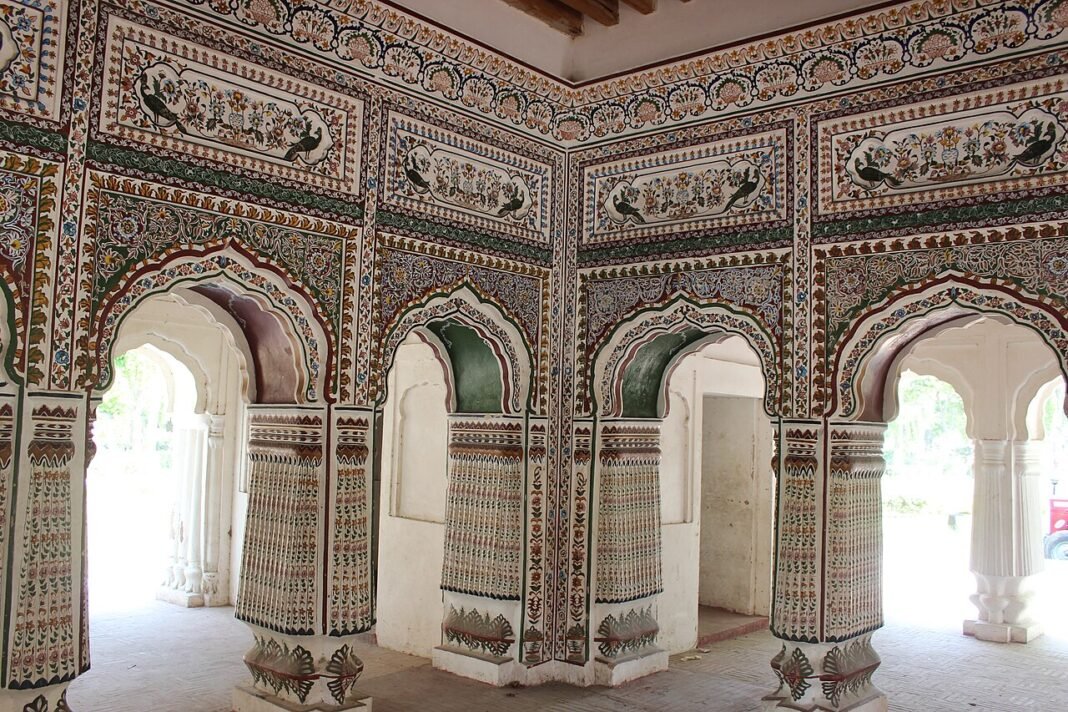
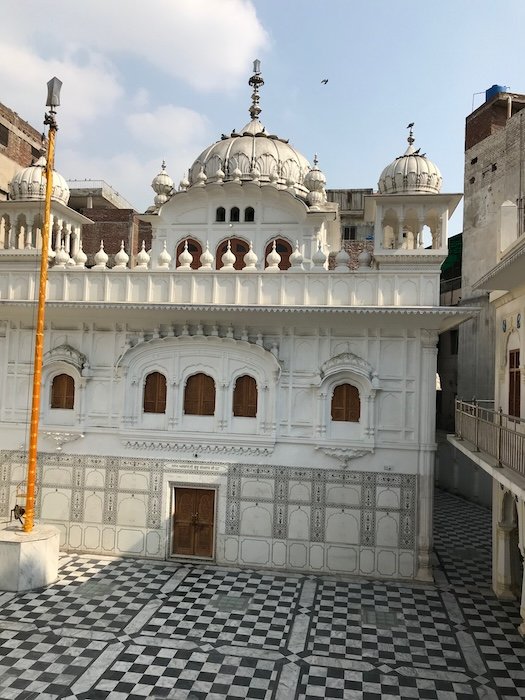
The shrine built to house this memory is known as Gurdwara Chhevin Patshahi — the gurdwara of the Sixth Master — and the building that stands in Damhial today is described in every survey as beautiful and strong, a handsome village structure of real architectural character. After 1947, as with so many Sikh shrines in the region, its religious life ended — but the building found a second life: a school now functions within it, and village children receive their education where pilgrims once gathered. The Evacuee Trust Property Board retains the shrine in its records of Sikh heritage properties.
That a house of learning replaced a house of worship is, in its own way, a fitting continuation. The Guru honoured two villagers for their service; today the village’s children learn beneath the same roof. Few heritage sites in the Potohar wear their history this gracefully.
Top Things to Do in Gurdwara Damhial, Rawalpindi
See the historic gurdwara building
The heart of the visit is the building itself — the strong, handsome village gurdwara where the Guru’s and Mata Ji’s shoes were kept for generations. View it from outside with the respect due to both a heritage site and a working school. The best approach is to visit on a weekend or public holiday when the school is closed, or to ask the school staff politely for permission to look around the exterior. Do not disturb classes, and keep your voice low.
Walk Damhial village
Damhial is classic Potohar village country — wheat fields, old brick homes, and a slower rhythm than the city 12 km away. A short walk through the village gives you the context the shrine belongs to: this is the soil Roacha Mal and Anar Singh came from. Villagers are generally welcoming to respectful visitors; a greeting in Punjabi opens doors.
Explore Raja Bazaar, Rawalpindi
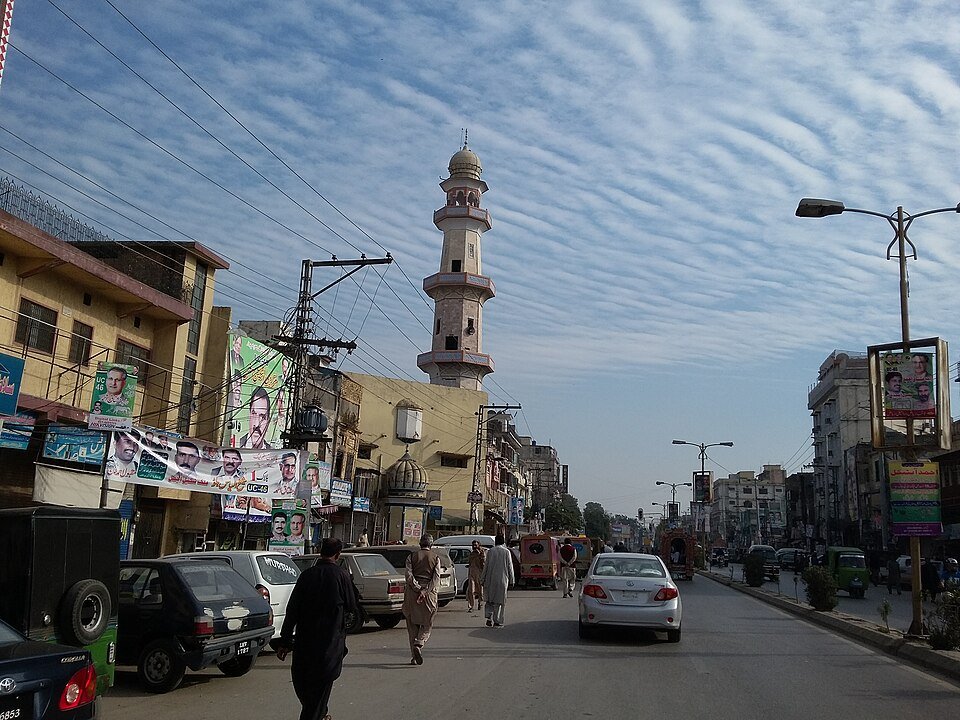
Your transport hub is also one of Punjab’s great old bazaars. Raja Bazaar’s crowded lanes sell everything from spices to steel, and its food streets are a destination in themselves. Time your trip to browse the bazaar before or after the village.
Combine with the twin cities’ sights
Damhial’s real strength as a destination is how easily it pairs with bigger attractions. Make it the soulful morning stop, then spend the afternoon at Rawalpindi’s parks or cross into Islamabad for the Margalla Hills and the city’s monuments.
Famous Places In and Around Gurdwara Damhial, Rawalpindi
- Raja Bazaar — Rawalpindi’s historic bazaar quarter; your gateway to the village and a sight in its own right.
- Ayub National Park — the city’s great green lung; see our Ayub National Park travel guide.
- Liaquat Bagh — Rawalpindi’s historic central park, close to Raja Bazaar.
- Islamabad’s sights — the Faisal Mosque, Margalla Hills trails, and Lok Virsa; see our places to visit in Islamabad guide.
- Taxila — the ancient Gandharan ruins and museum, an easy day trip from Rawalpindi.
How to Reach Gurdwara Damhial, Rawalpindi
Damhial sits about 12 km from Rawalpindi city, and local transport connects the village to Raja Bazaar — so you route through Rawalpindi, one of Pakistan’s best-connected cities.
- From Islamabad: About 25–30 km to the village via Rawalpindi — roughly 45 minutes to an hour by car or wagon, depending on city traffic.
- From Lahore: About 300 km via the M-2 motorway — roughly 4 to 4.5 hours; then local transport from Rawalpindi to Damhial.
- From Karachi: Around 1,400 km — fly to Islamabad (about 2 hours), then drive the short hop to Rawalpindi and the village.
The nearest airport is Islamabad International Airport (about 35–45 km from the village). Rawalpindi railway station connects to the national rail network. From Raja Bazaar, take a wagon, Suzuki, or rickshaw toward Damhial village — confirm the destination with the driver, as village routes vary. Roads are paved and fine year-round, though the monsoon (July–September) can make village lanes muddy. A private car or ride-hailing car from Islamabad/Rawalpindi is the most comfortable option for a half-day trip.
Route Details
- Step 1: Reach Rawalpindi — by M-2 motorway from Lahore, by GT Road or motorway from Islamabad/Peshawar, or by train to Rawalpindi station.
- Step 2: Head to Raja Bazaar in the old city — the transport hub for surrounding villages.
- Step 3: Take a wagon, Suzuki pickup, or rickshaw for the 12 km ride to Damhial village (about 25–35 minutes).
- Step 4: Ask villagers for the gurdwara/school building — everyone in Damhial knows it.
- Timing tip: Go on a weekend or school holiday for the easiest, most relaxed visit; on school days, keep the visit brief and quiet.
Where to Stay in Gurdwara Damhial, Rawalpindi
You stay in the city, not the village — Rawalpindi and Islamabad together offer every tier of accommodation, and Damhial is a half-day trip from either.
- Budget: Simple hotels and guesthouses around Raja Bazaar, Rawalpindi railway station, and Saddar — basic, central, and budget-friendly.
- Mid-range: Comfortable hotels in Rawalpindi Cantonment, Saddar, and Islamabad’s Blue Area and F-sectors.
- Upper range: Well-known hotels in Islamabad’s diplomatic and commercial zones, 30–45 minutes from the village.
There is no accommodation in Damhial village itself, and none is needed. Base yourself in Rawalpindi for bazaar atmosphere or Islamabad for comfort; both work perfectly.
Where to Eat: Local Foods of Gurdwara Damhial, Rawalpindi
Eat in Rawalpindi — the village has only basic shops, while the city is one of Punjab’s great food towns.
- Raja Bazaar classics: Nihari, paye, murgh cholay, and kebabs at the old bazaar’s decades-old eateries.
- Breakfast: Halwa puri, pathoray, and doodh patti before heading to the village.
- Saddar and Commercial Market: The cantonment’s restaurants serve everything from desi to continental at mid-range prices.
- Street snacks: Samosas, pakoras, dahi bhallay, and fresh sugarcane juice from bazaar vendors.
Bazaar food is very budget-friendly; cantonment restaurants cost more but are still modest. Carry water and snacks for the village itself, and as always, eat where the local crowd is thickest.
Weather in Gurdwara Damhial, Rawalpindi
Rawalpindi is one of Pakistan’s wettest major cities, with a heavy monsoon and hot summers; winters are short and pleasantly cool. The village lanes are best walked in the dry, mild months.
| Season | Temperature Range | Conditions |
|---|---|---|
| Winter (Dec–Feb) | 3–18°C | Cool, crisp, occasionally foggy — excellent for village walks |
| Spring (Mar–Apr) | 15–30°C | Pleasant and green; the loveliest season in the Potohar |
| Summer (May–Jun) | 30–42°C | Hot; visit early morning, carry water |
| Monsoon (Jul–Sep) | 28–36°C | Very heavy rain spells; village lanes get muddy, plan around forecasts |
| Autumn (Oct–Nov) | 18–30°C | Clearing and comfortable; second-best season |
Language and Culture of Gurdwara Damhial, Rawalpindi
The village speaks Potohari Punjabi; Urdu is universally understood. Damhial is a traditional farming village — dress modestly, greet elders respectfully, and remember you are a guest in people’s home community, not just a tourist at a site.
The gurdwara building is both a heritage site and a working school, which calls for double courtesy: keep noise down, do not photograph schoolchildren without permission from staff, and do not enter classrooms. The shrine’s Sikh history deserves the same reverence you would show at any gurdwara — quiet voices, modest dress, and no littering. The villagers’ pride in their school and their history is evident; honour both.
Shopping in Gurdwara Damhial, Rawalpindi
There is no shopping in the village — and that is part of its charm. Do your shopping in Rawalpindi: Raja Bazaar for spices, traditional shoes, brass and steel goods, and everyday Punjabi bazaar finds; Saddar’s markets for clothes and shoes; and the city’s bookshops and craft stores for souvenirs. Bargaining is expected in the old bazaar and done with good humour.
Travel Tips for Gurdwara Damhial, Rawalpindi
Packing Essentials
Sturdy walking shoes (village lanes are unpaved in stretches), sun protection, drinking water, snacks, and a scarf. A small gift of stationery for the school — notebooks or pencils — is a thoughtful gesture if you visit during school hours, offered to staff, never directly to children.
Safety Tips
Damhial is a quiet, safe village. The main considerations are practical: monsoon mud, summer heat, and the usual care around a working school. Keep to the main lanes, supervise children, and let someone know your plans if you wander the fields.
Money & Connectivity
Bring cash from Rawalpindi — there are no ATMs in the village. Mobile signals from all networks cover the area well. Fuel up in the city; village shops sell only basics.
Best Time to Visit Gurdwara Damhial, Rawalpindi
October to April — the prime season
Cool, dry months made for village walks and unhurried heritage viewing. Winter mornings in the Potohar, with mist on the fields, are quietly beautiful.
March to April — spring at its best
Green wheat fields, comfortable temperatures, and clear skies — the single loveliest window for Damhial and the whole Rawalpindi region.
May to June — hot season
Go at dawn and be back in the city by late morning. The story of the Guru honouring humble service feels right at any temperature, but your comfort matters.
July to September — monsoon
Rawalpindi’s rains are among the heaviest in the country; village lanes turn muddy and the visit becomes an expedition. Check forecasts and wear proper footwear if you go.
Final Thoughts
Gurdwara Damhial will not overwhelm you with scale or spectacle. Its power is quieter: two villagers honoured by a Guru, a pair of humble shoes treasured for generations, and a handsome old building that now teaches village children. In a heritage landscape full of fortresses and empires, Damhial is a reminder that history also lives in small places — and that the smallest relics sometimes carry the largest meanings.
Come on a clear winter or spring morning, walk the village lanes, stand a while before the old gurdwara-school, and then let Rawalpindi’s bazaars complete your day. For more journeys through Pakistan’s sacred geography, browse our Explore Pakistan collection — from the Sikh heritage of Ali Baig Gurdwara to the peaks of Malam Jabba.
FAQs
Where is Gurdwara Damhial located?
In Damhial village, about 12 km from Rawalpindi city in Punjab. Local transport runs to the village from Raja Bazaar in Rawalpindi.
What is the story of the shoes at Damhial?
Two villagers, Roacha Mal and Anar Singh, served the Sikh congregation at Anandpur Sahib with great devotion. Guru Gobind Singh and Mata Sahib Kaur honoured them with their own pairs of shoes — the Guru’s plain (11 by 3 inches), Mata Ji’s embroidered (9 by 3 inches) — which were kept in the village gurdwara, where pilgrims came to see them for solace.
Can I visit inside the gurdwara?
A school functions in the building today, so visits are exterior and respectful — best on weekends or holidays, or with the staff’s permission. Do not disturb classes.
What is the best time to visit Gurdwara Damhial?
October to April, with March–April the loveliest for green Potohar countryside. Avoid the heavy monsoon (July–September) and summer midday heat.
How do I reach Damhial from Islamabad?
Drive to Rawalpindi (about 30–45 minutes), then take local transport — wagon, Suzuki, or rickshaw — from Raja Bazaar for the 12 km ride to the village (25–35 minutes).
Is Gurdwara Damhial suitable for families?
Yes — it is a gentle, easy half-day trip. Children enjoy the village walk and the story; just keep noise down around the school and supervise little ones on unpaved lanes.
What else can I see nearby?
Raja Bazaar and Liaquat Bagh in Rawalpindi, Ayub National Park, and across the hills Islamabad’s Faisal Mosque, Margalla Hills, and museums — plus ancient Taxila as a day trip.
What food should I try on this trip?
Rawalpindi’s bazaar food: nihari, paye, murgh cholay, and kebabs in Raja Bazaar; halwa puri for breakfast; Saddar’s restaurants for a comfortable dinner after the village.