Some destinations impress you with scale — soaring minarets, vast fortresses, sweeping valleys. Others pull you in with a story so human that centuries later, it still stings. Gurdwara Diwan Khana Sahib, tucked into the old Chuna Mandi bazaar inside Lahore’s walled city, is the second kind. This is where the young Arjan — the boy who would become Guru Arjan, the fifth Sikh Guru — waited through two long, lonely years away from his father, and poured his longing into three letters that became one of the most beloved hymns in Sikh scripture. If you are choosing your next heritage trip through Pakistan’s Punjab, this quiet corner of the old city deserves a morning of your Lahore itinerary — paired with the birthplace of Guru Ram Das, which stands almost next door.
Quick Facts
- Location: Chuna Mandi bazaar, inside Delhi Gate, Lahore’s walled city, Punjab, Pakistan
- Altitude: around 217 metres (Lahore plain)
- Famous For: the ancestral trading place of Guru Ram Das’s family; the place where Guru Arjan wrote his three homesick letters (the Shabad Hazaray) to his father
- Nearest City: Lahore (inside the city itself)
- Accessibility: drive or ride-hail to Delhi Gate, then walk through the old city bazaars; Allama Iqbal International Airport is about 13 km away
- Known Landmarks: Gurdwara Janam Asthan Sri Guru Ram Das (birthplace of the fourth Guru) almost next door, Delhi Gate, Purani Kotwali Chowk, Lahore Fort and Badshahi Mosque nearby
- Best For: heritage travelers, Sikh pilgrims, history lovers, photographers of the old city, families walking Lahore’s Walled City with a guide
Why Visit Gurdwara Diwan Khana Sahib, Chuna Mandi
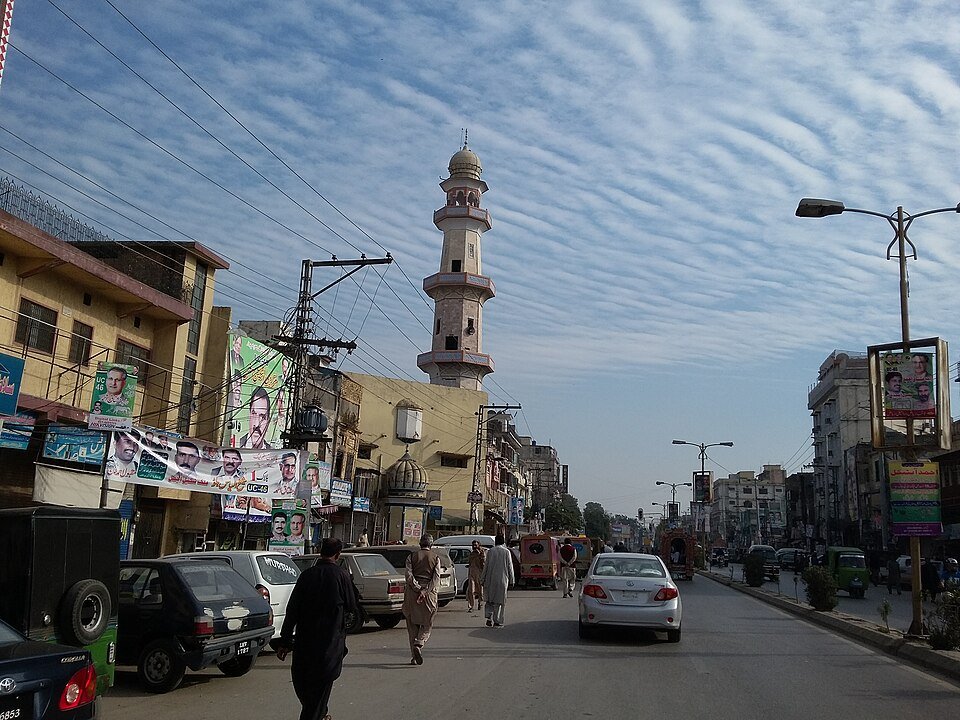
Most visitors to Lahore’s walled city come for the showpieces — the Badshahi Mosque, Lahore Fort, the Shahi Hammam. All magnificent, all worth your time. But if you want to feel the city’s older, quieter pulse — the Lahore that existed before the Mughals turned it into an imperial capital — then Chuna Mandi is where you should wander. This is one of the oldest bazaars of the walled city, a warren of shops, old havelis and narrow lanes, and at its heart sits a shrine tied to two of Sikhism’s ten Gurus.
The story that makes Diwan Khana Sahib special is, at its core, a family story. In the late 1500s, Guru Ram Das sent his young son Arjan to Lahore for a cousin’s wedding, with the instruction not to return until summoned. Lahore was the family’s ancestral home — the boy’s grandfather and great-grandfathers had lived and traded here. But months stretched on, and no summons came. Homesick and devoted, the young Arjan wrote letter after letter to his father. Two were intercepted. The third got through — and in response, his father called him home, and the letters themselves were later enshrined as sacred hymns, sung in gurdwaras across the world to this day. Standing at the place where those letters were written turns a familiar hymn into something you can almost touch.
For Sikh pilgrims, this makes Chuna Mandi one of the most emotionally resonant stops in Pakistan’s Punjab — the birthplace of a Guru and the writing-desk of another, separated by a few minutes’ walk. For everyone else, it is a doorway into Lahore’s layered past: a family trading courtyard, a dharamshala, a building raised by Maharaja Ranjit Singh, and the living old-city bazaar swirling around it all. Come in the cool winter months, walk in through Delhi Gate with a guide, and let the old city do the rest.
History of Gurdwara Diwan Khana Sahib, Chuna Mandi
The roots of this shrine go back to the Sodhi family of Lahore. The ancestors of Guru Ram Das — including his father Haridas — were residents of Lahore who carried on their trade at this very spot in Chuna Mandi. Guru Ram Das himself, the fourth Sikh Guru, was born on October 9, 1534 (25 Asuj, Samwat 1591) at the site now marked as Gurdwara Janam Asthan Sri Guru Ram Das, a short walk from Diwan Khana, and spent the first seven years of his life in this neighbourhood.
The defining episode of the shrine’s history came in the late 1570s. When the son of Guru Ram Das’s elder brother Sahari Mal was to be married in Lahore, the Guru himself could not attend and sent his younger son Arjan in his place, with clear instructions: stay in Lahore until you are called back. Arjan obeyed. Weeks turned into months, and the young man, left in charge of the needs and education of Lahore’s Sikhs, grew deeply homesick. He wrote a poem of love and devotion to his father and sent it by messenger. Then a second, a few months later. Both were intercepted by his elder brother Prithi Chand, who made sure they never reached Guru Ram Das. Finally Arjan wrote a third poem, marked it with the number 3, and gave the messenger strict instructions to deliver it into the Guru’s hands personally.
The letter began with the line “Mera Man Loche Gurudarshan tain” — I am burning with a desire to see the Guru. It reached its destination, Guru Ram Das summoned his son home to Amritsar, and the three poems entered the Sikh scriptures as the Shabad Hazaray, still sung in congregations everywhere. This is the single biggest reason the shrine matters: it is the place where those verses were composed.
In later centuries the site grew in importance. A dharamshala was attached to the Diwan Khana, and the sangat (congregation) used to set out on foot from here to visit the birthplace of Guru Nanak at Nankana Sahib. Maharaja Ranjit Singh, the Sikh Empire’s founder, had a spacious building constructed over the site — it is registered in Lahore Corporation records at registration number N 2143. From 1927 to 1947 the shrine remained under the management of the Shiromani Gurdwara Parbandhak Committee (SGPC).
After Partition, the property passed into the custody of Pakistan’s Waqf Board (today administered through the Evacuee Trust Property Board), and families were settled in the buildings — a fate shared by many of Pakistan’s smaller gurdwaras. Historical records note that four shops and 18 ghumaon of land in the village of Rana Bhatti in Shahdara were endowed to the gurdwara. The shrine’s lands have not been free of controversy: Sikh elders publicly protested when the ETPB sold attached dewan khana and dharamshala land (measuring roughly 12 marlas each) without community consent, and the dispute over a commercial plaza built on part of the site was still being agitated years later. Today the shrine itself is occupied and the sangat cannot freely visit — which is why this travel guide pairs Diwan Khana with the accessible heritage around it, and urges you to view the building from outside with a guide’s help.
Top Things to Do in Gurdwara Diwan Khana Sahib, Chuna Mandi
A visit here is not a single stop — it is a walking morning through one of South Asia’s great old cities, anchored by the shrine. Plan for three to four hours, go early, and bring a guide who knows the walled city.
Walk to the Diwan Khana site and its lane
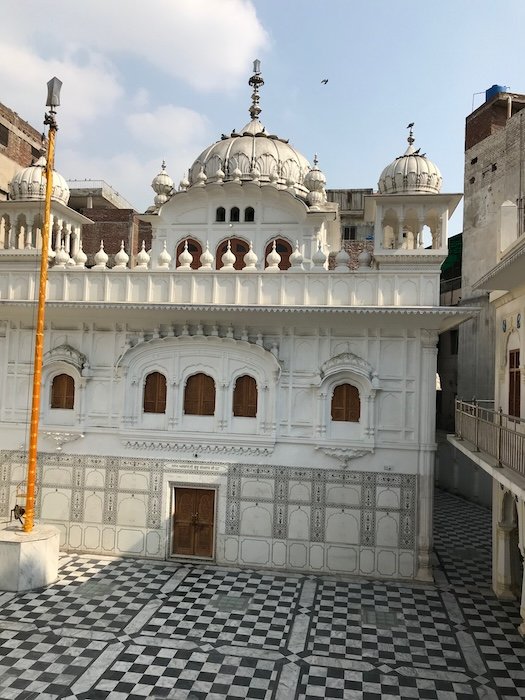
Enter the walled city through Delhi Gate and walk into Chuna Mandi bazaar. The gurdwara building stands near Chuna Mandi chowk, close to the birthplace of Guru Ram Das. Because the building is occupied by settled families, you cannot enter as a visitor — but you can stand in the lane, see the structure from outside, and hear the full story from your guide: the Sodhi family trade, the young Arjan’s long wait, the three letters. Respect the residents’ privacy; this is someone’s home now, and a quiet, respectful look from the lane is the right way to pay your respects.
Visit Gurdwara Janam Asthan Sri Guru Ram Das
A few minutes away, inside Delhi Darwaza near Purani Kotwali Chowk, stands the gurdwara marking the birthplace of Guru Ram Das — born here on October 9, 1534 to Sodhi Hardas and Mata Daya Kaur, and raised here for his first seven years. Pairing it with Diwan Khana gives you the complete family story: birthplace and family courtyard in a single walk. The haveli in this neighbourhood also served as the premises of the first Government College Lahore, before becoming the Nawaz Sharif Girls College — another layer of Lahore history in the same streets.
Wander Chuna Mandi bazaar
Chuna Mandi is one of the walled city’s busiest and oldest markets — fabric, spices, everyday Lahori life. Go on a weekday morning to beat the crowds. This is the old city at its most authentic: porters with carts, shopkeepers who have been here for generations, and lanes that look much as they did when the young Arjan walked them. A guided old-city walk folds the bazaar, the gurdwara lane and the Delhi Gate into one flowing experience.
Extend to the great Lahore landmarks
The walled city rewards a full day. From Chuna Mandi it is an easy walk or short ride to Badshahi Mosque, Lahore Fort, the Shahi Hammam, and Gurdwara Dera Sahib — the golden-domed shrine commemorating Guru Arjan’s martyrdom, built by Guru Hargobind in 1619 and expanded under Maharaja Ranjit Singh. Our Gurdwara Baoli Sahib, Rang Mahal travel guide and Ali Baig Gurdwara travel guide cover more of Lahore’s Sikh heritage if you are building a full pilgrimage circuit. Browse more ideas in our Explore Pakistan collection.
Famous Places In and Around Gurdwara Diwan Khana Sahib, Chuna Mandi
- Gurdwara Janam Asthan Sri Guru Ram Das — birthplace of the fourth Sikh Guru, minutes from Diwan Khana
- Delhi Gate — the grand Mughal-era entrance to the walled city, restored in recent years
- Gurdwara Dera Sahib — the martyrdom shrine of Guru Arjan near Lahore Fort, with its gilded dome
- Badshahi Mosque — one of the world’s great Mughal mosques, a short walk from the walled city core
- Lahore Fort — the Mughal citadel with Sheesh Mahal and the Hazuri Bagh
- Shahi Hammam — the restored 17th-century royal bathhouse inside Delhi Gate
How to Reach Gurdwara Diwan Khana Sahib, Chuna Mandi
Chuna Mandi sits inside Lahore’s walled city, so reaching it is easy — the trick is the last stretch, which you cover on foot through the old bazaars.
- From Lahore itself: the shrine is in the old city near Delhi Gate. Ride-hail, a taxi or a rickshaw will drop you at Delhi Gate; from there it is a walk of a few minutes into Chuna Mandi. Any Lahore trip of a few hours covers it.
- From Islamabad: around 375 km via the M-2 motorway, roughly 4 to 4.5 hours by car. Daewoo and other bus services run constantly between the two cities.
- From Karachi: around 1,240 km by road — this is a flight route for most travelers. Daily flights connect Karachi with Lahore in about 2 hours; trains (Green Line, Karachi Express) take the better part of a day.
- Nearest airport: Allama Iqbal International Airport, Lahore — about 13 km from the walled city, 25 to 40 minutes depending on traffic.
- Road conditions: motorways and the Grand Trunk Road into Lahore are excellent year-round. Inside the walled city, expect narrow, crowded lanes — cars cannot reach the gurdwara lane itself.
- Transport options: private car or tour van for the intercity leg, ride-hailing or rickshaws inside Lahore, and your own feet for the final stretch through Chuna Mandi.
Route Details
Step 1: Reach Lahore by motorway (M-2 from Islamabad), flight (Karachi and other cities), or train. Step 2: Head for the walled city and get dropped at Delhi Gate — the main old-city entrance on the eastern side. Step 3: Enter through the gate on foot with a guide and walk into Chuna Mandi bazaar toward Chuna Mandi chowk, near Purani Kotwali Chowk. Step 4: View the Diwan Khana building from the lane, then walk the few minutes to Gurdwara Janam Asthan Sri Guru Ram Das. Step 5: Continue your old-city day — Shahi Hammam, Wazir Khan Mosque, and the Fort are all within easy reach.
Where to Stay in Gurdwara Diwan Khana Sahib, Chuna Mandi
You stay in Lahore, not in Chuna Mandi — and Lahore has Pakistan’s deepest bench of accommodation. Luxury travelers head to the five-star properties on Mall Road and in Gulberg, where international-standard hotels offer the full range of comfort. Mid-range hotels cluster along Mall Road, in Gulberg and near the airport, giving you clean, reliable rooms at sensible rates. Budget guesthouses and hostels are easy to find near the railway station and in the old-city area, though most visitors prefer to stay in the newer parts of town and visit the walled city as a day trip. For a heritage-flavoured stay, look at the restored haveli guesthouses inside the walled city itself — a handful of old mansions have been converted into boutique stays, and waking up inside the old city is an experience in itself. Book ahead in winter (November to February), when Lahore’s tourist season peaks.
Where to Eat: Local Foods of Gurdwara Diwan Khana Sahib, Chuna Mandi
Eating in the walled city is half the reason to come. The old city is Lahore’s food heart, and Chuna Mandi sits within easy walking distance of legendary food streets. Start the morning with halwa puri and lassi from an old-city shop — the classic Lahori breakfast. By midday, graduate to nihari, paya, or chargha from the famous kitchens near Delhi Gate and Food Street. The area around the walled city is known for its tandoors, kebab shops and sweet houses; try gulab jamun or barfi from an old mithai shop for dessert. A full meal at a traditional old-city eatery is budget-friendly by any standard — expect a generous lunch to cost a few hundred rupees per person, with finer restaurants on Food Street and in the newer city charging more. Drink bottled water, eat where the crowd is local and the turnover is fast, and save room: the walled city rewards the hungry.
Weather in Gurdwara Diwan Khana Sahib, Chuna Mandi
Lahore sits on the plains, so the weather here is classic Punjab: a glorious winter, a brief spring, a fierce summer, and a humid monsoon in between. The gurdwara visit is an outdoor walking experience through crowded bazaars, so winter is far and away the best time.
| Season | Temperature Range | Conditions |
|---|---|---|
| Winter (Dec–Feb) | 5–20°C | Crisp, sunny days around 18°C — perfect for old-city walking |
| Spring (Mar–Apr) | 16–32°C | Pleasant mornings, warming afternoons; still good for visits |
| Summer (May–Jul) | 32–45°C | Intensely hot; the bazaar lanes become exhausting by midday |
| Autumn (Sep–Nov) | 22–34°C | Cooling down; October and November are very comfortable |
Monsoon rains fall roughly July to September and can waterlog the old city’s narrow lanes. For the best Gurdwara Diwan Khana Sahib weather, aim for November to March.
Language and Culture of Gurdwara Diwan Khana Sahib, Chuna Mandi
The walled city speaks Punjabi — the Lahori, Majhi-flavoured kind — with Urdu understood everywhere and English common in hotels and among guides. This is a deeply traditional neighbourhood: dress modestly (covered shoulders and knees for everyone), and follow gurdwara etiquette wherever a shrine is accessible — cover your head, remove your shoes, wash your hands, and accept any offered prasad or langar food graciously. When photographing in the bazaar, ask before pointing your camera at people; shopkeepers are usually happy to pose, but a smile and a gesture go a long way. Bargaining is expected in the bazaar but keep it friendly. If you visit on a day when any shrine is open for worship, keep your voice low and your phone silent — you are a guest in someone’s sacred space.
Shopping in Gurdwara Diwan Khana Sahib, Chuna Mandi
Chuna Mandi is itself a shopping destination — one of Lahore’s great traditional bazaars. The lanes around the walled city sell fabric, embroidered textiles, spices, and everyday goods at prices far below the malls of the new city. Nearby Shah Alam Market is the wholesale heart of Lahore, and Ichhra and Anarkali offer everything from ready-made clothes to traditional khussas (embroidered shoes). For souvenirs, look for blue Multani pottery, brass work, and Punjabi phulkari embroidery in the old-city shops. There are modern malls in Lahore’s newer districts, but the honest advice is this: for this trip, shop the old city — it is cheaper, more interesting, and you are buying where generations of Lahoris have bought.
Travel Tips for Gurdwara Diwan Khana Sahib, Chuna Mandi
Packing Essentials
Bring a headscarf or cap (required for any gurdwara visit), comfortable walking shoes with easy slip-on-and-off for shrine etiquette, sun protection, and a water bottle. Winter mornings can be chilly — carry a light jacket from December to February. Keep small cash for the bazaar; many old-city shops do not take cards.
Safety Tips
Lahore’s walled city is busy and generally welcoming to tourists, but it is crowded — keep valuables close, use a cross-body bag, and go with a reputable guide who knows the lanes. The bazaar is at its calmest on weekday mornings; avoid the crush of weekend afternoons. Stick to bottled or filtered water, and eat at busy, high-turnover food shops.
Money & Connectivity
ATMs are plentiful around the walled city entrances and throughout Lahore; carry cash for the bazaar itself. All major mobile networks (Jazz, Telenor, Zong, Ufone) have strong 4G coverage in Lahore. Most mid-range and luxury hotels offer Wi-Fi, and many old-city cafes do too.
Best Time to Visit Gurdwara Diwan Khana Sahib, Chuna Mandi
Winter (November to March) — the season to come
Daytime temperatures hover between 18 and 27°C, the air is clear, and the bazaar is at its most walkable. This is when Lahore shows its best face, and when the old-city lanes are a pleasure rather than an endurance test. Go on a weekday morning to see Chuna Mandi at its calmest.
Spring (March to April) — still lovely
Mornings stay pleasant even as afternoons warm up. A good second choice if winter does not fit your calendar.
Summer (May to July) — avoid if you can
With temperatures pushing toward 39–45°C, walking the crowded bazaar lanes becomes genuinely punishing. If you must come, go at dawn and retreat indoors by late morning.
Autumn (September to November) — the comeback
October and November bring the heat down and the light turns golden — an underrated, beautiful time for old-city photography and unhurried walks.
Final Thoughts
Gurdwara Diwan Khana Sahib will not give you a grand darbar hall or a manicured complex — it will give you something rarer: the actual lane where a homesick young man wrote verses that millions still sing. Pair it with the birthplace of Guru Ram Das next door, walk the bazaar that has barely changed in four centuries, and finish your day at the great monuments of the walled city. That is a Lahore day worth traveling for.
Go honestly, go respectfully, and go in winter. The old city rewards travelers who slow down — and few corners of it carry a story as tender as the three letters of Chuna Mandi. For more heritage journeys across the country, keep exploring our Explore Pakistan guides.
FAQs
Where is Gurdwara Diwan Khana Sahib?
It stands in Chuna Mandi bazaar, inside Delhi Gate in Lahore’s walled city, Punjab, Pakistan — very close to the birthplace of Guru Ram Das.
What is the best time to visit Gurdwara Diwan Khana Sahib, Chuna Mandi?
November to March, on a weekday morning — Lahore’s winter days are a comfortable 18–27°C and the bazaar is calmest early in the day.
How do I reach Gurdwara Diwan Khana Sahib?
Travel to Lahore (motorway, flight or train), get dropped at Delhi Gate, and walk into Chuna Mandi bazaar — the last stretch is on foot through the old city lanes.
Can visitors enter the gurdwara?
Currently no — the building is occupied by settled families and the sangat cannot visit inside. View it respectfully from the lane with a guide, and visit the nearby Janam Asthan of Guru Ram Das instead.
Is it safe for families?
Yes, with the usual old-city common sense: go in the morning, hire a reputable guide, keep valuables secure, and stay hydrated.
Where should I stay?
In Lahore — from five-star hotels on Mall Road and in Gulberg to mid-range hotels and budget guesthouses, plus boutique haveli stays inside the walled city.
What food should I try nearby?
Halwa puri and lassi for breakfast, nihari, paya and chargha from the old-city kitchens, and sweets from a traditional mithai shop.
Why is this gurdwara historically important?
It was the ancestral trading place of Guru Ram Das’s family, and it is where the young Guru Arjan composed the three homesick letters to his father that became the Shabad Hazaray hymns.