Quick Facts
- Location: Just before the entrance to Bhaike Mattu village, about 2 km south-east of Nowshera Virkan police station, Nowshera Virkan Tehsil, Gujranwala District, Punjab
- Famous For: Guru Hargobind’s halt here in 1620 on his return from Kashmir; the story of the smoker named Hargobind whom the Guru turned from tobacco; black-and-white tiled floors, floral wall paintings and a painted ceiling; construction dated Samvat 1990 (1933)
- Nearest City: Nowshera Virkan (2 km); Gujranwala city is a short drive away; Lahore is the main base
- Accessibility: Easy village-road drive from Nowshera Virkan; nearest international airports at Lahore and Islamabad
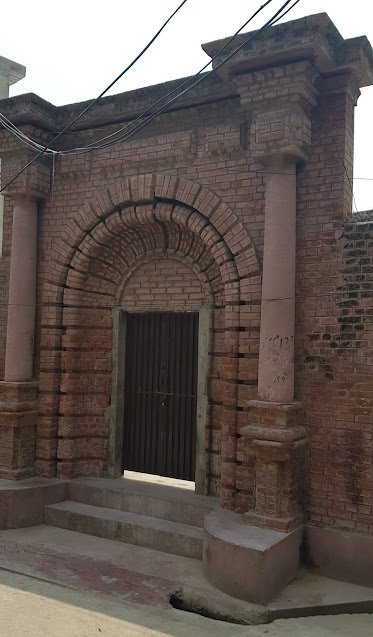
- Known Landmarks: The gurdwara building with its plaques and floral art, the village entrance, Nowshera Virkan town
- Best For: Sikh-heritage pilgrims, history lovers, architecture and fresco enthusiasts, and day-trippers from Lahore and Gujranwala
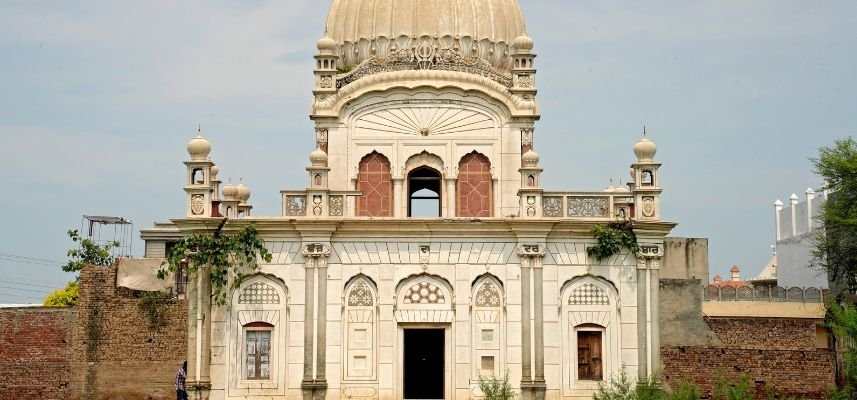
Every Sikh shrine in Pakistan has a story — but few have one as human as Gurdwara Khara Sahib, Bhaike Mattu. In 1620, Guru Hargobind, the sixth Sikh Guru, halted in this Gujranwala village on his way back from Kashmir. A local man came and sat near him after bowing — and the Guru noticed his moustaches, yellowed with tobacco smoke. “You carry my name,” the Guru told the man, who was himself called Hargobind, “yet you commit the offence of smoking.” The man quit on the spot, sought forgiveness, and became the Guru’s disciple. The shrine that commemorates that encounter — also known as Gurdwara Chhevin Patshahi, the shrine of the Sixth Master — still stands at the village entrance, its black-and-white tiled floors and flower-painted walls and ceiling lovingly preserved, its plaques recording a 1933 rebuilding. Freshly restored and stirring back to religious life, it is one of the most rewarding small heritage stops in Punjab. Add it to your itinerary from our Explore Pakistan collection.
Why Visit Gurdwara Khara Sahib, Bhaike Mattu
First, this is a shrine of the Sixth Guru, and Guru Hargobind’s sites are rare in Pakistan. Known to Sikhs as Chhevin Patshahi, the Sixth Master transformed the Sikh community by taking up the sword alongside the scripture — the doctrine of Miri and Piri, temporal and spiritual authority. His 1620 halt at Bhaike Mattu, returning from Kashmir, is one of the documented moments of that remarkable life on Pakistani soil. For Sikh pilgrims and students of Sikh history, standing where the Guru stood is reason enough.
Second, the tobacco story gives the shrine its name and its soul. “Khara” evokes the stark, uncompromising quality of the Guru’s rebuke — the moment he confronted a man carrying his own name about the habit staining it. Sikhism’s prohibition of tobacco (one of the four cardinal prohibitions of the Khalsa code) is preached at many shrines; here you stand at one of the places where the teaching was personally delivered. It is history with a moral pulse still beating.
Third, the building is a genuine architectural delight. The gurdwara is celebrated for its striking interior: floors laid in black-and-white tiles, walls decorated with paintings of flowers, and a ceiling covered in floral designs — a jewel-box of early-20th-century Punjabi craftsmanship. Plaques set into the building record the names of those who contributed to its repair and note its construction in Samvat 1990, corresponding to 1933–34. For photographers and lovers of vernacular art, the interior alone justifies the trip.
Finally, the timing of your visit could hardly be better. After decades of quiet neglect following 1947, the gurdwara has been restored — recent reports describe renovation supervised by heritage experts from the National College of Arts, Lahore, with the aim of resuming daily prakash — and it is listed as restored under the care of the Pakistan Sikh Gurdwara Prabandhak Committee. Visiting now means seeing a heritage site at the hopeful moment of its revival, when the paint is fresh, the sangat is returning, and the story is being retold for a new generation.
History of Gurdwara Khara Sahib, Bhaike Mattu
The history of this shrine is anchored to a single year: 1620. Guru Hargobind Sahib Ji, the sixth Sikh Guru — revered as Saccha Badshah, the True Emperor — was travelling back from Kashmir when he halted briefly at the village of Bhaike Mattu in what is now Gujranwala district. As was his custom, he preached to the people: follow the path shown by Guru Nanak, he exhorted them, and he spoke with particular force against the use of tobacco.
It was then that the famous encounter occurred. A man came and sat close to the Guru after prostrating before him — but his moustaches had turned yellow from smoking. The Guru asked his name. “Hargobind is my name,” the man replied. And the Guru answered: you carry this name, yet you commit the offence of smoking. The rebuke struck home instantly. The man gave up the habit on the spot, sought forgiveness for his past deeds, and became a devoted disciple of the Guru. The shrine raised to commemorate the visit took the name Khara Sahib — and is equally known as Gurdwara Chhevin Patshahi, the gurdwara of the Sixth Master.
For the next three centuries the shrine lived the quiet life of a village gurdwara, affiliated in the 20th century with the Shiromani Gurdwara Parbandhak Committee. A fair used to be held here every year on the 7th of Saawan (the monsoon month of the Punjabi calendar), drawing the rural sangat. The present building dates to a rebuilding recorded as Samvat 1990 — 1933 in the common calendar, confirmed by a dated photograph of the gurdwara from October 1933 — when local devotees raised the handsome structure whose floral-painted interior survives today, its donor plaques still naming the contributors.
Partition in 1947 broke the shrine’s congregational life: it had to be abandoned in the migrations that tore the Punjab apart. The building survived, but the decades that followed brought neglect — at one point animals were being fed directly outside its premises, and its painted surfaces faded. The revival began in recent years: heritage reports describe a restoration carried out with traditional materials under the supervision of National College of Arts experts, with the expectation that daily Sikh religious ceremonies would resume. Today the gurdwara is listed as restored under the Pakistan Sikh Gurdwara Prabandhak Committee — a second life for a shrine that has already lived four centuries. If the Sixth Guru’s legacy interests you, our Gurdwara Chhevin Patshahi, Mansehra travel guide covers another of his shrines in Pakistan.
Top Things to Do in Gurdwara Khara Sahib, Bhaike Mattu
Study the Floral Interior
The inside of Khara Sahib is its glory. Walk slowly across the black-and-white tiled floors, look up at the ceiling’s floral designs, and trace the painted flowers on the walls — a complete decorative scheme from the 1933 rebuilding, recently refreshed by restoration. It is among the best-preserved gurdwara interiors of its period in Pakistani Punjab, and it rewards unhurried looking.
Read the Donor Plaques
Set into the building are plaques bearing the names of the people who contributed to the shrine’s repair and maintenance, recording the Samvat 1990 construction. These modest inscriptions are a social history in themselves — the record of an ordinary village community raising an extraordinary building. They are worth reading as carefully as any museum label.
Retell the Tobacco Story on the Spot
Stand in the diwan hall and picture the scene of 1620: the Guru newly returned from Kashmir, the villager with the yellowed moustache, the question about his name, the instant transformation. Guides and granthis at the shrine know the sakhi well — ask them to narrate it. Sacred stories land differently when told where they happened.
Walk Bhaike Mattu Village
The gurdwara stands just before the village entrance, so a gentle walk into Bhaike Mattu is natural. This is working Punjab — wheat and rice fields, buffaloes, children cycling home from school, elders on charpais under the trees. A respectful stroll, a greeting of “Sat Sri Akal” or “Assalam-o-Alaikum” as appropriate, and perhaps a cup of tea if offered, will show you the living context of the shrine.
Famous Places In and Around Gurdwara Khara Sahib, Bhaike Mattu
Nowshera Virkan — the tehsil town 2 km away, with its bazaars and the familiar small-town Punjab bustle. Gujranwala city — the “City of Wrestlers,” Pakistan’s fifth-largest city, famous for its food streets and wrestling akharas; an easy add-on. Eminabad — the historic town south of Gujranwala with its own Sikh heritage sites. Gujranwala food streets — for the celebratory meal after your heritage morning (see the food section below).
How to Reach Gurdwara Khara Sahib, Bhaike Mattu
Bhaike Mattu is one of the most accessible heritage shrines in this series — a straightforward drive on Punjab’s excellent road network, very doable as a half-day trip from Lahore or Gujranwala.
From Lahore: about 85–90 km, roughly 1.5–2 hours by car via the M-2 motorway or the GT Road to Gujranwala, then local roads to Nowshera Virkan and the 2 km onward to Bhaike Mattu. Leave after breakfast and you can be back in Lahore for a late lunch — or linger for Gujranwala’s famous food.
From Islamabad: about 225 km, roughly 3.5–4 hours via the M-2 motorway to the Gujranwala/Nowshera Virkan interchanges. An easy day trip, or combine with an overnight in Lahore.
From Karachi: fly to Lahore (about 1.5 hours) and drive up — the shrine is 90 minutes from the airport. There is no closer practical airport for this trip.
By train: Gujranwala Junction is on the main Lahore–Rawalpindi line with frequent services; from the station, hire a taxi or rickshaw for Nowshera Virkan (about 30–40 minutes) and on to Bhaike Mattu.
Local transport: From Nowshera Virkan, rickshaws and Qingqis run the village roads; the gurdwara is just before the village entrance and every local driver knows it. A private car gives you the freedom to combine the shrine with Gujranwala city’s food and bazaars in one outing.
Route Details
Step by step: (1) Reach Nowshera Virkan from Gujranwala or via the M-2 interchanges. (2) At the Nowshera Virkan police station area, take the road south-east toward Bhaike Mattu village (about 2 km — signposted locally; ask for “Bhaike Mattu” or “Khara Sahib gurdwara”). (3) The gurdwara stands just before the village entrance on your route — you cannot miss its domed profile. (4) Park, cover your head, remove your shoes, and enter. Allow an hour for the shrine and its plaques, plus time for the village walk.
Where to Stay in Gurdwara Khara Sahib, Bhaike Mattu
Most visitors do Khara Sahib as a day trip from Lahore or Gujranwala and need no hotel at all — that is the beauty of its location. If you do want to stay over, Gujranwala city is the natural base: it has a full range of mid-range hotels with air conditioning, restaurants and room service at very reasonable rates, plus the city’s legendary food streets for the evening.
Lahore, 90 minutes away, offers everything from budget guesthouses to five-star luxury for those combining the shrine with a longer Punjab tour. Nowshera Virkan itself has only basic guesthouses — adequate for a night if you are touring the tehsil’s villages, but most travellers will prefer Gujranwala’s comfort.
For a heritage weekend, consider this plan: day one, Khara Sahib in the morning and Gujranwala’s food and bazaars in the afternoon and evening (overnight in Gujranwala); day two, the city’s wrestling akharas and historic quarters, or push on to Lahore. Simple, rich and very Punjabi.
Where to Eat: Local Foods of Gurdwara Khara Sahib, Bhaike Mattu
You are in Gujranwala district — which means you are in one of Pakistan’s great food cities, and eating is half the trip. Gujranwala’s wrestler-fuelled cuisine is famous nationwide: start with chanay (the city’s chickpea curry is legendary), murgh chanay, and hareesa-style slow-cooked wheat-and-meat porridge in winter. The dhabas do magnificent desi-ghee cooking — saag with white butter, daal desi ghee tarka, and tandoori rotis slapped fresh from the clay oven.
For grill lovers: seekh kebabs, malai boti and chicken tikka in the evening bazaars, followed by kulfi or kheer for dessert. And no Gujranwala trip is complete without the sweets — barfi, gulab jamun and patisa from the city’s famous halwais, ideally bought warm. Wash it all down with a tall, salted lassi. Prices are classic Punjab-dhaba: generous, delicious and easy on the wallet — a feast for two costs less than a modest meal in Islamabad. (One gentle irony for the health-conscious pilgrim: the Guru preached against tobacco at Khara Sahib, not against desi ghee — but moderation, as always, is wise.)
Weather in Gurdwara Khara Sahib, Bhaike Mattu
Gujranwala district has a hot semi-arid Punjab climate: fierce summers, a monsoon break, and mild winters with the famous Punjab fog and smog. The shrine visit is short and the building offers shade, so the weather matters less here than in the series’ hotter destinations — but winter remains the sweet spot.
| Season | Temperature Range | Conditions |
|---|---|---|
| Winter (Dec–Feb) | 5°C – 20°C | Mild and pleasant; the best season. Morning fog can delay early starts — aim to arrive after 10 am. |
| Spring (Mar–Apr) | 15°C – 36°C | Lovely in March, warming through April; green fields and clear light for photography. |
| Summer (May–Jun) | 27°C – 44°C | Very hot and dry; visit early morning, then retreat to Gujranwala’s air-conditioned restaurants. |
| Monsoon (Jul–Sep) | 28°C – 38°C | Hot and humid with heavy monsoon rains; dramatic skies, but muddy village lanes. |
| Autumn (Oct–Nov) | 15°C – 33°C | Cooling and clear; an excellent shoulder season, with harvest activity in the fields. |
Language and Culture of Gurdwara Khara Sahib, Bhaike Mattu
Punjabi is the language of Bhaike Mattu and the whole district — warm, direct and musical. Urdu is universally understood, so visitors from anywhere in Pakistan will communicate easily; English is confined to educated urban circles. A few Punjabi phrases — “Sat Sri Akal” as a greeting at the gurdwara — will earn you immediate smiles.
The culture is classic central Punjab: hospitable to a fault, proud of its food and its wrestlers, and deeply respectful of religious places of all faiths. At the gurdwara, observe standard courtesies: cover your head, remove your shoes, dress modestly, keep voices low in the prayer hall, and ask before photographing worshippers. If a granthi or caretaker offers to narrate the 1620 sakhi, accept — these oral histories are the living heritage of the shrine. Small donations to the gurdwara’s upkeep are customary and appreciated, especially as the restored shrine rebuilds its sangat.
Shopping in Gurdwara Khara Sahib, Bhaike Mattu
Do your shopping in Gujranwala city or Nowshera Virkan’s bazaar rather than the village. Gujranwala’s markets are excellent for khaddar and lawn fabrics, embroidered textiles, steel and brass household goods (the city is a manufacturing hub), and — the essential purchase — boxes of fresh barfi, patisa and gulab jamun from the famous sweet shops.
The city’s crockery and ceramics shops are worth a browse, and the spice markets will set you up with the masalas to recreate Gujranwala’s flavours at home. Prices are well below Lahore levels and bargaining is friendly. There is no need to seek out a mall; the traditional bazaars around the old city are the real shopping experience.
Local Events and Festivals
The shrine’s traditional fair is verifiable and historic: a mela used to be held at Khara Sahib on the 7th of Saawan — the monsoon month of the Punjabi calendar, falling in July/August — drawing the rural sangat for prayers and festivity. With the gurdwara’s restoration and the expected resumption of regular religious life, there is every hope that such gatherings will revive; check with local Sikh organisations or the Pakistan Sikh Gurdwara Prabandhak Committee for current observances before timing a visit around it.
More broadly, Baisakhi (April) is celebrated with great enthusiasm across Gujranwala district — fairs, music and feasting in the Sikh and wider Punjabi community — and the wheat harvest season brings its own rural festivities. Gujranwala’s famous wrestling tournaments (dangals) in the city’s akharas run through the cooler months and make a thrilling cultural add-on to a heritage day.
Travel Tips for Gurdwara Khara Sahib, Bhaike Mattu
Packing Essentials
This is an easy day trip, so pack light: a headscarf or dupatta for the gurdwara, comfortable slip-on shoes, sun protection and water. In winter add a warm layer for foggy mornings and cool evenings; in summer, light cotton, a hat and sunglasses are essential. A camera is a must for the floral interior — check with the caretaker about photography inside the prayer hall.
Safety Tips
The area is peaceful, well-populated Punjab and very safe for visitors, including families and foreign tourists. Standard precautions apply: drink bottled water, keep valuables discreet, and avoid driving unlit village lanes after dark. The gurdwara’s tiled floors can be slippery — step carefully, especially if the floor has just been washed, as is customary.
Money & Connectivity
Bring cash from Gujranwala or Lahore — there are no ATMs in the village itself. Small notes cover rickshaws, tea and donations. Mobile coverage from all major networks is excellent throughout the area. There is no entry fee; donations to the shrine go in the golak (donation box) or to the caretaker for the shrine’s upkeep.
Best Time to Visit Gurdwara Khara Sahib, Bhaike Mattu
Winter (November to February) — the best season
Mild days of 12–20°C, crisp air and golden light on the fields: perfect for the shrine, the village walk and Gujranwala’s food streets. Watch for morning fog on the motorway in December–January and plan a slightly later start.
Spring (March to April) — lovely and festive
Green wheat fields, clear skies and Baisakhi energy across the district. March is ideal; by late April carry sun protection and water for midday.
Summer and Monsoon (May to September) — early mornings only
Highs of 40–44°C make midday sightseeing uncomfortable. Visit the gurdwara at opening time, then spend the hot hours in Gujranwala’s restaurants and bazaars. The monsoon brings dramatic skies — and muddy lanes.
Autumn (October to November) — the easy shoulder
Comfortable temperatures, clear air and harvest scenes in the fields. An excellent, crowd-free time for a Punjab heritage drive.
Final Thoughts
Gurdwara Khara Sahib, Bhaike Mattu is proof that the greatest heritage sites are not always the grandest — sometimes they are the most human. A Guru’s sharp, loving rebuke; a smoker’s instant transformation; a village community’s 1933 jewel-box of a shrine; a restoration bringing it all back to life. In a single visit you get Sikh history, Punjabi art, village life and one of the finest food cities in Pakistan waiting nearby.
Come in winter, when the light is golden and the air is crisp. Spend an unhurried hour with the floral ceilings and the old plaques, walk the village lanes, and then do as the locals do: drive into Gujranwala and eat like a wrestler. For more heritage journeys through Punjab and beyond, keep exploring our Explore Pakistan guides — and when the mountains call, our Malam Jabba travel guide is waiting.
FAQs
Where is Gurdwara Khara Sahib located?
Just before the entrance to Bhaike Mattu village, about 2 km south-east of Nowshera Virkan police station in Gujranwala District, Punjab.
What is the best time to visit Gurdwara Khara Sahib, Bhaike Mattu?
November to February, with mild days of 12–20°C. Mornings can be foggy in December–January, so arrive after 10 am.
How do I reach Bhaike Mattu from Lahore?
About 85–90 km, roughly 1.5–2 hours by car via the M-2/GT Road to Gujranwala, then local roads through Nowshera Virkan to the village.
What is the story behind the name Khara Sahib?
In 1620 Guru Hargobind rebuked a tobacco-smoking villager who shared his name, Hargobind; the man quit smoking and became his disciple. The shrine commemorates that stark (“khara”) encounter.
Is the gurdwara open for worship?
Yes — it has been restored and is under the Pakistan Sikh Gurdwara Prabandhak Committee, with religious life reviving. Cover your head, remove shoes, and ask the caretaker about photography inside.
What is special about the building?
Its 1933 (Samvat 1990) interior: black-and-white tiled floors, flower-painted walls and a floral ceiling, plus plaques naming the donors who built it.
Where can I stay near Bhaike Mattu?
Most visitors day-trip from Lahore (90 min) or stay in Gujranwala city, which has good mid-range hotels. Nowshera Virkan has only basic guesthouses.
What food should I try nearby?
Gujranwala’s famous cuisine: chanay, murgh chanay, desi-ghee saag and daal, seekh kebabs, barfi and gulab jamun from the city’s halwais, and a tall salted lassi.