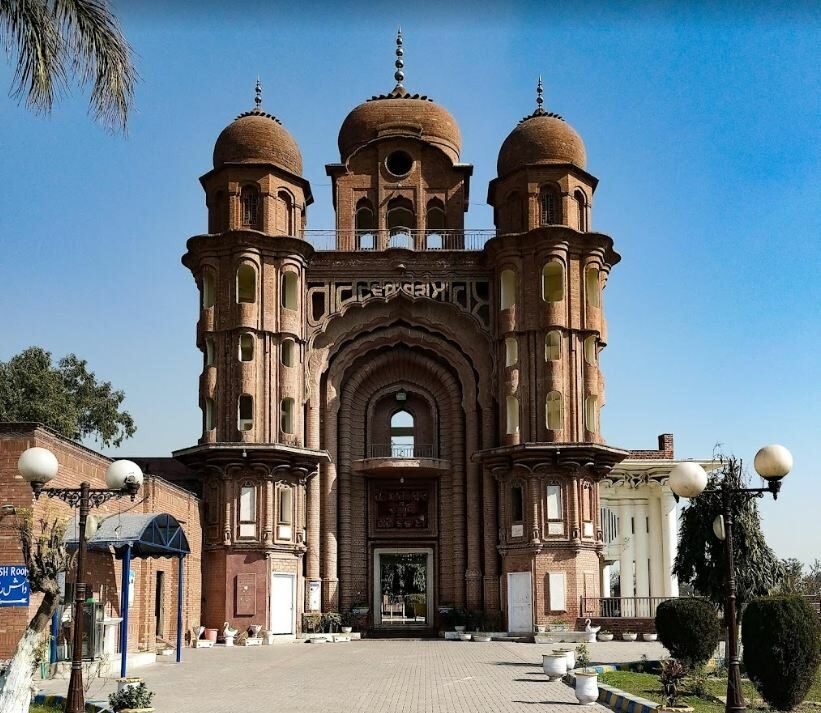
Some places you visit for their beauty. Others you visit because history happened there — real, documented, world-shaping history. Gurdwara Rori Sahib in Eminabad is both. This imposing red-brick shrine with its three chhatris, its great central dome and its serene sarovar marks the very spot where Guru Nanak Dev Ji, the founder of Sikhism, sat on a bed of pebbles in prayer as Babur’s armies stormed the town in 1521. If you are putting together a Gurdwara Rori Sahib, Eminabad travel guide and asking whether this small town near Gujranwala deserves your day — the answer is an emphatic yes. This is one of the most historically charged Sikh shrines in Pakistan, and it is still very much alive.
Eminabad is not a polished tourist town. It is a working Punjab town of wrestlers, workshops and wheat fields, and the gurdwara rises from its outskirts like a memory made of brick. That rawness is the point. Unlike the manicured complexes of the big pilgrimage centres, Rori Sahib lets you feel the weight of 1521: the invasion, the arrest, the Guru’s unshaken calm. Pilgrims from India, Canada, the UK and beyond make this a regular stop on their Sikh yatra through Pakistan. Heritage travellers come for the architecture — a three-storey darbar built in the classic Nanakshahi-brick style, with a lotus-domed chamber marking the exact pebbled spot. And photographers come for the light on old brick at golden hour, with the sarovar mirroring the domes.
Quick Facts
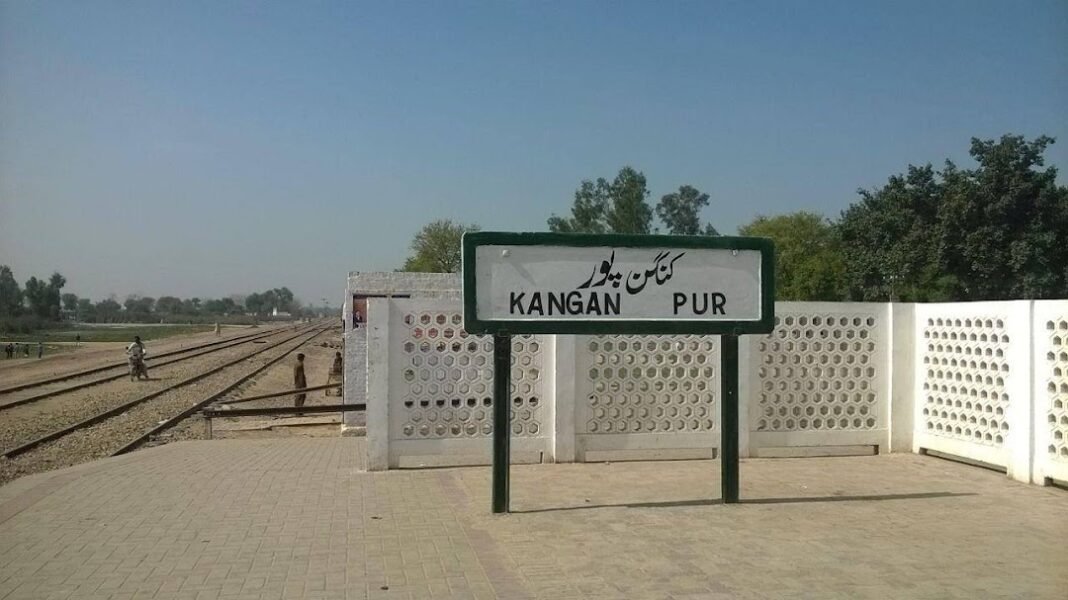
- Location: About 1.5–2 km from Eminabad town, Gujranwala district, Punjab, Pakistan — linked to the Grand Trunk Road and Eminabad railway station by a metalled road
- Famous for: The spot where Guru Nanak Dev Ji sat on pebbles (rori) in prayer and was arrested during Babur’s invasion of Punjab in 1521
- Old name of the town: Saidpur — the name used in Sikh historical accounts of 1521
- Altitude: The flat Punjab plains — easy, level walking throughout the complex
- Nearest city: Gujranwala (about 15 km north); Lahore is roughly 55 km to the south
- Accessibility: By road year-round; Eminabad has its own railway station; nearest international airport is Lahore
- Known landmarks: The three-storey red-brick darbar, the ribbed white lotus dome over the pebble spot, the large sarovar, and the neighbouring shrines of Chakki Sahib and Khuhi Bhai Lalo
- Best for: Sikh pilgrims, history lovers, architecture enthusiasts, families, photographers
Why Visit Gurdwara Rori Sahib, Eminabad
Let us start with the story, because the story is why you come. In 1521, when Babur’s armies swept into Punjab, the town then called Saidpur was sacked. Guru Nanak was there, staying with his devotee Bhai Lalo the carpenter. When the soldiers rounded up the townspeople, they found the Guru sitting on a bed of small pebbles — rori — deep in prayer, utterly undisturbed by the chaos around him. He was arrested along with the others. The Janam Sakhis record that the Guru and Bhai Mardana were imprisoned and even made to grind grain on a stone mill. That image — a spiritual master at perfect peace on a bed of stones while an empire’s army rages — is one of the most powerful in Sikh history, and this gurdwara stands on the exact ground where it happened. You do not need to be Sikh to feel that.
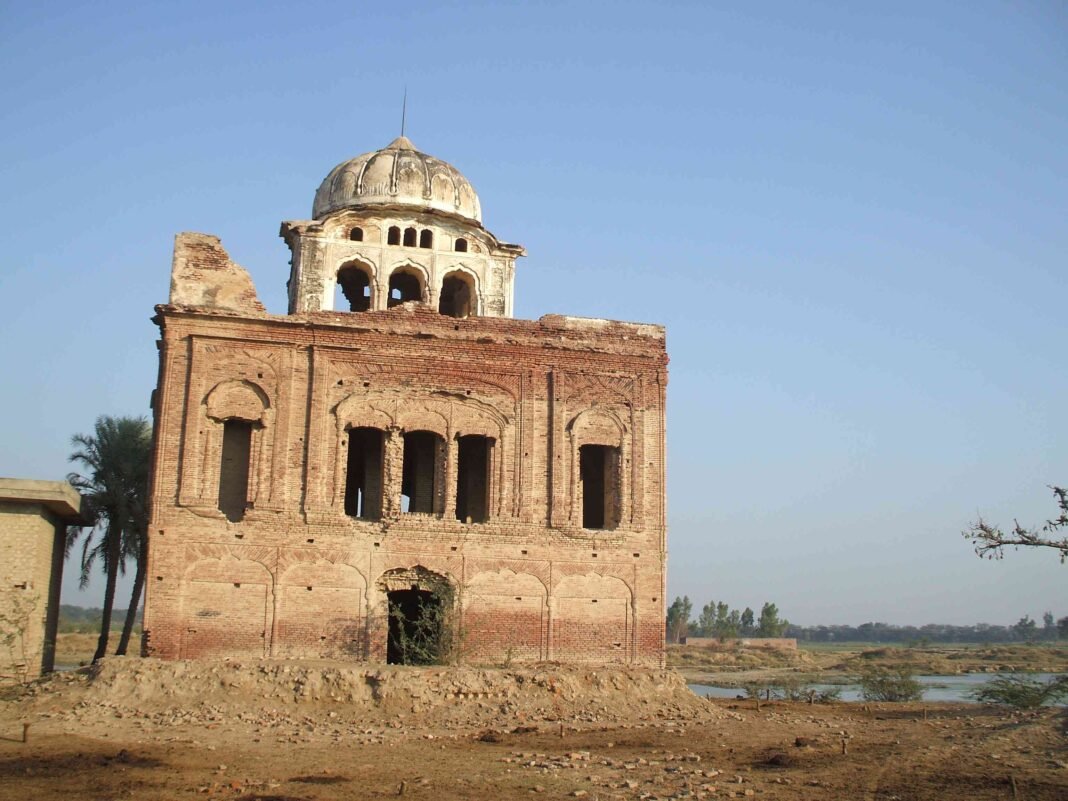
Then there is the building itself. Rori Sahib is a genuinely imposing structure: a three-storey darbar of cut red brick, topped with three chhatri-like pavilions around a large central gumbaz, with a rectangular hall adjoining the entry and a large sarovar set to one side. At the rear of the complex stands a room crowned by an exquisite ribbed white lotus dome with a circumambulatory verandah — and that room covers the pebbled area where Guru Nanak was arrested. Walking that verandah, knowing what lies beneath the dome, is the kind of moment that stays with you. The architecture is classic Sikh-period Punjab: honest brick, generous domes, built to last centuries.
Eminabad also gives you three shrines for the effort of one trip. Within a short distance of each other stand Gurdwara Rori Sahib, Gurdwara Chakki Sahib and Gurdwara Khuhi Bhai Lalo — each marking a different episode of the Guru’s time here. The Khuhi Bhai Lalo shrine, in particular, is the well of Bhai Lalo’s house, and we have a full Gurdwara Khuhi Bhai Lalo, Eminabad travel guide to help you plan that leg. Together the three make Eminabad one of the richest single-town Sikh heritage clusters in Pakistan — a full day of pilgrimage and history without ever starting the car twice.
Finally, come because it is alive. A Vaisakhi festival is still held here every April, drawing people from Gujranwala and the surrounding areas with fanfare. Sikh yatri groups stop here on their Pakistan pilgrimages throughout the year. The shrine suffered damage after 1947 — its main building was set on fire — but preservation efforts including a protective boundary wall have kept it standing, and a caretaker looks after the complex. Visiting is a small act of keeping memory alive: every respectful visitor is a vote for this heritage surviving another generation. For anyone building a serious Explore Pakistan heritage route, Eminabad belongs beside the big names.
History of Gurdwara Rori Sahib, Eminabad
The history begins before the gurdwara, with the town itself. Eminabad was once called Saidpur, and it was already an old settlement when Guru Nanak first came here. According to the Bhai Bala Janam Sakhi, after leaving Sultanpur and before setting out on his long missionary journeys, Guru Nanak — accompanied by Bhai Mardana — visited Eminabad, where Bhai Lalo, a carpenter by profession, became his Sikh. The town would become the setting for one of the most quoted episodes in the Guru’s life: the story of Bhai Lalo’s honest bread versus the rich Malik Bhago’s feast, a moral about honest labour that Sikhs still teach their children.
In 1521, Babur’s armies entered Punjab, and Saidpur was among the towns sacked. The Guru’s own hymns in the Guru Granth Sahib — the Babarvani compositions — describe the anguish of those days, and tradition places him in Eminabad as the town fell. At the moment of his arrest, Guru Nanak was sitting on the pebbles at this spot, absorbed in prayer. The Janam Sakhis add that during the invasion the Guru and Bhai Mardana were imprisoned and set to work at a grinding mill. Bhai Gurdas’s Vaar 1 alludes to the Guru’s time on this hard bed of stones. To commemorate it all, the sangat raised an imposing gurdwara over the place — Rori Sahib, the shrine of the pebbles.
The shrine flourished under Sikh rule. Maharaja Ranjit Singh’s era endowed it generously: historical accounts record an estate worth Rs 5,000 per annum and nine squares of agricultural land granted to the gurdwara, the income sustaining its priests, its langar and its festivals. In those days two great gatherings were held here — Vaisakhi and Kattak Puranmashi — and before Partition the site hosted large Vaisakhi melas along with a cattle fair. The central building rose to three storeys of cut brickwork, crowned with its distinctive chhatris and dome.
Partition in 1947 broke the shrine’s fortunes. The main building was set on fire, the sangat dispersed, and the complex fell into neglect. In later years the government took preservation steps — including building a protective boundary wall — and the shrine is now cared for under the country’s custodianship of Sikh heritage sites. The Vaisakhi festival continues to be held, smaller than the great pre-Partition melas but real, and Sikh pilgrim groups include Rori Sahib on their Pakistan yatras. The shrine endures: damaged, dignified, and still sacred.
Top Things to Do in Gurdwara Rori Sahib, Eminabad
Walk the lotus-domed chamber over the pebble spot
Make this your first stop. At the rear of the complex, the room topped with the ribbed white lotus dome covers the pebbled ground where Guru Nanak sat in prayer at the moment of his arrest in 1521. The circumambulatory verandah around it invites a slow, meditative circuit. Stand still for a minute and let the history settle: this is not a replica or a memorial plaque — tradition holds this is the actual ground. Few heritage sites in Pakistan offer that kind of direct contact with a world-historical moment.
Explore the three-storey darbar and its chhatris
The main building rewards a careful look: three storeys of cut Nanakshahi brick, the large central gumbaz flanked by smaller chhatris, and the rectangular hall adjoining the entry. Climb to the upper levels for views over the sarovar and the surrounding fields. Architecture lovers should compare the brickwork here with other Sikh-period shrines in Punjab — the craftsmanship of the Ranjit Singh era has a solidity you can feel under your hand.
Sit by the sarovar
The large sacred pond, set askew to the right of the central entry, is the complex’s place of stillness. Pilgrims traditionally bathe or wash here; even if you only sit on its low walls and watch the light move on the water, the sarovar gives the visit its contemplative core. Early morning, with mist on the water and the domes reflected, is unforgettable.
Visit the twin shrines: Chakki Sahib and Khuhi Bhai Lalo
Eminabad’s three gurdwaras tell one continuous story. Gurdwara Chakki Sahib marks the grinding mill where tradition says the Guru and Bhai Mardana were made to labour in captivity. Gurdwara Khuhi Bhai Lalo is the well beside Bhai Lalo’s house — the carpenter of the famous honest-bread story. Read our dedicated Gurdwara Khuhi Bhai Lalo guide before you go; visiting all three turns a shrine stop into a full pilgrimage day.
Time your visit for Vaisakhi
If you can, come in mid-April for the Vaisakhi festival, which is still celebrated here with participants from Gujranwala and adjoining areas. Expect kirtan, langar, a festive crowd and the rare sight of this historic shrine at its most alive. The caretaker at the shrine told Pakistan’s press that the gurdwara receives the most visitors in April and November — the Vaisakhi and Gurpurab seasons — so plan accordingly.
Famous Places In and Around Gurdwara Rori Sahib, Eminabad
Gurdwara Khuhi Bhai Lalo — minutes away; the well of Bhai Lalo’s house. Gurdwara Chakki Sahib — the third of Eminabad’s shrine cluster. Eminabad old town — wrestling akharas, old bazaars and the everyday life of a historic Punjab town. Gujranwala — 15 km north; the city of wrestlers, now an industrial hub, with famous food streets for the evening. Gurdwara Bhai Lalo Ji, Tatliali — another shrine of the Bhai Lalo tradition in the wider region.
How to Reach Gurdwara Rori Sahib, Eminabad
Eminabad is one of the easier heritage stops in Punjab to reach — it sits just off the Grand Trunk Road corridor between Lahore and Gujranwala, and the gurdwara itself is on a metalled road about 1.5 km from the town centre. No off-roading, no mountain passes: any vehicle will do.
From Lahore (about 55 km, 1–1.5 hours): Take the GT Road (N-5) north via Shahdara and Muridke toward Gujranwala; turn off for Eminabad before reaching Gujranwala city. The town is well signposted. From Gujranwala (about 15 km, 20–30 minutes): head south on the GT Road toward Lahore and take the Eminabad turnoff — this is the shortest approach. From Islamabad (about 250 km, 3.5–4 hours): M-2 motorway to the Gujranwala/Gujrat interchanges, then the GT Road south to Eminabad. From Karachi: fly to Lahore (or Sialkot) and drive, or take the train to Gujranwala or to Eminabad’s own railway station and continue by rickshaw.
Nearest airport: Allama Iqbal International Airport, Lahore (about 55–65 km). Sialkot International Airport is also viable, roughly 60–70 km to the northeast. Rail: Eminabad has its own railway station on the Lahore–Gujranwala line, linked to the gurdwara by a 4-km metalled road — a genuinely convenient option. Local transport: rickshaws and vans run between the town, the station and the gurdwara; from Gujranwala, ride-hailing cars are easy to book for a half-day trip.
Route Details
Step by step from Lahore: (1) Join the GT Road (N-5) north at Shahdara. (2) Drive about 50 km through Muridke; watch for the Eminabad exit on your left before Gujranwala. (3) Follow the metalled link road into Eminabad town (about 4 km from the GT Road/railway station side). (4) Continue about 1.5 km from the town centre toward the gurdwara — ask anyone for “Rori Sahib”; every local knows it. Road conditions by season: the GT Road is excellent year-round; the link roads are metalled but narrower — in Dec–Jan fog, delay departure until the sun burns through (usually by 10–11 am); in monsoon (Jul–Sep), the last kilometre can get muddy at the edges but remains passable.
Where to Stay in Gurdwara Rori Sahib, Eminabad
Eminabad is a small town, so nearly all visitors sleep elsewhere — and that is fine, because the options nearby are good. Gujranwala (15 km) is the natural base: it has a solid range of mid-range hotels on and around the GT Road, with air-conditioned rooms, attached baths and in-house restaurants, plus budget guesthouses near the bus stands. Lahore (55 km) offers everything from luxury five-stars to boutique guesthouses if you are combining Eminabad with a longer Punjab tour. Sikh pilgrim groups sometimes arrange stays through tour operators in Lahore or Gujranwala; the shrine’s caretaker has noted that Sikh visitors are welcome to stay at the gurdwara complex itself on ordinary days — confirm in advance through your tour operator or the relevant authorities rather than arriving unannounced. Families should prefer Gujranwala or Lahore for comfort; the shrine visit itself needs only 2–3 hours, making this a perfect half-day trip.
Where to Eat: Local Foods of Gurdwara Rori Sahib, Eminabad
Come hungry, because you are in the orbit of Gujranwala — a city whose food obsession is famous across Pakistan. Start the day the Punjabi way: desi-ghee parathas with lassi at a dhaba near the GT Road. For lunch, the dhabas around Eminabad serve chicken karahi, daal fry, mixed sabzi and fresh tandoori naan — hearty, fresh and budget-friendly (a full meal typically costs a few hundred rupees per person).
In the evening, drive the 15 km to Gujranwala’s food streets for the full experience: the city’s legendary desi-ghee specialities, taka-tak, mutton dishes and BBQ platters are worth the detour alone. In winter, look for sarson da saag with makki di roti and gajar ka halwa at sweet shops. If your visit coincides with Vaisakhi or a congregation day at the gurdwara, accept langar — the free community meal served to all — with gratitude; it is delicious, humbling and central to the shrine’s spirit. Carry water and snacks if visiting in summer; the complex has limited food vendors of its own.
Weather in Gurdwara Rori Sahib, Eminabad
Eminabad shares the Punjab plains climate: hot summers, mild winters, and two glorious shoulder seasons. The shrine complex is mostly open courtyards and brick halls, so timing matters — an April Vaisakhi morning is glorious; a June afternoon is punishing. Approximate seasonal ranges:
| Season | Temperature Range | Conditions |
|---|---|---|
| Winter (Dec–Feb) | 5–20°C | Crisp, sunny days; cold nights; dense morning fog in Dec–Jan — plan midday visits |
| Spring (Mar–Apr) | 15–33°C | Beautiful; Vaisakhi (mid-April) brings the shrine’s biggest festival and festive crowds |
| Summer (May–Jul) | 30–45°C | Very hot; visit at 8 am or after 5 pm; carry water and a cap |
| Autumn (Aug–Nov) | 25–38°C | Monsoon humidity Jul–Sep; October–November turns mild — Gurpurab (Nov) is the second peak season |
Language and Culture of Gurdwara Rori Sahib, Eminabad
Punjabi is the mother tongue here, spoken in the robust Majhi-influenced accent of the Gujranwala region; Urdu works everywhere with visitors. Eminabad’s culture carries the town’s twin prides: its Sikh heritage and its wrestling tradition — Gujranwala district is famously the land of pehlwans. Hospitality is effusive; as a visitor to the gurdwara you may find locals eager to tell you the 1521 story themselves.
Shrine etiquette: cover your head (scarves are usually available at the entrance), remove shoes before entering the darbar, dress modestly, and wash hands/feet where facilities are provided. Photography inside the darbar hall should be cleared with the caretaker first — the frescoes and the sanctum deserve that courtesy. If langar is served, everyone sits together on the floor; accept it as offered. Small donations toward the shrine’s upkeep are customary.
Shopping in Gurdwara Rori Sahib, Eminabad
Eminabad’s bazaars are refreshingly un-touristy. Browse the old town markets for everyday Punjabi goods: khaddar and lawn fabrics, steel utensils, and traditional juttis. Gujranwala, 15 km away, is the real shopping stop — it is famous for ceramics, cutlery and steel goods (Wazirabad, nearby, is Pakistan’s cutlery capital), and its dry-fruit and mithai shops are excellent for edible souvenirs. There are no malls in Eminabad and no souvenir stalls at the gurdwara; buy religious literature or Sikh music recordings from larger bookshops in Gujranwala or Lahore if you want a meaningful keepsake. Bargaining is normal in the bazaars.
Local Events and Festivals
Rori Sahib’s festival calendar is anchored by Vaisakhi (mid-April) — the great Sikh harvest festival and the anniversary of the Khalsa. Historical accounts note that both Vaisakhi and Kattak Puranmashi (the full moon of the month of Kattak, in October–November) were celebrated here in the past; today the Vaisakhi gathering continues, drawing people from Gujranwala and adjoining areas with fanfare, kirtan and langar. Guru Nanak’s Gurpurab (November) is the year’s second peak season at the shrine, when Sikh yatri groups visit in large numbers. If you want the shrine at its most vibrant, plan around these two windows — but expect company; book Gujranwala hotels ahead for Vaisakhi week.
Travel Tips for Gurdwara Rori Sahib, Eminabad
Packing Essentials
A headscarf or dupatta (essential for the gurdwara), comfortable walking shoes for the brick courtyards, sunscreen and a cap for summer, and a warm layer for winter mornings. If you are coming for Vaisakhi, pack light cotton and patience for crowds. A power bank helps — you will take more photos than you expect.
Safety Tips
The Gujranwala–Eminabad corridor is a busy, settled area and visitors are welcomed warmly. Keep to the usual sense: agree transport fares upfront, keep valuables discreet in bazaars, and drink bottled or filtered water. The shrine complex is peaceful; behave with the decorum any place of worship deserves. If travelling as an international Sikh pilgrim, coordinate through your registered tour operator — Pakistan’s Sikh yatra routes are well organised and the operators handle permissions smoothly.
Money & Connectivity
Cash is king in Eminabad’s bazaars and dhabas; ATMs are available in the town and plentiful in Gujranwala. Mobile coverage from all major networks is strong, with reliable 4G on the GT Road corridor. There is no entry fee at the gurdwara; donations are voluntary.
Best Time to Visit Gurdwara Rori Sahib, Eminabad
Mid-April — Vaisakhi
The single best time if you want atmosphere: the Vaisakhi festival fills the shrine with kirtan, langar and pilgrims. Weather is warm but bearable, the wheat fields around Eminabad are golden, and the town is at its most welcoming. Book accommodation in Gujranwala ahead.
November — Gurpurab season
The second peak: Guru Nanak’s birth anniversary draws yatri groups from across the world, the weather is at its finest (mild days, cool nights), and the light on the old brick is photographer’s gold. The shrine’s caretaker has confirmed these two months bring the most visitors.
December to March — the quiet window
For travellers who prefer the shrine to themselves, winter is perfect: crisp air, empty courtyards, unhurried conversations with the caretaker. Just dodge the Dec–Jan morning fog by arriving after 11 am.
May to September — visit early or late
Summer heat is fierce and the monsoon brings humidity, but the shrine is a 2–3 hour visit — go at opening time, rest midday in Gujranwala, and return for golden hour if you wish.
Final Thoughts
Gurdwara Rori Sahib in Eminabad is the kind of place that rearranges your sense of history. Textbooks tell you Babur invaded Punjab in 1521; standing on the pebbles where Guru Nanak sat unshaken through that invasion makes you feel it. The brick, the domes, the sarovar, the lotus-domed chamber — they are all just the setting. The real monument is the story, and it has survived five centuries, a Partition, and a fire.
So make the short drive from Lahore or Gujranwala. Walk all three shrines — Rori Sahib, Chakki Sahib, Khuhi Bhai Lalo — eat in Gujranwala on the way home, and carry the story of the pebbles with you. Punjab’s Sikh heritage is not a footnote to the northern mountains; it is a destination in its own right. Keep following our Explore Pakistan series — from Malam Jabba‘s slopes to the Hunza Valley‘s peaks — and give the plains their due.
FAQs
Where is Gurdwara Rori Sahib, Eminabad located?
About 1.5–2 km from Eminabad town in Gujranwala district, Punjab — roughly 55 km north of Lahore and 15 km south of Gujranwala, on a metalled road off the GT Road.
What is the historical significance of Rori Sahib?
It marks the spot where Guru Nanak Dev Ji sat on a bed of pebbles (rori) in prayer and was arrested during Babur’s sack of the town (then called Saidpur) in 1521.
What is the best time to visit?
Mid-April for the Vaisakhi festival or November for Gurpurab season — both bring the shrine alive. December–March is best for quiet, crowd-free visits.
How do I reach Eminabad from Lahore?
Drive the GT Road north toward Gujranwala (about 55 km, 1–1.5 hours) and take the Eminabad turnoff; or take the train to Eminabad railway station and a rickshaw from there.
Are there other gurdwaras nearby?
Yes — Gurdwara Chakki Sahib and Gurdwara Khuhi Bhai Lalo stand close by, making Eminabad a three-shrine cluster you can cover in one day.
Is the shrine safe for families and international pilgrims?
Yes. It is a peaceful, cared-for shrine; Sikh yatri groups visit regularly. Dress modestly, cover your head, and follow standard shrine etiquette.
Where can I stay near Eminabad?
Most visitors stay in Gujranwala (15 km, good mid-range hotels) or Lahore (55 km, full range) and visit as a half-day trip.
What food should I try around Eminabad?
Dhaba classics near the town, then Gujranwala’s famous food streets in the evening — desi-ghee dishes, BBQ and taka-tak — plus langar at the gurdwara on festival days.