Hina Javed Family Rejects Fresh Probe
The Hina Javed family rejects a fresh police probe into her death and has renewed its demand for a judicial commission. The family says there is little point in having subordinate officers reinvestigate the case after it raised serious concerns over the findings of a high-level inquiry committee.
Why the Hina Javed family rejects a fresh probe
Tribune reported that SSP Investigation Saifullah contacted the family and asked them to visit his office, according to the family’s account in its report on the case. He wanted them to sign an application seeking the transfer of the investigation to another district. After reading the application, the family refused to endorse the move.
The family said Interior Minister Mohsin Naqvi had advised them to submit an application for transferring the investigation to police in another district. It pointed out, however, that a high-level Punjab Police committee had already cleared the nominated suspects. The family asked how subordinate police officers could challenge or overturn the findings of a committee headed by an additional inspector general.
In its letter to the National Assembly’s Standing Committee on Interior, the family repeated its demand for a judicial commission to ensure an impartial investigation. The letter argued that only an independent inquiry, outside the police chain of command, could settle the dispute over the evidence.
Forensic reports at the centre of the dispute
Meanwhile, the victim’s brother, Fahad Javed, has submitted an application to the Prosecutor General under the Right to Information law. He is seeking copies of the forensic reports in the case. The application says police sent evidence collected from the crime scene, DNA samples, mobile phones, a laptop and other items to the Punjab Forensic Science Agency in Lahore.
The family says the authorities received those reports but have not provided copies to the complainant. It has demanded copies of all forensic reports and other evidence, along with the formation of a judicial commission to ensure a transparent investigation.
Access matters because the family disputes what the evidence shows. It has questioned the handling and disclosure of forensic findings at several stages of the case. Without the full reports, the family argues, it cannot test the conclusions reached by investigators.
Feature Pakistan earlier covered the family’s court challenge over the DNA report in October. That challenge formed part of the same dispute over evidence, and it shows how long the family has pressed for full disclosure.
Background to the case
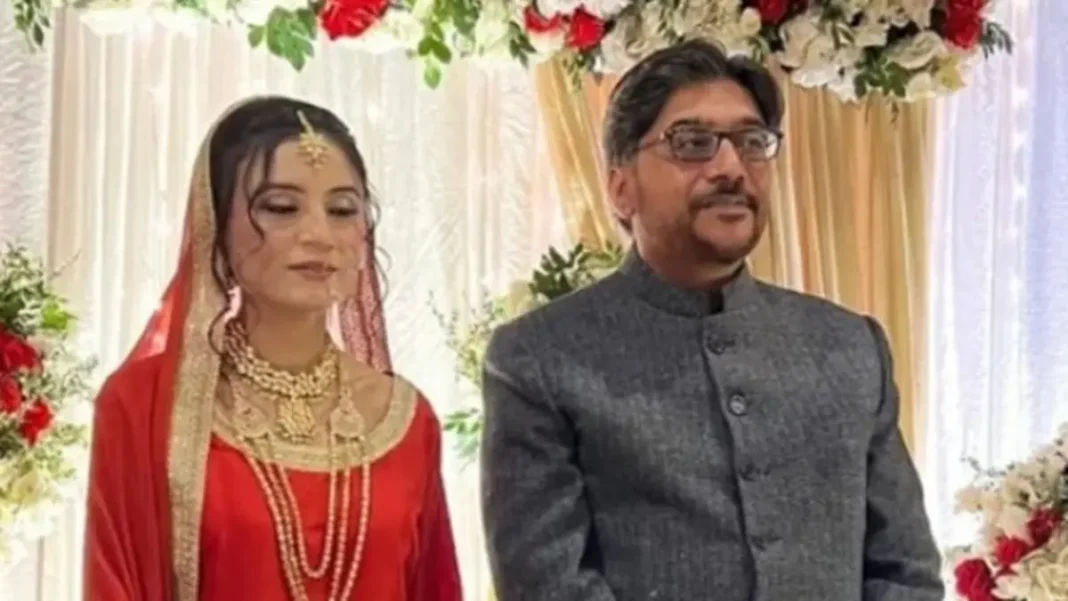
Hina Javed, 45, was a digital media executive. She was found dead in the bathroom of her apartment in Rawalpindi’s Lal Kurti area on August 20. Her family accused her husband, her father-in-law and a domestic worker of involvement in the death. Police arrested her husband, Faisal Asghar, in connection with the alleged killing.
An earlier inquiry ordered by the Punjab chief minister concluded that the domestic worker acted alone, citing forensic evidence linking him to the crime. The family rejected that conclusion. It has maintained that the investigation failed to examine all the evidence impartially, and it has demanded that further suspects be examined.
A parliamentary panel took up the case in late October and recommended a fresh and impartial inquiry. The panel said the family’s concerns should be examined, and the findings dealt with in accordance with the law. Interior Minister Mohsin Naqvi then assured the family that a fresh committee would investigate the case, while acknowledging its reservations.
Feature Pakistan earlier reported on new photos in the Hina Javed probe as the investigation developed. Each new turn has kept the case in public view, and each has deepened the family’s distrust of police-led inquiries.
What a judicial commission would change
A judicial commission would sit outside the police hierarchy. It would be headed by a judge, and it could summon records and hear witnesses independently of the force under scrutiny. Families often seek such commissions when they believe the police cannot fairly judge their own work.
The family argues that this independence is the point. A transfer to another district still leaves the case inside the police system, under officers junior to those who led the high-level committee. A commission, by contrast, would answer to the courts rather than to the police chain of command.
For now, the police have not publicly answered the family’s latest objections in the reporting available. The parliamentary committee holds the family’s letter, and the Prosecutor General holds the request for forensic copies. Both will shape the next step in a case that remains unresolved months after Hina Javed’s death.
The family has pressed its case before, writing again to the Punjab chief minister and after the autopsy found a broken neck and a 27cm head wound.
Frequently asked questions
Why has Hina Javed’s family rejected a fresh probe?
The family says subordinate police officers cannot fairly reinvestigate a case after a high-level Punjab Police committee headed by an additional inspector general already cleared the nominated suspects. It argues that only a judicial commission can ensure an impartial investigation.
What did SSP Investigation Saifullah ask the family to do?
The family says SSP Investigation Saifullah contacted them and asked them to visit his office to sign an application seeking the transfer of the investigation to another district. After reading the application, the family refused to endorse the move.
What forensic material is the family seeking?
Fahad Javed has applied to the Prosecutor General under the Right to Information law for copies of the forensic reports. The material covers crime scene evidence, DNA samples, mobile phones, a laptop and other items sent to the Punjab Forensic Science Agency in Lahore.
What happened to Hina Javed?
Hina Javed, 45, a digital media executive, was found dead in the bathroom of her apartment in Rawalpindi’s Lal Kurti area on August 20. Her family accused her husband, her father-in-law and a domestic worker of involvement, while an earlier inquiry concluded the domestic worker acted alone. The family rejected that conclusion.