Houthis claim East-West pumping stations and Riyadh airport were attacked on Monday, in the latest round of strikes in the widening war between Yemen’s Houthi group and Saudi Arabia. There was no immediate Saudi confirmation of the claims.
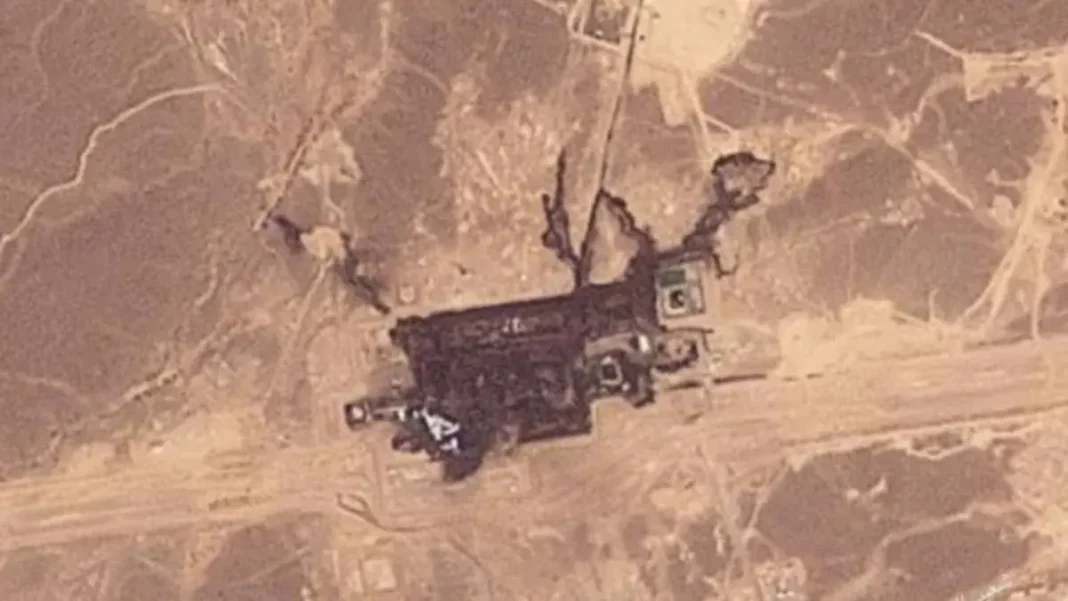
The Houthi group said it attacked Saudi Arabia’s East-West crude oil pumping stations and Riyadh airport, according to Reuters reporting carried by The Express Tribune. The Saudi-led coalition in Yemen said earlier it had destroyed two ballistic missile launchers in the capital Sanaa, including one used to fire a missile towards Riyadh that the coalition said it had intercepted.
The claims matter because the East-West pipeline is a key route for Saudi oil. The pipeline runs about 1,200 kilometres from the Abqaiq area in eastern Saudi Arabia to the Red Sea port of Yanbu. It lets Saudi Arabia move crude to western ports without using the Strait of Hormuz, which has been largely shut by the wider war.
East-West pumping stations: what the Houthis said
Houthi military spokesperson Yahya Saree said the group fired a ballistic missile towards Riyadh airport and used drones against pumping stations along the East-West pipeline. Saudi civil defence had earlier issued a danger alert for Riyadh after a reported missile threat, and the coalition said a ballistic missile towards Riyadh had been intercepted.
Saudi Arabia has not confirmed the Houthi claims about the pumping stations or the airport attack on Monday. That gap between claim and confirmation is a regular feature of this war, and it means readers should treat the attack as claimed, not as confirmed, until Saudi authorities give their own account.
In addition, the Houthis said on Saturday they had targeted the East-West pipeline, crude oil pumping stations, an Aramco facility in Yanbu and the Rabigh refinery. Saudi authorities did not comment directly on those statements either.
Riyadh airport: partial reopening under threat
Riyadh’s King Khalid International Airport resumed operations at two terminals on Sunday, after halting operations on October 10 following an attack claimed by the Houthis that killed 13 people. That attack was described as the deadliest in the kingdom in more than a decade.
The airport said Terminal 1 would handle domestic flights and Terminal 2 would handle international flights operated by national carriers, starting Sunday. However, flight tracking data showed little traffic at the airport on Sunday, despite the announcement.
Saree vowed the airport would never be safe, and urged airlines, airport staff and travellers not to use it. The coalition said the Houthis had carried out 20 attacks on the airport between October 1 and 11.
Feature Pakistan earlier reported the airport’s partial reopening, and the new claims show how quickly that reopening has come under pressure again.
Strikes inside Yemen and southern Saudi Arabia
The fighting has not been one-sided. Saudi civil defence said shrapnel from the interception of two ballistic missiles over Khamis Mushait and Ahad Rafidah injured two people and damaged homes and vehicles on Sunday. Authorities had earlier issued emergency alerts for Riyadh, Abha, Khamis Mushait, Jazan and Najran, before saying minutes later that the danger had passed.
The coalition said two drones and a ballistic missile were launched towards Riyadh, and a cruise missile towards Khamis Mushait. It later said it intercepted 10 ballistic missiles fired towards southern Saudi Arabia. The Houthis, for their part, said they attacked the airport and Saudi oil facilities on Saturday.
Saudi Arabia has stepped up its strikes against the Houthis after the group seized strategic territory along the Red Sea coast last month, closing in on the Bab el-Mandeb Strait. The renewed fighting in Yemen has shattered a United Nations-brokered truce that had largely held since 2022.
Why this matters for Pakistan
Pakistan has a direct interest in both oil prices and Gulf stability. Saudi oil routes affect global prices, and global prices affect fuel costs in Pakistan. Readers in Pakistan have already seen that pressure in recent weeks, with LPG prices rising sharply in the twin cities and protests in Lahore over LPG shortages.
In addition, Pakistan is part of the wider diplomatic effort around the region. Qatari mediators have been in contact with Tehran, and a Tehran meeting involving Saudi, Turkish and Pakistani officials has been announced by Iran.