ISPR Calls India Sponsor of Terrorism
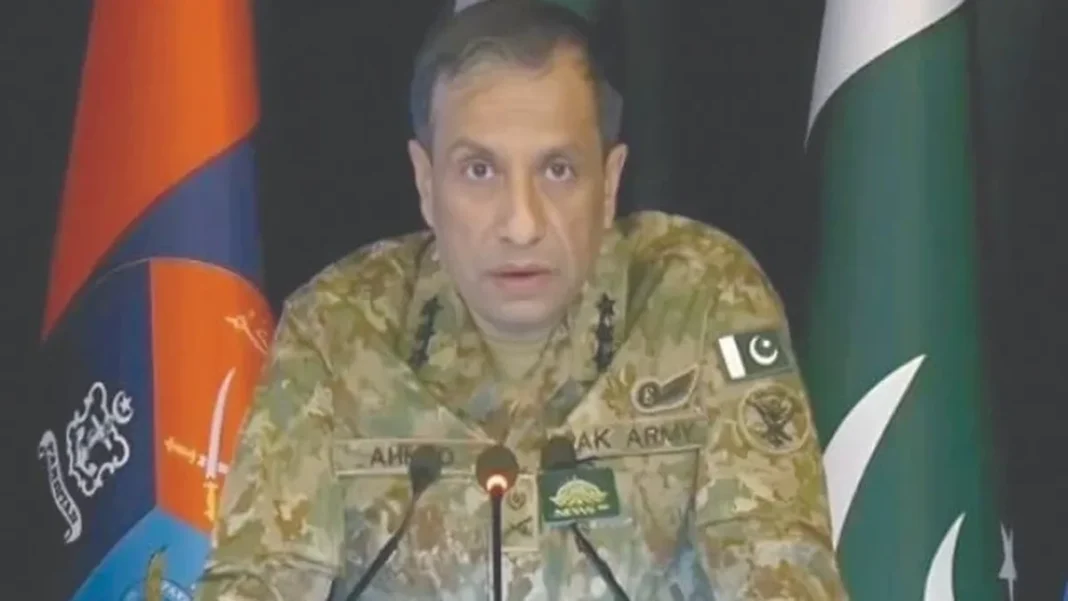
The ISPR terrorism charge against India was put in stark terms by Pakistan’s chief military spokesperson, who described India as the biggest sponsor of terrorism in Pakistan. Lt Gen Ahmed Sharif Chaudhry, the director general of Inter-Services Public Relations, made the allegation in an interview with Reuters on October 30, according to Tribune.
Chaudhry also alleged that the Afghan Taliban regime, the banned Tehreek-i-Taliban Pakistan and the outlawed Balochistan Liberation Army were Indian proxies working against Pakistan. The remarks were published by Tribune on November 2, and they form the sharpest public statement of this kind from the military spokesperson in recent weeks.
What the ISPR terrorism charge covers
Chaudhry said Pakistan’s only demand from the Afghan Taliban was to end support for terrorists. He added that the Taliban regime was providing shelter to militant leaders and easing terrorist operations against Pakistan. He named Noor Wali Mehsud, Bashir Zeb and Gul Bahadur as leaders who, in his account, had received shelter.
The spokesperson said the Afghan Taliban used non-state actors and mercenaries to pursue its aims. He added that Afghanistan remained under the influence of such elements, and that several agencies and proxy groups had put down roots there after the Russian intervention in the country. He also listed Jaish al-Adl, Al-Qaeda and Islamic State Khorasan Province as international terrorist groups present in Afghanistan.
Chaudhry said the United Nations, the United States and several other countries had also pointed to the presence of these groups. He argued that terrorist formations behind attacks in Pakistan travelled from Afghanistan and received weapons from there. He said the Afghan Taliban regime had no international credibility, and he urged the global community to press it to behave like a normal state.
A warning to Kabul, and a call on narcotics
The warning to Kabul was direct. Chaudhry said the Afghan Taliban regime would pay a heavy price if it failed to meet Pakistan’s demands to stop supporting terrorist groups operating inside the country. He said Pakistan’s armed forces were fully capable of countering all threats that came from Afghanistan, including drones.
He also called on the international community to press the Afghan Taliban to stop the cultivation and production of narcotics. The two points together set out a wider charge sheet: shelter for militants on one side, and a drug economy on the other. Neither point was presented in the Tribune report as a new military operation. The report framed them as a public warning and a call for outside pressure.
The Tribune item does not record a response from New Delhi in the same report. Readers should therefore treat the sponsor claim as an allegation by Pakistan’s military spokesperson, not as a finding by an independent court or inquiry. The same care applies to the proxy claim about the Afghan Taliban, the TTP and the BLA, which Kabul and New Delhi have in the past rejected in similar exchanges.
Why this statement matters now
The timing matters because Pakistan-Afghanistan ties remain tense over cross-border attacks. Feature Pakistan has reported on the Angoor Adda border response, on security forces answering Afghan border firing, and on the October security figures, which showed terrorist attacks down but kidnappings up. The ISPR statement sits in that same security debate.
Who made the ISPR terrorism charge?
Lt Gen Ahmed Sharif Chaudhry, the director general of Inter-Services Public Relations, made the charge in an interview with Reuters on October 30.
What did he allege about India?
He described India as the biggest sponsor of terrorism in Pakistan and alleged that the Afghan Taliban regime, the TTP and the BLA were Indian proxies.
What warning did he give Kabul?
He warned that the Afghan Taliban regime would pay a heavy price if it failed to meet Pakistan’s demand to stop supporting terrorist groups operating inside Pakistan.
Did he name any militant leaders?
Yes. He named Noor Wali Mehsud, Bashir Zeb and Gul Bahadur as leaders who, in his account, had received shelter in Afghanistan.
Was a response from New Delhi recorded in the report?
No. The Tribune report does not record a response from New Delhi in the same item, so the claim remains an allegation by the military spokesperson.