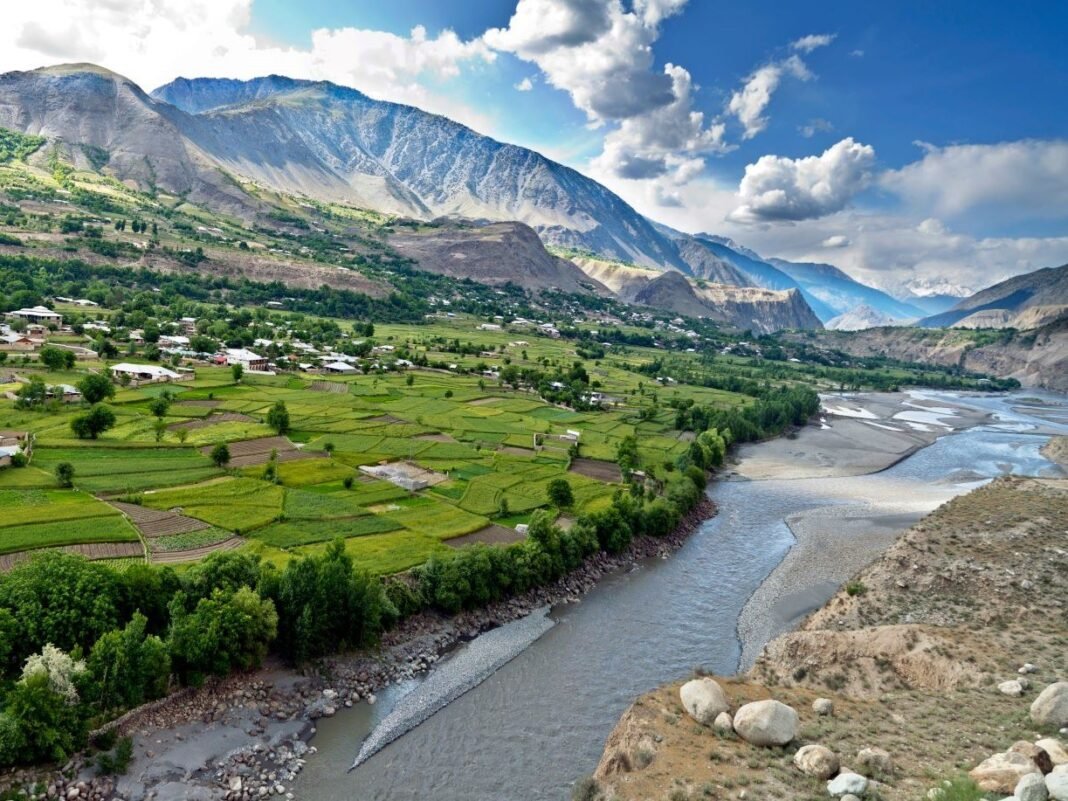
Tucked into the southern folds of the Hindu Kush, the Kalasha Valleys are one of the most extraordinary places you can visit in Pakistan. Three narrow valleys — Bumburet, Rumbur, and Birir — hold the last living heart of the Kalash people, an indigenous community of barely four thousand whose polytheistic religion, ancient festivals, wooden villages, and alpine pastures feel like a world apart from everything around them. This Kalasha Valleys travel guide will help you decide when to go, how to get there, and what makes these valleys worth every hour of the journey.
What sets the Kalasha Valleys apart is not just scenery — though the scenery is magnificent — it is the living culture. The Kalash worship a pantheon of gods tied to the seasons, celebrate four festivals a year with circle dances and drums, and farm the same terraced fields their ancestors did. Visiting here is not sightseeing; it is being briefly welcomed into a way of life that has survived for centuries against extraordinary odds.
Quick Facts
- Location: Lower Chitral District, Khyber Pakhtunkhwa, Pakistan — south of Chitral town, in the Hindu Kush range
- The three valleys: Bumburet (Bamboret), Rumbur (Rambur), and Birir — each with its own villages and character
- Famous For: The Kalash people and their indigenous polytheistic culture, four seasonal festivals, wooden villages, high pastures, and dramatic mountain scenery
- Nearest City: Chitral town, approximately 20 to 40 kilometers away depending on the valley (a 1.5 to 2.5 hour drive by jeep or taxi)
- Accessibility: Chitral is reached by overnight bus from Islamabad or Peshawar (roughly 8 to 10 hours) or by domestic flight from Islamabad; the valleys then require a jeep or taxi over mountain roads
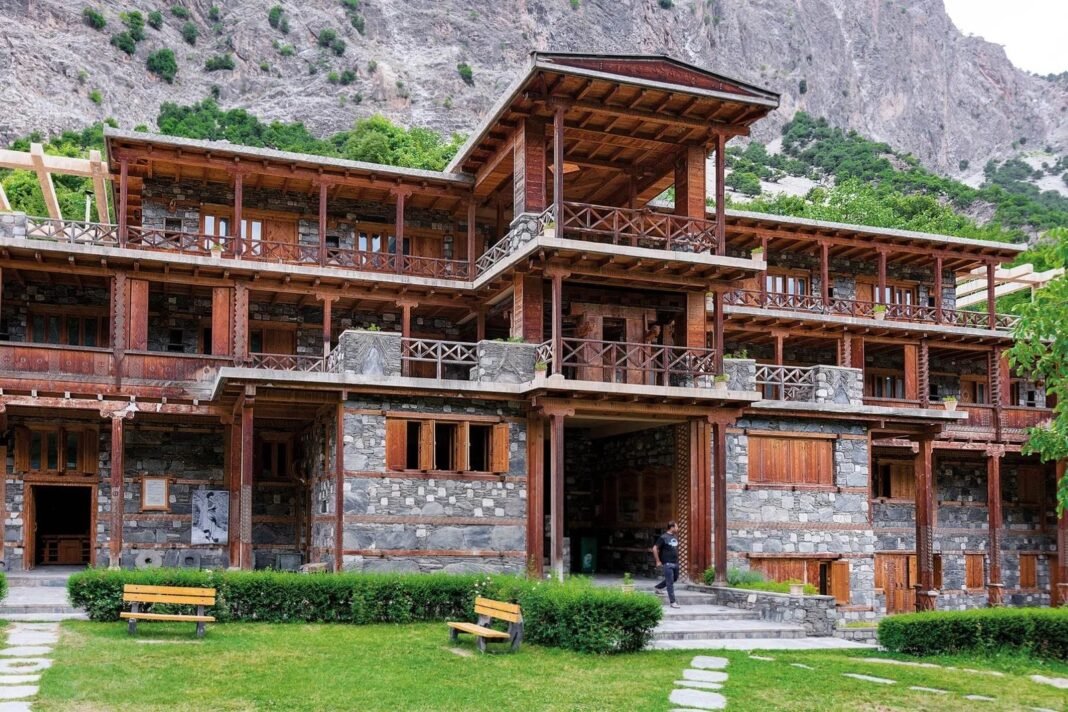
- Known Landmarks: The Kalasha Dur museum at Brun village, traditional temples and dance grounds, Bumburet’s festival grounds
- Best For: Cultural travelers, festival-goers, trekkers, photographers, and anyone who wants to meet one of the world’s most remarkable living indigenous cultures
Why Visit Kalasha Valleys
There is nowhere else in Pakistan quite like the Kalasha Valleys. The Kalash are Pakistan’s only indigenous polytheistic community, and their valleys are where that identity lives and breathes — not in a museum, but in everyday life. Farmers sing while harvesting wheat in August, girls in embroidered black dresses pick the first flowers of spring, and elders gather on stone dance grounds to honor gods tied to the mountains, forests, and flocks. A trip here offers something increasingly rare in world travel: an encounter with a genuinely distinct way of life, on the community’s own terms.
The valleys themselves deserve the journey too. Apricot and walnut orchards climb terraced hillsides; crystal streams tumble past wooden houses with carved pillars and flower boxes; snow peaks rise above high pastures where goats graze in summer. Short hikes from the villages lead to waterfalls, forests, and viewpoints that feel untouched. It is a landscape made for slow days — walking between villages, sharing tea with a family, and watching light move across the peaks.
The festivals are the peak experience. Four times a year — Chilam Joshi in May, Uchal in August, Phoo in October, and Chowmos in December — the valleys fill with music, dancing, sacrifices, and feasting. Attending a festival is the single best reason to time your visit: you will see Kalash culture at its most vibrant, meet people from all three valleys, and witness traditions that anthropologists have studied for generations. Travelers who plan their Kalasha Valleys travel guide journey around these dates never regret it.
This destination is perfect for culture-curious travelers who go beyond landscapes, for festival chasers who plan trips around events, for photographers who want human stories, and for trekkers who want a cultural base in the Hindu Kush. It is less suited to travelers seeking luxury resorts or fast-paced sightseeing — the valleys reward those who slow down, ask questions, and travel with respect.
History of Kalasha Valleys
The origins of the Kalash people are one of the great unsolved questions of the region. The Kalash themselves claim descent from the soldiers of Alexander the Great, who passed through this region in the 4th century BCE — a claim that has fascinated travelers and scholars for centuries. Academic opinion is divided: some researchers argue for an ancient indigenous origin in the Hindu Kush going back thousands of years, while others see links to the broader waves of migration that shaped the region’s Dardic-speaking peoples.
What is historically certain is that the valleys’ geography protected them. While the surrounding regions of Chitral, Dir, and Nuristan gradually converted to Islam over the centuries — the Mehtars of Chitral ruled the region from the 16th century onward — the Kalash of the three southern valleys held to their ancestral religion. Their wooden villages, clan-based social structure, and seasonal festival calendar survived precisely because the valleys were remote enough to resist the pressures that transformed everywhere else.
That isolation broke in the modern era. In the 20th century, roads reached the valleys, tourism began, and the Kalash became famous — and sometimes pressured. Their population has shrunk to only about 4,000 people, split between adherents of the traditional religion and Islam, and their language and customs face the pressures of modernization, emigration, and outside influence. In response, Kalash elders, NGOs, and the Khyber Pakhtunkhwa government have worked to protect the culture: the Kalasha Dur (“house of the Kalash”) museum at Brun village preserves artifacts and history, festivals are officially supported, and a small entry fee paid by every visitor goes into a welfare fund for the Kalash community managed by the district government. Traveling here with respect — hiring local guides, buying local crafts, asking before photographing — genuinely helps this culture survive.
Top Things to Do in Kalasha Valleys
Attend a Festival
Festivals are the soul of the Kalasha Valleys. Chilam Joshi, the spring festival held around May 14 to 15 (beginning in Rumbur and moving through Bumburet to Birir over four days), welcomes the new season with dancing, singing, and prayers for herds and crops — girls wear heavily embroidered black cotton dresses with bead necklaces and dance in circles to drum beats. Uchal (August 23 to 24) celebrates the wheat and barley harvest with feasting and dance. Phoo (mid-October) marks the grape and walnut harvest. Chowmos (December 10 to 23) is the great winter festival, welcoming the new year with sacrifice, music, and days of celebration. If your schedule allows only one visit, make it a festival — and go with a local guide who understands the etiquette of shrines and dance grounds.
Walk the Villages
Each valley has its own string of traditional villages — Bumburet’s Kraka, Brun, and Balanguru; Rumbur’s villages; remote Birir — where wooden houses with carved beams and balconies line narrow lanes above terraced fields. Walk between them slowly. You will pass the bashali (the traditional women’s house outside the settlement), altars and sacred groves, vineyards and walnut orchards. Every village has something to teach a patient traveler, and villagers — especially elders — often welcome respectful conversation.
Visit the Kalasha Dur Museum
At Brun village in Bumburet, the Kalasha Dur museum (“house of the Kalash”) brings the whole culture under one roof: traditional clothing, musical instruments, household objects, religious artifacts, and exhibits explaining the festival calendar and clan life. It is the single best hour a first-time visitor can spend, because everything you see afterward in the valleys will make more sense.
Hike to Pastures and Waterfalls
From any of the valleys, short day hikes climb to high summer pastures where Kalash herders keep goats and cattle. The trails pass through forests of oak and pine, cross clear streams, and end at viewpoints over the valleys with the snow line of the Hindu Kush behind. Birir, the most remote valley, offers the wildest walks — it is best explored with a local guide. Streams in the valleys are famously clear, and riverside picnics are a beloved local pastime.
Meet the People and Respect Their Ways
The Kalash are warm and famously welcoming, but their religion is living, not a performance. Always ask before photographing people — especially women and at religious sites. Dress modestly. Do not enter shrines or sacred groves without permission, and follow your guide’s lead at festivals, where dancing and drumming are religious ritual as much as celebration. Cultural programs with traditional music and dance can be arranged through local guesthouses and are a wonderful, respectful way to experience Kalash art.
Famous Places In and Around Kalasha Valleys
- Bumburet Valley — the largest and most visited of the three valleys, with the most guesthouses and the biggest festival grounds
- Rumbur Valley — quieter and more traditional, where the Joshi festival begins each May
- Birir Valley — the most remote valley, reachable only by foot or jeep, with the wildest scenery
- Kalasha Dur Museum, Brun — the cultural museum covering Kalash artifacts, dress, and history
- Chitral Town — the district capital, with Chitral Fort, the historic Shahi Mosque, and the bazaar — see our Chitral travel guide
- Chitral Gol National Park — alpine park above Chitral town, home to markhor and snow leopards
- Lowari Pass and Tunnel — the dramatic mountain route connecting Chitral with Dir and the rest of Pakistan
- Shandur Pass — the high plateau above Chitral famous for its July polo festival
How to Reach Kalasha Valleys
Reaching the Kalasha Valleys takes commitment, which is exactly why they remain special. Every route goes through Chitral town, the district capital. From Islamabad, the most common route is an overnight coach to Chitral — a journey of roughly 8 to 10 hours through the Lowari Tunnel and the Dir valley. Buses also run from Peshawar. If you prefer to fly, there are domestic flights from Islamabad to Chitral, though schedules are irregular and weather-dependent, so always keep a road backup in your plan.
From Chitral town, jeeps and taxis run the mountain road south to Bumburet — about 20 to 40 kilometers depending on the route taken, taking around 1.5 to 2.5 hours. Shared cars to Bumburet leave from a parking area in Chitral; the road is steep, narrow, and unpaved in stretches, with spectacular views and the occasional landslide delay in the rainy season. Getting between the valleys is simpler: Bumburet to Rumbur and Birir is done by hired jeep or taxi, or on foot for the adventurous — there is no shared public transport between valleys.
Route Details
- From Islamabad: Islamabad → Lowari Tunnel → Dir → Chitral town (overnight bus, ~8–10 hours), then Chitral → Bumburet by jeep/taxi (~2 hours). Total travel time: a full day and a half.
- From Lahore: Lahore → Islamabad → Chitral by the same route; most Lahore travelers overnight in Islamabad first.
- From Karachi: Fly to Islamabad, then continue by road or (if available) by air to Chitral. Budget at least two days of travel each way.
- Nearest airport: Chitral Airport (CJL), with flights from Islamabad when operating. Islamabad International Airport (ISB) is the reliable gateway.
- Road conditions: The Lowari Tunnel keeps the route open year-round, but the valley roads themselves can be blocked by snow from late autumn to spring. Always check conditions before a winter trip.
- Transport options: Private car to Chitral is possible for experienced mountain drivers; most visitors use coaches to Chitral and hire local jeeps within the valleys. During festivals, many travel with organized tour vans from Chitral.
- Checkpoints: Visitors register at checkpoints on the roads to the valleys — carry your CNIC or passport. This is routine and the region is considered peaceful.
Where to Stay in Kalasha Valleys
Accommodation in the Kalasha Valleys is limited but full of character — do not expect luxury chains; do expect warmth. The main options are local guesthouses and hotels clustered in Bumburet, which offer the most amenities and the easiest access to festival grounds. Rumbur has fewer options, and Birir the fewest, so plan accordingly. Homestays with Kalash families are among the most rewarding options: you eat what the family eats, hear stories over tea, and experience the valleys from the inside. There is also a government guesthouse offering simple, comfortable rooms. Book well ahead for festival periods, when every bed in the valleys fills — travelers arriving during Chilam Joshi without a reservation often end up sleeping in Chitral town and day-tripping. Camping is possible in the high pastures in summer with a guide, but it is not a casual undertaking at this altitude and remoteness.
Where to Eat: Local Foods of Kalasha Valleys
Kalash food is hearty mountain food shaped by farming and herding. Expect rich dairy — fresh cheese, yogurt, and butter from goats and cattle — along with breads baked in clay ovens, walnuts and dried apricots, grapes and mulberries in season, and mutton or chicken on special occasions. Traditional meals served at homestays are simple, generous, and deeply satisfying after a day of walking. During festivals you will see communal cooking and feasting at its most abundant, and at Chilam Joshi the Kalash traditionally share milk saved for the occasion, along with locally brewed mulberry wine. In Chitral town and along the valley roads, standard Pakistani cuisine is available — chapli kebabs, karahi, dal, and fresh trout from the rivers are local favorites. A meal at a local eatery is generally budget-friendly; homestay packages usually include food. Carry some snacks for the jeep ride — the road from Chitral has few stops.
Weather in Kalasha Valleys
The valleys sit high in the Hindu Kush, so weather swings dramatically with the seasons. Summer is the sweet spot: warm days, cool nights, and the valleys at their greenest. Spring brings wildflowers and the Joshi festival; autumn brings golden walnut and apricot foliage and the Phoo harvest. Winter is severe — heavy snow can cut the valleys off for months, and only the hardiest (or most festival-determined) travelers visit for Chowmos in December.
| Season | Temperature Range | Conditions |
|---|---|---|
| Spring (Mar–May) | 10°C to 20°C | Mild and blooming; Chilam Joshi festival in mid-May. Nights still chilly; occasional late snow at higher elevations. |
| Summer (Jun–Aug) | 20°C to 30°C | Best weather — warm days, pleasant nights, lush valleys. Uchal festival in late August. Occasional rain; landslides possible on valley roads. |
| Autumn (Sep–Oct) | 5°C to 20°C | Crisp and golden; Phoo harvest festival in mid-October. Excellent for hiking; nights get cold quickly. |
| Winter (Nov–Feb) | -5°C to 10°C | Cold with snow; access can be difficult. Chowmos festival mid-December draws determined visitors. Heavy clothing essential. |
Language and Culture of Kalasha Valleys
The Kalash speak Kalasha, a Dardic language of the Indo-Aryan family found nowhere else — one more reason linguists and anthropologists treasure these valleys. Most Kalash also speak Khowar (the language of Chitral) and many speak Urdu, so communication with visitors is rarely a problem, especially with a guide.
Culturally, the Kalash follow an ancient polytheistic religion centered on nature, ancestors, and a pantheon of gods and goddesses — Dezau as the chief deity, with others governing crops, livestock, and the mountains. Twelve principal deities are traditionally recognized. Ritual life revolves around purity concepts, altars, the shaman (Betaan) who makes prophecies, and music and dance performed as religious observance, not entertainment. Society is organized into clans with exogamous marriage customs. For visitors, the key etiquette is respect: ask before photographing people, dress modestly (cover shoulders and knees), do not touch religious objects or enter shrines without permission, and treat festivals as sacred occasions you are privileged to witness. Hiring a local Kalash guide is both the most enriching and the most respectful way to visit.
Shopping in Kalasha Valleys
The valleys are wonderful for authentic handicrafts bought directly from the people who make them. Look for the famous Kalash bead necklaces and bracelets, hand-embroidered shawls and caps, woolen garments, carved wooden items, and dried fruits — walnuts, apricots, and mulberries — sold by village shops and roadside stalls. Festival periods bring the widest selection, as artisans from all three valleys gather. There are no shopping malls here, and that is the point: every purchase supports a household. Bargain gently and fairly. For a wider selection of Chitrali crafts — including the famous Chitrali woolen caps (pakols) and shawls — the bazaar in Chitral town is worth a stop on your way through.
Local Events and Festivals
The Kalash festival calendar is the beating heart of valley life, and timing your visit to one of these events transforms a good trip into an unforgettable one. Chilam Joshi (around May 14–15, running four days from Rumbur through Bumburet to Birir) is the great spring festival: girls in embroidered black dresses pick the first flowers, milk saved for ten days is offered, and the valleys dance for days. Uchal (August 23–24) celebrates the wheat and barley harvest with song, dance, and feasting. Phoo (mid-October) marks the grape and walnut harvest in autumn. Chowmos (December 10–23) is the winter solstice festival welcoming the new year with feasting, music, dancing, and goat sacrifice. Festivals draw visitors from across Pakistan and abroad — sometimes hundreds of foreign tourists at Joshi — so book accommodation months ahead, register at checkpoints, and follow local guidance on festival etiquette.
Travel Tips for Kalasha Valleys
Packing Essentials
Layers are everything: days can be warm while nights drop sharply, especially outside summer. Bring a warm jacket even in June, sturdy walking shoes for village lanes and trails, sun protection (the mountain sun is fierce), a reusable water bottle, and basic medicines — the nearest well-stocked pharmacy is in Chitral town. A small flashlight helps in villages with intermittent power. Modest clothing is both practical and respectful.
Safety Tips
Chitral is considered one of the most peaceful regions of Pakistan, and the valleys are safe for visitors, including families and solo travelers. Standard mountain caution applies: the jeep roads are narrow, so travel with experienced local drivers; weather can change quickly, so check forecasts; and altitude plus hiking demands reasonable fitness. Carry your CNIC or passport for checkpoint registration. During festivals, security arrangements are stepped up, which is reassuring rather than alarming.
Money & Connectivity
There are no ATMs in the valleys — withdraw cash in Chitral town before heading in, and carry enough for your entire stay, including tips and shopping. Mobile signals are patchy in the valleys; some networks work better than others, but expect dead zones, especially in Birir. Wi-Fi is rare outside a few guesthouses. Embrace the disconnection — it is part of the experience.
Best Time to Visit Kalasha Valleys
May — Chilam Joshi and Spring
The single most magical time to visit. The valleys are green and flowering, the weather is mild, and the four-day Joshi festival fills Bumburet, Rumbur, and Birir with music and dance. Book months ahead.
June to August — Summer and Uchal
The most comfortable weather (20–30°C), lush landscapes, and long hiking days. Late August brings the Uchal harvest festival. The best window for trekkers and families who want easy conditions.
September to October — Autumn and Phoo
Golden foliage, harvest season, fewer crowds, and the Phoo festival in mid-October. Nights turn cold, but days are crisp and beautiful — a favorite season for photographers.
December — Chowmos and Winter
Only for the hardy: snow, freezing nights, and possible access difficulties. The reward is Chowmos, the great winter festival, experienced by few outsiders. Check road conditions before committing.
Final Thoughts
The Kalasha Valleys ask something of their visitors that few destinations do: to travel not as consumers but as guests. Come for the festivals, the mountains, and the photographs, but stay for the slower pleasures — a walk between villages at golden hour, tea with a Kalash family, the sound of drums drifting up a valley at dusk. Travel here respectfully, spend locally, and you become part of the reason this extraordinary culture endures.
Whether you plan your journey around Chilam Joshi in May, a summer trek through high pastures, or an autumn week among the walnut harvests, this Kalasha Valleys travel guide’s advice is simple: give the valleys time. They reward patience like nowhere else in Pakistan. Pack your bags, hire a local guide, and go meet the Kalash — you will come home changed. For more mountain journeys, explore our Explore Pakistan collection and the neighboring Bumburet Valley travel guide.
FAQs
Where are the Kalasha Valleys located?
The three valleys — Bumburet, Rumbur, and Birir — lie south of Chitral town in Lower Chitral District, Khyber Pakhtunkhwa, in the Hindu Kush mountains of northern Pakistan.
What is the best time to visit the Kalasha Valleys?
May (for the Chilam Joshi spring festival) and June to August (best weather, 20–30°C) are ideal. September–October offers autumn beauty and the Phoo festival; December’s Chowmos festival suits hardy winter travelers.
How do I reach the Kalasha Valleys?
Travel to Chitral town by overnight bus from Islamabad or Peshawar (8–10 hours) or by domestic flight, then take a jeep or taxi 20–40 km south to the valleys (1.5–2.5 hours). There is no public transport between the valleys themselves.
Are the Kalasha Valleys safe for tourists?
Yes. Chitral is considered one of Pakistan’s most peaceful regions. Visitors register at routine checkpoints; during festivals security is stepped up. Standard mountain-road caution applies.
Are the Kalasha Valleys suitable for families?
Yes, especially Bumburet in summer — guesthouses, gentle village walks, and festival days suit all ages. Birir and winter visits demand more stamina.
Where can I stay in the Kalasha Valleys?
Guesthouses and hotels cluster in Bumburet; homestays with Kalash families are a highlight; a government guesthouse offers simple rooms. Book far ahead for festival dates.
What food will I find in the Kalasha Valleys?
Hearty mountain food: fresh dairy, clay-oven breads, walnuts and dried fruits, mutton on special occasions, and festive milk offerings at Joshi. Chitral town adds chapli kebabs, karahi, and trout.
What should I know before photographing the Kalash people?
Always ask permission first, especially for women and at religious sites and festivals. Their dances and rituals are sacred observances — attend with respect, dress modestly, and follow your local guide’s lead.