An hour’s drive from Islamabad lies one of the most important Buddhist sites in South Asia — and almost nobody goes there. Also, Kalawan Monastery, part of the great Taxila archaeological complex, was once one of the largest Buddhist establishments in the region, a place where monks studied and relics were enshrined as early as 77 CE. Its ruins carry a distinction no other site can claim: the image shrine built opposite the entrance at Kalawan became the prototype for Buddhist monasteries across the ancient world, from Devnimori to Ajanta, Ellora, and Nalanda.
This Kalawan Monastery travel guide is your invitation to walk a site that shaped religious architecture for a thousand years.
Kalawan is not a polished tourist attraction. Also, it is a partly excavated, windswept archaeological site under the care of the Punjab Archaeology Department — quiet, contemplative, and deeply authentic. You will wander monastery courtyards where diaper masonry walls still stand, peer into monk cells, and stand before small stupas while the Margalla foothills shimmer in the distance. For history lovers, Gandhara art enthusiasts, and anyone who wants to understand Pakistan’s Buddhist heritage beyond the famous names, Kalawan is essential.
Quick Facts
- Location: Taxila, Punjab, Pakistan — about 2 kilometers from the Dharmarajika Stupa, in the Taxila archaeological zone
- Famous For: One of the largest Buddhist monasteries of ancient Gandhara; the 77 CE relic inscription; the prototype image-shrine-opposite-entrance layout copied across the Buddhist world
- Nearest City: Taxila town (approximately 5 kilometers); Islamabad is about 35 kilometers to the southeast
- Accessibility: Easy day trip from Islamabad/Rawalpindi via the historic G.T. Road; site open to visitors, best combined with Dharmarajika
- Known Landmarks: The vihara monastery courtyard, chaitya hall with the Kharoshthi copper-plate inscription site, small votive stupas, three-terrace complex
- Best For: History and archaeology enthusiasts, Buddhist heritage travelers, students, photographers of ancient ruins, and day-trippers from Islamabad
Why Visit Kalawan Monastery, Taxila
You should visit Kalawan because it is where the story of Taxila becomes tangible. Taxila is a UNESCO World Heritage Site, but most visitors see only the museum and perhaps one ruin. Kalawan takes you deeper — into a working monastery that thrived for centuries, where an inscription dated to the 134th year of the Azes era (77 CE) records the enshrinement of relics as a gift to the Sarvastivadin school of Buddhism. That is first-century history you can stand on.
The Template for a Thousand Monasteries
The architectural significance is extraordinary. Kalawan, together with the nearby Dharmarajika, displays an original arrangement in which the image shrine is built directly opposite the entrance — a pattern that began in the northwest and became the prototype for the great later monasteries of Devnimori, Ajanta, Aurangabad, Ellora, Nalanda, and Ratnagiri. When you walk Kalawan’s courtyard, you are walking the template of Buddhist monastic architecture for the next thousand years. Few travel experiences offer that kind of lineage.
Then there is the setting. The site spreads across three terraces with natural rock ledges jutting from a ridge — the “caves” that give Kalawan its name — and a deep ancient well that once watered the monastery. Terracotta and stucco sculptures were recovered here, including two remarkably fine burnt-clay portrait heads of a male and female donor found in a monk’s cell. The Taxila Museum displays many of Kalawan’s finds. Seeing the site first and the artifacts after (or the reverse) is one of the great one-two experiences of heritage travel in Pakistan.
This destination is perfect for travelers who love layers — who read inscriptions, photograph masonry, and linger at ruins. It suits students, researchers, Buddhist pilgrims tracing Gandhara, and curious day-trippers who want more than a selfie stop. Families with an interest in history will find it rewarding, especially combined with the museum.
History of Kalawan Monastery, Taxila
Kalawan’s story belongs to the great Buddhist centuries of Taxila. Taxila — Takshashila to the ancients — was already an old and famous city by the time of the Achaemenid Persians in the 6th century BCE, and legend remembers it as a center of learning where princes and scholars studied. Also, under the Mauryans (Emperor Ashoka, 3rd century BCE) Buddhism took deep root here. The Dharmarajika Stupa, just 2 kilometers from Kalawan, is traditionally associated with Ashoka’s missionary age.
The Kalawan monastery itself flourished in the early centuries CE under the Kushans, who made this region a crossroads of Greek, Persian, Roman. Also, Indian artistic influence — the fusion we call Gandhara art. In fact, the decisive document is the copper-plate Kharoshthi inscription found in Kalawan’s shrine, recording the enshrinement of relics as a gift to the Sarvastivadin school in “the 134th year of Azes” — 77 CE. That single inscription anchors Kalawan as one of the earliest precisely dated Buddhist monastic foundations in the region.
Marshall’s Masonry and Three Terraces
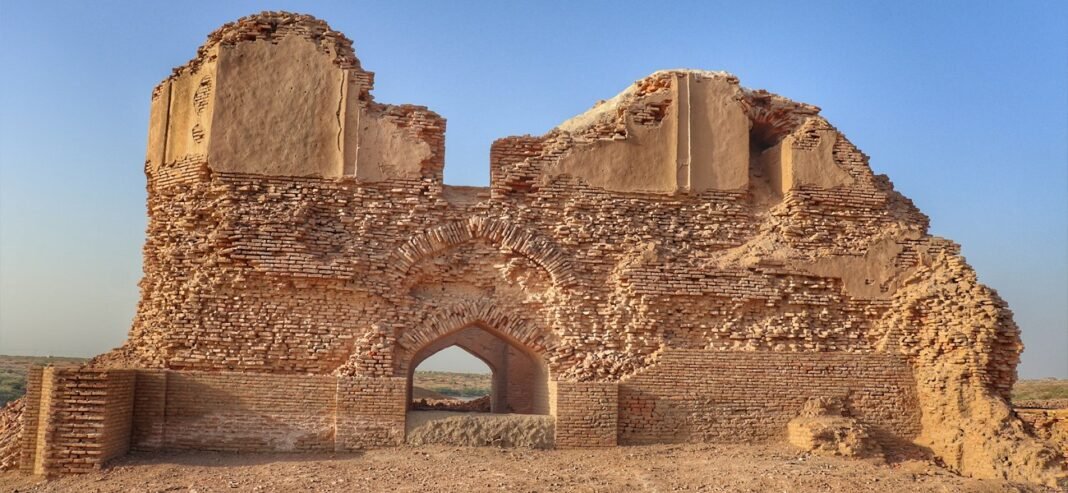
The site was occupied on different levels across three terraces. Also, its buildings display all the masonry styles common in Taxila from the 1st to the 5th century AD. The small diaper masonry of the early Kushan period, a later rougher diaper type. In fact, the semi-ashlar masonry that gradually replaced it. The great excavator Sir John Marshall, whose work defined Taxila archaeology in the early 20th century, documented Kalawan’s three types of masonry and its original architectural plan. Excavations recovered valuable antiquities: the copper plate, terracotta and stucco sculptures, and the celebrated donor portrait heads in burnt clay.
Kalawan’s religious life continued through the late Kushan period and beyond, as part of a Taxila that remained a Buddhist stronghold for centuries. The city’s eventual decline came with the political upheavals of the 5th century and later. The great monasteries emptied and the stones slept under dust until modern archaeology woke them. Today Kalawan is a protected component of Taxila’s UNESCO World Heritage Site, partially excavated, with conservation work ongoing under the Punjab Archaeology Department.
Top Things to Do in Kalawan Monastery, Taxila
Walk the Monastery Courtyard
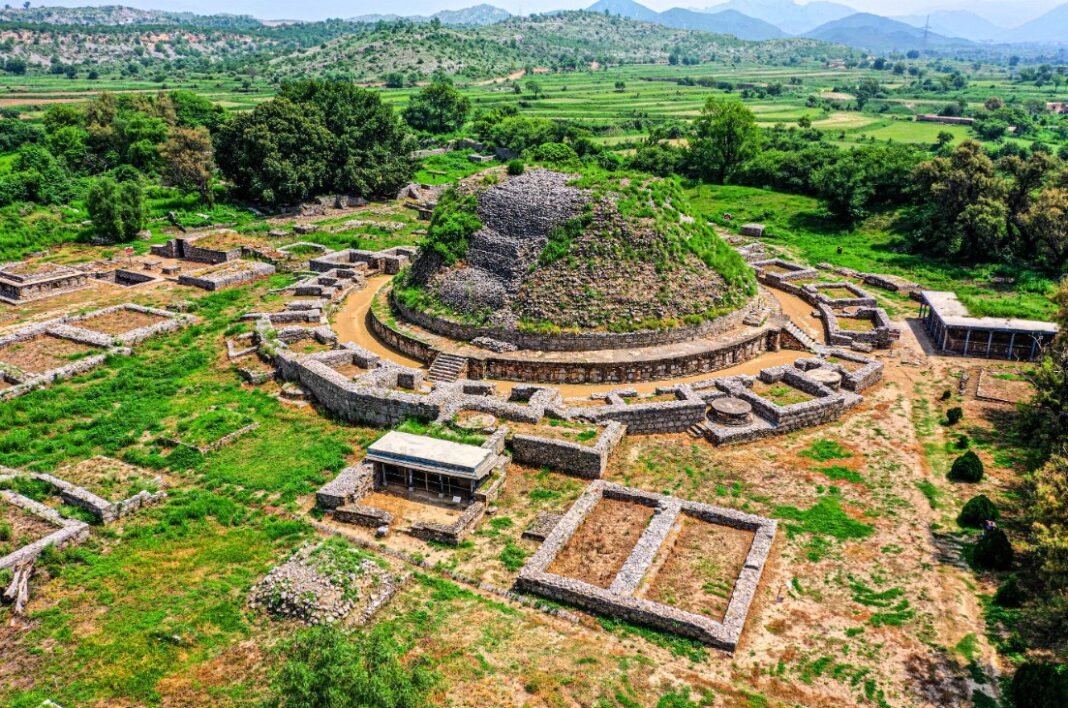
The heart of Kalawan is its vihara — the monks’ residential monastery — built around a central courtyard with cells opening off it, their walls in the distinctive diaper masonry of early Kushan Taxila. For example, walk the courtyard slowly and read the site like a text: the assembly hall, the kitchen quarters, the rows of cells where monks lived, studied, and slept. In fact, the scale of the place is what strikes you. This was once the largest monastery of its day in northern India.
Find the Image Shrine Opposite the Entrance
Stand in the entrance and look straight ahead: the image shrine facing you is the architectural feature that made Kalawan famous among scholars. This arrangement — shrine opposite the entrance — originated here in the northwest and became the prototype for monastery design from Devnimori to Ajanta and Nalanda. Also, it is a quiet thrill to stand at the origin point of a thousand-year architectural tradition.
See the Small Stupas Inside the Monastery
Small votive stupas were found within the monastery precincts — intimate devotional monuments raised by monks and donors alongside the great courts. Also, their weathered domes and bases, set against the ridge, photograph beautifully in morning light and reward close looking.
Trace the Three Terraces and the Old Well
Kalawan is built on three terraces on different levels, with natural rock ledges (“caves”) along the ridge that gave the site its name — three of the ledges were covered by Buddhist buildings. Also, about 130 yards west of the hills, look for the monastery’s ancient well, 11 feet 6 inches deep, the water source that sustained monastic life here.
Combine with the Taxila Museum
Many of Kalawan’s finest finds — the Kharoshthi copper plate, stucco and terracotta sculptures, the donor portrait heads — are displayed in the Taxila Museum. Visiting the site and then the museum (or vice versa) completes the story. Also, the museum’s Gandhara sculpture galleries are among the finest in Pakistan.
Famous Places In and Around Kalawan Monastery, Taxila
- Dharmarajika Stupa — the great 3rd-century BCE stupa, about 2 km away, traditionally linked to Emperor Ashoka — combine it with Kalawan on one cool morning
- Taxila Museum — world-class Gandhara art and Kalawan’s excavated treasures; see our Gandhara art village Taxila guide
- Jaulian Buddhist Monastery — the best-preserved monastery in Taxila, on a hilltop with sweeping views — Jaulian monastery travel guide
- Bhir Mound — the oldest inhabited area of Taxila, with Achaemenid to Mauryan remains — Bhir Mound travel guide
- Sirkap — the planned Indo-Greek city with its grid streets and the double-headed eagle stupa
- Jandial Temple — the unusual Greek-style temple of the Scytho-Parthian period — Jandial Temple guide
- Mohra Muradu and Bhamala — further monastery and stupa complexes for the dedicated explorer
How to Reach Kalawan Monastery, Taxila
Kalawan is one of the easiest major archaeological sites in Pakistan to reach. Also, Taxila lies about 35 kilometers northwest of Islamabad on the historic Grand Trunk Road — a drive of roughly 45 minutes to an hour depending on traffic. From the Taxila Museum area, Kalawan is a short hop: it sits about 2 kilometers from the Dharmarajika Stupa, and local drivers know both sites. The site is open to visitors; go in the morning when the light is kind and the heat is low.
Route Details
- From Islamabad: Islamabad → G.T. Road (N-5) → Taxila (about 35 km, 45–60 minutes by car). Then Taxila → Dharmarajika → Kalawan (a few kilometers by local road/rickshaw).
- From Lahore: Lahore → M-2 Motorway → Islamabad → Taxila (roughly 4.5–5.5 hours total). An early start makes it a long but doable day trip; an overnight in Islamabad or Taxila is more comfortable.
- From Karachi: Fly to Islamabad (about 2 hours), then drive to Taxila. Budget a full day for Taxila’s sites from the capital.
- Nearest airport: Islamabad International Airport (ISB), about 40–50 km from Taxila.
- Road conditions: Excellent — the G.T. Road is a major highway, open year-round. The final approach to Kalawan is on local roads.
- Transport options: Private car or hired taxi is easiest; Daewoo/coach services run Islamabad–Taxila; within Taxila, rickshaws and local taxis connect the scattered sites. Many Islamabad tour operators offer Taxila day trips.
Where to Stay in Kalawan Monastery, Taxila
Kalawan is a half-day site, so most visitors base themselves elsewhere — and the options are good. Taxila town has simple mid-range hotels and guesthouses suited to budget travelers and researchers spending several days on the sites. For comfort, the smart move is to stay in Islamabad (35 km away), which offers everything from luxury hotels to boutique guesthouses and puts the Margalla Hills, museums, and restaurants at your door. History-focused travelers sometimes split their stay: a night in Taxila for dawn starts at the ruins, then Islamabad for everything else. There is no accommodation at the archaeological site itself, and none is needed.
Where to Eat: Local Foods of Kalawan Monastery, Taxila
Taxila sits in Punjab’s hearty food country. Also, around the town and along the G.T. In fact, Road you will find classic Punjabi fare: tandoori naan and kulchas, chicken karahi, mutton dishes, dal makhani-style lentils, and lassi to wash it down. In addition, roadside dhabas serve generous, budget-friendly meals — the kind of food that has fueled G.T. For example, Road travelers for generations. Pack water and snacks for the site itself, as there are no food stalls at Kalawan. The museum area has basic refreshment options. For a wider choice, Islamabad’s restaurants — from desi barbecue houses to continental cafes — are under an hour away.
A dhaba meal in Taxila is very budget-friendly; plan a nicer dinner back in the capital.
Weather in Kalawan Monastery, Taxila
Taxila shares the Pothohar plateau’s climate: genuinely hot summers and pleasantly cool winters. The archaeological sites are entirely outdoors with little shade, so season choice matters more here than at most destinations. October to March is the window — cool mornings, clear light, and comfortable walking. Summer afternoons, when temperatures push past 40°C, make ruin-exploring punishing; if you must visit in summer, go at dawn.
| Season | Temperature Range | Conditions |
|---|---|---|
| Spring (Mar–Apr) | 15°C to 30°C | Warming up; pleasant mornings. Good for site visits before the heat arrives. |
| Summer (May–Sep) | 30°C to 40°C+ | Hot, with temperatures soaring past 40°C. Visit only at dawn; carry water and sun protection. |
| Autumn (Oct–Nov) | 15°C to 30°C | Ideal — clear skies, golden light, comfortable walking. Best season for Kalawan. |
| Winter (Dec–Feb) | 5°C to 15°C | Delightfully cool and pleasant; crisp mornings perfect for photography. Light jacket needed. |
Language and Culture of Kalawan Monastery, Taxila
The Taxila region is Punjabi-speaking, with Pothohari dialect common in the villages around the sites. Also, Urdu is universally understood, and guides at the museum often speak English. In fact, culturally this is the Pothohar plateau — warm Punjabi hospitality, shrine culture. A deep pride in Taxila’s ancient past that you will hear from rickshaw drivers and museum guards alike. For visitors, the etiquette is that of any archaeological site: do not climb on stupas or walls, do not remove stones or artifacts, and keep the site clean. If you meet monks or Buddhist pilgrims (increasingly common as religious tourism grows), give them space for their devotions.
Modest dress is appreciated, and sturdy shoes are a must on the uneven terraces.
Shopping in Kalawan Monastery, Taxila
There are no shops at Kalawan itself. Also, Taxila town’s bazaars reward browsers: Gandhara-inspired handicrafts, replica stucco and stone carvings, and books on Taxila’s history from museum-area bookshops make meaningful souvenirs. The Taxila Museum shop stocks publications and replicas — the most authentic keepsakes. In fact, for serious shopping, Rawalpindi’s and Islamabad’s markets are under an hour away. No malls at the site, and none needed. The antiquities shops and book stalls near the museum are the real draw.
Travel Tips for Kalawan Monastery, Taxila
Packing Essentials
Sun protection is non-negotiable: hat, sunscreen, and sunglasses, since the terraces offer almost no shade. Sturdy walking shoes with grip handle the uneven masonry and slopes. Carry more water than you think you need, plus a fully charged phone or camera — morning light on the diaper masonry is superb. A small notebook helps if you like recording inscription details; the museum’s guidebooks are worth buying.
Safety Tips
Kalawan and Taxila are safe, well-visited, and close to the capital. Also, the main risks are heat and uneven ground: watch your step on the terraces, keep children from climbing walls, and avoid the midday summer sun. In fact, carry your CNIC or passport as you would anywhere in Pakistan. Hiring a licensed guide from the museum area enriches the visit and supports local livelihoods.
Money & Connectivity
Entry to the Taxila sites involves nominal ticket fees — carry small cash. Also, ATMs are available in Taxila town and everywhere in Islamabad. In fact, mobile signals from all major networks work fine across the Taxila sites. You will have full connectivity back in the capital.
Best Time to Visit Kalawan Monastery, Taxila
October to November — Peak Season
The ideal window: clear skies, temperatures in the comfortable teens to twenties, and the ruins at their most photogenic. Also, Combine Kalawan with Dharmarajika on a single cool morning, as experienced guides recommend.
December to February — Winter Clarity
Crisp, cool days (5–15°C) with brilliant light — excellent for photography and long unhurried walks through the courtyards. Also, mornings can be misty and atmospheric. In fact, a light jacket suffices.
March to April — Spring Warmth
Pleasant mornings before the summer heat builds. Also, wildflowers appear around the sites. Visit early in the day as temperatures climb toward 30°C.
May to September — Summer (Avoid Midday)
The off-season for good reason: temperatures exceed 40°C and the exposed terraces bake. If this is your only window, arrive at dawn, finish by 10 a.m., and spend the afternoon in the air-conditioned museum.
Final Thoughts
Kalawan Monastery rewards the traveler who looks twice. Meanwhile, on a first glance it is a field of old stones. On a second, it is the birthplace of a monastic architecture that spread from Pakistan to India and beyond, a place where a 77 CE inscription still speaks, and where monks once studied within walls of diaper masonry under the same sun that warms your shoulders. Pair it with the Dharmarajika and the museum. Taxila stops being a name in a textbook and becomes a place you have walked.
Go on a cool October morning, stand in the entrance, and look at the shrine facing you across the courtyard — the view that became a prototype for a thousand monasteries. Also, Few experiences in Pakistani heritage travel are that quietly profound. In fact, continue your Gandhara journey with our Explore Pakistan collection and the Jaulian monastery travel guide.
FAQs
Where is Kalawan Monastery located?
About 2 kilometers from the Dharmarajika Stupa in Taxila, Punjab — roughly 35 kilometers northwest of Islamabad, within Taxila’s UNESCO World Heritage archaeological zone.
What is the best time to visit Kalawan Monastery?
October to March. Also, Taxila’s weather is cool and pleasant (5–30°C depending on month). Avoid summer midday heat, when temperatures exceed 40°C on the exposed terraces.
How do I reach Kalawan Monastery?
Drive 35 km from Islamabad via the G.T. Road to Taxila (45–60 minutes), then take a local taxi or rickshaw the few kilometers to the site near Dharmarajika. Also, it is an easy day trip from the capital.
Why is Kalawan Monastery historically important?
It was one of the largest Buddhist monasteries of ancient Gandhara. Also, a 77 CE Kharoshthi copper-plate inscription records relic enshrinement here. And its image-shrine-opposite-entrance layout became the prototype for later monasteries from Devnimori to Ajanta and Nalanda.
Is Kalawan Monastery suitable for families?
Yes, especially combined with the Taxila Museum — children interested in history enjoy the courtyards and stupas. Go in the cool months, bring water, and supervise kids on the uneven terraces.
How much time do I need at Kalawan?
One to two hours for the site itself. Also, Pair it with Dharmarajika (2 km away) and the Taxila Museum for a full, satisfying day.
What should I combine Kalawan with?
Dharmarajika Stupa, the Taxila Museum’s Gandhara galleries, Jaulian Monastery, Bhir Mound, Sirkap. Also, Jandial Temple — all within a few kilometers.
What does the name Kalawan mean?
Kalawan originally means “the caves”. Also, a reference to the natural rock ledges jutting from the ridge at the site, three of which were covered by Buddhist buildings.