Quick Facts
- Location: Soan Sakaser (Soon) Valley, southern Salt Range, Khushab District, Punjab — at approximately 32.62°N, 72.21°E
- Altitude: around 740 metres (2,430 feet)
- Famous For: A Ramsar-designated salt lake, winter migratory birds, boating, and the TDCP resort on its shore
- Nearest City: Khushab (district town); Naushahra is the nearest Soon Valley town. Kallar Kahar lies roughly 40 km to the east
- Accessibility: Paved road access from the Kallar Kahar side of the Salt Range; Islamabad is roughly a 3–4 hour drive
- Known Landmarks: The 2 km-long lake itself, the TDCP resort, Uchhali and Jahlar lakes nearby
- Best For: Birdwatchers, families, photographers, weekend road-trippers from Islamabad and Lahore
Why Visit Khabikki Lake
Every Pakistani traveler knows the northern lakes — Saif-ul-Malook, Lulusar, Attabad — and pays for that fame in crowds and long drives. Khabikki Lake is the answer for everyone else. Three to four hours from Islamabad, in the salt-crusted hills of the Soon Valley, lies a 2-kilometre sheet of brackish water where flamingos’ cousins pause on their way from Siberia, where boats have plied for generations, and where the whole scene costs a fraction of a northern trip. This Khabikki Lake travel guide is your invitation to Punjab’s most underrated lake.
What makes Khabikki special is its double identity. It is a Ramsar wetland of international importance — designated on 22 March 1996, part of the Uchhali Wetlands Complex — and simultaneously a working recreational lake where families picnic, anglers cast lines, and the Tourism Development Corporation of Punjab runs a resort with boats on the water. Around fifty bird species have been recorded here, and in the winter months the lake becomes a staging post for migratory waterfowl arriving from Siberia and Central Asia. For birdwatchers, that makes Khabikki one of the most accessible serious birding sites in the country: no jeep track, no altitude sickness, just a morning on the shore with binoculars.
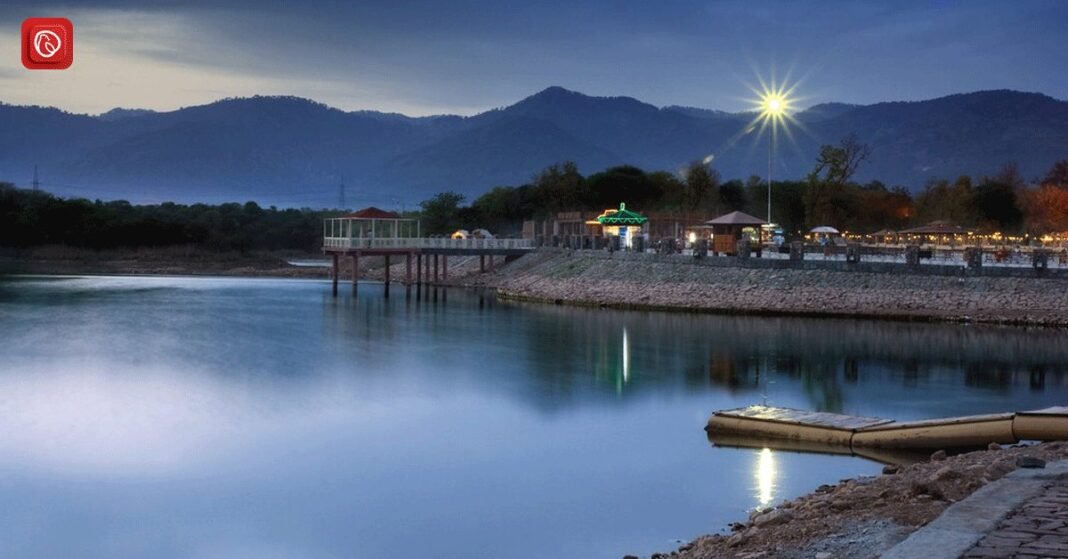
Then there is the setting. The Soon Valley is Punjab’s hidden highland — a rumpled landscape of salt hills, pine-dotted ridges, and springs that feels nothing like the plains below. Khabikki sits in a natural amphitheatre of mountains on its north and south sides, with a gentle hill rising on the lake’s right bank. The lake is fed by springs and rainfall rather than rivers; locals call it the valley’s lifeline, since there is no canal system in these hills. Come at sunrise, when the water turns to hammered gold and the birds are most active, and you will understand why photographers keep the place a secret.
Who is it perfect for? Families who want a real day out within reach of Islamabad and Lahore. Birdwatchers and wildlife photographers chasing winter migrants. Anyone who has “done” the north and wants a quieter, cheaper, greener long weekend. And honest travelers who want to see a fragile ecosystem up close — because Khabikki needs its visitors to care about it, as the drought years have made painfully clear.
History of Khabikki Lake
Khabikki is a natural lake, not a built one, so its history is the history of the land around it — and that land is deep. The lake formed in the absence of drainage in the Salt Range: springs and seasonal runoff collect in a natural basin in the Soan Sakaser Valley, and with nowhere to flow, the water stays, grows saline from the salt-bearing hills, and becomes a lake. The Soon Valley itself is ancient human country — the Salt Range has yielded Stone Age tools, and the region sits on old trade and pilgrimage routes that once linked the plains of Punjab with the highlands.
The valley’s written history is tangled with empires. The Salt Range was a frontier zone for the Hindu Shahi rulers, then the Ghaznavids, the Delhi Sultanate and the Mughals; the Amb Shareef temples, a short drive from Khabikki, are the surviving monuments of the pre-Islamic era. Under the British, the valley’s ecology was catalogued by colonial administrators, and the lakes of the Soon Valley were noted for their fisheries. Khabikki village — which shares its name with the lake — grew up as a farming settlement dependent on the lake’s water and the springs around it.
The modern chapter began with conservation. In 1986 the area was brought under game-reserve and wildlife-sanctuary protection, and on 22 March 1996 Khabikki was designated a Ramsar site — a wetland of international importance — as part of the Uchhali Wetlands Complex. (Some Pakistani press accounts describe it as the country’s first Ramsar site, a claim tied to the earlier recognition of the complex; the formal Ramsar designation date is 1996.) The Tourism Development Corporation established a recreational resort on the shore, and Khabikki entered the tourist imagination as the Soon Valley’s flagship lake — one of three great lakes of the valley, alongside the larger Uchhali and the smaller Jahlar.
The most recent history is a warning. Prolonged drought, deforestation and forest fires in the surrounding Rakh Khabeki ravaged more than a thousand acres of habitat in the mid-2020s, and in June 2025 the national press reported that Khabikki Lake had completely dried up — boating gone, fish populations vanishing, tourism collapsing. Water levels at Khabikki have always fluctuated with rainfall; the drought years made that fluctuation catastrophic. The honest advice this guide can give is to check the lake’s current condition locally before you travel, especially outside the winter and monsoon seasons — and to visit as someone who understands that this lake’s future depends on the rains returning and the forests being protected.
Top Things to Do in Khabikki Lake
Birdwatching — the Winter Spectacle
This is Khabikki’s headline act. Around fifty bird species have been recorded at the lake, and from roughly November to February migratory waterfowl arrive from Siberia and Central Asia — ducks, coots, grebes and waders joining the resident herons, kingfishers and raptors. Bring binoculars and arrive at dawn, when the birds are feeding and the light is perfect. The western and southern shores offer the best vantage points; keep your distance from roosting flocks and let a local guide point you to the hides and quiet corners.
Boating on the Lake
Boats have long been available at Khabikki, and a slow paddle or rowboat circuit of the 2-kilometre lake is the classic visitor experience — when water levels permit. The lake is only a kilometre across at its widest, so even a short outing gives you the full panorama: salt hills rising on both sides, the resort on the shore, and birds lifting off the water ahead of you. Confirm boats are operating before you go, since services pause when the lake is low.
Lakeside Walks and Photography
The shoreline is made for unhurried walking. A full circuit is a pleasant couple of hours, and the changing angles — mountains north and south, the gentle hill ascending on the right bank, the green fringe around the water — keep photographers busy all day. Sunrise and the golden hour before sunset are the magic windows; midday in summer is harsh and best spent in the shade.
Visit the TDCP Resort
The Tourism Development Corporation’s recreational resort sits right by the lake with quick access from the main road, and it is the natural base for a Khabikki trip — rooms, a restaurant, and the boats all in one place. Even day visitors can use the resort’s lawns and eateries. The resort is also the most reliable source of current information on the lake’s water level and bird activity; call ahead.
Explore the Soon Valley’s Other Lakes
Khabikki is one of three lakes in the valley. Uchhali Lake — the largest in the Salt Range at over 900 acres, home to some 56 bird species — and Jahlar Lake (about 45 bird species, recognised as a Ramsar site in 1996) are both within easy driving distance and combine naturally into a two-day lake circuit. Ask locally for the current road conditions between them.
Famous Places In and Around Khabikki Lake
- Uchhali Lake: The Salt Range’s biggest lake, a major birding site in its own right.
- Jahlar Lake: The third of the Soan Valley’s lakes, smaller and quieter.
- Kallar Kahar (approx. 40 km): The famous Salt Range lake-town on the M2, with its peacock sanctuary and Takht-e-Babri. See our Kallar Kahar Lake travel guide.
- Kanhatti Garden: A British-era botanical garden in the valley with waterfalls, orchards and picnic lawns.
- Amb Shareef Temples: Ruined Hindu temples of the Salt Range’s pre-Islamic past, on the ridges above the valley.
- Sakesar: The highest peak of the Salt Range (about 1,522 m), with sweeping views over the whole valley system.
How to Reach Khabikki Lake
Khabikki is one of the most accessible lakes in Pakistan — a straightforward road trip from the Punjab’s big cities, with the last stretch climbing into the Salt Range from the plains.
From Islamabad (approximately 190 km, 3–4 hours): Take the M2 motorway south to the Kallar Kahar interchange, then turn west into the Salt Range toward Naushahra and the Soon Valley. From Naushahra, local roads lead to Khabikki village and the lake. The motorway stretch is fast; the hill roads are paved but winding — drive them in daylight.
From Lahore (approximately 280 km, 4–5 hours): M2 north-west to the same Kallar Kahar exit, then the same valley route. A comfortable day trip is possible but an overnight stay lets you catch both sunset and sunrise at the lake.
From Karachi (approximately 1,150 km): Fly to Islamabad and drive, or take the long road north via the M9, M5 and M2. For Karachi travelers, Khabikki works best as part of a 3–4 day Salt Range circuit (Khewra, Kallar Kahar, Soon Valley).
Nearest airport: Islamabad International Airport. There is no railway station in the Soon Valley; the nearest railheads are on the main Lahore–Rawalpindi line.
Route Details
Islamabad → M2 (Kallar Kahar interchange, ~130 km) → west into the Salt Range via the valley road through Naushahra → Khabikki Lake (signposted locally; the TDCP resort sits by the shore with direct access from the main road). Fuel up at Kallar Kahar — stations thin out in the valley. If you are combining lakes, the Uchhali–Jahlar–Khabikki circuit is best done with a local driver who knows the inter-village tracks. Visit between October and March for the best road conditions and the birds.
Where to Stay in Khabikki Lake
Staying at Khabikki is simple, because the options are few and honest. The TDCP resort by the lake is the flagship — a full-fledged recreational resort with rooms, a restaurant and lawns, run by the Tourism Development Corporation. It is the most reliable base: you wake up on the water, the boats are at hand, and the staff know the lake’s moods. A second option noted by travelers is a caravan-style stay run by a local near the lake, with fresh food and transport available — simpler, warmer, and a good way to put money directly into the village economy.
Beyond the lake, Naushahra and the Soon Valley towns have basic guesthouses, and Kallar Kahar (about 40 km) has a wider range of mid-range hotels. For a luxury tier, you will need to look to Islamabad or Lahore and make Khabikki a day trip — but honestly, the dawn chorus over the water is worth the simpler room. Book the TDCP resort by phone in advance, especially for winter weekends when birdwatchers descend.
Where to Eat: Local Foods of Khabikki Lake
There are no fine-dining restaurants at Khabikki — and that is fine, because the food you will eat is the food of the Soon Valley: Punjabi hill-country cooking, made with desi ghee and served hot.
What to eat: The TDCP resort restaurant serves standard Pakistani fare — chicken karahi, daal, mixed sabzi, fresh tandoori roti — to a reliable standard. In the valley villages, look for saag with makkai ki roti in winter, desi-ghee parathas at breakfast, and freshwater fish when the lake’s fishery is active. Roadside dhabas on the Kallar Kahar–Naushahra road do excellent chai and pakoras. A dhaba meal is budget-friendly — expect to eat well for a few hundred rupees per person; resort restaurants cost more but remain modest by city standards.
Local flavours: The Soon Valley is known for its wild honey and for the salt of the range itself — roadside stalls often sell local honey and rock-salt products. Carry drinking water and snacks for the lakeshore, and if you are offered a home-cooked meal in Khabikki village, accept: valley hospitality is the real deal.
Weather in Khabikki Lake
At around 740 metres in the Salt Range, Khabikki’s climate sits between the plains and the hills: hot summers, a real monsoon, and winters cool enough to bring the migratory birds down from the north. Rainfall is the lake’s lifeline — and, as recent drought years showed, its vulnerability.
| Season | Temperature Range | Conditions |
|---|---|---|
| Winter (Nov–Feb) | 5–20°C | Cool, clear days; cold nights. Peak birdwatching season. |
| Spring (Mar–Apr) | 18–32°C | Pleasant; wildflowers on the hills; good for photography. |
| Summer (May–Jul) | 30–40°C | Hot; lake levels depend on spring rains. Early mornings best. |
| Monsoon/Autumn (Jul–Oct) | 25–35°C | Rains recharge the lake; valley turns green; roads can be slippery. |
Language and Culture of Khabikki Lake
The Soon Valley speaks Punjabi in its distinctive Salt Range dialect, with Urdu universally understood and English workable at the resort. The valley’s people are traditionally farmers, herders and — increasingly — hosts to tourists; the culture is Punjabi hill-country: conservative, hospitable, and proud of the valley’s natural heritage.
As a visitor, the cultural notes are simple: dress modestly (the valley is not a beach resort), ask before photographing villagers — especially women — and respect the sanctuary rules. Much of the lake’s surroundings fall within protected wildlife areas; do not litter, do not disturb nesting birds, and keep noise down at dawn when the birds are most active. If you fish, check local permit requirements first — the fishery is a managed resource.
Shopping in Khabikki Lake
Shopping at Khabikki is small-scale and local, which suits the place. Roadside stalls and Naushahra’s bazaar sell the valley’s signatures: wild Soon Valley honey, rock salt and salt-crafted souvenirs from the range, dried fruits, and simple embroidered goods. Kallar Kahar’s bazaar, on the way in or out, has a wider selection of Salt Range handicrafts and the famous Kallar Kahar sweets. There are no malls — the nearest are in Islamabad and Lahore, a few hours away — and nobody comes to Khabikki to shop. Come for the lake; leave with honey.
Travel Tips for Khabikki Lake
Packing Essentials
Binoculars (non-negotiable for birdwatchers), a camera with a zoom lens, sun protection, a warm layer for winter mornings (5°C at dawn feels colder by the water), comfortable walking shoes, drinking water, and a power bank. If you visit in winter, pack a proper jacket — the wind off the lake bites.
Safety Tips
Khabikki is a safe, family-friendly destination. The practical risks are the hill roads (drive in daylight, never after dark on unfamiliar tracks), the sun, and the water — do not swim in the lake; it is saline, marshy at the edges, and a protected habitat. Check the lake’s current water level with the TDCP resort before traveling in dry months; a wasted trip is the biggest risk of all.
Money & Connectivity
Carry cash — the resort and village stalls do not reliably accept cards, and ATMs are scarce in the valley (withdraw at Kallar Kahar). Mobile signals are patchy around the lake; the main networks work intermittently, so download offline maps and confirm bookings before you leave the motorway.
Best Time to Visit Khabikki Lake
November to February (Best for Birds)
This is Khabikki at its finest. The migratory birds are in, the air is crisp and clear, and the lake — when the rains have been kind — is full and alive. Winter weekends are the most popular time, so book the resort ahead. This is the season this Khabikki Lake travel guide recommends above all others.
March to April (Lovely and Quiet)
The migrants have mostly left, but the valley is green, the wildflowers are out, and you will have the shoreline nearly to yourself. Excellent for photography and peaceful walks.
May to October (Check Water Levels)
Summer heat and the monsoon make this the uncertain season. After good rains the lake is beautiful; in drought years it can shrink dramatically. Call the resort for a current report before you commit to the drive.
Final Thoughts
Khabikki Lake is a reminder that Pakistan’s natural wonders are not all in the far north — some of the finest are a morning’s drive from the capital, hiding in the salt hills of Punjab. It is a Ramsar wetland, a birdwatcher’s prize, a family’s easy weekend, and a village’s lifeline, all in two kilometres of brackish water. The drought years showed how fragile it is; the right response is not to stay away but to visit thoughtfully, spend locally, and leave the shoreline cleaner than you found it.
Pair it with Kallar Kahar and the Uchhali–Jahlar circuit for a full Salt Range weekend, and browse the Explore Pakistan collection for your next destination. Khabikki rewards the traveler who looks beyond the famous names — and in return, it asks only that you come in winter, bring binoculars, and tell its story well.
FAQs
Where is Khabikki Lake located?
Khabikki Lake is in the Soan Sakaser (Soon) Valley of the southern Salt Range, in Khushab District, Punjab — about 190 km from Islamabad via Kallar Kahar.
Why is Khabikki Lake famous?
It is a Ramsar-designated wetland of international importance, part of the Uchhali Wetlands Complex, famous for winter migratory birds (around 50 species recorded), boating, and its TDCP resort.
How do I reach Khabikki Lake?
Drive from Islamabad or Lahore via the M2 to the Kallar Kahar interchange, then west into the Soon Valley via Naushahra to the lake. The journey from Islamabad takes 3–4 hours.
What is the best time to visit Khabikki Lake?
November to February for migratory birds and the best weather. Always check current water levels before visiting in dry months, as the lake’s level fluctuates with rainfall.
Is Khabikki Lake safe for families?
Yes — it is one of the most family-friendly lake destinations in Punjab, with easy road access, a resort, and calm surroundings.
Can you swim in Khabikki Lake?
No. It is a saline lake and a protected wildlife habitat; swimming is neither safe nor appropriate. Boating is the way to enjoy the water.
Where can I stay at Khabikki Lake?
The TDCP resort on the lakeshore is the main option, plus a locally run caravan-style stay nearby. Kallar Kahar, about 40 km away, has more hotels.
Did Khabikki Lake really dry up?
In June 2025, national media reported the lake had dried up after prolonged drought and deforestation in the valley. Water levels recover with good rains, but the episode shows why visitors should check conditions before traveling.