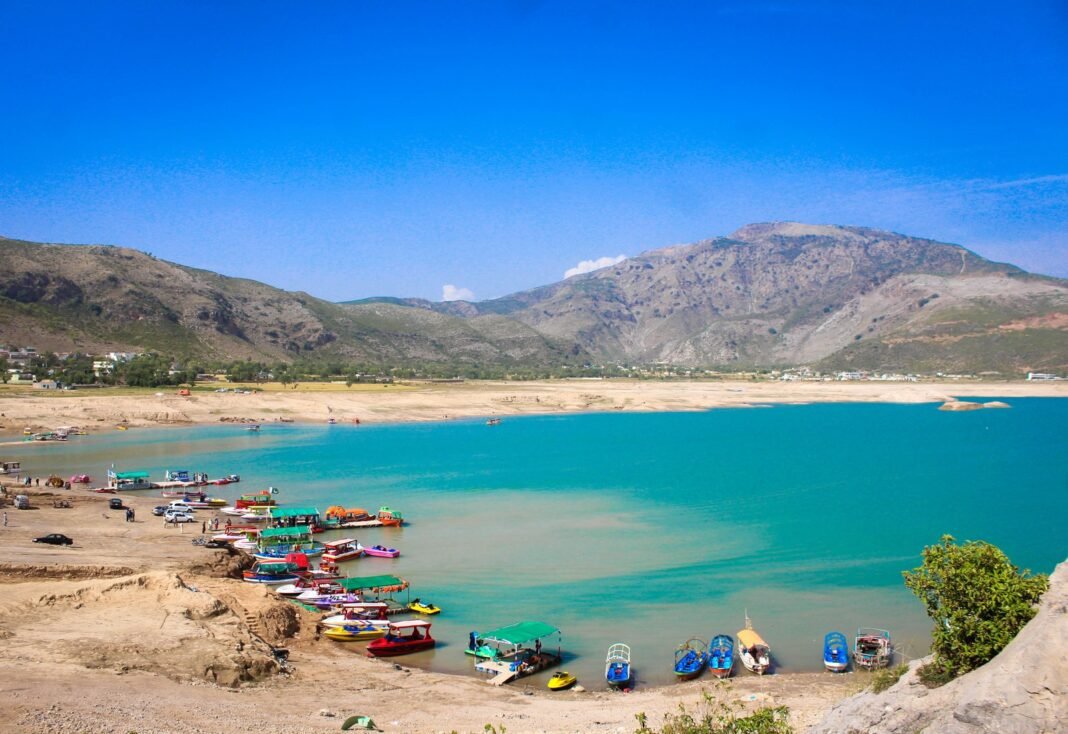
An hour and a half from Islamabad, the hills open up and something unexpected appears: a vast sheet of blue-green water ringed by brown mountains, dotted with colorful boats, with parachutes drifting lazily overhead. This is Khanpur Lake — the reservoir of Khanpur Dam on the Haro River in Haripur District, Khyber Pakhtunkhwa — and it has quietly become Pakistan’s favorite day-trip playground. Parasailing, jet skiing, cliff jumping, lakeside barbecues: this is where the capital comes to play.
But Khanpur Dam and Lake is more than an adventure park. The dam itself is a feat of 1980s engineering that quenches the thirst of Islamabad and Rawalpindi. Its shores hold a Mughal-era mosque and some of the most important Buddhist ruins in the region. And in winter, migratory birds turn the lake into a sanctuary. Whether you want adrenaline, history, or just a picnic with a view, this khanpur dam and lake travel guide will help you plan the perfect trip.
Quick Facts
- Location: On the Haro River near Khanpur town, Haripur District, Khyber Pakhtunkhwa — on the Taxila-Haripur road.
- Altitude: The reservoir sits at roughly 450-500 metres above sea level in the foothills.
- Famous For: Water sports (parasailing, jet skiing, boating), Mabali Island, blue-green lake scenery, and nearby Buddhist and Mughal heritage.
- Nearest City: Islamabad, approximately 48-50 km away (about 1-1.5 hours by road).
- Accessibility: Excellent road access via the Grand Trunk Road or the Hazara Motorway; easy day trip from Islamabad, Rawalpindi, and Taxila.
- Known Landmarks: The dam and spillway, Mabali Island, the old Jamia Masjid Rajgan, Bhamala Buddhist stupa, and Taxila’s ancient ruins.
- Best For: Families, adventure seekers, day-trippers, photographers, and history lovers combining the lake with Taxila.
Why Visit Khanpur Dam and Lake
The number one reason is simple: this is Pakistan’s water-sports capital, and it is practically on Islamabad’s doorstep. Where else in the country can you go parasailing over turquoise water in the morning and be home for dinner? The lake’s adventure scene is the real deal — parasailing with panoramic views of the reservoir and the surrounding hills, jet skis carving white wakes across the blue-green water, speedboats, kayaks, and cliff jumping for the brave. Mabali Island, the lake’s adventure hub, concentrates the action in one buzzing spot. If you have ever watched those aerial videos of colorful parachutes over Khanpur and thought “I want to do that,” this guide is your nudge.
The second reason is how easy it is. Khanpur is not a trek, not an expedition, not a multi-day commitment. It is a day trip — leave Islamabad after breakfast, spend the day on the water, and be back by evening. That accessibility makes it perfect for families with children, for office groups planning a weekend outing, and for travelers with limited time who still want a genuine adventure. Few destinations in Pakistan deliver this much fun per kilometer traveled.
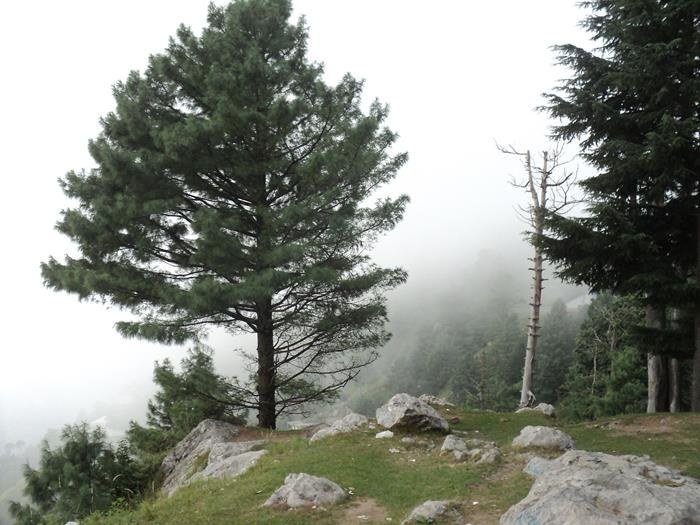
Third, the setting is genuinely beautiful. The lake’s blue-green water against the brown, rugged hills of the Haripur foothills is striking, especially in the soft light of morning or late afternoon. The terraced gardens and picnic spots around parts of the shore, the highest points offering panoramic views stretching toward the Margalla and Murree hills — this is a landscape made for long, lazy hours and for photographs that do not need filters.
And finally, Khanpur rewards the curious. Most visitors come for the water and never look further, but the area is steeped in history: the ancient Buddhist stupa of Bhamala, the old Mughal-era Jamia Masjid Rajgan on the lake’s banks, and the world-famous ruins of Taxila a short drive away. You can pair an adrenaline-filled morning with an afternoon among 2,000-year-old ruins — very few day trips anywhere offer that combination. Add it all up, and Khanpur Dam and Lake earns its place as one of the finest short escapes in the country.
History of Khanpur Dam and Lake
Khanpur Dam is a product of Pakistan’s great dam-building era. Constructed on the Haro River — which rises in the hills near Abbottabad — the dam took 15 years to build and was completed in 1983 at a cost of around PRs 1,385.1 million. It stands 51 metres (167 feet) high and stores approximately 79,980 acre-feet of water (about 98.65 million cubic metres). The dam was named after the old Khanpur village; a new Khanpur town grew up downstream of the structure.
The dam was built with a serious purpose: it supplies drinking water to Islamabad and Rawalpindi and irrigation water to the agricultural and industrial areas around the two cities. For decades it did this job quietly, known mainly to engineers and locals. The transformation into a tourist destination happened gradually, as Islamabad’s growing population discovered the lake’s potential for boating and picnics — and then explosively, as private operators introduced parasailing, jet skiing, and the full menu of water sports. Today the lake is among the busiest leisure destinations in northern Punjab and southern KP.
The deeper history of the area stretches back millennia. The Haro valley sits in the heart of ancient Gandhara, the Buddhist civilization that flourished here two thousand years ago. The great Bhamala stupa — one of the largest and most significant Buddhist monuments in the region — stands near the lake, and Taxila, the ancient university city and UNESCO World Heritage site, lies a short drive to the south. The Mughal era left its mark too, in the form of the old Jamia Masjid Rajgan on the banks of the dam. When you visit Khanpur, you are visiting a landscape where 1980s engineering, Mughal architecture, and Gandharan Buddhism all share the same view.
Top Things to Do in Khanpur Dam and Lake
Parasailing Over the Lake
The signature Khanpur experience. Strapped into a harness beneath a colorful parachute and towed by a speedboat, you rise high above the lake for sweeping views of the blue-green water, the dam wall, and the encircling hills. It is the most popular activity here for a reason — thrilling but smooth, with no skill required. Operators at Mabali Island and the main boating points run parasailing throughout the day in season. Always use licensed operators, wear the provided safety gear, and go in calm weather; high winds mean no flights, and that is for your safety.
Jet Skiing and Speed Boating
For pure adrenaline, nothing beats a jet ski skimming across Khanpur’s open water. Rentals are available by the ride, with operators giving a quick briefing before you go. Speedboat rides — either self-driven under supervision or with a driver — are another favorite, especially for groups and families who want the thrill without the learning curve. Mornings usually offer the calmest water and the shortest queues.
Cliff Jumping and Swimming Areas
The rocky outcrops around parts of the lake are famous for cliff jumping — leaping from various heights into the deep, clear water below. This is strictly for confident swimmers and thrill-seekers: always check the depth, jump feet-first, and never jump alone. Note that swimming is restricted or banned in certain areas of the reservoir for safety reasons, so stick to the designated spots the operators point out, and always wear a life jacket when on or in the water outside supervised zones.
Kayaking, Paddleboats, and Shikara Rides
Not everything at Khanpur is high-octane. Kayaks are available for those who want to explore the shoreline at their own pace, paddleboats are perfect for families with small children, and a slow shikara-style boat ride at sunset is one of the most peaceful experiences the lake offers. These gentle options are ideal for elderly visitors and anyone who prefers scenery to speed.
Explore Mabali Island
Mabali Island is the lake’s adventure headquarters — the go-to spot for the full water-sports menu, from parasailing and jet skiing to snorkeling and banana-boat rides. It has food outlets, changing facilities, and a lively weekend atmosphere. If you want to do multiple activities in one place with proper infrastructure, head straight here. Arrive early on weekends; it fills up fast.
Hiking and Trekking Around the Lake
The hills surrounding Khanpur Lake hold numerous walking and trekking trails, from gentle lakeside strolls to more challenging climbs with panoramic views over the reservoir. Trekking here is a wonderful way to escape the weekend crowds at the water’s edge and see the landscape from above. Go with a local guide if you attempt the higher trails, carry water, and start early to avoid the midday heat.
Famous Places In and Around Khanpur Dam and Lake
- Bhamala Buddhist Stupa — a major Gandharan monument near the lake; check current visitor status before going, as conservation work has periodically closed the site. See our Bhamala Stupa travel guide.
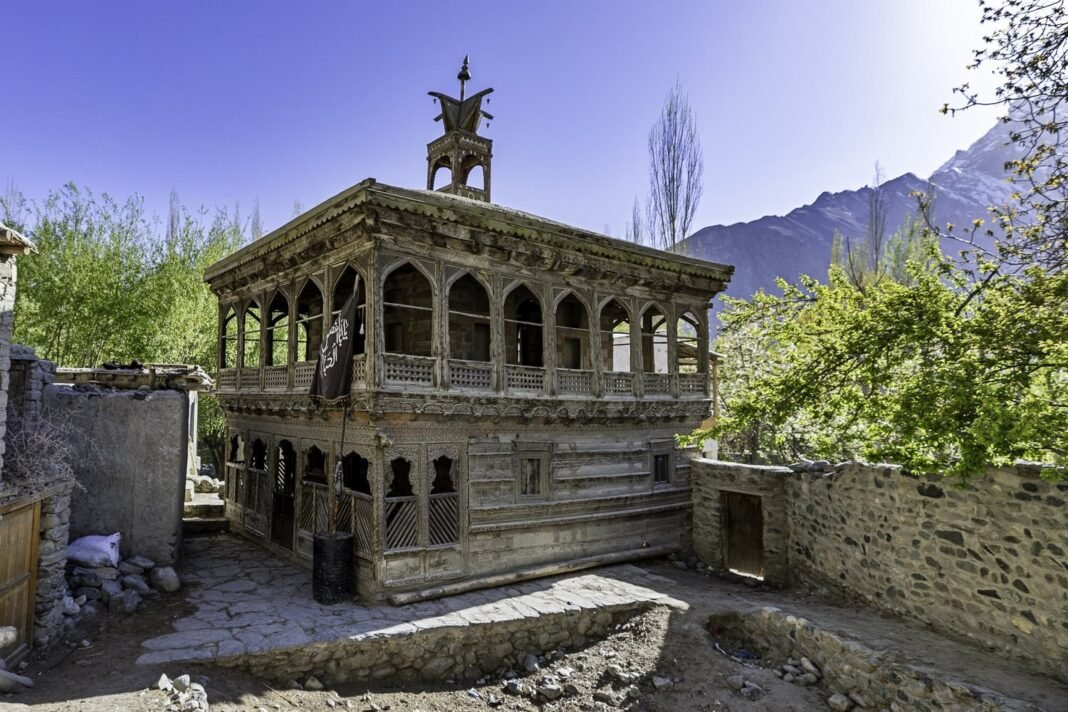
- Jamia Masjid Rajgan — the historic Mughal-era mosque on the banks of the dam, a beautiful stop for history and photography.
- Taxila ruins and museum — the ancient Gandharan city, a UNESCO World Heritage site, a short drive south; explore our Bhir Mound Taxila guide and Jinnan Wali Dheri guide to plan the heritage half of your day.
- Margalla Hills — visible from the lake’s viewpoints; see our places to visit in Islamabad guide for pairing the trip with the capital.
- Haripur city — the district town, for local bazaars and food on the way back.
How to Reach Khanpur Dam and Lake
Reaching Khanpur is one of the easiest “adventure trips” in Pakistan. From Islamabad: Two main routes — via the Grand Trunk Road (N-5) through Taxila, about 47 km and roughly 1 hour 10 minutes; or via the Hazara Motorway (M-15), about 108 km and roughly 1 hour 26 minutes. The Taxila route is shorter and lets you combine the trip with Taxila’s ruins. From Lahore: Take the motorway to Islamabad (about 4-5 hours), then continue to Khanpur — most visitors make it a two-day plan with a night in Islamabad. From Karachi: Fly to Islamabad and drive to the lake; the whole trip is very doable as a long weekend.
Nearest airport: Islamabad International Airport, about 60-70 km from the lake. Road conditions: All routes are paved and in good condition year-round; the final approach roads around the lake are fine for any car. Transport options: Your own car is ideal for flexibility. Rental cars with drivers are easily arranged from Islamabad. Public transport (vans from Rawalpindi/Islamabad toward Haripur and Taxila) can get you to Khanpur town, but you will need local transport to reach the lake’s activity points — private transport is strongly recommended for a smooth day.
Route Details
- Islamabad to Taxila (approx. 30 km, ~40 minutes): Take the Grand Trunk Road west from Islamabad toward Taxila.
- Taxila to Khanpur Dam (approx. 15-20 km, ~25-30 minutes): From the Taxila bypass, follow the Taxila-Haripur road north to Khanpur town, then follow signs to the dam and lake.
- Alternative via Hazara Motorway: Take the M-15 from Islamabad toward Haripur, exit for Khanpur — longer in distance but a fast, smooth motorway drive.
- At the lake: Head to Mabali Island or the main boating points for water sports; the dam viewpoint and Jamia Masjid Rajgan are separate short drives around the reservoir.
Where to Stay in Khanpur Dam and Lake
Most visitors do Khanpur as a day trip from Islamabad — and honestly, that is the best plan for most people. But if you want to stay over, the area around the lake has a growing range of options: budget hotels and guesthouses in Khanpur town serve the practical end of the market, while several higher-end resorts near the lake offer rooms with lake views, restaurants, and direct access to water activities. Staying overnight lets you enjoy the lake at sunrise and sunset, when the day-trip crowds have gone and the water is at its most beautiful.
For a wider choice, Taxila and Haripur both have comfortable hotels, and Islamabad’s full range — from budget guesthouses to five-star properties — is only 1-1.5 hours away. If you are coming from Lahore or Karachi, base yourself in Islamabad and treat Khanpur as the adventure day of your trip. Book ahead for spring weekends and festival days, when the lake area fills up. Campers should note that wild camping around the reservoir is not organized — stick to proper accommodation or the managed facilities at the activity hubs.
Where to Eat: Local Foods of Khanpur Dam and Lake
Come hungry — the food is half the fun at Khanpur. The lakeside eateries and dhabas around the activity points serve exactly what a day on the water demands: fresh fried fish, crispy pakoras, BBQ (chicken tikka, seekh kebabs, malai boti), and endless chai. Many groups bring their own meat and hire a barbecue setup by the shore — a Khanpur picnic with the grill going and the lake glittering nearby is a classic Pakistani weekend. Mabali Island and the main boating points have food outlets, but quality varies, so ask fellow visitors or your driver for the current best spots.
In Khanpur town and nearby Taxila, the dhabas serve hearty local food: daal, sabzi, tandoori rotis, and the region’s beloved desi chicken dishes. The area sits between Punjab and Hazara, so you will find both Punjabi and Hindko flavors — rich, spicy, and satisfying. A dhaba lunch is very budget-friendly; a full BBQ spread at a lakeside restaurant costs more but is worth it for the setting. Carry drinking water and snacks for the day, especially if you are doing multiple water activities — you will burn more energy than you expect.
Weather in Khanpur Dam and Lake
Khanpur sits in the foothills at a modest altitude, so the climate is much warmer than the northern valleys — think hot summers and mild winters. Summer temperatures regularly cross 35°C, which is precisely why the cool lake water is so appealing; the water-sports season peaks when the heat does. Winters are mild and pleasant, and the lake becomes a quieter, more reflective place — this is also when migratory birds arrive, making it a rewarding season for birdwatchers and photographers. Spring and autumn offer the most comfortable all-round weather.
| Season | Temperature Range | Conditions |
|---|---|---|
| Winter (Dec-Feb) | Approximately 5 to 18°C | Mild and pleasant; migratory birds visit the lake; fewer crowds; water sports limited by cooler water. |
| Spring (Mar-May) | Approximately 18 to 32°C | Warming up; excellent for all activities; the Basant/spring festival season brings extra color. |
| Summer (Jun-Sep) | Approximately 28 to 40°C | Peak water-sports season — hot days make the lake irresistible; weekends are busy; stay hydrated. |
| Autumn (Oct-Nov) | Approximately 15 to 28°C | Comfortable and clear; the October water-sports gala/regatta is a highlight; great for hiking and photography. |
Language and Culture of Khanpur Dam and Lake
Khanpur sits at the meeting point of Punjab and Hazara, and its culture reflects both. The local languages are Hindko and Punjabi, with Urdu universally understood — you will have no trouble communicating as a visitor. The people of the area are known for their hospitality, and the lake’s tourism economy means locals are well accustomed to visitors from all over Pakistan and abroad.
The culture here is relaxed and recreational — Khanpur is where the region comes to unwind. That said, it remains a conservative area: dress modestly (swimwear is for the water activities only, with cover-ups on shore), respect prayer times, and be courteous to families sharing the picnic spots. The area’s heritage — Buddhist, Mughal, and modern Pakistani layered together — deserves the same respect as its natural beauty. If you visit the Jamia Masjid Rajgan or the Bhamala stupa, observe the etiquette of religious and archaeological sites: quiet voices, no littering, no climbing on ancient structures.
Shopping in Khanpur Dam and Lake
Shopping is not the main event at Khanpur, but there are worthwhile stops. Khanpur town’s bazaar covers the basics and local produce, and the area is known for fresh fruit in season — buy from roadside sellers on the Taxila-Haripur road. For real souvenir hunting, combine your trip with Taxila: the shops near the museum sell replicas of Gandharan art, traditional crafts, and books on the region’s Buddhist heritage that make meaningful keepsakes.
At the lake itself, small stalls sell snacks, drinks, and swim accessories, and festival days bring handicraft stalls with items from across the region — the water-sports gala has featured shawls and crafts from Chitral and Dera Ismail Khan, among others. There are no shopping malls at the lake; for serious retail therapy, Islamabad’s markets are 1.5 hours away. The best things to take home from Khanpur are photographs, a sunburn, and stories.
Local Events and Festivals
Khanpur knows how to celebrate. The Basant festival — the traditional spring kite-flying celebration — has been held at the lake in recent years as a two-day event near the historic Jamia Masjid Rajgan, drawing kite flyers from across Pakistan as well as foreign tourists, with boating, jet skiing, food, and music alongside the colorful skies. It typically takes place in the spring season; check local announcements for dates, as they vary each year.
The lake is also home to the Khanpur Water Sports Gala — a multi-day festival organized by the Tourism Corporation of Khyber Pakhtunkhwa, traditionally held in October. Billed as one of the biggest water-sports events in Pakistan, it features boating and fishing competitions, food and handicraft stalls, traditional dances, concerts, and fireworks — drawing crowds estimated in the hundreds of thousands. A spring carnival at the dam has also been a recurring celebration with water sports, folk dances, balloon rides, and family entertainment. Time your visit for one of these events and you will see Khanpur at its most festive.
Travel Tips for Khanpur Dam and Lake
Packing Essentials
Pack for sun and water: swimwear, a change of dry clothes, a towel, sunscreen, sunglasses, and a hat — the sun reflects off the water and burns fast. Water shoes or sandals with grip help on the rocky shore. Bring a waterproof pouch for your phone and cash, drinking water, and snacks. If you are combining the trip with Taxila’s ruins, add comfortable walking shoes and a camera. A basic first-aid kit and any personal medicines are wise, as the nearest well-equipped hospitals are in Taxila, Haripur, or Islamabad.
Safety Tips
Water safety is the big one at Khanpur. Always wear a life jacket for boating, jet skiing, and any water activity — no exceptions, even if you are a strong swimmer. Use only licensed, established operators for parasailing and jet skis, and follow their instructions exactly. Never swim in restricted areas of the reservoir, and never dive or jump without checking depth first. Keep children supervised near the water at all times. On land, the usual sense applies: secure your valuables, park in designated areas, and avoid isolated spots after dark. The lake is busiest — and safest — during daylight hours.
Money & Connectivity
Bring cash: while Khanpur town has ATMs, the activity points around the lake are largely cash-only, and you will be paying for rides, food, and parking throughout the day. Mobile signals from all major networks work well around the lake — this is the populated foothills, not the high mountains — and most restaurants and resorts offer Wi-Fi. Fuel up before leaving Islamabad or in Taxila; fuel stations are available in Khanpur town as well. Keep small denominations handy for parking, tips, and roadside snacks.
Best Time to Visit Khanpur Dam and Lake
Summer (May to September) — The Adventure Season
This is peak Khanpur: hot weather, warm water, and the full water-sports menu running daily. Parasailing, jet skiing, cliff jumping — everything is at its best. Weekends are crowded, so visit on a weekday if you can, arrive early, and book popular rides before the queues build. Stay hydrated and protect yourself from the strong sun.
Spring (March-April) and Autumn (October-November) — The Sweet Spots
Arguably the best all-round time to visit. The weather is comfortable, the crowds are thinner, the light is beautiful for photography — and the festival calendar delivers the Basant celebrations in spring and the water-sports gala in October. Water activities still run, hiking is pleasant, and the heritage sites are at their most enjoyable.
Winter (December to February) — The Quiet Season
Winter at Khanpur is calm and crowd-free, with mild daytime temperatures and migratory birds on the lake — lovely for picnics, photography, and peaceful boat rides. Most high-adrenaline water sports wind down, so come for the scenery and serenity rather than the thrills. Pair it with Taxila’s ruins for a perfect winter day trip.
Final Thoughts
Khanpur Dam and Lake is proof that you do not need to cross the country for adventure — sometimes it is waiting an hour from your doorstep. It is the rare destination that works for everyone: the teenager who wants to cliff-jump, the parents who want a safe family picnic, the photographer chasing golden light on blue water, and the history lover who pairs the lake with Taxila’s ancient stones. Few places in Pakistan pack this much variety into a single day trip.
So gather your friends or family, pack the sunscreen and the barbecue supplies, and point your car toward the Haro River. Whether you end the day soaring under a parachute or sitting quietly by the water watching the sun go down behind the hills, Khanpur will send you home happy. For more easy escapes from the capital, explore our Explore Pakistan series.
FAQs
1. Where is Khanpur Dam and Lake located?
On the Haro River near Khanpur town in Haripur District, Khyber Pakhtunkhwa — about 48-50 km from Islamabad on the Taxila-Haripur road.
2. What is the best time to visit Khanpur Dam?
March to November for water sports, with May-September as the peak adventure season. Spring and autumn offer the best weather-festival combination; winter is quiet and good for birdwatching.
3. How do I reach Khanpur Dam from Islamabad?
Via the Grand Trunk Road through Taxila (about 47 km, ~1 hour 10 minutes) or the Hazara Motorway (about 108 km, ~1 hour 26 minutes). Your own car or a rental with driver is the easiest option.
4. What water sports are available at Khanpur Lake?
Parasailing, jet skiing, speed boating, kayaking, snorkeling, cliff jumping, paddleboats, and shikara rides — centered on Mabali Island and the main boating points.
5. Is Khanpur Dam safe for families and children?
Yes — it is one of Pakistan’s most family-friendly adventure spots. Use licensed operators, wear life jackets, supervise children near water, and stick to designated swimming areas.
6. Where can I stay near Khanpur Dam?
Most visitors day-trip from Islamabad. Overnight options include resorts near the lake and budget hotels in Khanpur town, with more choice in Taxila, Haripur, and Islamabad.
7. What historical sites are near Khanpur Dam?
The Mughal-era Jamia Masjid Rajgan on the lake’s banks, the Buddhist Bhamala stupa nearby, and the ancient city of Taxila (UNESCO World Heritage site) a short drive south.
8. Are there festivals at Khanpur Dam?
Yes — the spring Basant kite-flying festival and the October Khanpur Water Sports Gala (organized by the KP Tourism Corporation) are the highlights, plus a recurring spring carnival with water sports and folk entertainment.