K-P governor’s rule to end in six months, emergency to continue until peace restored, minister says
Governor’s rule in Khyber-Pakhtunkhwa (K-P) will end after six months, while the emergency will remain in place until peace is restored in the province.
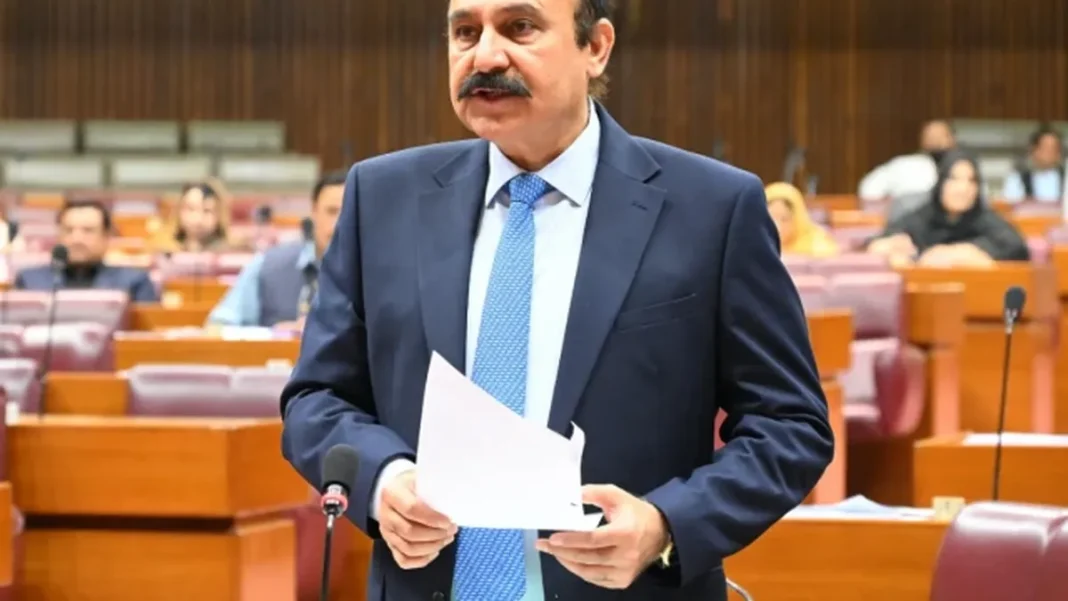
Minister for Parliamentary Affairs Dr Tariq Fazal Chaudhry gave that timeline in the National Assembly on Wednesday, 28 October 2026. He was responding to remarks by Jamiat Ulema-e-Islam-Fazl (JUI-F) chief Maulana Fazlur Rehman and Pakistan Tehreek-e-Insaf (PTI) Chairman Barrister Gohar Ali Khan.
“Governor’s rule will end after six months. As for the emergency, our objective is to restore peace within six months, and we pray to Allah Almighty that we achieve this goal. The emergency will remain in place until peace is restored,” Chaudhry said.
Whole province, not 12 districts
Chaudhry clarified that governor’s rule had been imposed throughout K-P under Article 234 of the Constitution. The emergency had been imposed across the province under Article 232, in response to internal and external security threats.
He rejected suggestions that the measures were limited to 12 districts. The entire province was under governor’s rule and emergency, he said, while the 12 most terrorism-affected districts had been granted special status.
Under the special arrangements, police and security agencies in those districts can seek assistance directly from the federal government, without going through the chief minister’s or governor’s secretariat. Chaudhry said the measures were intended to restore peace and improve administration, rather than seize political power, and that peace in K-P was directly linked to peace throughout Pakistan.
A Rs160 billion package in three phases
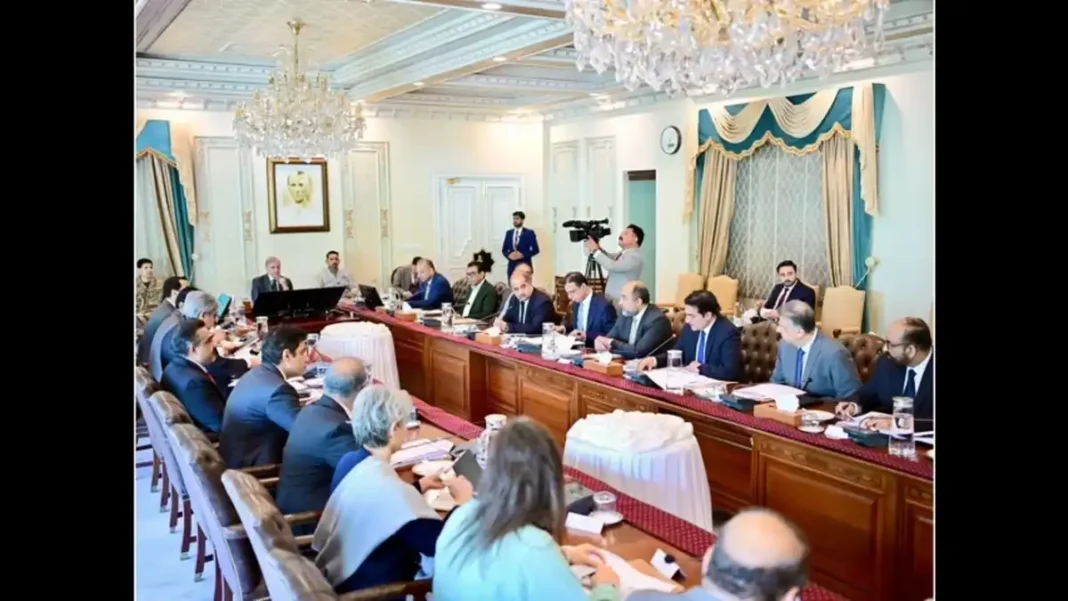
Chaudhry disclosed that Prime Minister Shehbaz Sharif had approved a Rs160 billion package for K-P during an Apex Committee meeting at Governor House in Peshawar, attended by the Chief of Defence Forces and Chief of Army Staff, Field Marshal Asim Munir, the provincial governor and senior officials.
The package will be implemented in three phases: first, strengthening provincial police through modern weapons, armoured vehicles, equipment and training; second, healthcare, education, sanitation and infrastructure; third, completing projects pending during the previous 12 years of PTI rule.
The largest share will go to the 12 most severely affected districts. Chaudhry said the government aimed to clear these districts of terrorists within four to six months, then hand law and order responsibility to trained and equipped police, to prevent militants returning and allow development work to proceed.
PTI and JUI-F respond
Responding to PTI’s Gohar, who alleged political victimisation, Chaudhry said the advisory council and council of elders set up after governor’s rule did not include representatives of any political party, and no party had been given a share in the powers previously exercised by the provincial government.
Chaudhry said operations in K-P were directed against terrorists and individuals challenging government authority, rather than any political party. Gohar, addressing the National Assembly, accused the federal government of political victimisation under the cover of emergency and governor’s rule, said PTI workers were being stopped and arrested, and claimed the K-P chief minister’s whereabouts remained unknown.
Chaudhry also turned to negotiations with PTI. He recalled talks held on October 2 under National Assembly Speaker Sardar Ayaz Sadiq. Interior Minister Mohsin Naqvi had presented seven points on counter-terrorism cooperation, including condemnation of terrorism, elimination of terrorist safe havens and implementation of the National Action Plan.
According to Chaudhry, PTI representatives offered cooperation beyond the seven points, but lacked the authority to finalise an agreement. The proposed agreement went through several revised drafts, and Chaudhry said the K-P chief minister rejected successive proposals, including a fourth draft prepared at 2:30am, after which negotiations ended.
Balochistan, minerals and Kashmir
Chaudhry rejected comparisons between K-P and Balochistan, saying the circumstances differed and Balochistan’s chief minister was cooperating with federal authorities. Balochistan covers about 43 per cent of Pakistan’s land area with around 10 million people, against about 45 million in K-P.
On minerals, he rejected suggestions that the measures aimed at control over provincial wealth, while saying each province had the first right over its resources. On Kashmir, he said AJK consumers were charged Rs3 per unit for electricity without separate peak-hour tariffs, and a 20-kilogram bag of subsidised flour cost Rs2,000 there.
He closed by calling for consensus on security, counter-terrorism and economic stability.
When will K-P governor’s rule end?
Will the emergency end at the same time?
What is the Rs160 billion package for?
- The Express Tribune, “K-P governor’s rule to end in six months, emergency to continue until peace restored: Tariq Fazal” (28 October 2026): https://tribune.com.pk/story/2637380/k-p-governors-rule-to-end-in-six-months-emergency-to-continue-until-peace-restored-tariq-fazal
- Related Feature Pakistan coverage: peshawar-atc-arrest-warrants-sohail-afridi-october-2026; kundi-angoor-adda-warning-october-2026