LDA Solar Streetlights for LDA City
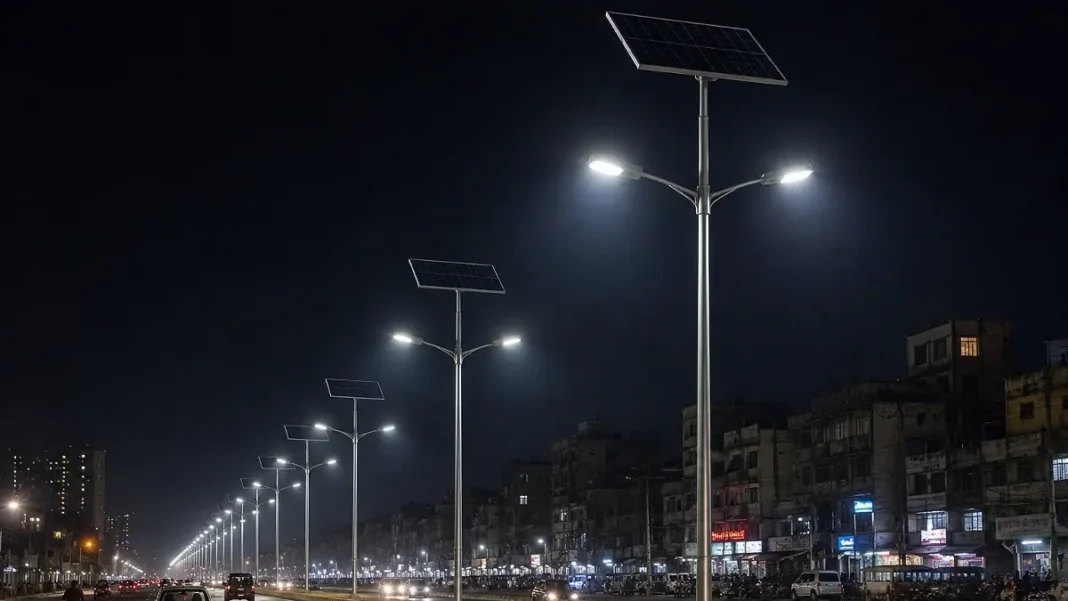
LDA solar streetlights will replace grid-powered lights across LDA City, the Lahore Development Authority has decided, in a bid to reduce electricity costs. The authority’s governing body has approved funding for the installation of solar-powered LED streetlights in the Jinnah Sector.
Under the project, new streetlight poles will be installed and equipped with 200-watt LED lights. The project’s PC-1 was presented during a governing body meeting chaired by the LDA vice chairman.
The decision follows earlier installations of solar lights at various locations, where the authority assessed their performance before moving ahead with the broader plan. LDA also plans to expand the use of other solar-powered installations to reduce its reliance on expensive grid electricity and lower long-term operating costs.
The initiative is part of the authority’s efforts to cut electricity expenses and transition street lighting in residential areas to alternative energy sources.
LDA solar streetlights: what is confirmed, and what is not
The October announcement is short on numbers. It does not state how many streetlights LDA City has, how much the Jinnah Sector phase will cost, or when installation will finish. Readers should treat those details as unpublished for now, rather than filling them in from older reports.
A September report by APP, carried by UrduPoint, put a wider Lahore solar streetlight scheme at more than Rs934.7 million. That report listed Rs388.45 million for Jinnah Sector Package-V, Rs396.61 million for Jinnah Sector Package-VI, and Rs149.64 million for Gulberg, with six months set for LDA City work and two months for Gulberg. The October report does not restate those figures, and it is not clear whether the governing body’s approval covers the full scheme or the Jinnah Sector phase alone. The two reports may describe the same programme at different stages, but that link is not confirmed in the October announcement.
What is confirmed is the direction of travel. LDA City is a large housing project, and street lighting across its sectors is a steady, recurring electricity cost. Solar LED lights cut that bill in two ways: the panels generate power during the day, and LED fittings use far less electricity than older lamps at night. The authority says it tested solar lights at various locations first, which suggests the wider rollout follows a trial rather than a blind switch.
Why Lahore is pushing solar lighting
Lahore’s streets have been a test bed for solar lighting for some time. Solar streetlights do not depend on the grid during load shedding, and they keep roads lit when power supply is interrupted. For a housing project like LDA City, where residents judge the authority on basic services, working streetlights are a visible promise kept or broken each night.
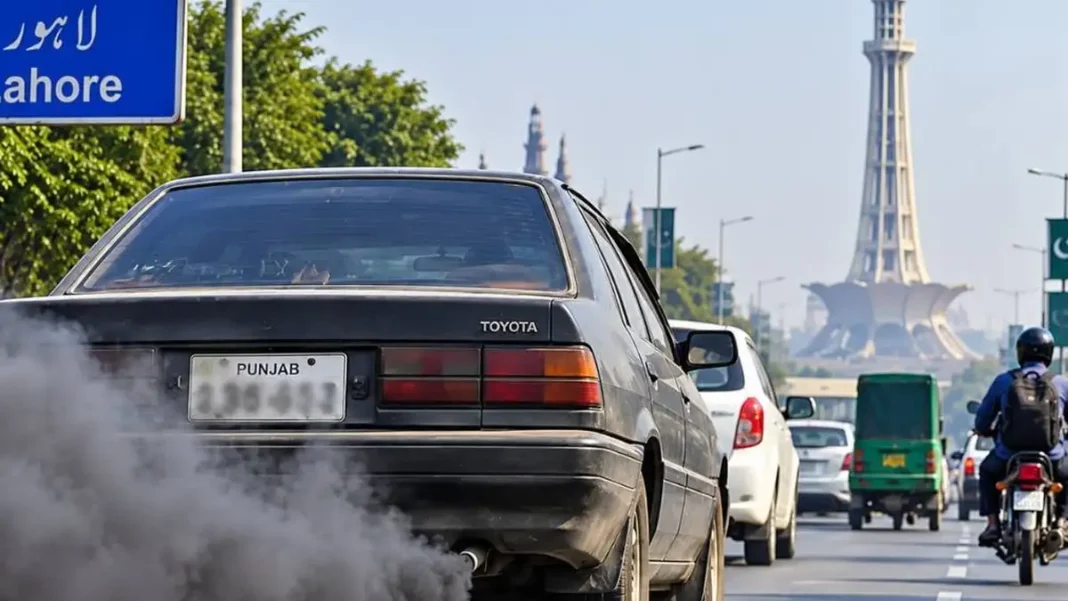
The move also sits within a wider infrastructure push in Lahore. The city is expanding its airports, as seen in Karachi and Lahore airports expansion approved, and new housing is coming forward through projects such as the FGEHA housing project on Multan Road. At the same time, Lahore is wrestling with vehicle smoke, with the city moving to suspend permits of smoke-emitting vehicles, and with air quality that recently left it ranked the world’s most polluted city. Solar lighting will not solve air pollution, but it does cut the city’s electricity demand, and every unit saved on street lighting is a unit that does not need to come from the grid.
Frequently asked questions
What has LDA decided?
LDA has decided to shift all streetlights in its LDA City housing project to solar power, starting with funded solar LED installations in the Jinnah Sector.
What kind of lights will be installed?
New streetlight poles equipped with 200-watt LED lights, under a PC-1 presented to the LDA governing body, which was chaired by the LDA vice chairman.
How much will it cost, and when will it finish?
The October announcement does not give a cost, a light count or a completion date. A September APP report put a wider scheme at more than Rs934.7 million, but the October report does not confirm those figures for this approval.
Source: ProPakistani