LPG Pricing Deregulation Plan Goes to Cabinet
Pakistan is preparing to shift liquefied petroleum gas pricing from a government-regulated system to a market-based model. The proposed changes have been sent to the federal cabinet for final approval, and they would end the Oil and Gas Regulatory Authority’s monthly price notifications for both locally produced and imported LPG from November 1, 2026.
The plan is still a proposal, not a decision. Until the cabinet approves it, the current system stays in place, even though the proposed start date has already passed.
Under the new arrangement, state-owned companies would lead bulk LPG imports and set monthly base prices. Pakistan State Oil, SSGC LPG Limited, PARCO Pearl Gas Limited and Pakistan LNG Limited would take part, with pricing tied to actual import costs, rather than OGRA’s notified maximum price.
LPG pricing deregulation: how the new formula would work
The proposed formula would account for the Saudi Aramco Contract Price, import premiums, freight, insurance, incidental expenses and applicable import taxes paid by Pakistan State Oil or SSGC LPG in the previous month.
The Petroleum Division says the current system no longer reflects those economics. At present, OGRA sets maximum prices using the Saudi Aramco contract price on a free-on-board basis, plus a fixed margin of Rs35,000 per metric ton that has stayed unchanged since 2018. The ministry says extending that method, designed for local LPG, to imported supplies in June 2023 widened the gap between official prices and actual import costs.
The gap shows up in the market. Average filling-plant prices between January and July 2026 were reportedly Rs60 to Rs79 per kilogram above the official consumer price, peaking at Rs158 in March, a premium of 11 to 70 per cent. The division’s case is that consumers already pay import-linked prices, but without an enforceable framework. Deregulation would align the official system with that reality, while a separate fund protects low-income users.
A new fund for low-income LPG users
A central feature of the proposal is a Producer-Price Differential Fund in the Public Account. The fund would collect the difference between the import-parity base price and the Saudi Aramco-linked producer price.
The monthly producer price would stay linked to the current month’s Saudi Aramco contract price, adjusted for the propane-butane ratio. Local producers would receive that price, while the difference from the import-parity base price would go into the fund. Refineries and producers would collect and deposit it under the Public Financial Management Act, 2019, and the Auditor General of Pakistan would audit the fund.
The money would support targeted subsidies only for vulnerable consumers. Households that meet Benazir Income Support Programme criteria, or the government-approved poverty-means-test cut-off, would be eligible. The Petroleum Division would frame operating guidelines within one month, with the Finance Ministry and the Benazir Income Support Programme, and the framework would be reviewed each year.
LPG pricing deregulation and the $1 billion port plan
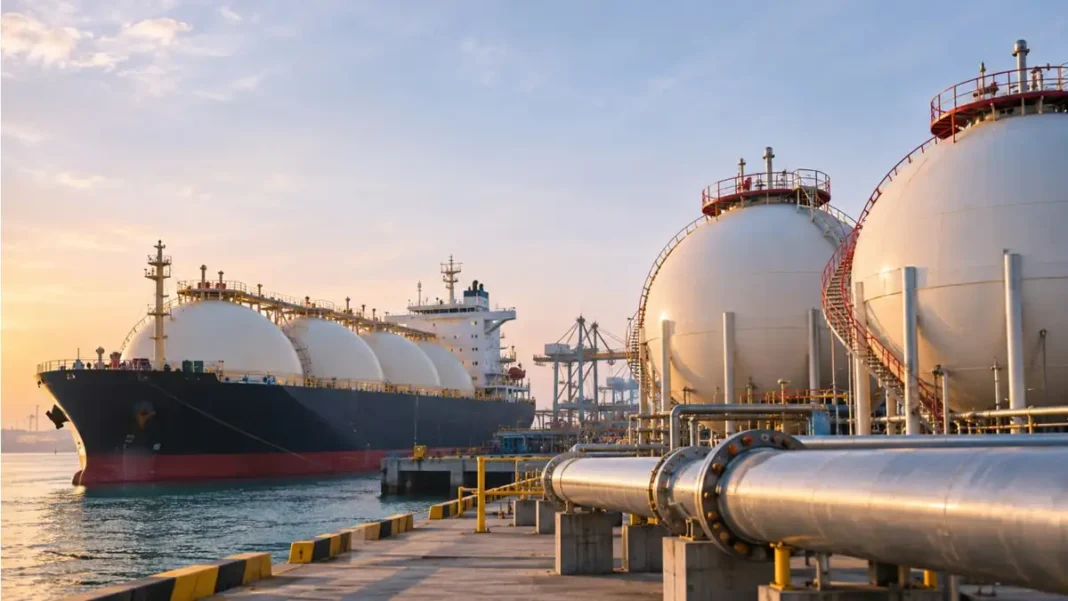
The same cabinet package addresses a second weakness: LPG import infrastructure. Meeting demand through 2035-36 will need about $1 billion over the next three to five years, covering terminals, storage, cylinders, filling plants and transport.
What changes for buyers and sellers
What is LPG pricing deregulation?
It is a proposal to end OGRA’s monthly maximum-price notifications and let LPG prices follow actual import costs, with state firms setting a monthly import-parity base price.
Has the cabinet approved the plan?
No. The proposal has been sent to the cabinet for final approval. Until approval comes, the current pricing system remains in force.
How would low-income users be protected?
A Producer-Price Differential Fund would collect the gap between the import-parity base price and the producer price, and use it for targeted subsidies to households that meet Benazir Income Support Programme or poverty-means-test criteria.
Why does the plan include $1 billion for infrastructure?
Port Qasim’s LPG terminals are small by world standards, at about 6,500 metric tons each, with no refrigerated storage and no link between terminals. The investment would fund larger terminals, storage and transport through 2035-36.
What happens to the LPG Pricing Committee?
The proposal would wind it up and transfer its duties to OGRA, with the Petroleum Division keeping only the job of notifying summer and winter product specifications each year.