Lumpy Skin Disease Meat Seized in Lahore Raid
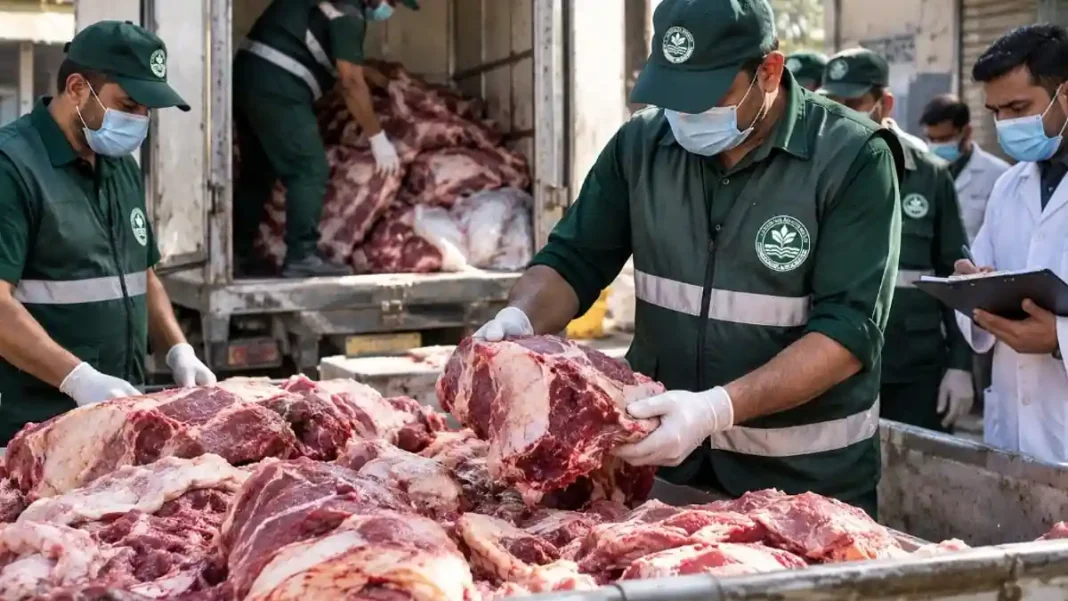
The Punjab Food Authority has destroyed 900 kilograms of lumpy skin disease meat in Lahore after food safety teams found the stock unfit for human consumption. The meat was recovered from a beef shop in the Kot Lakhpat area and destroyed on the spot.
Food safety teams also seized the vehicle used to transport the supply. Punjab Food Authority Director General Mansoor Ahmed said the meat had developed a strong foul smell and had changed colour, clear signs that it should not have reached any shop counter.
A veterinary specialist examined the consignment and declared it unfit for human consumption. The specialist said the supplier had illegally slaughtered animals infected with lumpy skin disease and had prepared their meat for sale in the market.
How the raid unfolded
The operation followed the director general’s instructions, as the authority moved to stop the distribution of unsafe meat before it reached buyers. Teams recovered the meat from the beef shop, checked it, and then destroyed the full 900kg consignment at the site.
The seizure of the transport vehicle matters as well. It cuts off the route the supplier was using and gives investigators a direct lead back to the source of the animals. The report did not state whether a case had been registered against the shop or the supplier, and no arrests were reported in the account of the raid.
For Lahore shoppers, the case is a reminder that meat sold outside the proper slaughter and inspection chain carries a real risk. Licensed shops and inspected slaughterhouses exist so that diseased or spoiled meat is caught before sale, and this consignment shows what can slip through when that chain is bypassed.
What lumpy skin disease meat means for buyers
Lumpy skin disease is a viral disease of cattle. It spreads mainly through biting insects such as flies, mosquitoes and ticks, and it causes fever and nodules under the skin of affected animals. It can cut milk production and damage the health of cattle herds, which is why livestock departments treat outbreaks seriously.
Health experts have also made a distinction that matters for shoppers. Lumpy skin disease does not spread to people, and no human case has ever been reported. The danger in this Lahore case was different. The animals had been slaughtered illegally, and the meat itself was spoiled, foul-smelling and discoloured. That combination made it unfit to eat, whatever the disease status of the animals had been.
Buyers can lower their own risk by buying from licensed shops, checking that meat looks fresh and smells normal, and reporting suspicious meat to the Punjab Food Authority. The authority has run repeated enforcement drives across Punjab, including fines on eateries in Rawalpindi Cantonment and action on food prices in Faisalabad, and food safety checks remain a regular part of its work.
What happens next
The immediate risk from this consignment has ended, because the full 900kg was destroyed rather than returned to any shop. The open question is whether the supplier faces further action, and whether the authority traces the consignment back to the place where the animals were slaughtered.
That follow-up matters for two reasons. First, it would show whether this was a single shop taking a chance or part of a wider supply route. Second, it would test whether the seizure deters other suppliers who might try the same shortcut. Until the authority reports more, shoppers in Kot Lakhpat and nearby areas have only the destroyed consignment as proof that the check worked in this case.
The wider food safety picture in Pakistan gives the raid added weight. A recent FAO-linked assessment found the national food supply falling short of dietary guidelines, and enforcement raids such as the Jamshoro bird trade seizure show the same pattern: rules exist, but they only protect buyers when they are enforced on the ground. Food prices in Faisalabad have also risen past official rates, which can push some buyers toward cheaper, unregulated sellers. That pressure makes visible enforcement even more important.
Why was the meat destroyed instead of returned?
The veterinary specialist declared the meat unfit for human consumption, and the authority destroyed it on the spot so that none of it could be sold or eaten.