Pakistan Paid $16 Billion in Foreign Loan Interest
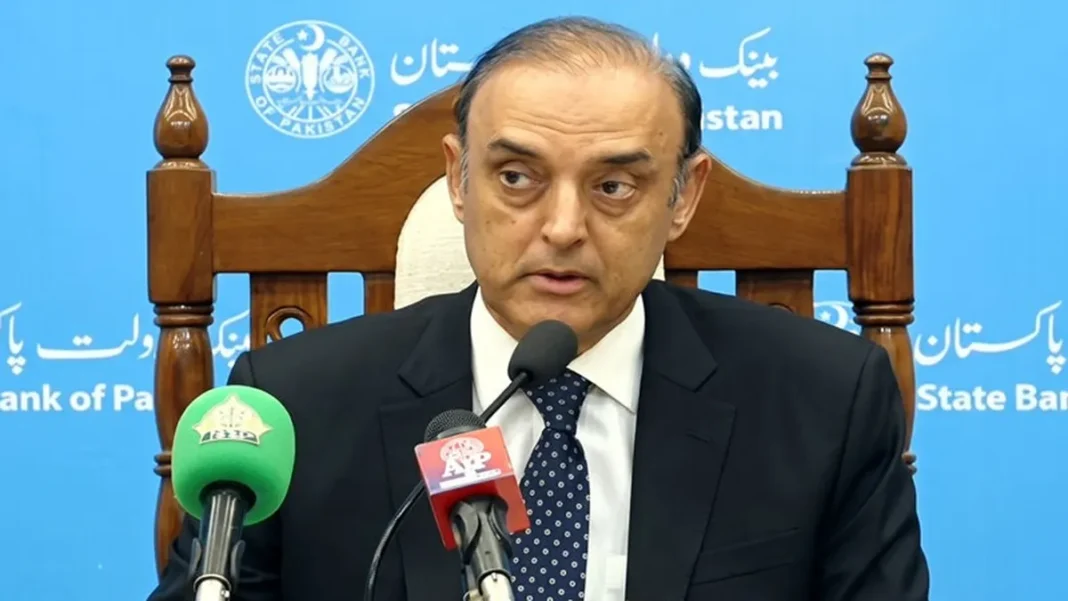
Pakistan has paid around $16 billion in interest on its foreign loans over the past four years, an average of about $4 billion a year, State Bank of Pakistan Governor Jameel Ahmad has said.
Speaking at his post-monetary policy press conference in Karachi on Monday, the governor said the country’s total external debt now stands at around $107 billion. It was already above $100 billion in 2022.
He said that if Pakistan had not borrowed at all, its external debt would have been around $116 billion today because of the interest it paid. The point was that interest alone, even without fresh borrowing, would have pushed the debt stock higher.
Interest paid without new loans
About $10 to $11 billion of this interest was paid with dollars the central bank bought from the market, not with fresh loans. The central bank has bought over $30 billion from the market in this period.
That buying also helped lift reserves from about $3 billion in early 2023, when they covered only two weeks of imports, to around $21.5 billion now. The reserves recovery and the interest payments are therefore two sides of the same story: dollars earned or bought in the market were used both to service debt and to rebuild the buffer.
The governor said external debt grew by only $5 to $6 billion in the last four years, or about $1 to $1.25 billion a year. Between 2015 and 2022, by contrast, it rose by around $6.5 billion every year. On his figures, the pace of new external borrowing has slowed sharply, even though the interest bill remained large.
Interest bill expected to fall
The governor said the quality of Pakistan’s debt has also improved. About 80 percent of external debt now comes from multilateral and bilateral lenders, such as the World Bank and the Asian Development Bank, up from 55 percent in early 2023.
Loans from such lenders usually carry lower interest rates and longer repayment periods than commercial borrowing. A larger share of concessional and official lending helps explain why the governor expects annual interest payments to fall below $3 billion next year, down from the recent average of about $4 billion.
That forecast will matter for the budget. Every billion dollars saved on interest is a billion dollars that does not have to be found from taxes, fresh borrowing, or spending cuts. It also eases pressure on reserves, since less foreign currency leaves the country to service debt.
The remarks came after the central bank raised the policy rate by 50 basis points to 12 percent, a decision Feature Pakistan has already reported. The governor also said the State Bank aims to raise forex reserves to $23 billion by December and $25 billion by June 2027, a target that depends in part on keeping the interest bill under control.
For households and businesses, the immediate effect of the rate rise is higher borrowing costs. For the government, the longer story told at the press conference is different: debt is growing more slowly, its composition is improving, and the interest burden is expected to ease. Whether that easing arrives on schedule will be visible in next year’s debt servicing figures.
How much interest has Pakistan paid on foreign loans?
Pakistan has paid about $16 billion in interest on foreign loans over the past four years, an average of about $4 billion a year, according to the State Bank governor.