Four in Five Workers in Pakistan Lack Job Protection
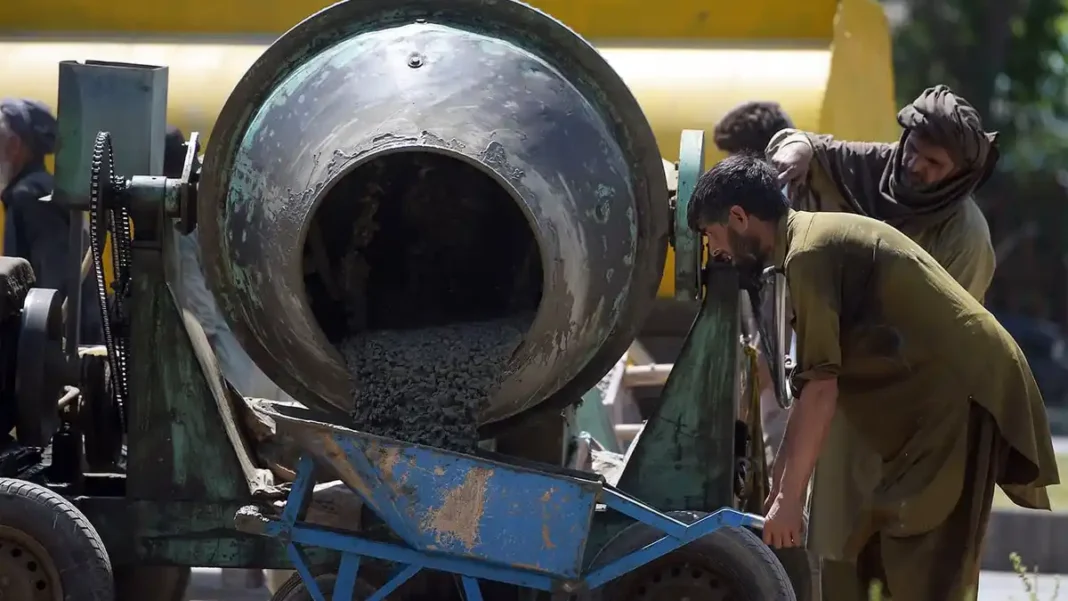
Informal workers in Pakistan number more than four out of five employed people, and most work without formal employment protection. The Pakistan Bureau of Statistics (PBS) Labour Force Survey 2024-25 puts informal employment at 80.8 per cent of all employed people. Formal employment covers only 19.2 per cent.
The figure describes a workforce that keeps the economy running while standing outside the systems meant to protect workers. It includes people who stitch clothes at home, work in households for years without a written contract, and contribute to farm production without recognition as workers. Their work is real, but their protection is thin.
The survey also reports a second figure: 72.1 per cent of non-agricultural employment sits in the informal sector. That figure uses a different measure, but it points the same way. Informality is not a small corner of the labour market. It defines it.
Who counts as informally employed
Informal employment takes many forms. It includes people in small businesses, farm workers, domestic workers, home-based workers and people who earn through arrangements that offer little security. The common thread is weak documentation. Without a written agreement or a reliable record, it becomes hard to prove who owes wages, who sets working hours and who must answer for conditions.
Home-based work shows the scale of the problem. The survey records about 4.6 million employed people working at their own dwelling. That is 6 per cent of all employed people. Women dominate this group. About 19.8 per cent of employed women work at their own dwelling, against 1.8 per cent of employed men.
Many home-based workers receive raw material, finish an order at home and return it for payment. The business that gains from the work may sit several steps away from the person who did it. That distance makes it hard to fix responsibility for pay and conditions.
Domestic work raises a different problem. It happens inside private homes, away from public view. Workers may have no written contract, unclear hours and little power to bargain. Where a worker also depends on the employer for a place to stay or for income, raising a complaint carries real personal risk.
Farm work adds a further layer. Women contribute heavily to farming, but their labour is often treated as part of household duties rather than as employment. That treatment affects their ability to claim wages and social protection.
Informal workers in Pakistan: laws already exist
It would be wrong to say Pakistan has done nothing for these workers. After labour matters moved to the provinces, each province passed laws for at least some of these groups. Sindh passed the Sindh Home-Based Workers Act in 2018. Khyber Pakhtunkhwa passed its Home-Based Workers (Welfare and Protection) Act in 2021. Balochistan followed with its Home-Based Workers Act in 2022. Punjab passed the Punjab Home-Based Workers Act in 2023.
These laws set out frameworks for recognition, wages, working conditions, registration and social benefits for home-based workers.
Other groups have their own laws. Punjab passed the Punjab Domestic Workers Act in 2019, which covers regulation of domestic employment, working conditions, welfare and social protection. Sindh passed the Sindh Women Agricultural Workers Act in 2019. It recognises rights on wages, working hours, maternity leave, access to public services, protection against harassment and the right to form associations.
One clause in the Sindh farm workers law deserves note. Section 12 states that the rights in the relevant chapter apply to women agricultural workers whether they work directly or indirectly, through contractors or male family members, or as paid or unpaid family help. Section 13(7) adds that registration is not a precondition for recognition or protection of those rights.
Where protection still fails in practice
Passing a law is only the first stage. The Sindh home-based workers law shows the gap between recognition and real protection. On June 23, 2025, the Sindh Human Rights Commission held a policy dialogue to review progress under the 2018 Act. Those present named several gaps. They included the absence of a provincial council and verification officers, weak data on home-based workers, difficult registration steps, weak grievance systems, poor coordination between departments and low budget allocations.
These gaps decide whether a worker can use a right at all.
Related coverage: home-based workers trapped on frozen wages, BISP Hunarmand free skills training, Punjab skills training for one million youth, rickshaw drivers cutting meals as LPG prices surge.
Frequently asked questions
How many workers in Pakistan are informally employed?
The PBS Labour Force Survey 2024-25 puts informal employment at 80.8 per cent of employed people. Formal employment covers 19.2 per cent.
What is the difference between informal employment and the informal sector?
They use different measures. Informal employment covers people without formal protection, at 80.8 per cent. The informal sector covers non-agricultural jobs in informal businesses, at 72.1 per cent.
How many people work at home?
About 4.6 million employed people work at their own dwelling, or 6 per cent of all employed people. About 19.8 per cent of employed women do so, against 1.8 per cent of employed men.
Which provinces have home-based worker laws?
Sindh passed its law in 2018, Khyber Pakhtunkhwa in 2021, Balochistan in 2022 and Punjab in 2023. Punjab also has a domestic workers law from 2019, and Sindh has a women agricultural workers law from 2019.
Why do these laws still fail workers?
A June 2025 review of the Sindh law found missing councils and verification officers, weak data, difficult registration, weak grievance systems, poor coordination and low budgets. Those gaps block workers from using rights the law already grants.