PM Orders Action on Petrol Pumps Denying Relief
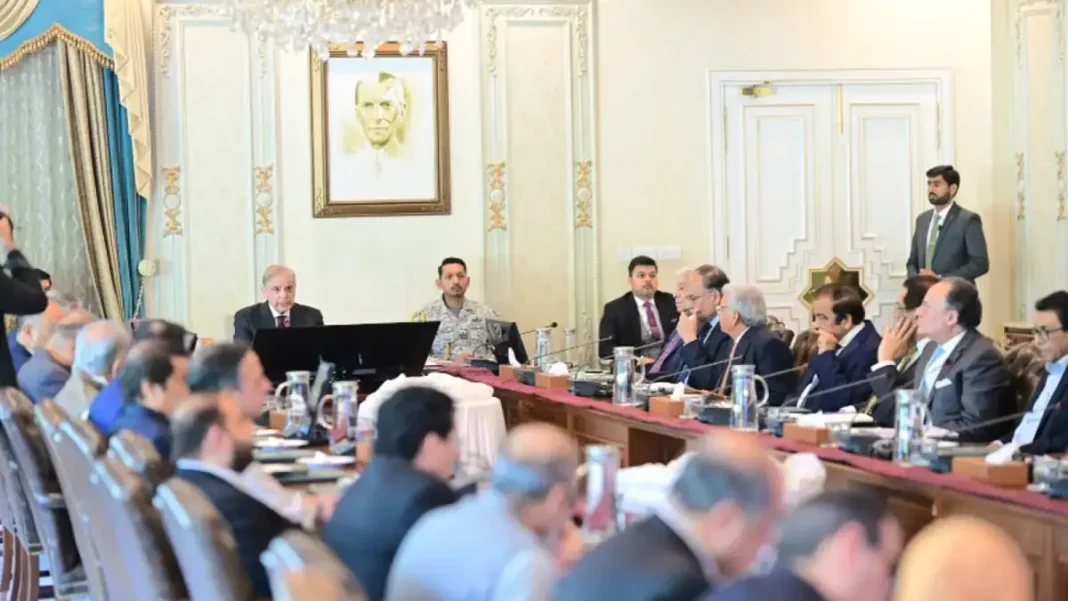
The prime minister has ordered action on petrol pumps denying relief to consumers, after complaints reached the government that some stations were withholding the benefit of the latest fuel price cut. Prime Minister Shehbaz Sharif gave the direction at a federal cabinet meeting on November 4, 2026, and he asked the petroleum minister to take strict action against the outlets involved.
Shehbaz Sharif said authorities had received complaints about some petrol stations withholding relief from the public. He called for strict action against those outlets, to teach them a lesson. The wording was blunt, and it signals that the government views the complaints as a test of whether its price decisions reach ordinary motorists.
The order matters because a fuel price cut only helps consumers if pumps actually charge the new price. A notified price on paper, and the price on the pump display, are two different things. When a station keeps charging the old price, the consumer pays the difference, and the government’s relief never arrives.
Petrol pumps denying relief: what consumers should check
Under the rates effective from November 4, 2026, petrol costs Rs369.06 per litre, after a cut of Rs5.45 per litre. High-speed diesel costs Rs391.52 per litre, after a cut of Rs3.68 per litre. Those are the prices consumers should see at the pump.
Motorists can check three simple things. First, the price displayed on the pump should match the notified rate for that fuel. Second, the receipt, where issued, should show the same rate and the quantity filled. Third, the total charged should match the rate multiplied by the quantity. A mismatch on any of those three points is worth questioning at the station, and worth noting down with the station name, date and time.
The prime minister’s order does not, by itself, name any station or specify a penalty. It directs the petroleum minister to act on the complaints received. Readers should therefore watch for follow-up action, such as inspections or penalties announced by the petroleum ministry, before treating the order as enforced.
The cabinet meeting also covered other fuel issues. Shehbaz Sharif said petrol prices would have increased by Rs15 on Friday, but the government’s timely decision prevented the hike. That claim links the latest relief to an earlier decision, in which the government absorbed pressure that would otherwise have raised prices.
He also declared that the era of the LPG mafia had ended. He said the government would import liquefied petroleum gas to provide relief to consumers. That statement fits with the government’s broader fuel plan, which includes a new LPG policy and subsidised LPG for eligible consumers.
Security and the Rs160 billion KP package
The prime minister also stressed that security remained the first, second and third priority in Khyber Pakhtunkhwa. He added that the government had finalised a Rs160 billion package for the province a day earlier. That package covers development and security work in the province, and it was reviewed at a high-level meeting this week.
The link between fuel relief and security may look odd at first glance. In practice, both issues were on the same cabinet agenda, and both affect household budgets and public confidence. Fuel prices affect transport, food prices and daily travel. Security affects daily life in a different way, but it shapes the same public mood.
For consumers, the practical test of the prime minister’s order is simple: does the pump charge Rs369.06 for petrol and Rs391.52 for diesel? If stations across a city charge those rates, the relief has reached the public. If some stations still charge more, the complaints that prompted the order will continue.
Feature Pakistan reported the latest fuel rates in Petrol Price Cut to Rs369.06 for November 4, and the cabinet meeting behind them in Pakistan Middle East Peace Efforts Continue, PM Says. The refineries’ dispute over the petrol levy was covered in Refineries Urge Reversal of Petrol Levy Differential.
ProPakistani reported the prime minister’s direction on November 4, 2026.
Frequently asked questions
What did the prime minister order on petrol pumps denying relief?
He directed the petroleum minister to take strict action against petrol pumps that fail to pass on relief to consumers, after complaints that some stations were withholding the benefit.
What are the current petrol and diesel prices?
Petrol costs Rs369.06 per litre and high-speed diesel costs Rs391.52 per litre, under rates effective from November 4, 2026.
How much were petrol and diesel cut by?
Petrol was cut by Rs5.45 per litre and diesel by Rs3.68 per litre in the latest revision.
What should motorists check at the pump?
They should check that the displayed price matches the notified rate, that the receipt shows the same rate and quantity, and that the total matches the rate multiplied by the quantity.
Did the prime minister name any petrol station?
No. The order directs the petroleum minister to act on complaints received, but it does not name any station or specify a penalty in the report.
What else did the prime minister say at the cabinet meeting?
He said petrol prices would have risen by Rs15 on Friday without the government’s decision, declared that the LPG mafia’s era had ended, and noted the Rs160 billion package finalised for Khyber Pakhtunkhwa.