Cabinet Ratifies Kuwait Defence Agreement, New Notes
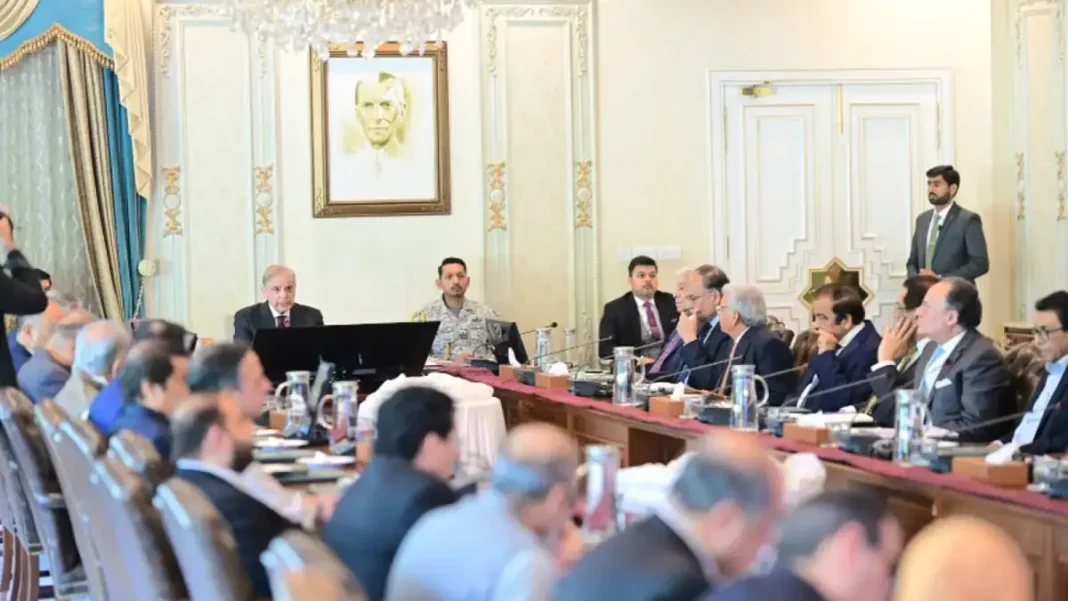
The federal cabinet on November 4, 2026, ratified the Kuwait defence agreement between Pakistan and Kuwait, and it approved a set of further decisions on Khyber Pakhtunkhwa, currency notes and coins. The Prime Minister’s Office (PMO) issued a handout after the meeting, and Dawn reported the decisions on Wednesday evening.
The cabinet ratified a defence cooperation agreement that aims to build cooperation in the defence sector between the two countries. The agreement was concluded on June 11, 2023, according to the handout, and the Kuwaiti government had ratified it on July 19.
The same meeting approved the transfer of powers delegated to the Khyber Pakhtunkhwa chief minister to the province’s governor. The centre declared an emergency and governor’s rule in the province on October 11. The transferred powers cover the conduct of day-to-day affairs during the period of emergency in the province, with the aim of smooth handling of administrative matters and better governance.
The KP governor will submit a monthly review report to the federal government on the exercise of those powers. The cabinet welcomed the decision, and it hoped the KP Advisory Council, under Governor Faisal Karim Kundi, would work for the welfare and prosperity of the province and for peace and security there.
Kuwait defence agreement and the new currency decisions
The cabinet also approved the design of new currency notes, on the recommendation of the Ministry of Finance. The meeting received a detailed briefing on the new notes. Proposals were sought from artists and designers across the country for the design, and a cabinet committee set up by the prime minister held detailed consultations with all stakeholders.
The briefing said the new notes would carry stronger security features to prevent counterfeit notes. Modern materials would also be used, which would extend the lifespan of the notes. The cabinet further approved the introduction of a Rs10 coin in place of the Rs10 banknote.
For readers, the currency decisions are the most practical part of the meeting. A coin lasts longer in daily use than a low-value banknote, and new security features matter because counterfeit notes tend to surface first in small cash transactions. The PMO handout gave no date for the new notes or the coin to enter circulation, so readers should not expect an immediate change at tills and banks.
The KP decision is also significant in practical terms. Monthly review reports create a paper trail for how emergency powers are used across day-to-day administration, not just security decisions.
What the cabinet said on peace, fuel and winter supplies
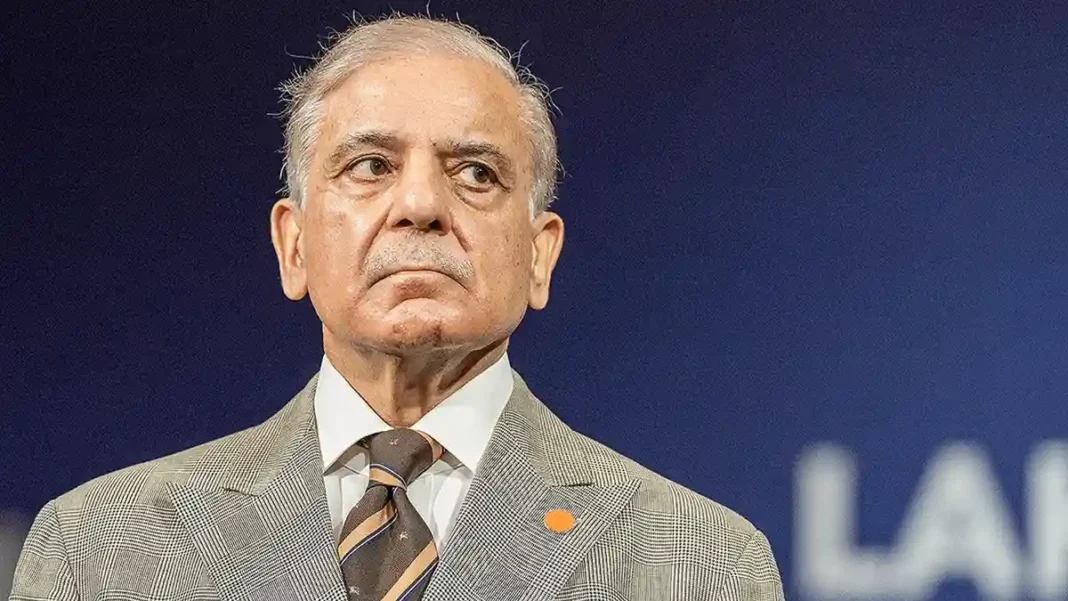
Prime Minister Shehbaz Sharif addressed the cabinet in televised remarks, and he said global oil prices had risen sharply because of instability in the region. He said Pakistan was playing its role, as before, in restoring peace in the region. He recalled Pakistan’s recent engagements with Tehran and other regional actors, as well as engagements under the Makkah Joint Defence Agreement between Pakistan, Saudi Arabia and Turkiye.
Last month, Chief of Defence Forces and Chief of Army Staff Field Marshal Asim Munir, accompanied by Interior Minister Mohsin Naqvi, visited Iran as part of Pakistan’s mediation efforts between Washington and Tehran. In October, under the Makkah Joint Defence Agreement, Field Marshal Munir, the Saudi defence minister and the Turkish spymaster met top Iranian officials in Tehran. Last week, the military’s spokesman said Pakistan remained cautiously optimistic about that mediation.
On Tuesday, the prime minister also recalled that the government had planned to raise fuel prices by Rs15 on Friday. He said Petroleum Minister Ali Pervaiz Malik talked to the refineries to bear the burden in their windfall profits, and the government would not let a common man bear it. The fuel subsidy scheme, launched in September, runs till the end of December, with Rs28 billion spent so far, monitored by the Intelligence Bureau.
On liquefied petroleum gas (LPG), the prime minister said LPG was now being arranged transparently, with imports auctioned in lots to promote competition and profits used to subsidise LPG for the common man. He stressed that the government was working day and night to meet LPG, liquefied natural gas (LNG), petrol and gas needs ahead of winter, despite maritime route closures. LPG supply has been disrupted by the closure of Iranian border crossings, and cylinders have sold at twice the official rate in the open market.
The prime minister also said the federal government had finalised a proposed Rs160 billion package for Khyber Pakhtunkhwa, where security was the first, second and third priority and counterterrorism efforts continued.
Frequently asked questions
What did the cabinet ratify on November 4, 2026?
It ratified the defence cooperation agreement between Pakistan and Kuwait, which was concluded on June 11, 2023, and which Kuwait had ratified on July 19.
What powers moved from the KP chief minister to the governor?
Powers delegated to the chief minister moved to the governor, covering day-to-day affairs during the emergency period, to smooth administrative matters and improve governance.
How will the governor report on those powers?
The KP governor will submit a review report to the federal government every month on the exercise of all such powers.
What did the cabinet decide on currency?
It approved the design of new currency notes, with stronger security features and modern materials to extend their lifespan, and it approved a Rs10 coin in place of the Rs10 banknote.
When will the new notes and the Rs10 coin enter circulation?
The PMO handout gave no date, so no change should be expected at tills and banks until a further announcement is made.
What did the prime minister say on fuel and LPG?
He said a planned Rs15 fuel rise for Friday was averted by asking refineries to bear the burden, the fuel subsidy scheme runs till December with Rs28 billion spent so far, and LPG imports will now be auctioned in lots.