Pakistan poverty rate climbs back to 28.9%
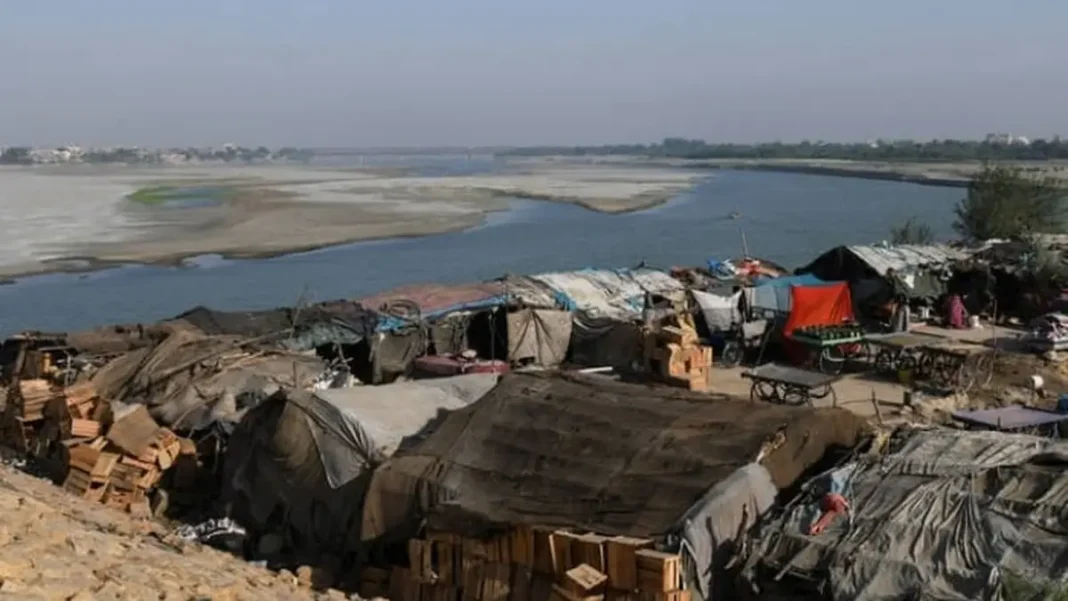
Poverty in Pakistan rose to 28.9 per cent in 2024-25, reversing earlier gains, Planning Minister Ahsan Iqbal has acknowledged. The government is now considering a change in how it measures poverty, so that climate shocks and barriers to opportunity are counted as well.
Iqbal spoke at an event in Islamabad on 28 October 2026 to sign a memorandum of understanding with the Oxford Poverty and Human Development Initiative (OPHI). The Ministry of Planning and OPHI have discussed revising the Multidimensional Poverty Index, which at present is based on health, education and living standards.
Officials said OPHI has proposed adding demographic pressure, climate shocks and new barriers to opportunity to the yardsticks used to measure poverty. The planning ministry said an updated national poverty exercise would draw on the Pakistan Social and Living Standards Measurement Survey 2026-27.
What the new figure shows
The headline number marks a sharp turn from the recent past. Monetary poverty fell from 29.5 per cent in 2013-14 to 24.3 per cent in 2015-16, and the downward trend continued to 21.9 per cent in 2018-19. The latest official estimate puts it at 28.9 per cent in 2024-25.
“The political instability, policy discontinuity, economic crises and climate shocks reversed development gains,” Iqbal said at the event.
A recent World Bank report, cited in the Tribune story, said one out of every two of the poorest people living in the Middle East, North Africa, Afghanistan and Pakistan region were living in Pakistan. The report also noted that Pakistan’s economic growth dipped to 2 per cent in the April to June quarter of this year, below the 2.6 per cent population growth rate. When population grows faster than the economy, poverty and unemployment tend to rise.
The regional picture is uneven. A Tribune editorial on 9 October 2026, reporting the same World Bank figures, put rural poverty at 36.2 per cent and Balochistan at 47 per cent, with unemployment at a 21-year high of 7.1 per cent.
Why the measure may change
The current index looks at health, education and living standards. According to a planning ministry handout, the new exercise would also examine climate vulnerability, insecurity, youth deprivation, gender inequality, digital exclusion, nutrition, stunting and migration.
The renewed work with OPHI will also explore poverty analysis at National and Provincial Assembly constituency level, using data from the 2023 census. Officials said the Pakistan Bureau of Statistics has already developed such analysis, but the government has not yet decided to make it public.
The politics of counting poverty
Changing the measure carries political risk ahead of the 2029 general elections for a ruling alliance in power since April 2022, apart from a brief eight-month caretaker period.
Iqbal has recently spoken against the government’s number-centred economic policies. He has written to Prime Minister Shehbaz Sharif urging a reset of economic policy, and described the current phase of stabilisation as “borrowed and stunted”. In that letter, he warned: “The greatest danger is that Pakistan may successfully stabilise at a structurally low rate of economic growth.”
He argued that Pakistan needed growth well above population growth to create jobs, absorb young entrants to the labour market, reduce poverty and service its debt.
The development spending figures underline his point. The federal Public Sector Development Programme stood at Rs1 trillion in 2017-18, about 19.6 per cent of the federal budget and 2.5 per cent of gross domestic product. The allocation for 2026-27 stands at about Rs1 trillion again, almost unchanged in nominal terms despite higher population, prices and needs. Had the 2017-18 share of the budget been kept, the programme would now exceed Rs3 trillion, Iqbal observed.
He warned that shrinking public investment harmed education, health care, water security, infrastructure and skills, particularly in disadvantaged regions.
What it means for households
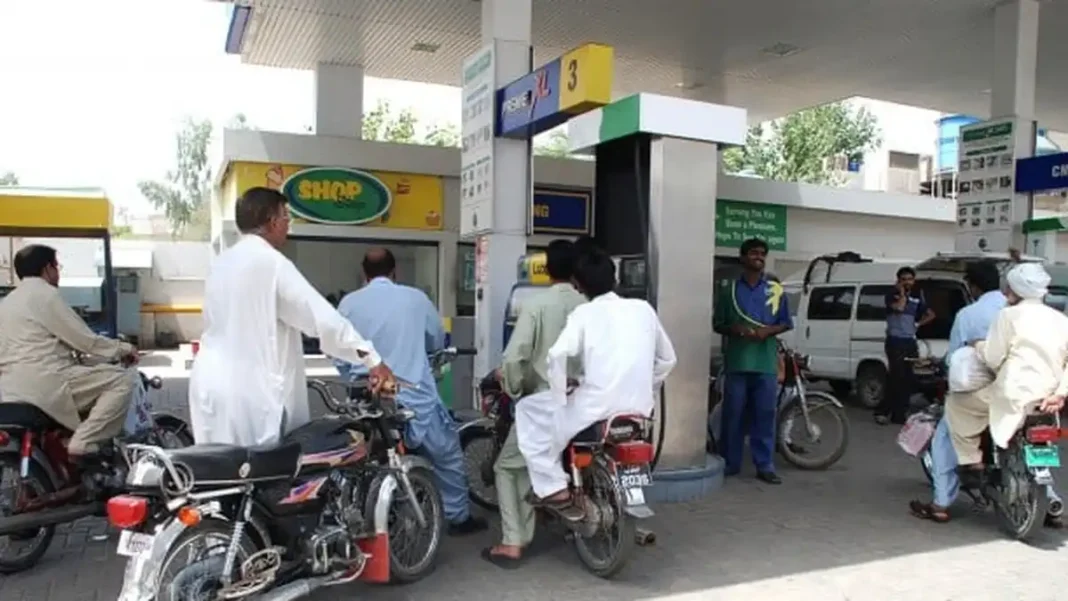
For households, the figure is not abstract. It arrives in the same week petrol rose to Rs377.91 a litre and diesel to Rs399.82 a litre, effective 29 October, feeding straight into transport and food prices.
The government’s main direct response remains the Benazir Income Support Programme, with a budget of Rs716 billion for 2025-26, aiming to support between 10 and 12 million families. Cash transfers of that scale can soften hardship, but they alone cannot reverse structural impoverishment when growth is too low to create good jobs.
- The Express Tribune, “Poverty climbs back to 28.9%” (29 October 2026): https://tribune.com.pk/story/2637469/poverty-climbs-back-to-289
- PKRevenue, “Pakistan Poverty Rate Rises to 28.9% in 2024-25” (28 October 2026, corroborates the Ahsan Iqbal event and figures): https://pkrevenue.com/pakistan-poverty-rate-rises-28-9-percent-2024-25/
- Feature Pakistan, petrol and diesel prices taking effect 29 October 2026: https://featurepakistan.com/petrol-diesel-prices-october-29-2026/