Pakistan and Saudi Arabia Agree to Expand Media, Culture and Tourism Ties
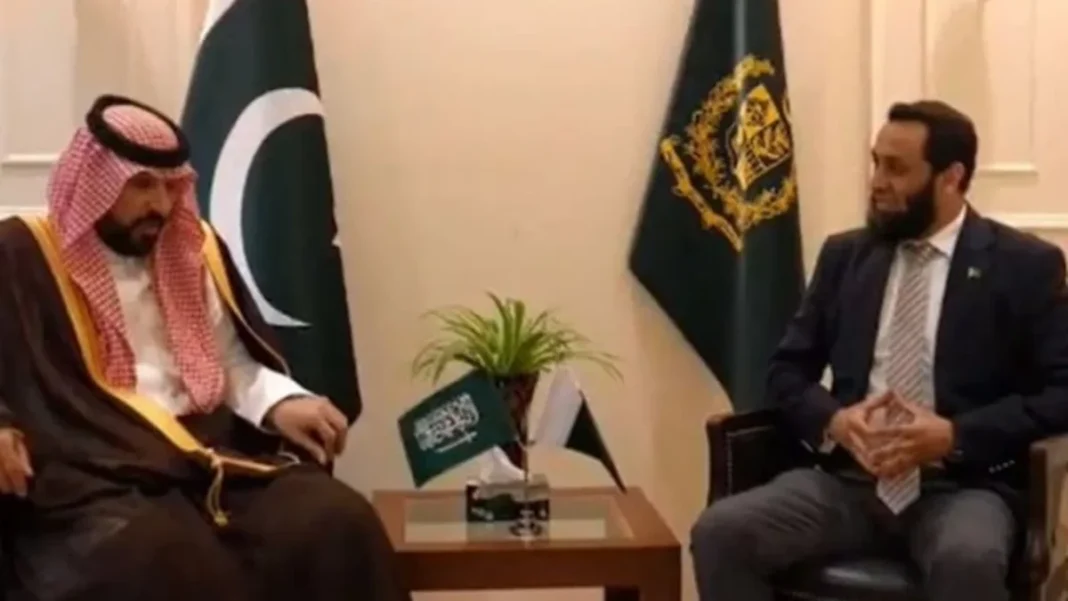
Information Minister Attaullah Tarar and Saudi Ambassador to Pakistan Dr Rajeh Tami Albugamy agreed on Tuesday to further strengthen cooperation between Pakistan and Saudi Arabia in information, broadcasting, media, culture and public relations.
During a meeting in Islamabad, Tarar welcomed the ambassador and congratulated him on his diplomatic assignment. He expressed confidence that the ambassador’s tenure would further strengthen the longstanding ties between the two countries.
Tarar said Pakistan-Saudi Arabia relations were reaching new heights, with wide opportunities for expanding cooperation in media, culture, drama, music, tourism and people-to-people contacts. He said the relationship spanned generations and rested not only on diplomatic and political engagement, but also on shared history, religious bonds and strong public connections.
Pakistan Saudi media culture tourism: what was agreed
Referring to the strategic partnership between the two countries, Tarar said the defence agreement reflected the strength of their cooperation in the defence sector. The media and culture discussion built on that wider relationship, rather than standing apart from it.
Tarar stressed the need for joint initiatives to promote cultural cooperation and introduce Pakistani television dramas in Saudi Arabia. He said Pakistani dramas reflected family values, eastern traditions and Islamic culture, and could serve as an effective medium for bringing the people of the two countries closer.
He also proposed exchanges of delegations comprising writers, poets, artists, musicians, media professionals and digital content creators. The aim, he said, is to strengthen cultural and professional linkages, not only to stage one-off events.
Highlighting Pakistan’s tourism potential, Tarar invited Saudi media representatives, tourists and digital influencers to visit the country’s diverse tourist destinations and explore its natural beauty and historical heritage. He pointed to the transformation of Saudi Arabia’s own cultural sector under Crown Prince Mohammed bin Salman, citing tourism promotion in AlUla and the presentation of the historical and cultural significance of Diriyah as examples of that vision.
The minister also emphasised cooperation to counter misinformation and negative propaganda, strengthen fact-checking mechanisms and develop content reflecting the shared cultural values of the two countries. He proposed a joint working group comprising focal persons and technical teams from both sides to pursue practical cooperation in these areas.
Tarar briefed the ambassador on Pakistan’s use of social media influencers for public awareness and the promotion of key government initiatives. He said a social media post regarding the prime minister’s fuel relief scheme had received more than eight million views.
The Saudi ambassador described the strong brotherly relations between Pakistan and Saudi Arabia, based on mutual trust, respect and political and military cooperation, as a matter of pride. He emphasised the need to further expand collaboration in cultural events, arts, literature and media.
Why dramas and delegations matter more than a photo call
Cultural agreements often fade after the meeting ends. This one has two features that give it a better chance of producing results. First, it names concrete carriers of culture: dramas, writers, poets, artists and digital creators. Second, it proposes a joint working group with focal persons and technical teams, which is the usual mechanism for turning a ministerial agreement into a schedule of visits, broadcasts and events.
Pakistani dramas already travel widely through streaming and satellite television. A formal push into Saudi Arabia would test whether family-centred storytelling, which Tarar cited as a strength, finds a mainstream audience there. That test will depend on language, dubbing or subtitling, and scheduling, none of which were detailed in the meeting readout.
Tourism is the other practical leg. Inviting Saudi influencers and media representatives to visit Pakistan is a low-cost way to generate coverage of northern areas, historical sites and city culture. The harder step is converting visits into repeat travel, which depends on flights, visas, hotels and safety information, areas that sit outside a media and culture agreement.
Tarar also recalled the sacrifice of Pakistani national Farman Ali Khan, who lost his life while saving several people during the 2009 floods in Jeddah. He said the act represented the enduring bonds of love, solidarity and brotherhood between the people of Pakistan and Saudi Arabia. That reference placed the new agreement in a human story, rather than leaving it as a list of sectors.
The meeting comes as Pakistan and Saudi Arabia continue to deepen ties across several fronts, including regional security discussions, as reported here: Iran and Saudi Arabia Say Talks Are Ongoing. Media and culture cooperation will not decide those larger questions, but it shapes how publics in both countries see each other.
The cooperation follows other regional diplomacy, including the Pakistan-Tajikistan trade target, China’s Middle East dialogue push, and Pakistan’s Central Asia gateway role.
Frequently asked questions
Who met to agree the cooperation?
Information Minister Attaullah Tarar met Saudi Ambassador to Pakistan Dr Rajeh Tami Albugamy in Islamabad on Tuesday.
Which fields does the agreement cover?
Information, broadcasting, media, culture, tourism and public relations, including drama, music and people-to-people contacts.
What was proposed on Pakistani dramas?
Tarar stressed joint initiatives to promote cultural cooperation and introduce Pakistani television dramas in Saudi Arabia.
What is the joint working group for?
It would comprise focal persons and technical teams from both sides to pursue practical cooperation in media, culture and related areas.
Why did Tarar mention Farman Ali Khan?
Farman Ali Khan, a Pakistani national, lost his life saving several people during the 2009 floods in Jeddah, and Tarar cited his act as a symbol of ties between the two peoples.