Rupee Gains on Dollar, Falls Against Pound and Euro
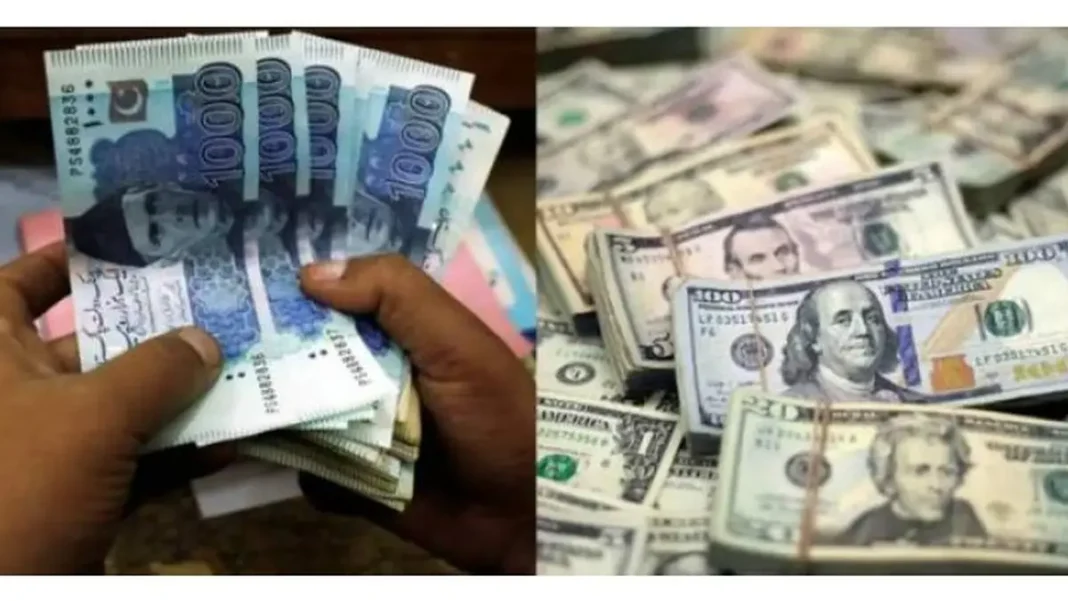
The rupee pound euro rates on Wednesday, November 4, 2026, told a mixed story. The rupee closed stronger against the United States dollar, but lost ground against the British pound and the euro.
The rupee closed at Rs276.70 against the dollar after gaining one paisa during the day. ProPakistani reported that the rupee has now closed stronger against the dollar for 276 straight days, with gains reported consistently since December 25, 2025. That run stands in sharp contrast to the day’s moves against other major currencies.
Rupee pound euro rates: what moved on Wednesday
The rupee lost Rs1.77 against the British pound. It lost Rs1.34 against the euro and 64 paisas against the Australian dollar. It also lost 13 paisas against the Canadian dollar. Against the UAE dirham and the Saudi riyal, the rupee stayed stable.
The table below sets out the interbank rates from the source item. It shows the rupee’s path over four sessions, from October 30 to November 4.
| Currency | October 30 | November 2 | November 3 | November 4 | Change |
|---|---|---|---|---|---|
| US dollar | 276.7522 | 276.7219 | 276.7137 | 276.7040 | +0.0097 |
| Euro | 309.7965 | 310.1775 | 309.7810 | 311.1260 | -1.3450 |
| British pound | 371.1939 | 371.5129 | 371.2391 | 373.0109 | -1.7718 |
| Australian dollar | 194.5015 | 194.3694 | 193.0216 | 193.6651 | -0.6435 |
| Malaysian ringgit | 68.2412 | 67.9907 | 67.8969 | 68.0364 | -0.1395 |
| Chinese yuan | 41.5822 | 41.6389 | 41.4630 | 41.4513 | +0.0117 |
| Canadian dollar | 198.1685 | 198.1610 | 198.1480 | 198.2831 | -0.1351 |
| UAE dirham | 75.3467 | 75.3466 | 75.3434 | 75.3408 | +0.0026 |
| Saudi riyal | 73.7455 | 73.7335 | 73.7235 | 73.7189 | +0.0046 |
In the table, a positive change means the rupee gained, and a negative change means it lost ground. The dollar, yuan, dirham and riyal rows show small gains for the rupee. The pound, euro, Australian dollar, ringgit and Canadian dollar rows show losses.
Why the pound and euro moves matter
The pound and euro rates matter for households and businesses that deal with Britain and Europe. Students who pay fees in pounds, families who receive money from relatives in Britain, and importers who buy goods priced in euros all feel these moves at once. A rise of Rs1.77 in the pound rate adds nearly Rs1,770 to the cost of every £1,000, while a rise of Rs1.34 in the euro rate adds Rs1,340 per €1,000.
The dollar rate often draws the most attention in Pakistan, but it is not the only rate that affects daily life. Remittances from Britain and the Gulf, trade with Europe and study abroad all run through other currencies. A day when the rupee gains slightly against the dollar yet falls against the pound and euro is therefore a mixed day for many households.
The stability against the dirham and riyal also matters. Large numbers of Pakistanis work in the Gulf, and remittances from that region form a key source of foreign exchange. A stable rate against those currencies gives families a clear picture of what their remittances will buy at home.
The longer dollar run in context
The 276-day run of gains against the dollar is striking, even though each daily move is tiny. A gain of one paisa on Wednesday fits the pattern of the whole run. Small daily gains, repeated over months, have kept the dollar rate close to Rs276.70 after starting from a higher level.
That steadiness helps importers and businesses plan costs, since the dollar prices much of Pakistan’s trade. It also helps the State Bank manage reserves, since sharp swings often force sudden policy steps. The other side of the picture is that a stable dollar rate does not mean stable rates against every currency. Pound and euro rates move with global markets too, and Wednesday’s session shows that clearly.
For the wider economy, currency stability supports confidence. Feature Pakistan has reported on the push for export-led growth and on fuel prices that shape household budgets. Exchange rates sit in the same picture. They affect the cost of imports, the value of exports and the real worth of remittances that families receive.
What to watch next
Traders will watch whether the pound and euro losses extend into the next session or reverse. A single day’s move does not set a trend, but two or three days in the same direction would signal a shift. They will also watch the dollar rate, to see whether the long run of small gains holds.
Related coverage: gold price jumping Rs13,900 per tola, petrol price cut for November 4, action on petrol pumps denying relief, Bank of Punjab Mastercard World Elite cards.
Frequently asked questions
What was the rupee dollar rate on November 4, 2026?
The rupee closed at Rs276.70 against the dollar, after gaining one paisa during the day.
How much did the rupee lose against the pound and euro?
It lost Rs1.77 against the British pound and Rs1.34 against the euro. It also lost 64 paisas against the Australian dollar.
Was the rupee stable against any currency?
Yes. It stayed stable against the UAE dirham and the Saudi riyal, and it gained slightly against the Chinese yuan.
How long has the rupee gained against the dollar?
ProPakistani reported 276 straight days of gains against the dollar, with gains reported consistently since December 25, 2025.
Why do pound and euro rates matter in Pakistan?
They affect students who pay fees in Britain, families who receive money from relatives there, and businesses that trade with Europe. A higher pound or euro rate raises the rupee cost of those payments.