The SBP rate hike reaction has split Pakistan’s business community, with foreign investors welcoming the move and local industry warning that it will hurt growth, Dawn reported. The State Bank of Pakistan raised its policy rate by 50 basis points to 12 per cent on Monday, and the new rate took effect on Tuesday, October 27.
The Monetary Policy Committee approved the increase by nine votes to one. The central bank said the decision was needed to anchor inflation expectations and stop a supply-side shock from feeding into broader prices. It aims to bring inflation back into its target range of 5 to 7 per cent.
This follow-up covers the reaction to that decision. The decision itself, announced by the State Bank on Monday, is covered in Feature Pakistan’s report on the 12 per cent policy rate.
Who welcomed the SBP rate hike reaction
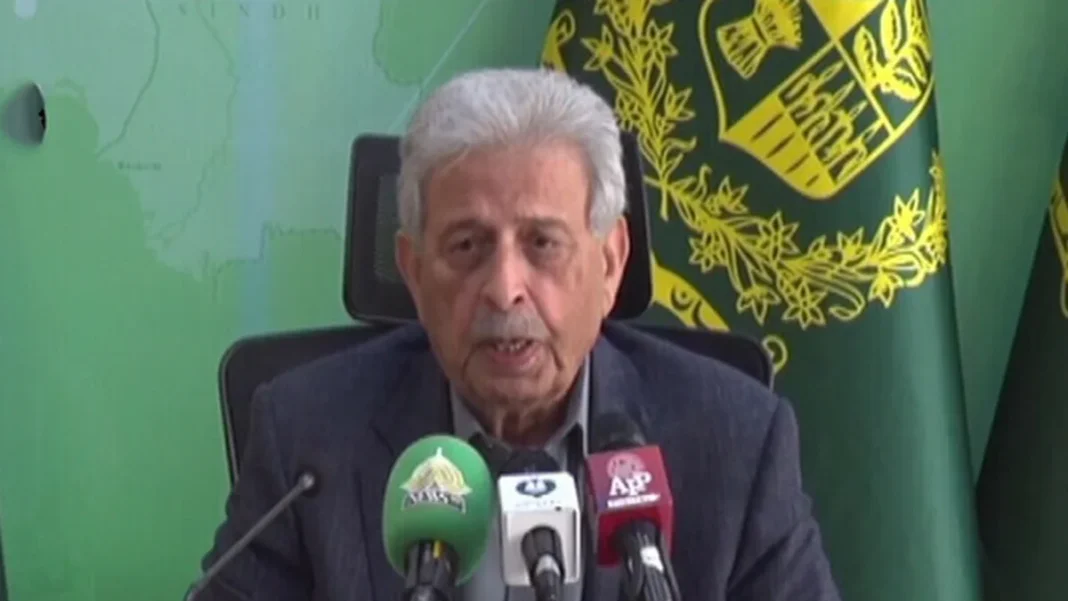
M. Abdul Aleem, Secretary General of the Overseas Investors Chamber of Commerce and Industry, backed the move. He said it was needed to contain inflationary pressure and protect macroeconomic stability at a time of global energy price risks.
He also pointed to signs of recovery that must be protected: large-scale manufacturing grew 1.9 per cent year-on-year in July and August, while private-sector credit expanded 14.1 per cent. He called for targeted supply-side reforms, fiscal discipline, competitive energy tariffs, a broader tax base, and predictable taxation and regulatory policies alongside the rate decision.
Why industry opposed the hike
The Federation of Pakistan Chambers of Commerce and Industry took the opposite view. Its president, Atif Ikram Sheikh, said raising the policy rate to what he called an uncompetitive 12 per cent would further inflate borrowing costs for manufacturers. Those firms already face high overheads, soaring utility tariffs and liquidity constraints, he said.
Sheikh argued that inflation in Pakistan is driven largely by supply-side bottlenecks, energy costs and fiscal anomalies, rather than excess demand. Tight monetary policy, in his argument, has crippled domestic manufacturing instead of curbing that kind of inflation. He urged the government and the State Bank to bring the policy rate down to single digits, so credit becomes affordable for trade, small and medium enterprises, and large-scale manufacturing, and to align rates with regional benchmarks.
Karachi Chamber President Talat Mahmood, SITE Association President Abdul Hadi, Korangi Association President Sheikh Umer Rehan and textile exporters chief Rehan Naseem Bharara echoed that warning in similar terms: higher rates will raise the cost of doing business, discourage investment, and weaken export competitiveness.
What the 12 per cent rate means for borrowers
A policy rate shapes the cost of borrowing across the economy. A rise of 50 basis points equals half a percentage point, and Monday’s move lifted the rate from 11.5 per cent to 12 per cent. For a manufacturer borrowing working capital, that means larger interest payments on the same loan. For a household, it can mean costlier car and home finance. That is why the same decision can look like discipline to an investor and like a penalty to a factory owner.
The central bank’s own figures explain why it acted despite the recovery. Consumer inflation accelerated to 10.3 per cent year-on-year in September, above the committee’s expectations, as higher energy and wheat prices contributed to the increase. Core inflation remained high at around 8.4 per cent. The committee named the renewed escalation of the Middle East conflict and domestic wheat supply disruptions as the two principal factors keeping inflation high. It kept its projection for real GDP growth at 3.5 to 4.5 per cent for the current fiscal year.
What happens next
The debate now turns on whether inflation eases enough to allow a reversal. If those pressures fade, industry will press again for a return to single digits.
The decision also lands in a week of heavy fuel-price pressure. Petrol now retails at Rs379.25 per litre and high-speed diesel at Rs395.82 per litre under the October 27 revision. The government has also set wheat reserves of up to six million tonnes to guard against shortages. Before the decision, traders had already pushed the market lower: the PSX opened lower on Monday as investors awaited the rate decision.