Balochistan Assembly drops Sardari system resolution
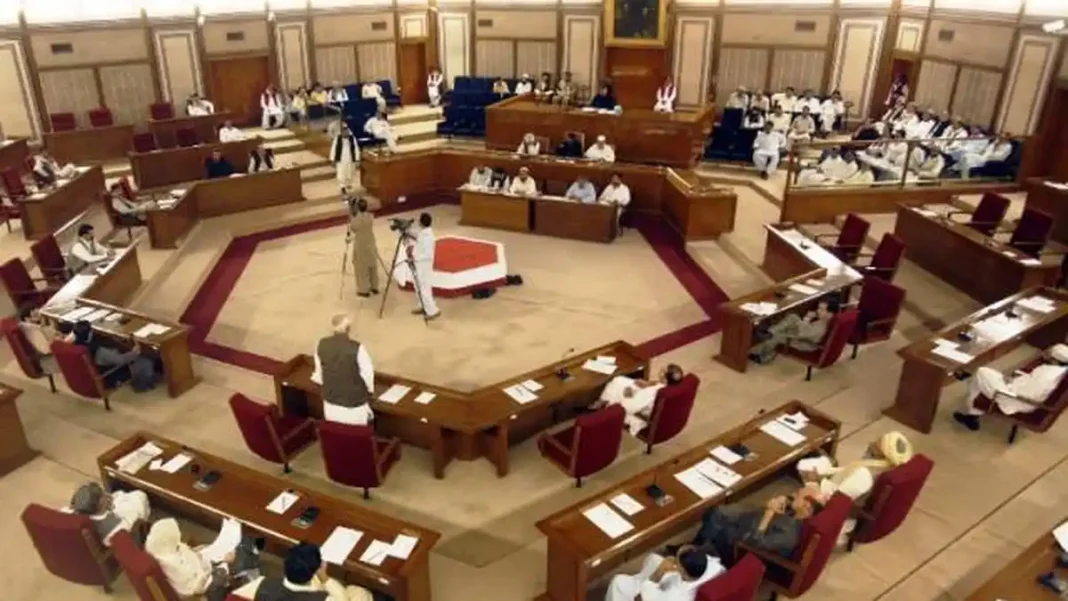
A resolution seeking the immediate abolition of the traditional Sardari system in Balochistan and a ban on the use of the titles Sardar and Nawab in speech and writing could not be moved in the Balochistan Assembly on Monday.
The proposal, listed on the agenda by Jamaat-e-Islami member Maulana Hidayatur Rahman Baloch, was disposed of by the Speaker after a review of existing legal and judicial records.
What the Speaker ruled
Speaker Captain (retired) Abdul Khaliq Achakzai informed the House that the available legal and judicial record had been examined. He stated that the Sardari system had already been abolished through an Act passed in 1976, which remains in force across the entire country.
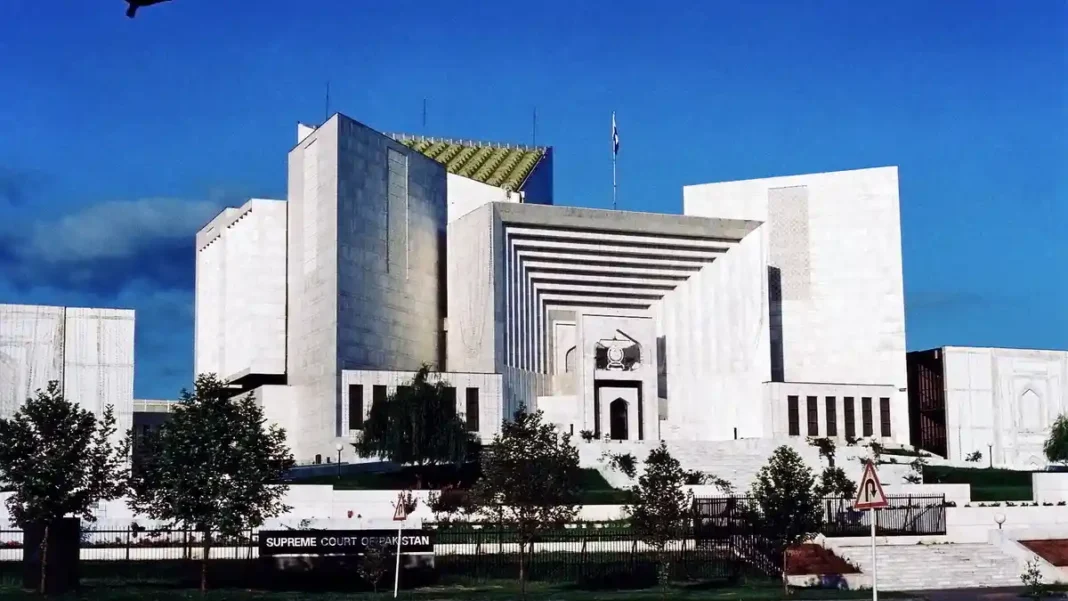
In addition, judgments of the Balochistan High Court on the matter exist, and the Federal Constitutional Court upheld those decisions on 6 March 2026.
Taking this legal and judicial position into account, the Speaker ruled that the resolution moved by Maulana Hidayat stood disposed of.
The ruling rests on a simple legal logic. A resolution asking the House to abolish a system that the law has already abolished, and that the courts have already dealt with, adds nothing to the statute book. The Speaker’s view was that the matter was already settled in law, even if it remains contested in politics and society.
The exchange that followed
Following the ruling, Hidayatur Rahman rose on a point of order and insisted that the resolution had been included in the agenda. He announced that he would revise the text and present it again.
At this stage, Leader of the Opposition Mir Younas Aziz Zehri intervened on a point of order, arguing that once the Speaker had disposed of the resolution, the subject could not be reopened for discussion.
Hidayatur Rahman retorted by asking why his remarks were causing discomfort to the opposition. The exchange quickly grew heated, with both members trading sharp and sarcastic remarks that made it difficult for others in the chamber to hear.
Government members weigh in
Parliamentary Secretary Agha Umar Ahmedzai entered the debate, observing that the Sardari system had existed for thousands of years and was not the creation of any single individual.
He said that if any person was guilty of oppression or injustice, that individual should be identified and held accountable. It was unfair, he argued, to level blanket accusations against all Sardars.
Another Parliamentary Secretary, Nawabzada Zarrin Magsi, supported the Speaker’s ruling, stating that the resolution had already been disposed of and further discussion was unnecessary. Anyone wishing to pursue the matter, he added, should bring a fresh resolution before the Assembly.
A clarification, then quorum lost
Speaker Achakzai clarified that while he had disposed of the resolution, Hidayat was essentially demanding implementation of the legislation already enacted against the Sardari system, and that his point deserved to be heard.
Before the discussion could proceed further, however, the House lost its quorum. The Speaker therefore adjourned the session of the Balochistan Assembly until 3 pm on 10 November.
Why the issue still matters
The episode highlights the sensitivity that continues to surround the traditional tribal hierarchy in Balochistan, even decades after formal legal measures were taken to dismantle it.
The 1976 Act abolished the system in law. The Balochistan High Court and the Federal Constitutional Court have upheld that position. Yet the titles Sardar and Nawab remain in use, and the social influence associated with them remains a live political question.
Hidayatur Rahman’s resolution sought to address that gap by calling for an immediate abolition and a ban on the titles in speech and writing. The Speaker’s ruling says the law already does the first part. It does not, by itself, settle the second part: how titles and influence operate in practice, and what implementation of the existing law should look like on the ground.
That implementation question is now the live issue. A fresh resolution, if one is presented, would need to frame itself not as a new abolition, but as a demand for enforcement of a law that has stood since 1976.
Why was the resolution dropped?
The Speaker ruled that the Sardari system was already abolished by a 1976 Act, backed by Balochistan High Court judgments and a Federal Constitutional Court decision of 6 March 2026.
Who moved the resolution?
Jamaat-e-Islami member Maulana Hidayatur Rahman Baloch, who said he would revise the text and present it again.
What happened to the session?
The House lost its quorum during the debate, and the Speaker adjourned the session until 3 pm on 10 November.
—
- The Express Tribune, “Assembly drops sardari system resolution” (27 October 2026): https://tribune.com.pk/story/2637147/assembly-drops-sardari-system-resolution