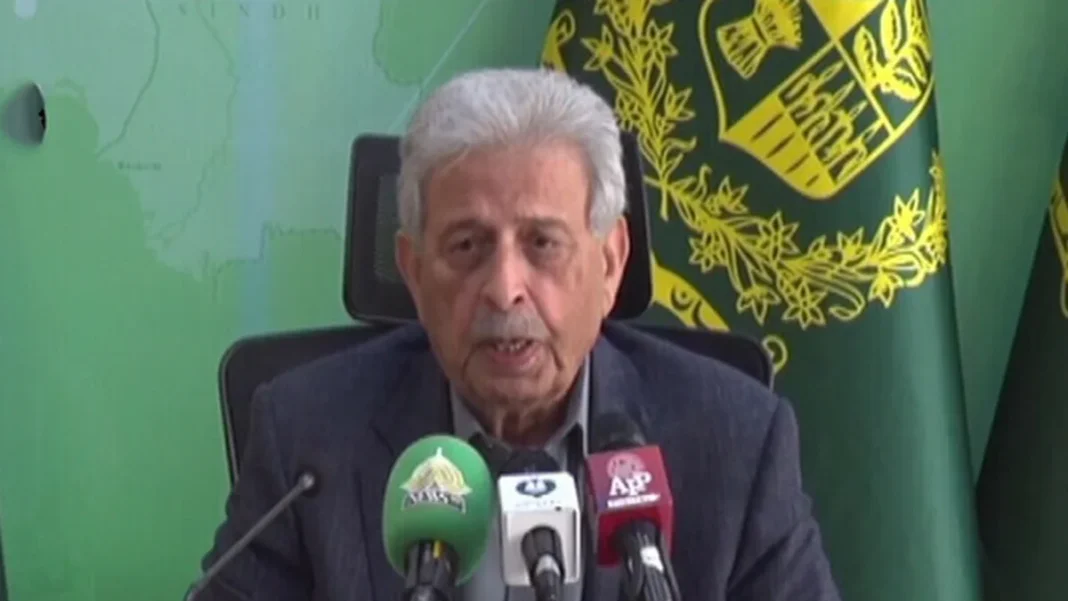
Pakistan wheat reserves of up to six million tonnes will be maintained to ensure uninterrupted supply, Food Security Minister Rana Tanveer Hussain announced on Monday. He said there would be no shortage of wheat in the country this year, as adequate arrangements were in place to meet national requirements.
Speaking at a press conference in Islamabad, the minister said the reserves would help ensure uninterrupted supplies and protect the country against potential market disruptions.
The new support price for farmers
The announcement came days after Prime Minister Shehbaz Sharif announced an indicative price of Rs4,500 per maund of wheat for 2027. That figure raises the price by Rs1,000 from last year.
Mr Hussain said the government had fixed the indicative wheat support price at Rs4,500 per 40kg after extensive consultations with all provincial governments. He argued that the enhanced support price would maintain stability in the domestic wheat market and enable the country to export wheat next year.
The decision reflected an approach aimed at safeguarding farmers’ interests, he contended. He explained that imported wheat would also cost approximately Rs4,500 per maund, which made domestic procurement a more suitable option. The government would prioritise Pakistani farmers rather than rely unnecessarily on imported wheat, he added.
Pakistan wheat reserves: what has already been released
Giving details of wheat supplies, the minister disclosed that more than 1.3 million metric tonnes of wheat had been provided to the provinces from stocks of the Pakistan Agricultural Storage and Services Corporation (Passco).
He further stated that arrangements could be made to import up to 550,000 metric tonnes of wheat in accordance with provincial requirements and demand. That import option acts as a buffer, to be used only as provinces need it.
The price hike the minister calls artificial
Mr Hussain expressed concern over recent fluctuations in wheat prices. He described the prevailing price hike as artificial and manipulated by certain market elements.
He maintained that sufficient wheat stocks were available in the country, and he expressed confidence that prices would return to normal within the next few days. The government was closely monitoring market developments, he said, and would take necessary measures to discourage artificial shortages, speculative practices and unjustified price increases.
On broader reforms, the minister said the government had formulated policies on seeds, olives and biotechnology, and that quality seeds, modern technology and better regulation were essential for productivity and lower production costs.
“Agriculture remains the backbone of Pakistan’s economy,” he said. “Sustainable agricultural development is indispensable for national economic stability, rural prosperity and long-term food security.”
What farmers’ representatives say
Endorsing the government’s pledge to export wheat next year, Pakistan Kissan Ittehad President Khalid Mahmood Khokhar appreciated the decision to fix the indicative wheat price at Rs4,500 per 40kg. He expressed satisfaction over the consultation process and acknowledged the importance of giving farmers a predictable and reasonable price for their produce.
The endorsement matters because the association had taken a tougher line last month. It had demanded a Rs5,000 per 40kg support price for wheat, warning that farmers might not sow wheat for the next season if the government delayed announcing crop policies. The association had maintained that farmers were unable to afford balanced fertiliser use because they were not recovering production costs.
The gap between the Rs5,000 demand and the Rs4,500 announcement is therefore the number to watch. The government argues that the new price, combined with reserves of up to six million tonnes and the import buffer, gives farmers a predictable return while keeping flour affordable. Farmers’ groups will judge that claim by what they receive at procurement time, and by whether retail prices settle as the minister predicts.
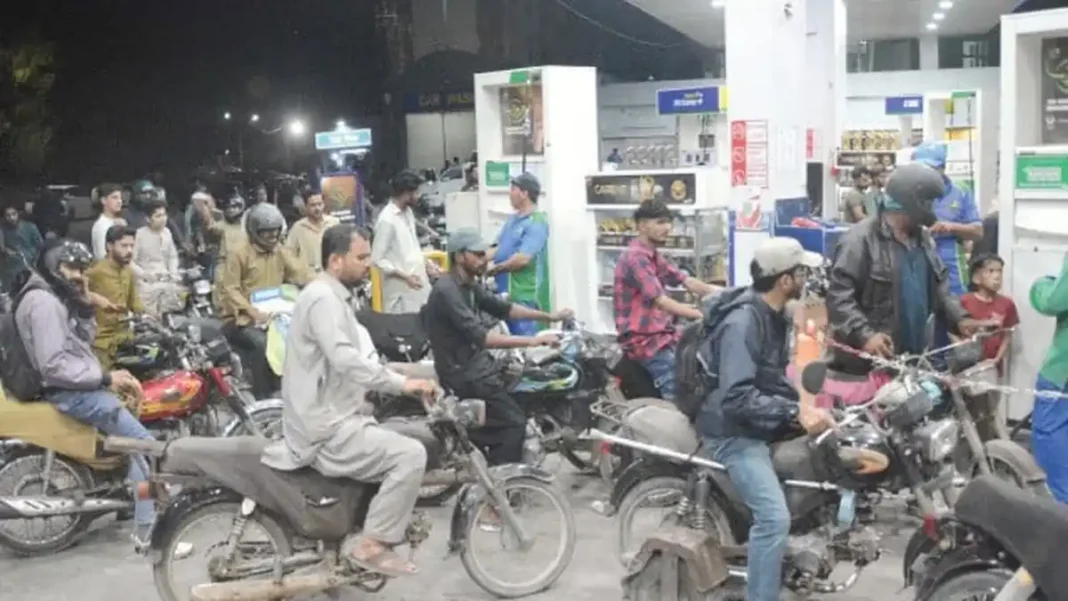
The wheat announcement also lands in a week of price pressure on several fronts. Petrol now retails at Rs379.25 per litre and high-speed diesel at Rs395.82 per litre, the State Bank has raised the policy rate to 12 per cent to contain inflation, dry fruit prices have risen in Quetta ahead of winter, and the stock market gained 663 points after the rate decision.
Frequently asked questions
How much wheat will Pakistan hold in reserve?
The government will maintain strategic wheat reserves of up to six million tonnes, according to Food Security Minister Rana Tanveer Hussain.