Pakistan Seeks US Refinery Investment in Upgrades
Pakistan has asked US financial institutions to invest in its oil refinery upgradation programme, as Islamabad and Washington discussed closer cooperation in the energy sector on Monday.
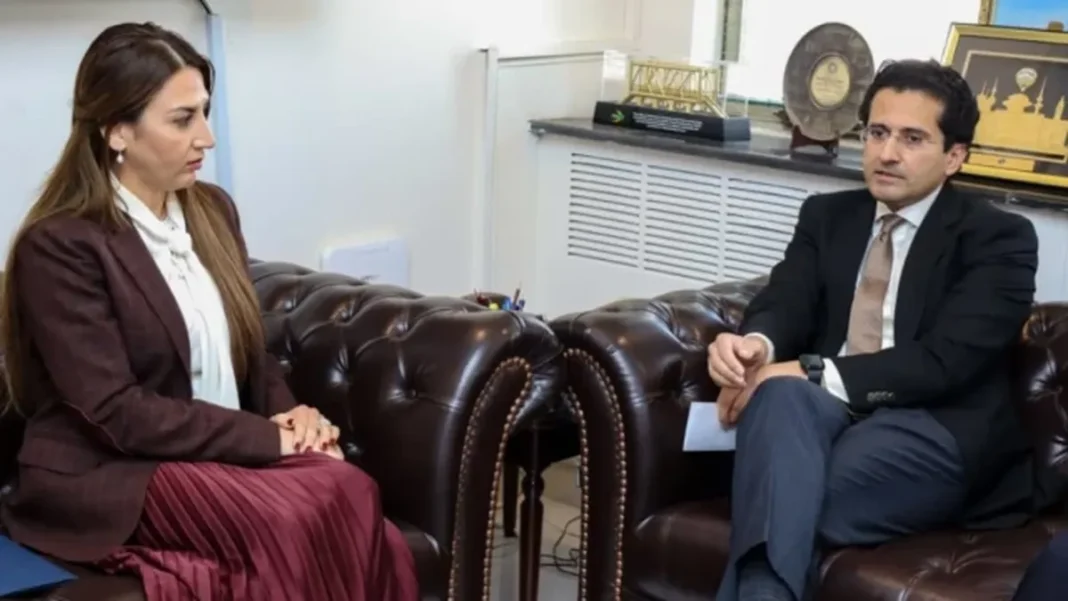
The request came during a meeting in Islamabad between Petroleum Minister Ali Pervaiz Malik and US Charge d’Affaires Natalie Baker. An official statement said the two sides discussed ways to increase cooperation in energy at a time when the conflict in the Middle East has made fuel supplies harder to secure.
Malik briefed the US envoy on the steps Pakistan is taking to ensure energy security amid the changing regional situation. He said the conflict had created challenges for fuel availability, and that Pakistan needed proactive measures to keep supplies running without interruption.
What Pakistan offered US investors
The minister told Baker that Pakistan’s refinery upgradation programme could offer investment opportunities for US financial institutions. The programme aims to modernise the country’s refineries, and the government is presenting it as a concrete opening for American capital rather than a general appeal for support.
Baker congratulated Pakistan on managing its fuel supply situation efficiently, noting that the country had not faced a fuel shortage despite the difficult regional circumstances. She said the United States wanted to work closely with Pakistan to address its energy needs.
She also stressed the importance of creating opportunities for US companies in Pakistan, and expressed optimism about long-term energy supply contracts. Such contracts, she said, would benefit both countries and open business opportunities for American firms.
LNG interest also on the table
The meeting also covered liquefied natural gas. The managing directors of Pakistan State Oil and Pakistan LNG Limited briefed the participants on the interest shown by US companies in supplying LNG to Pakistan.
That interest matters because LNG imports are a major part of Pakistan’s energy bill, and long-term supply deals could give buyers more certainty on price and availability than short-term spot purchases. The discussion did not announce any signed contract, and no investment figure for the refinery programme was disclosed.
Business Recorder reported an additional point from the meeting: Malik invited US companies to take part in the upcoming Pakistan Minerals Investment Forum, pointing to investment opportunities in the minerals sector as well. The invitation shows the government is using the same engagement to promote investment beyond the energy sector.
Why the timing matters
The refinery pitch comes as Pakistan is trying to lock in cheaper and more stable energy supplies while regional tensions keep oil and gas markets unsettled. Feature Pakistan has already reported Pakistan’s parallel efforts to secure long-term financing for oil, including its request to Saudi Arabia for a longer-term oil facility, and the recent collapse of the Port Qasim LNG terminal plan after policy changes.
Against that background, the US meeting is best read as one part of a wider search for partners: refinery upgrades to improve domestic processing, LNG supply deals to cover import needs, and investment forums to attract foreign capital.
The government has not said which refineries are covered by the upgradation programme, what share foreign investors could hold, or when any deal might be completed. Those details will decide whether Monday’s discussion turns into investment, or remains a statement of intent.
For now, the concrete outcome is the dialogue itself: both sides have said they want to work together on energy, Pakistan has named refinery upgrades as the investment opening, and US companies have signalled interest in LNG supply. The next test will be whether those talks produce a signed agreement.
Has Pakistan signed a US refinery investment deal?
No. Pakistan has invited US financial institutions to invest in its refinery upgradation programme, but no deal, investor name, or investment amount was announced after Monday’s meeting.