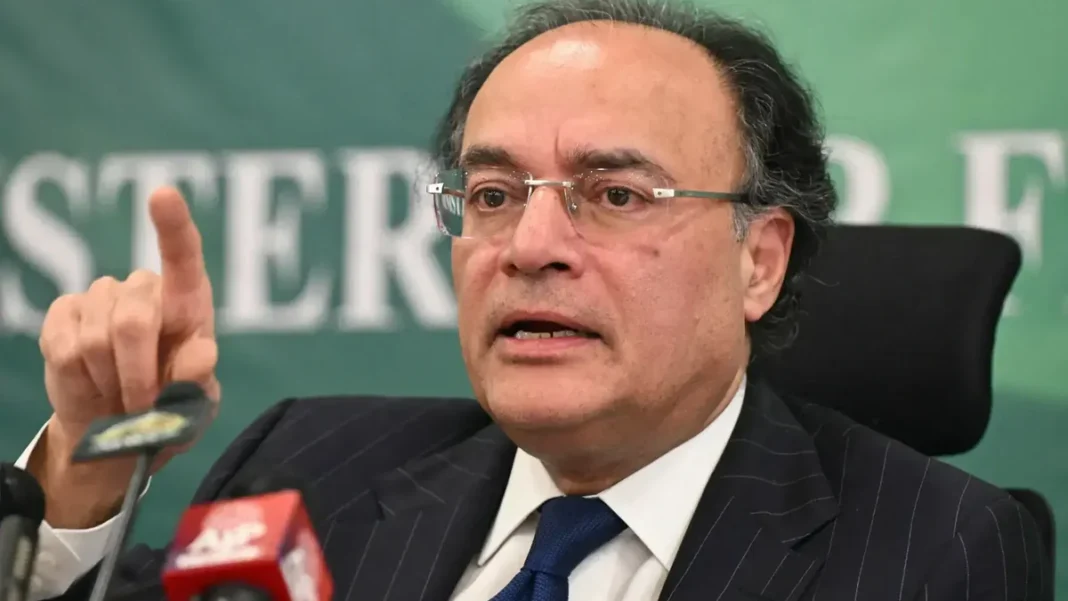
Pakistan has raised the cash transaction report limit to Rs3 million, up from Rs2 million, a rise of 50 per cent. Banks will now file a Currency Transaction Report (CTR) with the State Bank of Pakistan’s Financial Monitoring Unit (FMU) when a cash transaction reaches or passes the new limit.
The change was approved by the National Executive Committee (NEC) on Anti-Money Laundering and Countering Financing of Terrorism (AML-CFT), chaired by Finance Minister Muhammad Aurangzeb. The committee sets reporting limits for banks and other agencies that handle financial transactions, through notifications in the official Gazette.
Cash transaction report limit: what changes and what does not
A CTR is a routine report tied to size alone. It applies when a cash transaction equals or passes the set threshold, whether or not anything about the transaction looks wrong. That is different from a Suspicious Transaction Report (STR), which a reporting entity files when a transaction or activity points to money laundering or terrorism financing.
The distinction matters for ordinary bank customers. A cash deposit of Rs2.5 million will no longer trigger a CTR on size alone, because it sits below the new line. But a bank must still file an STR if the activity itself raises suspicion, whatever the amount. The higher threshold changes the automatic reporting line, not the duty to report suspicious activity.
The FMU sits at the centre of this system under the Anti-Money Laundering Act (AMLA). It receives CTRs and STRs, studies them, and can seek the full record of a transaction from any agency or person in Pakistan, who must hand it over promptly. It then shares its analysis, on a confidential basis, with investigating or prosecuting agencies, or with foreign financial intelligence units under reciprocal arrangements.
Piracy and crypto brought under the same law
The same NEC meeting approved two wider changes to the AMLA schedules. First, Section 28 of the Pakistan Maritime Zones Act 2023 will enter Schedule I of the AMLA, making maritime piracy a predicate offence. Section 28 defines piracy as an illegal act of violence, detention or depredation, committed for private ends and directed against another ship or aircraft, or people or property on board.
Second, the Pakistan Virtual Assets Regulatory Authority (PVARA) will enter Schedule IV of the AMLA. That gives the crypto body regulatory powers over virtual and digital assets for AML-CFT purposes, alongside the State Bank, the Securities and Exchange Commission of Pakistan and the Federal Board of Revenue.
An official statement said the meeting reviewed compliance with past decisions, the FMU’s performance, institutional capacity, and work involving artificial intelligence and machine learning. Aurangzeb stressed regular follow-up, stronger coordination, and a clear roadmap with set timelines to build the FMU’s capacity. The committee also stressed keeping the framework responsive to changing risks and new technology.
Why this fits a wider tightening of the net
This decision lands as Pakistan widens its financial crime controls. Feature Pakistan reported the Securities and Exchange Commission’s new terror financing guidebook for regulated firms in SECP Issues New Terror Financing Guidebook for Regulated Firms, which told firms to screen against sanctions lists and to freeze and report designated assets.
Enforcement has moved in step. The Federal Investigation Agency arrested five people, including a bank branch manager, over an alleged hawala-hundi network in Karachi in FIA Arrests Five Over Alleged Hawala-Hundi Network in Karachi. Punjab Police officers were also set to receive anti-money laundering training in China in Punjab Police to Get Anti-Money Laundering Training in China. And the State Bank lifted its ban on crypto companies in SBP Lifts Ban on Crypto Companies and Allows Legal Operations, which makes formal oversight of digital assets more pressing.
Read together, the pattern is clear. Pakistan is bringing more activity inside the regulated system, through guidebooks, training, enforcement and now PVARA, while raising the automatic cash reporting line so routine reports focus on larger sums.
What happens next
The new threshold takes effect through the Gazette notification process the NEC uses for such limits. Banks will adjust their systems to the Rs3 million line. The test of the change will be whether fewer automatic reports still leave the FMU with a clear view of large cash flows, and whether the new piracy and crypto powers are used in practice.