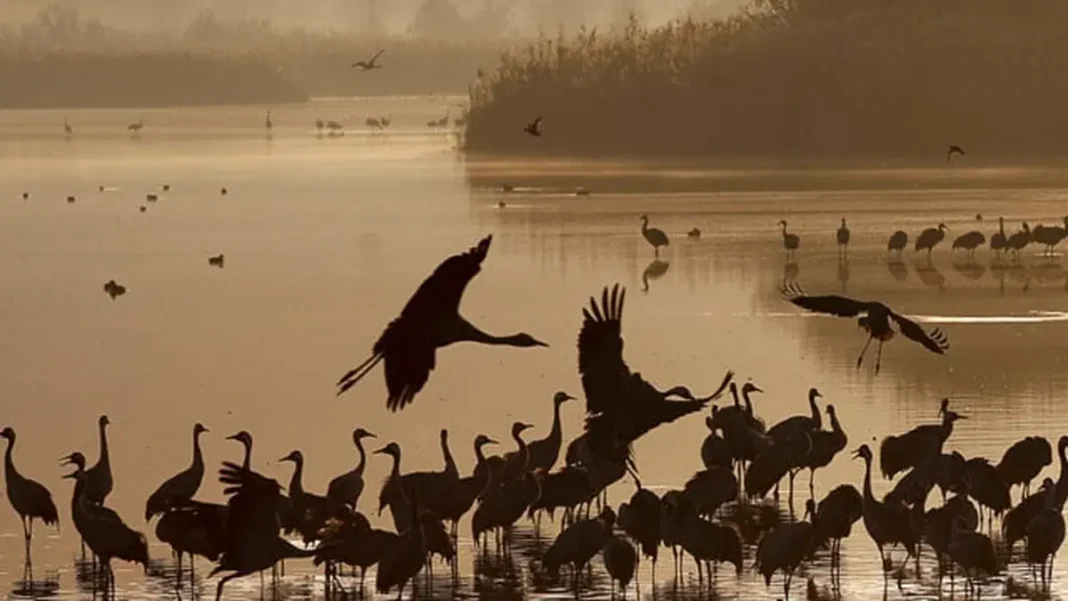
The Sindh Wildlife Department has seized nearly 1,700 slaughtered birds during a raid in Jamshoro, exposing an alleged illegal hunting and supply network in the province. The Jamshoro illegal bird trade case centres on birds that were captured from their natural habitats, preserved in freezers and supplied to buyers on order.
Their journey to Pakistan should have offered migratory birds a seasonal refuge. Instead, for nearly 1,700 of them, it ended in nets, slaughter and freezers, before their carcasses were allegedly dispatched to buyers across the country.
Sindh Wildlife Chief Conservator Javed Mehr said more than 700 of the recovered birds belonged to species considered haram, or impermissible for consumption, under Islamic jurisprudence. Despite this, their meat was reportedly being sold openly.
Jamshoro illegal bird trade: how the network worked
According to Mehr, the birds were captured using nets and stored in freezers before being supplied to buyers in various parts of the country. The operation was not a single catch. It was a supply chain, with birds taken from the wild, preserved and then sent out to meet orders.
Mehr said the species recovered were important for the environment because of the ecological services they provide. That point gives the raid a wider meaning than a single seizure. Migratory birds play a part in the ecosystems they pass through, and large-scale capture removes that part from the wild.
A case has been registered against five suspects by the Sindh Wildlife Protection Police. The case was filed under the Sindh Wildlife Protection Act, 2020. The five suspects now face proceedings under the provincial wildlife law.
Mehr identified Jamshoro, Dadu, Qambar, Thatta, Sujawal and Badin as major centres of illegal bird trade in rural Sindh. The list shows that Jamshoro was one point in a wider map, not an isolated site. Each of those districts, in his account, forms part of the trade’s geography.
Why migratory birds are targeted in Sindh
Birds from colder countries migrate to Pakistan and other temperate regions when food becomes scarce in their natural habitats. Their arrival brings hunting networks into action, with migratory birds becoming targets for illegal capture and trade.
That seasonal pattern explains why enforcement rises and falls with migration. When the birds arrive, the trade follows. When the trade is disrupted in one district, the network described by Mehr can shift its supply to buyers elsewhere.
The chief conservator said Section 144 had already been imposed to restrict the trade in birds and their capture using nets. The order sits alongside enforcement of the provincial wildlife protection law. Together, the two measures are meant to close both the trade and the method used to feed it.
Despite a severe shortage of enforcement personnel and resources, Mehr said wildlife teams remained active in efforts to curb illegal hunting and trade. The admission is important. It shows that the raid took place against a background of limited staff, not as part of a fully resourced crackdown.
Feature Pakistan’s earlier wildlife coverage
This is not the first migratory bird case reported by Feature Pakistan. An earlier report, Sindh Migratory Birds Hunting Case Chotiari Dam, covered a hunting case at another Sindh site. The Jamshoro raid follows that pattern, with the same seasonal pressure and the same enforcement gap.
Punjab has faced similar action. Feature Pakistan reported on a crackdown in Punjab Illegal Hunting Crackdown Wildlife.
Sindh’s own wildlife pressures go beyond birds. Feature Pakistan reported on threats to snow leopards in the north in Snow Leopards Threats Gilgit Baltistan. The Jamshoro case adds a lowland, migratory dimension to that wider picture of species under pressure.
For readers planning to visit Sindh’s wetlands, Keenjhar Lake Travel Guide describes one of the province’s well-known bird sites. Legal, regulated birdwatching at such sites stands in sharp contrast to the freezer trade described in the Jamshoro case.
What happens next
The registered case against the five suspects is the immediate next step. Its progress will show whether the raid leads to convictions under the 2020 Act, or whether it ends as a seizure with no further penalty.