Siri Paye Seized at Canada Airport From Pakistan Travellers
Canadian border officials have seized more than 16 kilograms of undeclared food and animal products, including goat trotters (siri paye), ghee and chicken, from Pakistani passengers arriving at Toronto Pearson International Airport. The passengers were fined CAD 1,350 for failing to declare the items on arrival.
The Canada Border Services Agency (CBSA) said the passengers failed to declare the items upon arrival. Seized items included siri paye, chicken meat, ghee and milk powder. The case, reported by ProPakistani on Saturday, is a reminder that food carried from home for family abroad can still fall foul of border rules, however familiar it may be at the dinner table.
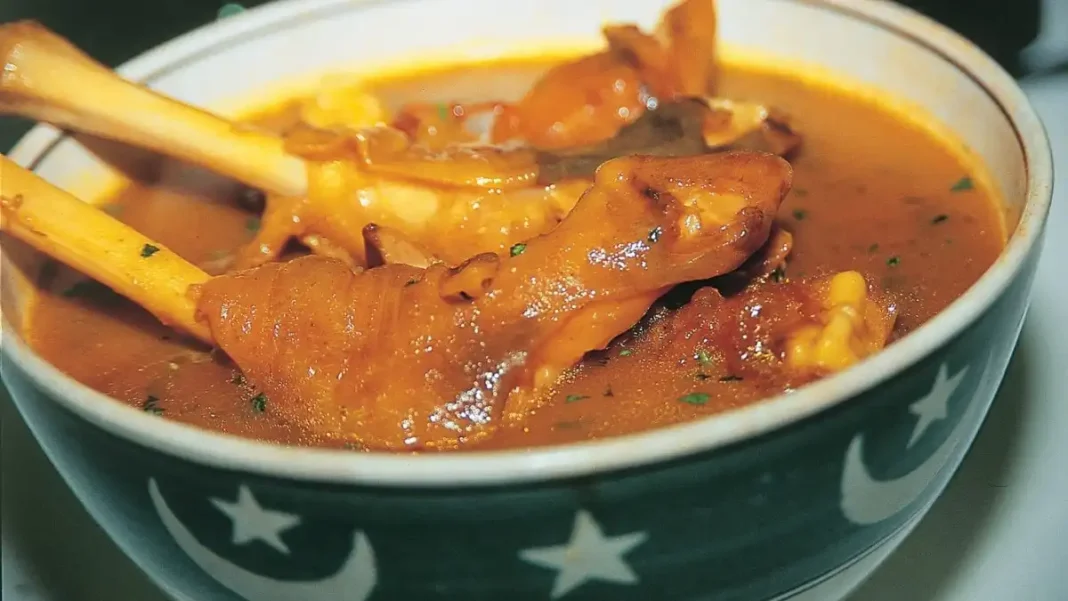
Siri paye, a slow-cooked stew of goat or sheep head and trotters, is a beloved winter dish in Pakistan. But at the Canadian border, it counts as meat, and meat is among the most tightly controlled items a traveller can carry.
What Canada bans at the border
The CBSA enforces regulations governing the entry of food, plants, animals and related products into Canada in cooperation with other government agencies. Its website lists several food and agricultural products that travellers may not bring into Canada from abroad.
These include raw or cooked meat, fruits, vegetables and milk. The restrictions also cover certain homemade products, plant- or wood-based items, household plants, live animals, including pets, and bait used for fishing. Other restricted items include firewood, plant cuttings, seeds and dirty hiking footwear.
The logic is protection, not punishment. Unchecked meat, dairy and plant material can carry animal and plant diseases and pests that Canada’s farms and food supply have no defence against. That is why the rules apply even to cooked and homemade food, and even in small, personal quantities.
Some products may still enter Canada if travellers provide specific documents or complete the required registration procedures. The key point is that permission depends on the product and the paperwork, not on whether the traveller meant well.
What travellers should do before flying
The CBSA advises travellers carrying food, plant or animal products to consult the Canadian Food Inspection Agency’s Automated Import Reference System (AIRS) before crossing the border. AIRS lets a traveller check, product by product, whether an item is allowed, restricted or banned, and what documents it needs.
Three habits cover most cases. First, declare everything, even if you think an item is allowed: an undeclared item is itself the violation, and in the Toronto case it drew the CAD 1,350 fine. Second, check AIRS before packing, not at the airport, when there is nothing left to do about a banned item. Third, leave homemade meat and dairy dishes at home unless AIRS clearly allows them with the right documents.
For Pakistani travellers, the practical message is simple. The food that travels best across borders is the food bought after arrival, not the food packed with love at departure. A parcel of siri paye may survive the flight, but at Toronto Pearson it will not survive the inspection hall.
Frequently asked questions
What was seized from the Pakistani passengers in Canada?
Canadian officials seized more than 16kg of undeclared food and animal products at Toronto Pearson airport, including siri paye (goat trotters), chicken meat, ghee and milk powder.
What fine was imposed?
The passengers were fined CAD 1,350 for failing to declare the items on arrival.
What food items does Canada restrict at the border?
Raw or cooked meat, fruits, vegetables and milk are restricted, along with certain homemade products, plant- or wood-based items, household plants, live animals including pets, fishing bait, firewood, plant cuttings, seeds and dirty hiking footwear.
How can travellers check whether a food item is allowed?
The CBSA advises travellers to check the Canadian Food Inspection Agency’s Automated Import Reference System (AIRS) before travelling, to see whether an item is allowed, restricted or banned and what documents it needs.