Iran War Warning After Trump Strike Threat
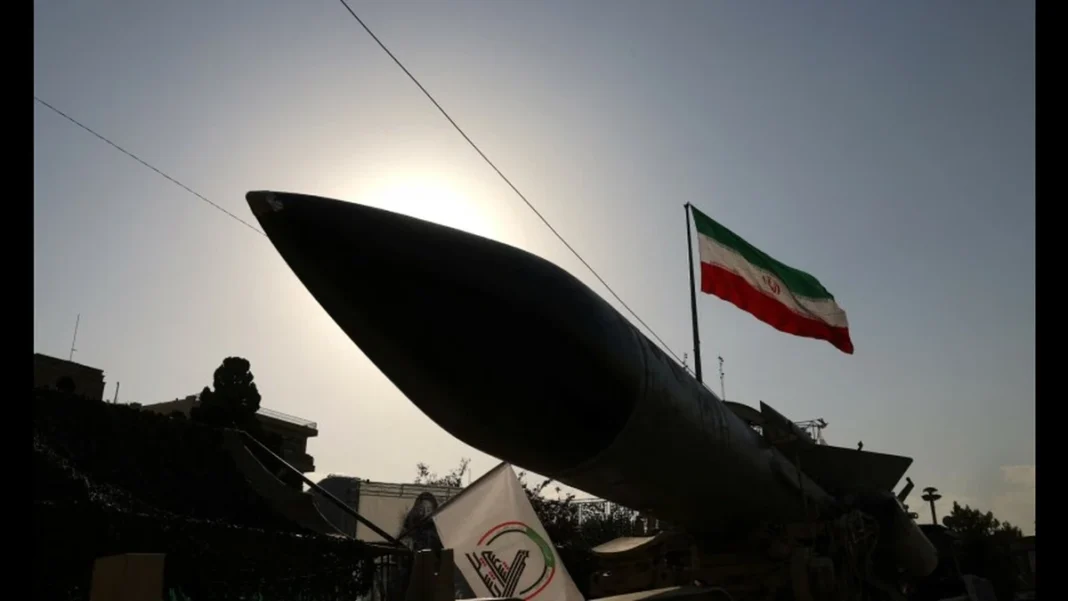
Iran warned on Sunday that any renewed war with the United States could last longer than the previous round of fighting. The latest Iran war warning followed fresh remarks by President Donald Trump, who said he still had to deal with one or two remaining targets in Iran.
The warning came from army spokesman Mohammad Akraminia, speaking on Iranian state television. He said a potential future war could last longer than the previous conflict, and added that the American president would not be in a position to dictate when it ended or on what terms.
The most intense phase of the war began on February 28 with strikes by the United States and Israel on Iran. Tehran answered with missile and drone attacks across the region, and armed groups joined the fighting in Lebanon and Yemen.
Iran war warning: what Tehran said
Akraminia spoke after Trump suggested that the United States could strike its remaining targets in Iran swiftly. Trump told reporters at his Florida residence that one or two sites still had to be dealt with, and that the job could be done in 10 minutes. He named Pickaxe Mountain, which he described as a suspected underground nuclear complex.
Revolutionary Guards spokesman Hossein Mohebbi added a second warning on Sunday. He said that in a conflict with America, there are no geographical limitations, and that a vast theatre has been set out for inflicting damage on the enemy. His words echoed a written message issued a day earlier by Iran’s new supreme leader, Ayatollah Mojtaba Khamenei, covered in Iran Khamenei Unrestricted Response Warning.
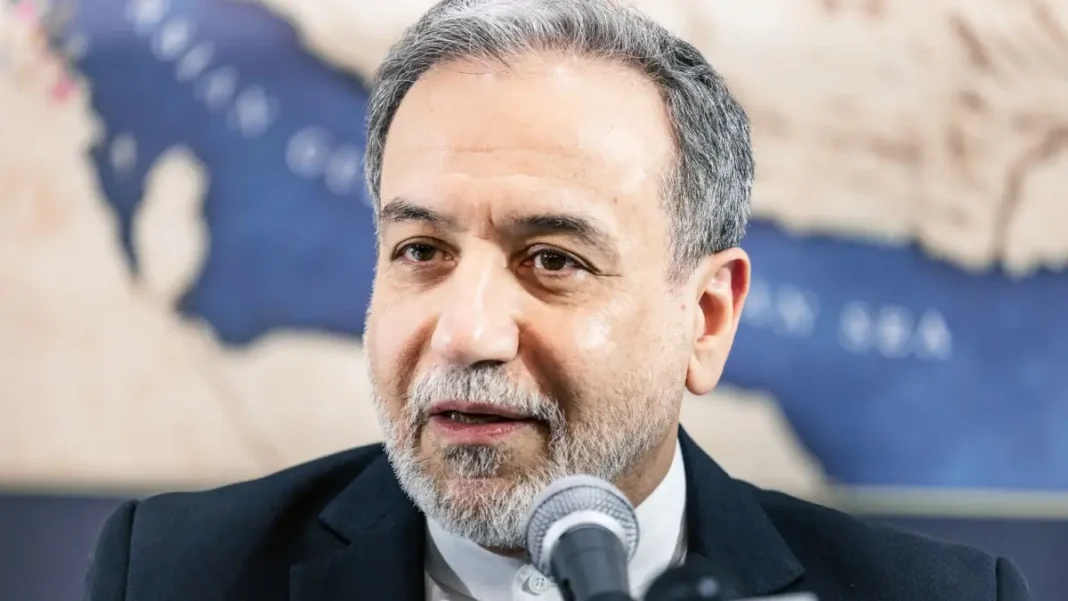
Foreign Minister Abbas Araghchi struck a different note in the same round of statements. He said Iran hopes the other side will exercise rationality and choose diplomacy, while adding that Iran remains prepared for both defence and diplomacy.
The Vance letter and the Strait of Hormuz
The warnings came as Iran’s security chief Mohsen Rezaei disclosed on Saturday that he had received a letter from US Vice President JD Vance seeking to revive talks. Rezaei described a positive change in tone from the American side, but said he had yet to respond.
Rezaei also set out the conditions Tehran had already given Washington. He said that unless those conditions were met, neither would the Strait of Hormuz be reopened nor would there be any negotiations. The conditions include unfreezing Iranian assets held abroad, ending the months-long American naval blockade of Iranian ports, lifting longstanding sanctions, and ending the war on all fronts.
Gulf states brace for the worst
Why the warning matters for Pakistan
Frequently asked questions
What did Iran warn on Sunday, November 1?
Iran warned that any renewed war with the United States could last longer than the previous conflict. Army spokesman Mohammad Akraminia said the American president would not be able to dictate the timing or the conditions of its conclusion.
What did Donald Trump say about striking Iran?
Trump said the United States still had to deal with one or two sites in Iran, and that the job could be done in 10 minutes. He named Pickaxe Mountain, which he described as a suspected underground nuclear complex.
What conditions has Iran set for talks and reopening Hormuz?
Iran’s security chief Mohsen Rezaei said Tehran’s conditions include unfreezing Iranian assets abroad, ending the American naval blockade of Iranian ports, lifting longstanding sanctions, and ending the war on all fronts.
How did Gulf states react to the warnings?
Anwar Gargash, diplomatic adviser to the president of the United Arab Emirates, said the Emirates hoped for a diplomatic breakthrough but were preparing for the worst, and that another round of fighting is not in the region’s interest.
Why does the Iran warning matter for fuel prices in Pakistan?
Pakistan now revises fuel prices daily, so a sharp rise in world oil prices caused by war fears can reach petrol and diesel prices within days, rather than at the next fortnightly revision as in the past.