Sindh Growers Warn of Severe Winter Water Shortage
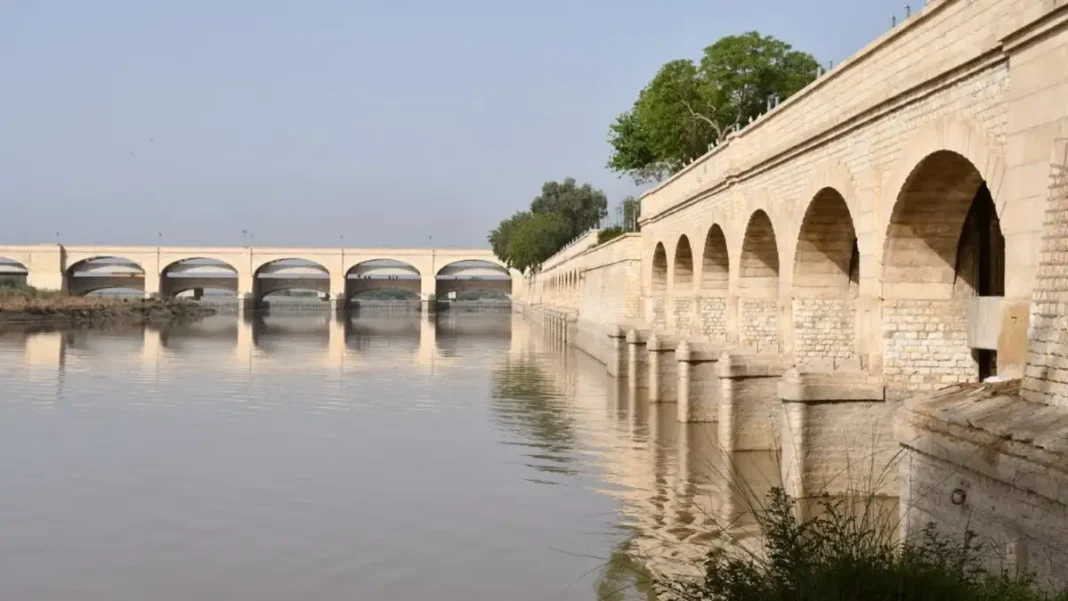
The Sindh winter water shortage could hit wheat sowing hard this season, growers warned on Sunday. The Sindh Chamber of Agriculture, Larkana chapter, said repair work at Sukkur Barrage will cut irrigation supplies across the province this winter.
Chamber president Syed Siraj Aulia Rashdi chaired the meeting in Larkana. Members reviewed the problems facing growers of wheat, sugar cane, cotton and rice. They noted rising input costs, questions over support prices and subsidies, and the economic hardship facing farming families.
The chamber warned that a severe shortage of irrigation water would badly affect wheat sowing. Wheat is the main winter crop for millions of farming households, and a shortfall at sowing time cannot be fixed later in the season.
Sindh winter water shortage: what growers asked for
The meeting urged the Sindh government to act at once on the water shortfall. In areas where tube wells cannot provide fresh water, growers should plant alternative crops such as mustard, participants suggested. The chamber asked the government to provide certified, high-quality mustard seed, with special support and incentives for its cultivation.
Mustard offers two gains, the chamber said. It would move Pakistan toward self-sufficiency in edible oil production, and it would raise farmers’ incomes in areas short of canal water. That advice matters most in tail-end areas, where canal supplies arrive last and weakest.
On wheat, the meeting called for a fair support price that matches rising production costs. Those costs include expensive fertiliser, seed, diesel, electricity and other farm inputs. Growers also asked for transparency and timely payments against government procurement, so farmers receive fair returns without long delays.
Cane, rice and input costs
Sugar cane growers face a separate set of problems. The meeting demanded that sugar mills start the crushing season on time. Mills should immediately implement the notified cane price and make prompt payments against growers’ dues. Delayed crushing and late payments leave cane standing in fields and cash short at home.
Rice growers asked for effective official measures to ensure reasonable and stable market prices for paddy. Without stable prices, farmers sell at a loss in a falling market and cannot plan the next crop. The chamber said price stability is a basic condition for keeping rice farming viable.
Participants called for subsidies on fertilisers, particularly DAP and urea, on electricity for tube wells and on pesticides. They stressed that subsidies must reach genuinely deserving and small growers directly. Support that leaks to larger or ineligible claimants fails the farmers who need it most.
They also demanded a simpler, more transparent and broader Benazir Hari Card procedure, so more farmers can benefit from the scheme. A card that is hard to obtain helps few people, however generous its terms appear on paper.
Why the warning matters for food prices
Agriculture remains central to Pakistan’s economy, the chamber said. The government must prioritise farmer-friendly policies to pull the sector out of crisis, ensure food security and strengthen the rural economy. A weak wheat crop would raise pressure on flour prices and on household budgets in cities as well as villages.
The warning comes as wheat policy stays in focus nationally. A wheat support price of Rs4,500 per maund has been proposed for the coming season, and growers in Sindh will watch that decision closely. A support price that lags input costs leaves farmers with little reason to sow a full crop, even where water is available. The national debate also includes fair wheat prices discussed at the NAFSC meeting and Sindh’s subsidised wheat release for flour prices.
Why will Sindh face a water shortage this winter?
Repair work at Sukkur Barrage will cut irrigation supplies, and the Sindh Chamber of Agriculture warns the shortfall could badly hit wheat sowing.
What alternative crop did growers suggest?
Growers suggested mustard in areas where tube wells cannot provide fresh water, with certified seed and special incentives from the government.
What did growers ask for on wheat prices?
They asked for a fair support price matching higher costs for fertiliser, seed, diesel and electricity, plus transparent and timely procurement payments.
What did cane growers demand from sugar mills?
Cane growers demanded on-time crushing, immediate implementation of the notified cane price and prompt payment of growers’ dues.
What subsidies did the meeting seek?
Participants sought subsidies on DAP and urea fertiliser, tube well electricity and pesticides, reaching deserving small growers directly.