K-P Council Operational Delays After Two Weeks
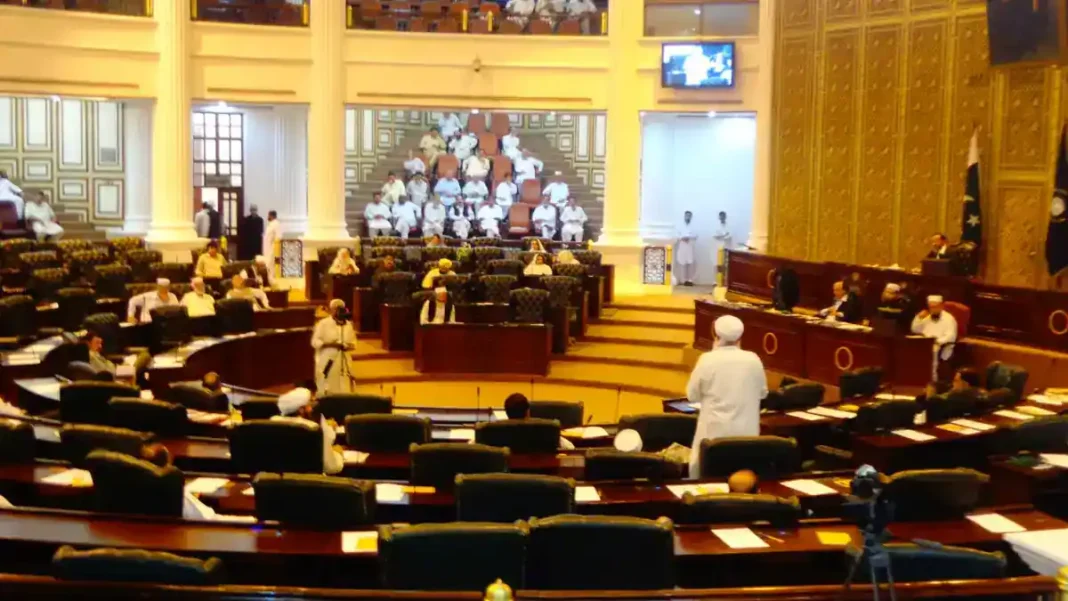
The Area Representatives and Development Council (ARDC) for 12 districts of Khyber-Pakhtunkhwa (K-P) has yet to become fully operational, more than two weeks after its formation. Its secretariat and offices are still not functioning, even though the council was set up to oversee government affairs in districts under emergency rule.
The 48-member council was established to oversee government affairs in 12 districts where an emergency was imposed on 11 October amid a protest by Pakistan Tehreek-e-Insaf (PTI). Former K-P governor Shaukatullah Khan has been appointed chairman of the council.
Twelve districts, one council, no working offices
The 12 districts covered by the council are Bajaur, Mohmand, Khyber, Kurram, Orakzai, North Waziristan, Upper South Waziristan, Lower South Waziristan, Dera Ismail Khan, Tank, Lakki Marwat and Bannu.
A separate secretariat has also been established for the 12 districts. It has been placed in charge of 32 departments, and separate secretaries have been appointed for those departments. The old Federally Administered Tribal Areas (Fata) Secretariat building on Warsak Road has been allocated for the purpose.
Despite that structure on paper, offices have not been allocated to the departments, and the administrative setup remains incomplete. More than two weeks after the council’s formation, the machinery meant to run these districts day to day is still not in place.
Tehsil councils are still missing too
The government had also decided to establish councils at the tehsil level in these districts. Their members have not yet been selected.
That leaves a second gap below the district-level council. The ARDC itself is not fully working, and the tehsil bodies that were meant to extend its reach have not even been formed.
The choice of the old Fata Secretariat building is telling. Eight of the 12 districts, Bajaur, Mohmand, Khyber, Kurram, Orakzai, North Waziristan and the two South Waziristans, are former tribal districts that were merged into K-P. Their administration previously ran through the Fata Secretariat, so reusing that building was meant to give the new council a ready-made home. Two weeks on, the building has been allocated but the offices inside it have not, which is why the council still cannot function as intended.
Why this delay matters
The delay matters because the council was created for a specific job: to oversee government affairs in districts where normal provincial arrangements were suspended under the emergency imposed on 11 October. Every week without a working secretariat is a week in which those districts are run without the oversight body the government announced.
Feature Pakistan reported on 25 October that JUI-F in K-P had told its members to quit the ARDC within three days. That dispute was about who should sit on the council. The latest report points to a different problem: whatever its membership, the council is not yet functioning as an institution.
For residents of the 12 districts, the practical question is straightforward. Departments have secretaries but no allocated offices, a secretariat building has been named but the setup is incomplete, and tehsil councils remain unformed. Until those gaps close, the council exists more as an announcement than as a working administration.
Frequently asked questions
What is the ARDC?
The Area Representatives and Development Council is a 48-member body set up to oversee government affairs in 12 Khyber-Pakhtunkhwa districts where an emergency was imposed on 11 October.
Which districts does the council cover?
Bajaur, Mohmand, Khyber, Kurram, Orakzai, North Waziristan, Upper South Waziristan, Lower South Waziristan, Dera Ismail Khan, Tank, Lakki Marwat and Bannu.
Who chairs the council?
Former K-P governor Shaukatullah Khan has been appointed chairman of the council.
Why is the council not fully operational?
Its secretariat and offices are still not functioning. Offices have not been allocated to its 32 departments, so the administrative setup remains incomplete more than two weeks after formation.
What about the tehsil-level councils?
The government decided to establish councils at the tehsil level, but their members have not yet been selected.