

Bilal Urges Pakistan to Embrace Financial Innovation
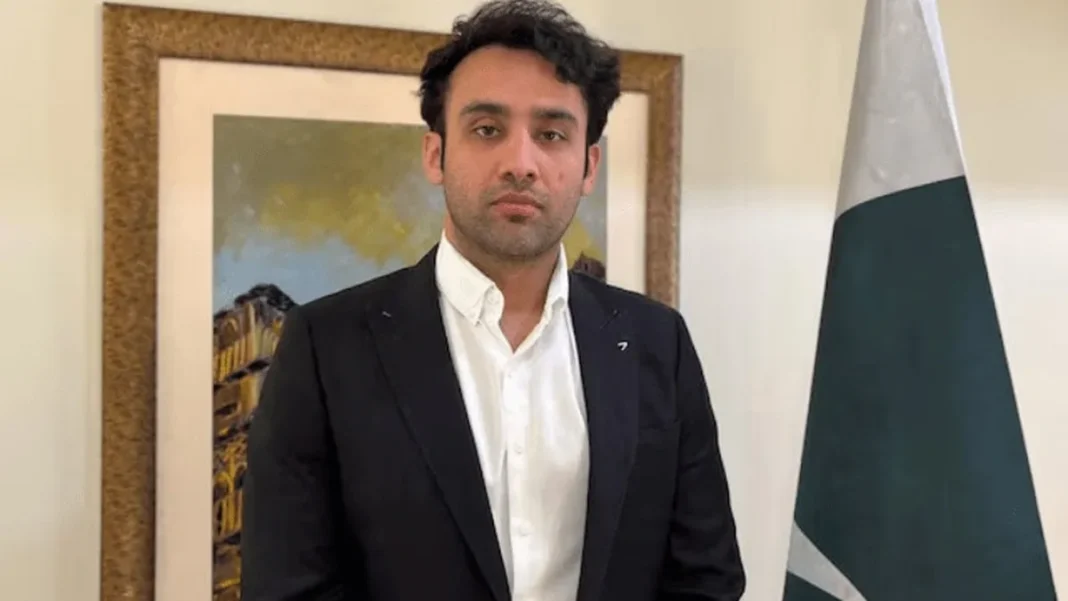
Pakistan must embrace financial innovation and emerging technologies to become a prominent player in the evolving global financial landscape, rather than remain a consumer of technologies developed elsewhere. That was the message from Minister of State and Pakistan Virtual Assets Regulatory Authority (PVARA) Chairman Bilal bin Saqib on Monday.
Bilal was addressing a dialogue on “Digital Assets and the Future of Banking” at the Lahore University of Management Sciences (LUMS). The discussion was held with Pakistan Banks Association (PBA) Chairman Zafar Masud.
He said Pakistan needed to play an active role in shaping the rules of the emerging international financial system. Digital assets and blockchain technology, he argued, offered opportunities to transform the country’s financial infrastructure, expand financial inclusion, and open up investment opportunities beyond cryptocurrency trading.
Financial innovation beyond Bitcoin
Bilal said Bitcoin had served as a gateway to the wider digital assets ecosystem. The level of adoption, he said, showed the world-class talent of Pakistanis and their ability to adapt to the future of finance.
He stressed that the potential of blockchain technology extended far beyond Bitcoin and cryptocurrency trading. It covered changes in how value moves and is stored, tokenisation, broader access to investment opportunities, and programmable money.
Tokenisation, in simple terms, means representing an asset, such as a bond or a property share, in digital form so it can be divided, transferred and traded more easily. Programmable money means money that can be set to move only when agreed conditions are met, which can reduce delays and disputes in payments.
Bilal said these developments could significantly benefit Pakistan by promoting financial inclusion, making investment opportunities accessible to a wider population, and transforming the country’s financial infrastructure.
Renting the future or owning it
Bilal put the choice in stark terms. “The question is whether we want to rent our future or own our future,” he remarked. He said Pakistan should become a co-author of emerging global financial rules instead of remaining a consumer of technologies developed elsewhere.
He added that the country had previously remained outside discussions when international correspondent banking and card payment systems were established. Pakistan, he said, continued to bear the cost of that exclusion.
Correspondent banking is the system through which banks in different countries settle payments for each other. Countries that do not help write the rules of such systems often pay higher costs and face more restrictions when they use them. Bilal’s argument was that Pakistan should not repeat that pattern with digital assets.
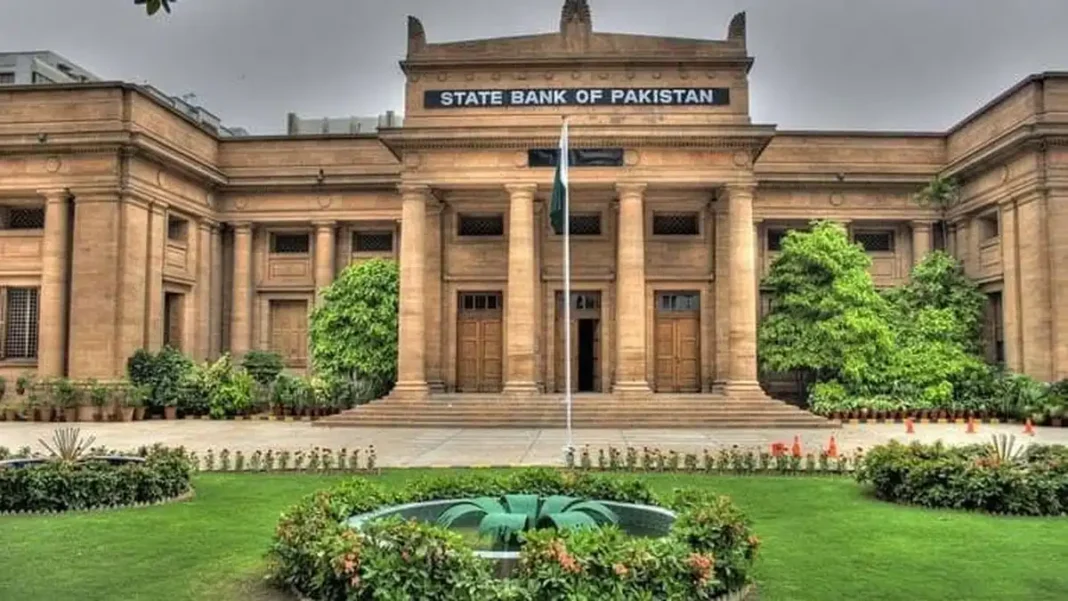
He said Pakistan needed to work closely with banks and the State Bank of Pakistan (SBP) to build an enabling regulatory environment. That environment should encourage innovation without compromising financial stability. He warned that the cost of inaction could be far greater than the risks of taking timely and responsible action.
The remittance argument
Bilal gave a concrete example to support his case: remittances. He described overseas workers’ money transfers as a lifeline for Pakistan, but noted that much of the international transfer infrastructure still relies on systems established decades ago.
Even a reduction of two to three per cent in transaction costs on Pakistan’s annual remittances of approximately $41 billion could channel an additional $1 billion into the grassroots economy, he said. For families receiving money from abroad, lower costs would mean more of each transfer reaching home. For the wider economy, it would mean more foreign exchange staying in households and small businesses rather than being absorbed by intermediaries.
That figure is an illustration, not a promise. It depends on whether new systems are actually adopted, whether regulators in sending countries accept them, and whether costs fall in practice. But it shows why the government is treating remittance costs as a policy issue, not just a banking detail.
The dialogue at LUMS brought together the regulator, the banks and an academic audience. That combination matters, because digital asset rules will only work if banks can operate under them, the central bank can supervise them, and the public trusts them. Bilal’s speech set out the ambition. The test will be the rules, licences and safeguards that follow.
Frequently asked questions
Who is Bilal bin Saqib?
He is Minister of State and Chairman of the Pakistan Virtual Assets Regulatory Authority (PVARA).
Where did he make the remarks?
At a dialogue on “Digital Assets and the Future of Banking” at the Lahore University of Management Sciences (LUMS), held with PBA Chairman Zafar Masud.
What did he mean by owning the future?
He argued Pakistan should help write global digital finance rules, rather than only using systems designed elsewhere, as happened with correspondent banking and card payments.
How could blockchain help remittances?
Bilal said cutting transfer costs by two to three per cent on about $41 billion in annual remittances could send an extra $1 billion to households.
What balance did he call for?
An enabling regulatory environment that encourages innovation while working with banks and the State Bank to protect financial stability.